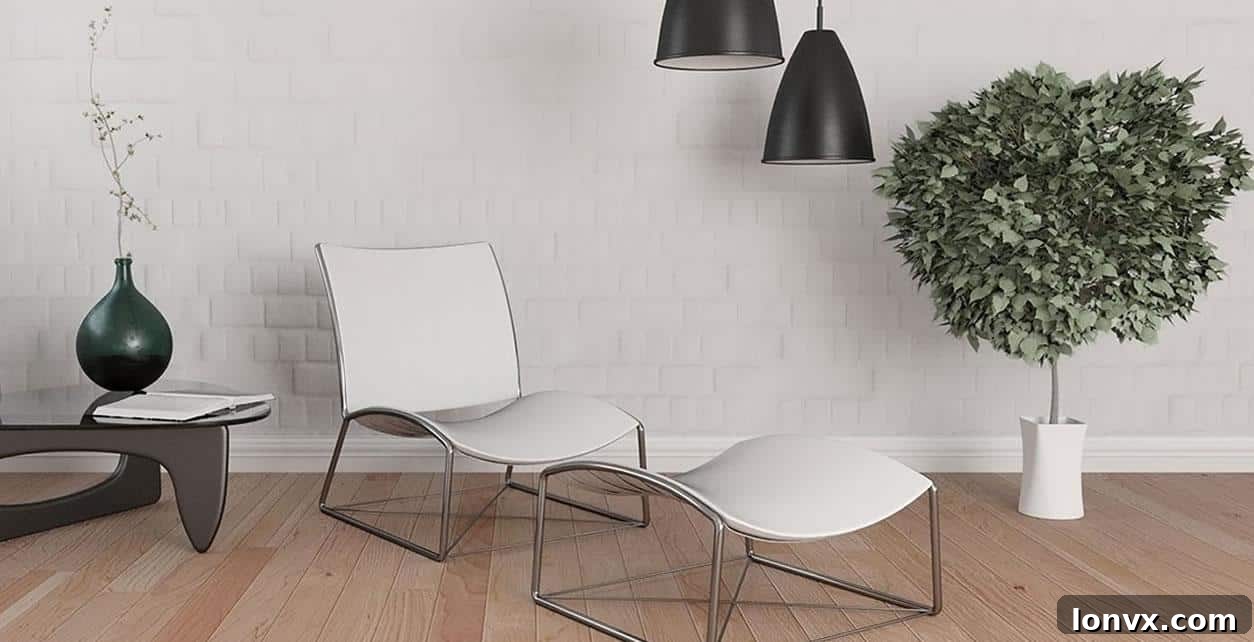
In the competitive real estate market, standing out is not just an advantage—it’s a necessity. Home staging is an indispensable tool that empowers sellers to transform their property from a mere house into an aspirational home, captivating potential buyers from the moment they first engage. At its core, staging is about creating an inviting, neutral, and aesthetically pleasing environment that allows prospective buyers to envision themselves living in the space. However, many sellers either underestimate its power, putting in insufficient effort, or misdirect their resources, overspending on elements that don’t yield the desired return. The secret lies in a balanced approach, focusing on strategic details that profoundly impact buyer perception.
Today, we delve into five pivotal home staging details that, when meticulously executed, will not only charm potential buyers but also significantly enhance your property’s marketability and value. These aren’t just cosmetic fixes; they are strategic enhancements designed to elevate the overall experience, creating an emotional connection that often translates into quicker sales and higher offers. By understanding and implementing these key strategies, you can navigate the staging process with confidence, ensuring every effort contributes to a successful sale.
1. Elevate Your Windows: The Impact of Curtains and Rods
It might seem like a minor detail, but the condition of your window treatments—specifically curtains and rods—can dramatically influence a buyer’s perception of your home. As specialists in window aesthetics often emphasize, windows are truly the “eyes of the home.” They are vital conduits for natural light, connecting the interior to the exterior world. In this analogy, curtain rods and curtains act as the elegant “eyeliner” and “makeup,” framing and enhancing the overall beauty and mood of a room.
Old, outdated, or mismatched curtain rods can instantly cheapen the appearance of a space, making it feel neglected or stylistically inconsistent. Conversely, fresh, modern, and appropriately chosen rods, paired with elegant curtains, can elevate a room’s sophistication, inviting warmth, and a sense of thoughtful design. Consider replacing heavy, dark drapes with lighter, neutral-toned curtains that allow ample natural light to filter through, making rooms feel larger and brighter. Materials like linen, cotton, or sheer fabrics are often excellent choices for staging, as they offer a delicate balance of privacy and luminosity.
When selecting new rods, opt for styles that complement the home’s overall architectural and interior design. Simple, classic metal rods (like brushed nickel or matte black) or elegant wooden rods tend to have broad appeal. Ensure the rods extend beyond the window frame, allowing curtains to be pulled back fully, maximizing light and views. The length of the curtains is also crucial; they should ideally just kiss the floor or puddle slightly for a luxurious touch. This attention to detail demonstrates meticulous care for the property, signaling to buyers that the home has been well-maintained and thoughtfully updated.
Here are some great curtain rod ideas that will definitely help make a great impression.
2. Address Structural Integrity: Repairing Cracks and Eliminating Mildew
Imagine potential buyers touring your home, their excitement building as they explore each room, only to be confronted by a glaring hairline crack in the foundation or a suspicious patch of mildew in a basement corner. Such discoveries can instantly derail their enthusiasm, triggering alarms about potential structural damage, poor maintenance, and costly future repairs. These seemingly minor flaws can lead to an immediate and significant devaluation of the property in the buyer’s mind. No one wants to invest in a home that appears to have underlying waterproofing issues, moisture problems, or structural instabilities.
Cracks can range from superficial plaster cracks to more serious foundation fissures. While not all cracks indicate severe structural problems, buyers often lack the expertise to differentiate, and will err on the side of caution—or use it as a powerful negotiation point. Similarly, mildew is not just an aesthetic blight; it’s a clear indicator of moisture intrusion, which can lead to unpleasant odors, potential health hazards for occupants, and further deterioration of building materials. These issues suggest neglect and a lack of preventative maintenance, significantly undermining a buyer’s confidence in the home’s overall condition.
The good news is that the cost of addressing many common foundation cracks and mildew issues is often far less expensive than homeowners anticipate, especially when compared to the potential reduction in sale price or the lengthy delays these issues can cause. For instance, reputable professionals like Crackmasters in Mississauga, Ontario, commonly charge around $425 to expertly repair most typical foundation cracks. Investing in these essential repairs before listing your home not only removes potential deal-breakers but also demonstrates a commitment to maintaining a safe and sound property. Obtain professional assessments and repairs for any suspicious cracks or persistent moisture problems. A clean bill of health regarding these critical structural and environmental factors will reassure buyers, allowing them to focus on the home’s positive attributes rather than its perceived flaws.
3. The Art of Neutrality: Thoughtful Depersonalization
One of the most profound yet frequently overlooked aspects of effective home staging is depersonalization. Many sellers mistakenly believe that showcasing their unique style and personal memories will make their home more appealing. However, the exact opposite is true. While your family photos, cherished collections, and sentimental decor items hold immense personal value to you, they can inadvertently prevent potential buyers from forming an emotional connection with the house itself. When buyers see a gallery wall filled with your children’s milestones or a prominent family portrait above the fireplace, they are reminded that they are in someone else’s home, making it difficult for them to envision it as their own future abode.
The goal of depersonalization is to create a blank canvas—a sophisticated, neutral backdrop that allows buyers to project their own lives, styles, and dreams onto the space. It’s about making the home universally appealing rather than specifically appealing to your tastes. This means a thorough removal of all personal items: family photographs, children’s artwork, religious artifacts, political statements, sports trophies, diplomas, beloved but niche book collections, and any excessively unique or eclectic decor that might not resonate with a broad audience.
Once personal items are removed, replace them with impersonal, broadly appealing decor elements that add warmth and sophistication without imposing a specific identity. Think elegant vases with fresh flowers or subtle greenery, stylish decorative books with neutral spines, abstract or landscape artwork that evokes tranquility, and understated letterboards with simple, inviting messages. Utilize neutral-colored textiles like throw pillows and blankets to add texture and comfort. The aim is to create an ambiance that feels welcoming, elegant, and aspirational, allowing buyers to see the inherent potential of the space and imagine their own lives unfolding within its walls. This strategic removal of the “you” from the home is crucial for buyers to connect with the “them” that the property represents.
4. Mastering Curb Appeal: Crafting an Inviting Exterior
While interior staging is undeniably crucial, many sellers make the mistake of neglecting their property’s exterior. This oversight is a critical misstep, as the outside of your home provides the very first impression—the curb appeal—which can either entice buyers to step inside with anticipation or cause them to drive past without a second glance. An unkempt lawn, peeling paint, overgrown bushes, cracked pathways, and poor exterior lighting are all significant precursors to a bad sale, signaling to buyers a lack of care and potentially underlying maintenance issues.
To master curb appeal, adopt an “outsider’s point of view.” Walk across the street and objectively assess your property as if you were seeing it for the first time. This perspective will highlight areas needing attention. Begin with the landscaping: ensure the lawn is meticulously manicured, free of weeds, and freshly mowed. Trim all bushes and trees, remove any dead foliage, and consider adding fresh mulch to garden beds for a clean, polished look. Vibrant, seasonal flowers in planters or along walkways can add a pop of welcoming color.
Next, focus on the structural exterior elements. Pressure wash the siding, driveway, and walkways to remove grime and mildew. Repaint or touch up any peeling or faded paint on trim, shutters, or the front door. Ensure all gutters are clean and in good repair. Refurbish or replace worn-out hardware on the front door, such as house numbers, the doorknob, and light fixtures. The entryway itself should be particularly inviting: a freshly painted front door, a new welcome mat, and perhaps a couple of potted plants can make a significant difference. Lastly, address exterior lighting. Ensure all fixtures are clean and functional, adding strategic pathway lights or accent lighting to highlight architectural features and improve safety. A well-lit exterior not only enhances aesthetic appeal but also provides a sense of security. By presenting a picturesque, well-maintained exterior, you create a powerful first impression that encourages buyers to explore further, confident in the home’s overall upkeep and appeal.
5. Strategic Staging: Understanding Your Buyer Demographic
Ultimately, the most effective home staging is not a one-size-fits-all approach; it is deeply rooted in understanding and targeting your specific buyer demographic. Without a clear comprehension of who your potential buyers are, your staging efforts, no matter how meticulous, might fall flat, or worse, appeal to the wrong audience. Staging a sleek, modern house designed for urban professionals with high-end entertainment possibilities for a young family on a predetermined budget seeking practical spaces and ample storage would be a fundamental mismatch.
Effective demographic-based staging requires insight into your neighborhood’s typical buyer profile. Are you in a trendy urban area attracting young professionals and singles? Your staging should emphasize modernity, convenience, and perhaps a designated home office space. Is your home located in a family-centric suburb? Focus on creating functional, child-friendly zones, showcasing extra bedrooms as nurseries or playrooms, and ensuring practical storage solutions. For empty nesters or retirees, accessibility, comfort, low maintenance, and perhaps a cozy reading nook or a well-appointed guest room might be paramount. In luxury markets, high-end finishes, unique architectural features, and sophisticated, bespoke design elements should be highlighted.
Collaborate closely with your real estate agent, who possesses invaluable knowledge about local market trends and buyer preferences. They can help you identify your ideal buyer and tailor your staging to speak directly to their desires and needs. This strategic alignment ensures that every dollar and every hour spent on staging is a direct investment in attracting the right buyer, fostering an immediate connection, and ultimately facilitating a quicker, more profitable sale. Staging with your target audience in mind transcends mere decoration; it becomes a powerful marketing tool that speaks volumes to the hearts and minds of those most likely to make an offer.
As the renowned architect Ludwig Mies Van Der Rohe wisely stated, “God is in the details.” This profound truth encapsulates the essence of successful home staging. It is not about grand renovations or extravagant makeovers; rather, it is about the meticulous attention to seemingly minor aspects that collectively create an overwhelmingly positive impression. From the subtle elegance of new curtain rods to the assurance provided by a repaired foundation, and from the welcoming neutrality of a depersonalized interior to the compelling allure of a well-manicured exterior, every detail plays a crucial role. By strategically focusing on these elements and tailoring your approach to your specific buyer, you transform your property into an irresistible offering, maximizing its market appeal and paving the way for a swift and lucrative sale.