The Ephemeral Delicacy: A Comprehensive Guide to Canada’s Fiddleheads and Gourmet Recipes
As spring awakens in Canada’s eastern provinces, a truly unique and fleeting culinary treasure emerges from the forest floor: the fiddlehead fern. A symbol of renewal and a harbinger of warmer days, these tightly coiled, vibrant green fronds are an eagerly anticipated seasonal delicacy. Available fresh for only a brief period, typically in spring, fiddleheads offer a distinct, earthy flavor that gourmands from New Brunswick to Maine, and across parts of Quebec, cherish. This guide delves into the art of preparing, cooking, and savoring fiddleheads, offering exquisite recipes and innovative ways to incorporate them into your spring menu, including a timeless Vichyssoise and a remarkable adaptation into a Cream of Fiddlehead Soup, inspired by Lady Ralston’s personal culinary repertoire.
Understanding Fiddleheads: A Springtime Treasure
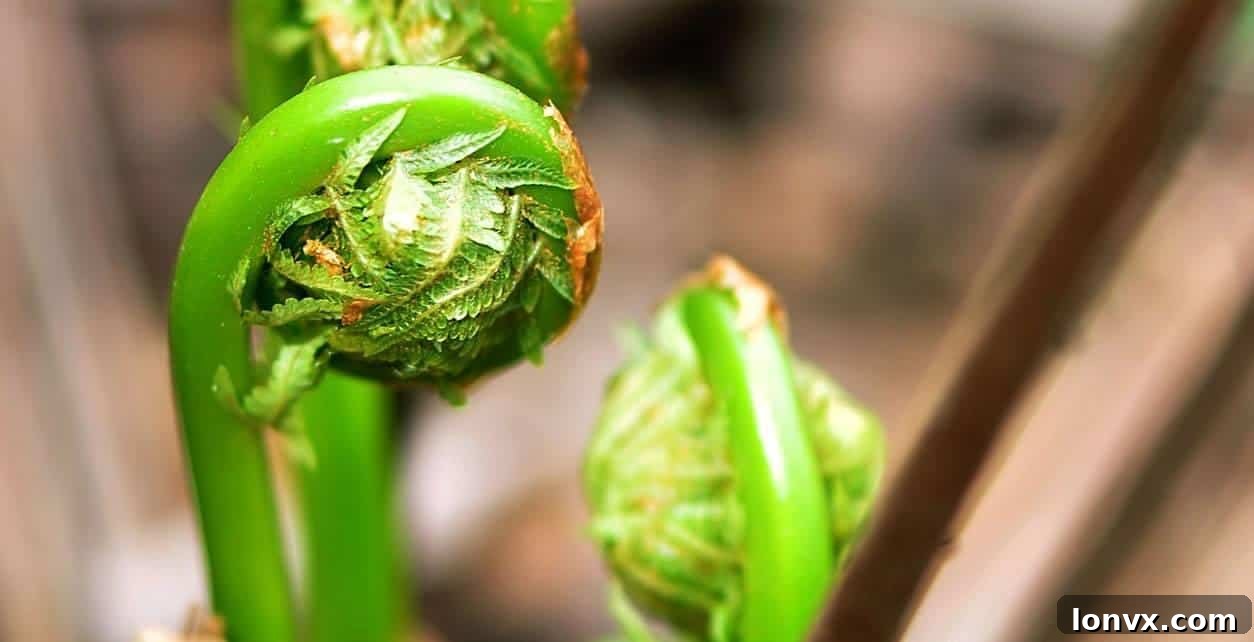
Fiddleheads are the unfurled fronds of a young fern, most commonly the ostrich fern (Matteuccia struthiopteris). Named for their resemblance to the scroll of a violin, these verdant curls boast a flavor profile reminiscent of earthy asparagus, with subtle notes of nuttiness and, for some discerning palates, a unique moist fragrance akin to damp peat marsh soil. However, their beauty and distinctive taste come with a crucial caveat: fiddleheads can be poisonous if not prepared and cooked correctly. Proper preparation is not merely a culinary step; it is a vital safety measure that ensures a delicious and harmless dining experience. This guide will walk you through the essential cleaning and cooking techniques required to transform this wild harvest into a delectable dish.
Crucial Preparation: Cleaning and Cooking Fiddleheads Safely
The journey from forest floor to gourmet plate begins with meticulous cleaning and careful cooking. Freshly picked fiddleheads often carry bits of papery brown chaff and forest debris. To clean them, place the fiddleheads in a colander and rinse them thoroughly under cold running water, gently rubbing them with your fingers to remove any loose debris. Repeat this process until the water runs clear and all visible brown papery scales are gone. The goal is to preserve their beautiful green color and delicate texture while ensuring they are perfectly clean and safe to eat.
Once cleaned, fiddleheads require a specific cooking method to neutralize any potential toxins and bring out their best flavor. They must be gently poached twice in fresh, salted water. For each poaching session, bring a pot of salted water to a rolling boil, add the cleaned fiddleheads, and simmer for approximately seven minutes, or slightly less, until they are tender-crisp. After the first poaching, drain the water completely and discard it. This step is critical for safety. Repeat the entire poaching process with fresh, salted water for another seven minutes. Immediately after the second poaching, plunge the fiddleheads into a bath of ice water. This “shocking” process immediately stops the cooking, ensuring they retain their delightful natural green fern color and firm texture, preventing them from becoming mushy. Finally, drain them well and pat them dry, preparing them for their final culinary presentation. For an extra layer of flavor, gently sauté the blanched and shocked fiddleheads in hot unsalted butter. A convenient trick is to melt a “butter puck” from your frozen herb butter log, if you keep one on hand, and drizzle it over the hot sautéed, fresh-picked (never frozen for optimal texture and taste) fiddleheads. This simple step elevates their natural earthiness with a rich, aromatic finish.
Elegant Entrées and Sides Featuring Fiddleheads
Lady Ralston’s Signature Cream of Fiddlehead Soup (or Vichyssoise)
One of the most elegant ways to showcase the fiddlehead’s unique flavor is by incorporating it into a refined soup. Lady Ralston’s personal Cream of Fiddlehead Soup, a delicate and luxurious creation, is a testament to the versatility of this spring vegetable. This recipe is an adaptation of a classic Vichyssoise, where the leeks are gracefully replaced by the seasonal fiddleheads, resulting in a rich, velvety soup with an unmistakable taste of Canadian spring.
Mastering the Classic Vichyssoise: A Step-by-Step Guide (Can be Fiddlehead Soup Base)
Originating from French culinary traditions, Vichyssoise is a sophisticated puréed soup, typically made with leeks, onions, potatoes, and cream, served chilled or hot. Our version, dating back to 1972, serves as the perfect foundation for either a timeless leek soup or an exquisite Cream of Fiddlehead Soup. The key to its excellence lies in the careful preparation of each component and the delicate balance of flavors.
Preparing the Aromatics and Base
Begin by meticulously cleaning your leeks. For this recipe, I suggest three tall, generous leek stalks, or four thinner ones. While many recipes discard the darker green parts, I advocate for utilizing all but the very top, inedible, bruised, rubbery pieces. The mid-green section imparts additional depth of flavor, which I find enhances the soup without compromising its delicacy. To ensure thorough cleaning, cut each stalk into three or four manageable pieces, then split them lengthwise. Leeks are notorious for trapping fine sand, even when it’s not immediately visible. Rinse them carefully under cold water, changing the water several times until no sand residue is evident. This step is crucial for a grit-free, silky soup.
In a heavy-bottomed pot, melt a generous knob of unsalted butter over medium heat. Add the rinsed, chopped leeks to the pot. Alongside the leeks, add a small white onion, roughly a half-cup in size, cut into quarters, and a single, small clove of garlic. Remove the skin from the garlic but leave it whole; it will melt into the soup as it cooks, lending its subtle aroma without being overpowering. Season with a light sprinkle of dry thyme, a pinch of salt, and a sprinkle of fine pepper. Remember, you can always adjust seasonings later, so start sparingly.
Sauté the leeks and onions over medium-high heat, stirring occasionally to prevent sticking. The goal is to sear them until they are nearly soft, translucent, and fragrant, but not deeply browned. Browning can impart a bitter note that we want to avoid in this delicate soup. Keep a close watch on the pot to prevent scorching.
Once the leeks and onions are almost tender, pour in a couple of cups of high-quality homemade chicken stock. The importance of homemade stock cannot be overstated; store-bought options, regardless of brand, often contain excessive sodium and lack the nuanced flavor profile necessary for a truly gourmet soup. Add three small potatoes, quartered. It’s important not to overdo the potatoes, as adding too many will make the soup gummy rather than velvety. The potatoes serve to thicken the soup naturally and add a creamy texture.
Simmer the mixture gently until the potatoes are almost soft, but not mushy. At this point, remove the pot from the heat. This is your soup base. It can be puréed immediately in a food processor or blender until perfectly smooth. For convenience, this base can be refrigerated overnight or even frozen for extended periods, offering an instant gourmet soup option on busy days when cooking from scratch is not feasible.
Finishing with Cream: The Velvety Touch
When ready to serve, transfer the desired amount of puréed soup base to a new pot. In a separate, clean pot, scald half-and-half cream over high heat. Exercise extreme caution during this step to prevent the cream from burning. Periodically lift the pan off the heat to regulate the temperature. The quantity of cream will depend on the amount of soup base you are using; for the entire batch of base, approximately one and a half cups of half-and-half cream, or a 1:3 ratio of cream to base, is ideal. Allow the cream to come to a soft boil, watching it very closely. Cream can rapidly puff up and overflow; when this happens, simply lift the pot off the heat. Allow it to puff and recede three or four times; this process helps to naturally thicken the cream.
Once the cream has been scalded, remove it from the burner. Using a large ladle, gently scoop the warm leek and potato mixture into the hot cream, stirring gently until everything is thoroughly heated through. It is imperative not to boil the soup once the cream has been added, as this will cause the cream to separate and ruin the soup’s smooth consistency. Simply warm it through. Taste and adjust seasoning as necessary.
A note on freezing: While the soup base freezes beautifully, the finished soup with cream added does not. If you have frozen the base, thaw it and mash it with a potato masher to restore a smooth consistency before adding it to freshly scalded cream. Gently whisk or stir with a wooden spoon until heated, ensuring it never boils.
Like many fine dishes, this soup often tastes even better the next day, allowing the flavors to meld further. It will keep well in the refrigerator for a few days and can be very gently reheated, ideally in a bain-marie over a pot of hot (not boiling) water. Direct burner heat can easily cause the cream soup to stick and burn, so extreme care is advised.
Transforming Vichyssoise into Cream of Fiddlehead Soup
To convert this sublime Vichyssoise into a delectable Cream of Fiddlehead Soup, simply replace the leeks with properly prepared fiddleheads. After meticulously washing and simmering the fiddleheads twice as described earlier, gently sauté them in hot unsalted butter until tender. Incorporate these pre-sautéed fiddleheads separately into the sautéed onions (omitting the leeks entirely) and then proceed with the Vichyssoise recipe as outlined above. This substitution infuses the soup with the distinctive, earthy essence of fiddleheads, making it a truly unique and seasonal offering.
Versatile Fiddlehead Side Dishes
Beyond soup, fiddleheads shine brightly as a versatile side dish, offering a fresh, green counterpoint to many main courses. For a simple yet sophisticated accompaniment, try serving the sautéed fiddleheads drizzled with a little of my warm blue cheese salad dressing. The sharp tang of the blue cheese beautifully complements the earthy notes of the fiddleheads.
Alternatively, pair them alongside a perfectly grilled Portobello mushroom. The Portobello, with its robust, meaty texture, genuinely tastes like steak and creates a satisfying vegetarian main. For an elevated experience, consider stuffing the Portobello mushroom with cooked fresh crab meat combined with homemade coarse, seasoned breadcrumbs. This rich filling, served alongside the vibrant fiddlehead side dish, creates an unforgettable culinary symphony. Store-bought breadcrumbs simply won’t achieve the desired texture and flavor, so fresh is key here.
A Luxurious Accompaniment: Garlic Cream Shrimp Bagna Cauda
For those seeking an earth-moving eating experience, consider this gourmet accompaniment: a ramekin of my garlic cream bagna cauda sauce, brimming with just-barely-cooked medium-sized shrimp. Prepare the shrimp by sautéing them in real garlic, slivered and mashed, with butter. Once cooked, peel the shells (this ensures better flavor infusion into the sauce). Deglaze the sauté pan with a splash of your choosing; Asbach Uralt brandy performs exceptionally well, adding a layer of sophisticated warmth. Bathe the shrimp in my garlic cream bagna cauda sauce, prepared ahead of time and served at room temperature. Complement this with a portion of toasted black-olive baguette smeared with unsweetened butter or a herb butter puck. This rich, aromatic dish makes for a truly memorable gourmet addition.
Innovating with Fiddleheads: Salads and Fried Delights
A Vibrant Fiddlehead Salad: Freshness on a Plate
Fiddleheads also lend themselves beautifully to fresh, vibrant salads. Imagine a plate showcasing blanched and sautéed fiddleheads, drizzled with your favorite hollandaise sauce, enriched with wilted, finely chopped shallots and a touch of beurre blanc. A squeeze of fresh lemon juice and a hint of lemon zest will brighten the flavors, adding a zesty counterpoint to the richness of the sauce.
For an artful presentation, fan out slices of a plump, fresh avocado, spritzed with lemon juice and generously seasoned with fresh grated pepper and a touch of salt. A drizzle of your favorite white balsamic vinegar will add a delicate sweetness and acidity. Elevate the visual appeal with a scattering of brightly colored edible flowers, such as violets and nasturtiums, their hues creating a delightful contrast on a clear glass plate. For an added touch of elegance, twist a few paper-thin slices of prosciutto into loose, rose-like shapes around the edges of the plate. As an alternative or addition, peel and slice generous wedges of a fresh, juicy cantaloupe or papaya, adding a sweet and refreshing element to each salad plate. If serving on a buffet, print “Fiddleheads” in a graceful cursive on a tiny label, affixing it to a stable toothpick inserted into each salad plate for charming identification.
Crispy Indulgence: Deep-Fried Fiddleheads
For a truly indulgent treat, consider deep-fried fiddleheads – a crispy, savory delight that highlights their unique texture. First, follow the proper poaching and sautéing steps for the fiddlehead coils. Then, prepare your favorite beer batter, ensuring it’s light and airy. Dip the prepared fiddleheads into the batter and deep-fry them until golden brown and crispy. Immediately after frying, season them generously with salt. These are best enjoyed right away, hot from the oil. As an alternative, dredge individual, cooked fiddleheads in seasoned all-purpose flour or even semolina, then dip them in an egg wash, and finally coat them in coarse, fresh homemade breadcrumbs. Deep-fry until perfectly crisp and golden. Salt them while still hot for an undeniably mouthwatering treat.
Chef’s Insights and Culinary Philosophy
2017 Update: Elevating Your Vichyssoise
To up-gourmet your spectacular Vichyssoise soup, consider adding a drizzle of Asbach Uralt cognac marinating jus from your black mission fig jar just before serving. This adds an unexpected layer of depth and sophistication. For decoration, prop a medium-large fresh green, fried basil leaf or a large, fresh, fried mint leaf in the center of each soup plate. Alternatively, split a marinated black mission fig from your jar and center it in the soup bowl for a visually stunning and incredibly delicious touch. Very yum!
The Debate: Cream vs. Roux for Thickening Soups
While some culinary authorities, such as Julia Child, often insisted on methods involving roux and velouté to thicken cream soups, my culinary philosophy leans towards a simpler, purer approach. As I noted in a REM column years ago, I find it much superior to use real cream and no flour when thickening soups. Flour-based thickeners can sometimes mute the delicate flavors of the ingredients and, if not handled perfectly, can result in a pasty texture. Real cream, when properly scalded and incorporated, provides a natural, silken richness and body that enhances the soup’s inherent flavors, allowing the fresh ingredients, especially the unique taste of fiddleheads, to truly shine through without artificial intervention. This approach yields a lighter, more authentic, and ultimately more satisfying gourmet experience.
Further Culinary Exploration
For those eager to delve deeper into the world of fiddleheads and other seasonal produce, here is some additional interesting reading:
https://www.gracelinks.org/2296/real-food-right-now-and-how-to-cook-it-fiddleheads
About the Author / Recipe Source
© From Lady Ralston’s Kitchen: A Canadian Contessa Cooks