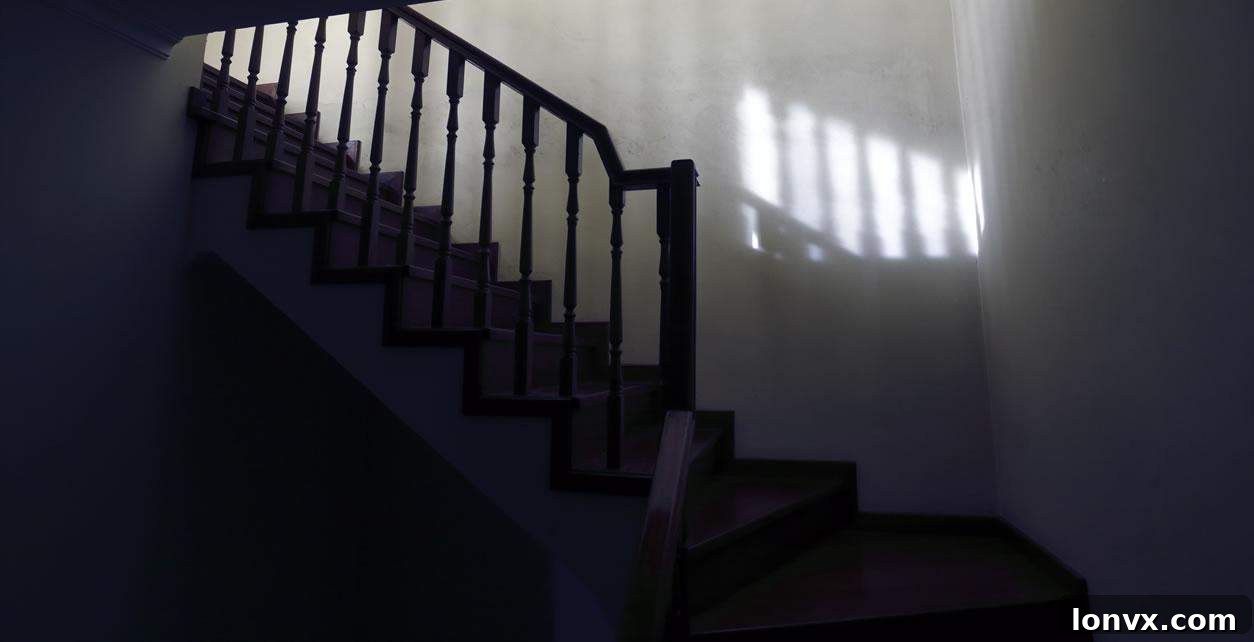
The Surrealtor Effect: Are Haunted Houses the Next Big Trend in Real Estate?
The real estate industry, traditionally grounded in tangible assets and market analytics, is surprisingly susceptible to shifts in popular culture. A compelling new drama series, The Surrealtor, set to premiere on the SYFY channel, is poised to introduce a fascinating concept that could significantly impact buyer perceptions and, consequently, real estate practices. The show centers on a brokerage specializing in selling haunted houses – properties that require more than just renovations and staging. They undergo paranormal investigations, séances, and even exorcisms, all in the quest to enhance their market value. While the idea of a “demon purge” as a property improvement strategy might seem far-fetched, the show’s potential to influence public opinion about the supernatural’s role in home buying is very real.
Featuring Emmy award-winning actors Tim Rozon and Sarah Levy, both acclaimed for their roles in Schitt’s Creek, The Surrealtor is guaranteed to attract a substantial viewership. Regardless of individual beliefs regarding the paranormal, a high-profile series like this has the power to normalize, or at the very least, popularize the notion that supernatural activity can indeed affect real estate transactions. Once this show gains traction, the pertinent question for real estate professionals may no longer be whether ghosts objectively exist, but rather whether potential buyers believe they do – and how those beliefs will shape their purchasing decisions. Are we witnessing the dawn of an era where spectral residents could potentially complicate or even define your next real estate deal?
Navigating the Evolving Landscape of Stigmatized Properties
For a niche segment of real estate agents, the concept of being a “surrealtor” is not new; it’s a lived reality. Many clients, particularly those within the New Age community, approach property transactions with a distinct set of concerns that transcend standard physical assessments. These buyers frequently seek explicit disclosure regarding a property’s purported haunted status and often demand information that goes far beyond what a conventional home inspection provides. Their inquiries might include details about past paranormal occurrences, the energetic imprints of previous inhabitants, or even documented instances of spectral presence.
It’s tempting for real estate professionals to dismiss the “otherworldly” concerns of a buyer interested in a so-called stigmatized property as mere superstition. However, in an industry founded on client trust, ethical conduct, and satisfying unique needs, is it truly appropriate to disregard such deeply held beliefs? Traditionally, a property is deemed “stigmatized” if its history includes events that might make it less appealing to potential buyers, such as a notorious crime, a tragic death, or other unfavorable incidents. But what happens when the “stigma” extends into the unseen, into the realm of the paranormal and unexplained?
The Surrealtor’s Cultural Impact: Redefining Real Estate Practices
A television series like The Surrealtor possesses the unique capacity to profoundly influence buyer behavior and expectations in the near future. It’s not difficult to envision a scenario where requests for “paranormal home inspections” become a standard part of the due diligence process. We might also see sellers being asked to provide “house-clearing certificates,” vouching for a property’s spiritual purity or its freedom from lingering energies. Could the term “vacant possession” soon take on an entirely new, ethereal meaning, implying not only the absence of previous human occupants but also disembodied ones?
This evolving cultural landscape forces a critical question upon the real estate profession: Where precisely do we draw the line? The industry has already, to varying degrees, integrated ancient belief systems and holistic practices. Feng Shui, the traditional Chinese practice of arranging environments to achieve harmony, and numerology, the study of the mystical relationship between numbers and life events, are increasingly common considerations in property sales. Engaging a Feng Shui master to optimize a home’s energy flow is generally regarded as a reasonable request and seldom jeopardizes a transaction. These practices are often seen as providing tangible benefits in terms of aesthetics and perceived well-being, and their impact is typically considered benign.
However, the leap to formally acknowledging and addressing explicit paranormal activity presents a more complex challenge. While current best practices often instruct agents to disclose known facts about a house purportedly being “haunted” in writing, beyond that, it often falls into the realm of “buyer beware.” But consider a property not officially recognized as stigmatized, yet one that elicits strong, unexplainable negative feelings from a potential buyer. If that client, despite the “bad vibe,” remains keen to make an offer, conditional on a house clearer, a psychic medium, and a paranormal investigator accompanying the standard home inspector – what then is the real estate agent’s course of action?
Such a scenario, once confined to the fringes of the market, could conceivably become more commonplace if a show like The Surrealtor ascends to the status of a cultural phenomenon. Recall the widespread cultural resonance of films like Ghostbusters; though comedic, they cemented the idea of professional ghost removal in the public consciousness. When fictional narratives about the supernatural become pervasive in mainstream media, the distinction between fiction and perceived reality often blurs, potentially reshaping public expectations and demands.
Embracing the Unconventional: The Realtor’s Dilemma and Emerging Opportunity
As a real estate professional operating within these evolving buyer expectations, an open mind and adaptive approach are becoming indispensable. From my own perspective, I am not opposed to facilitating any reasonable New Age or paranormal-related inspection at a property. This willingness, however, is contingent on clear parameters: the seller’s express agreement, a written definition of the inspection’s scope, and ensuring that any resulting conditions are not unduly unreasonable. Transparency and mutual understanding among all parties involved remain paramount.
Nevertheless, a significant challenge arises in distinguishing genuine client concern from potential influences stemming from popular television shows. How does one effectively differentiate between a buyer’s deeply ingrained spiritual belief and someone merely seeking to emulate a scene from their favorite new series? This distinction can be incredibly subtle and difficult to ascertain, yet realtors will increasingly be expected to address these concerns with professionalism and sensitivity.
Indeed, I contend that the “ghost” might well become the next “pest” that real estate agents must contend with – moving beyond metaphorical nuisances like arduous negotiations or volatile market fluctuations, to actual perceived paranormal presences. Are you, as a real estate professional, adequately prepared to potentially include “spectral activity” or “energetic clearances” as items on your property disclosure forms?
The Niche Market for Haunted Homes: A Surprising and Lucrative Path
Despite the seemingly daunting implications, there exists a compelling silver lining and a burgeoning opportunity for real estate agents who are willing to embrace the unconventional. The process of selling a stigmatized property, particularly one with a reputation for paranormal activity, presents a unique challenge that can also be profoundly rewarding. Not every potential buyer is deterred by a home with a history of unexplained phenomena; in fact, a growing demographic actively seeks out such properties. This represents a distinct, fascinating, and potentially lucrative niche market.
Operating as a “surrealtor” – specifically catering to clients seeking haunted homes, or those open to their possibilities – is a captivating endeavor. It necessitates a different set of marketing strategies, a deeper engagement with esoteric beliefs, and an ability to connect with a client base often underserved by traditional real estate services. This emerging market underscores the diverse desires within the property sector, demonstrating that significant value can be discovered in unexpected places, even within homes believed to be shared with the spectral.
Looking Ahead: The Future of Paranormal Real Estate and Professional Adaptation
Paranormal-themed television shows and movies have historically captivated audiences worldwide, yet their tangible effect on mainstream real estate practices has, until recently, remained minimal. However, a TV series that elevates spirit-slaying realtors and integrates paranormal investigation as a standard component of the sales process is undoubtedly poised to establish a new precedent. It will invariably heighten public awareness and, crucially, reshape buyer expectations.
Whether one personally subscribes to the belief in ghosts or not, one undeniable reality prevails: a significant portion of buyers already do, and my prediction is that this number will rapidly increase. The collective consciousness, powerfully shaped by media narratives and pervasive cultural phenomena, exerts a profound influence on market trends. As the perceived boundary between the conventional and the supernatural thins within popular culture, a parallel shift may well occur within our professional real estate practices.
Real estate agents must proactively prepare to adapt to a new paradigm where a property’s “energy,” its historical “vibe,” or its perceived paranormal history could become as critical a selling point or concern as its square footage, architectural style, or local school district. Happy Halloween indeed, but more importantly, happy adapting to the spectral and evolving shifts that are beginning to manifest within the housing market!