Faiz Abhuani: Pioneering Social Change Through Innovative Community Housing in Montreal
In the vibrant and diverse city of Montreal, one individual is redefining the role of real estate, transforming it from a mere transaction into a powerful catalyst for positive social change. Faiz Abhuani, a dedicated broker with Royal LePage Heritage, leverages years of experience in the community sector and a profound love for real estate to champion affordable housing solutions. His brainchild, Brique par brique, a non-profit organization, stands as a testament to his vision, working tirelessly with grassroots community groups to develop crucial housing for low-income tenants who often face systemic discrimination in the rental market.
Faiz Abhuani, a visionary leader in Montreal’s community housing sector.
The Genesis of Brique par brique: A Dream for Community-Driven Housing
The journey of Brique par brique began in 2016, born from Faiz Abhuani’s deep-seated desire to address the pressing need for accessible housing. He reached out to former college friends, sharing his ambitious dream of creating community housing projects that would truly serve their residents. Abhuani passionately believes that these projects are not just about providing shelter; they are potent instruments for social transformation because they are conceptualized, managed, and sustained by and for the very residents they serve. This grassroots approach fosters a strong sense of ownership, belonging, and empowerment within the community.
While many of his peers recognized the immense potential of his idea, Abhuani encouraged them to move beyond mere approval and actively invest in this groundbreaking initiative. His unwavering commitment to this cause laid the groundwork for an organization dedicated to making a tangible difference in the lives of Montreal’s most vulnerable populations. Brique par brique’s core mission is elegantly simple yet profoundly impactful: to assist individuals from all walks of life in finding a place they can truly call home. This encompasses providing expert real estate guidance to homeowners across the greater Montreal area and, crucially, developing community housing solutions for low-income tenants, ensuring everyone has a fair chance at securing stable, dignified housing within supportive, creative communities committed to positive change.
Addressing Montreal’s Affordable Housing Crisis with Innovative Solutions
Montreal, like many major metropolitan areas, has witnessed significant demographic shifts and economic growth, leading to a substantial increase in property values since 2005. This boom, while indicating economic vitality, has inadvertently created a challenging environment for tenants, pushing affordable housing further out of reach for many. Abhuani highlights the “negative impact” that rapid gentrification can have, where the increasing desirability of an area makes it less accessible for long-term residents and low-income families. This escalating cost of land also poses significant hurdles for government programs attempting to establish new affordable housing projects.
In response to these systemic challenges, Brique par brique has adopted an innovative financing model: community bonds. Abhuani recognized a critical “problem around financing” and proposed community bonds as a sustainable solution. This approach allows individuals to invest directly in local development projects, earning a return while simultaneously contributing to a social cause. This impact investment product has gained considerable traction over the last decade, reflecting a growing desire among investors to align their financial decisions with their social values. By offering community bonds, Brique par brique taps into a network of socially conscious investors, sidestepping some of the traditional financing obstacles and empowering the community to directly fund its own future.
The Landmark Parc-Extension Project: A Blueprint for Inclusive Development
A cornerstone of Brique par brique’s efforts is its first ambitious project in Parc-Extension, a culturally rich and ethnically diverse neighborhood located in the northeast sector of downtown Montreal. In 2018, the organization successfully issued community bonds to help finance this pivotal development. The project entails the transformation of a 12,000-square-foot lot, formerly home to a paint factory, into a modern, inclusive residential complex. While the former factory is slated for demolition this year, the new housing units are projected to be completed by 2023, promising a brighter future for dozens of families.
This development is meticulously planned to offer 30 thoughtfully designed one, two, and three-bedroom units. Beyond mere structures, the project embodies a holistic vision for community living, integrating a wide array of amenities and support services. Development plans include spacious, well-maintained apartments, ensuring a high quality of life for residents. Crucially, several units will be wheelchair accessible, promoting inclusivity and catering to diverse needs. The complex will boast ample green spaces, providing residents with tranquil environments for relaxation and recreation, complemented by a dedicated playground for children and a vibrant community garden, encouraging sustainable living and neighborly interaction. Further enhancing community well-being, the project will incorporate a food bank, childcare support services, and essential multilingual translation services, covering languages such as Greek, Urdu, Hindi, Creole, French, and English, reflecting and serving the rich tapestry of Parc-Extension’s population. Residents will also benefit from direct access to municipal recreational facilities, ensuring opportunities for active and healthy lifestyles. These integrated features underscore Brique par brique’s commitment to creating not just housing, but thriving, supportive ecosystems.
Faiz Abhuani’s Transformative Journey: From Burnout to Brokerage
Abhuani readily admits that his entrepreneurial path has been anything but smooth. Reflecting on the initial challenges, he candidly states that had he fully comprehended the arduous nature of the journey, he might not have embarked upon it. “I didn’t have any real estate or business background,” he explains, highlighting the steep learning curve he faced. Despite his unwavering dedication to effecting positive change, the immense pressure led to burnout, leaving him questioning his capacity to undertake another project, even with a strong desire to build sustainable housing.
A pivotal moment arrived when colleagues from a sister organization in Toronto, the Parkdale Community Land Trust, offered invaluable advice. They suggested that Abhuani become a licensed real estate broker, enabling him to offer paid services that could then subsidize his vital community work. This strategic shift proved transformative. Six months prior to this revelation, he successfully obtained his real estate license, embarking on a dual mission. “I wanted to bring people together in an inclusive development project and just fell in love with real estate,” he recounts. “That’s when I decided to get my license and help everyone improve their living situation.” Now, as a licensed broker, Abhuani skillfully assists homeowners, channeling the proceeds from his brokerage work directly back into supporting his local community’s critical housing needs. This innovative model demonstrates a powerful synergy between commercial enterprise and social advocacy, ensuring that his passion for real estate directly fuels his philanthropic endeavors.
Housing as the Cornerstone of Social Empowerment and Dignity
For Faiz Abhuani, the provision of safe, decent, and affordable housing is not merely a social service; it is the most impactful way to empower individuals and instill confidence. He firmly asserts, “No one should be left out.” Abhuani, a Montreal native who grew up traversing every borough and graduated from McGill with a fervent desire to “change the world,” ultimately realized that “changes start from within me and my communities.” This personal epiphany fuels his belief that housing has an unparalleled impact on poverty reduction. When people have stable, affordable housing and reside in communities where they feel genuinely supported—whether through religious affiliations, sexual orientation inclusivity, or services for those with disabilities—they gain the stability necessary to pursue training, secure meaningful employment, and actively participate in civic life, thereby reducing dependency and fostering true independence.
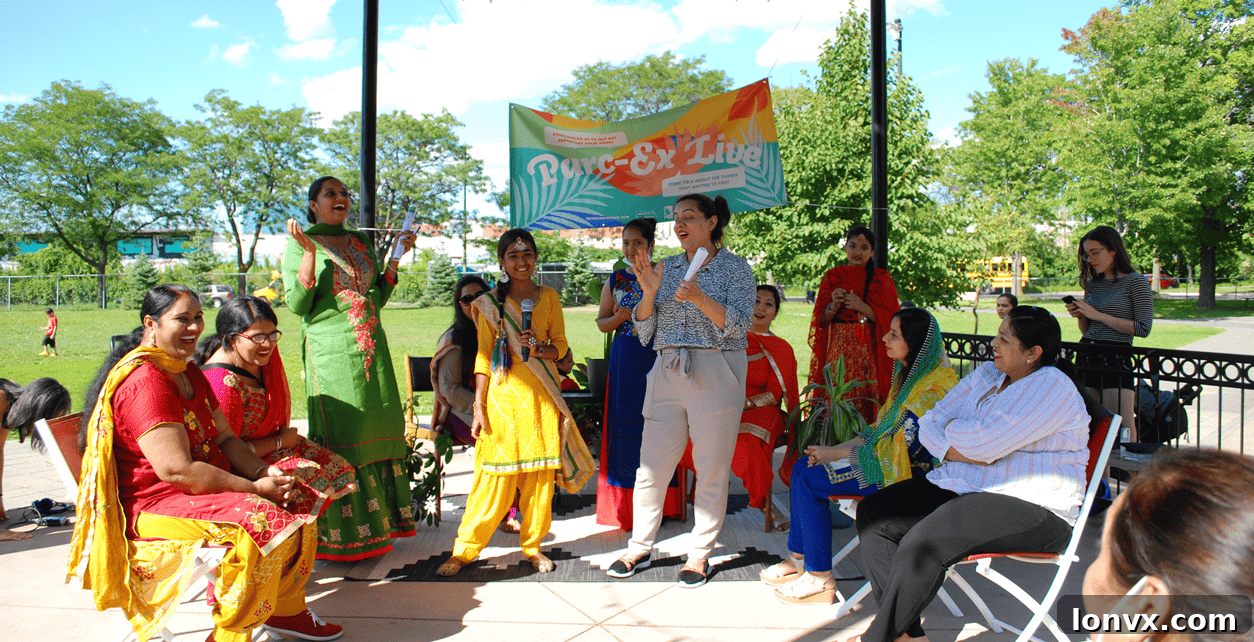
Brique par brique’s commitment extends beyond mere construction. In a testament to their holistic community approach, the organization actively delivers essential supplies such as masks and food baskets. Furthermore, it facilitates crucial workshops designed to support immigrant women and other vulnerable individuals in integrating seamlessly into Quebec society. Abhuani describes this multifaceted engagement as “fun,” highlighting the joy he derives from fostering community well-being in every possible dimension.
Strategic Partnerships and Collaborative Success
Brique par brique’s success is a testament to the power of strategic partnerships and collaborative efforts. Abhuani emphasizes their close collaboration with various community stakeholders, including “women’s groups, who get the community excited about a project,” and “tenants rights groups who do advocacy.” These alliances are instrumental in building public support, ensuring resident voices are heard, and advocating for long-term infrastructure that drives social change.
The acquisition of the Parc-Extension site itself exemplifies this collaborative spirit and a stroke of serendipitous timing. Abhuani recounts how, despite extensive prospecting, Brique par brique initially could not afford the desired land. Fortuitously, shortly after their inception, a progressive city hall came into power in Montreal, pledging to deliver 12,000 new housing units and actively seeking solutions in an “effervescent” market. Unbeknownst to Brique par brique, the city was also eyeing properties in the same area. A persistent tenants’ rights group had been lobbying the city to intervene in the neighborhood, ultimately leading the city to purchase the former paint factory site. With no immediate plan for its use, and recognizing Brique par brique’s mission, the city made the remarkable decision to sell the land to the non-profit at a significant loss. “Now we could afford it,” Abhuani explains, highlighting how this crucial partnership enabled their flagship project to proceed.
A Call to Action for Real Estate Professionals
Faiz Abhuani’s journey with Brique par brique offers a compelling model for how real estate can serve as a powerful vehicle for social good. He encapsulates his philosophy by stating, “As a developer, we do only social housing. As a broker, I work with a variety of people. As a broker, you have power. Use that power for good.” This dual approach allows him to sustain his social mission while contributing to the broader real estate ecosystem.
For other real estate professionals who feel inspired to make a meaningful difference within their communities, Abhuani extends a warm invitation to connect with him on Facebook. He expresses his genuine willingness to share his experiences, insights, and offer guidance to those looking to integrate social impact into their real estate careers. His story is a powerful reminder that with dedication, innovative thinking, and a commitment to community, the world of real estate can be a profound force for positive, lasting change.