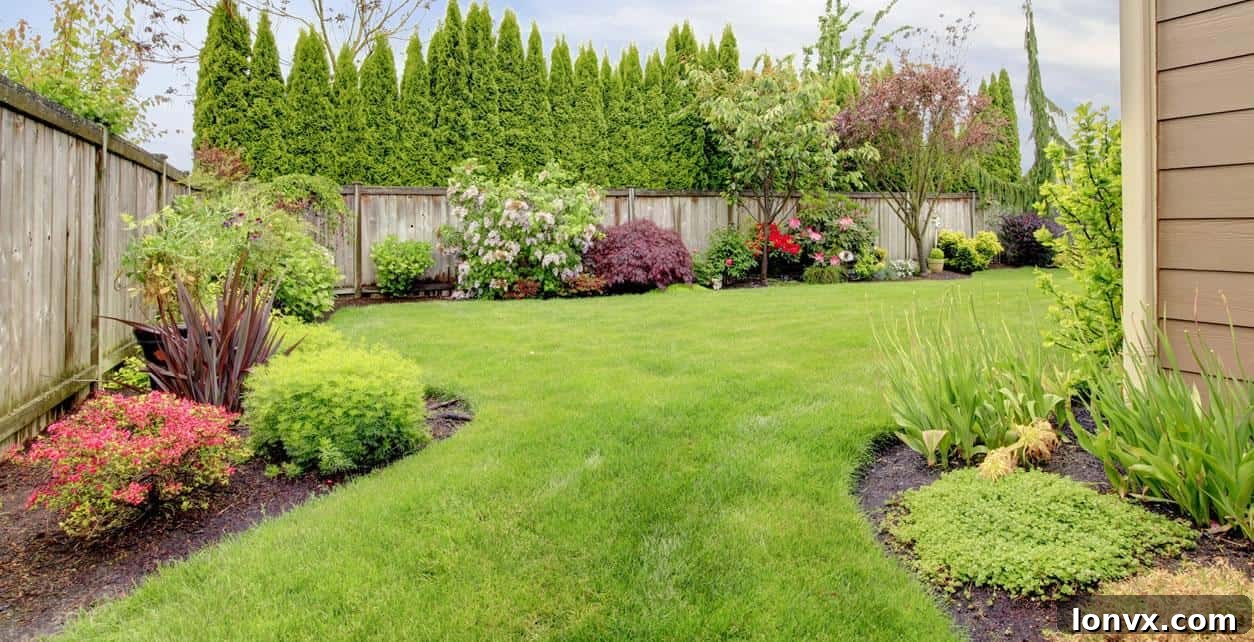
In the quiet corners of our suburban homes, gardens often stand as living canvases, chronicling not just the passage of seasons but the very ebb and flow of family life. They are spaces of growth, transformation, and memory, evolving alongside us. My family’s garden was no exception, a vibrant narrative that shifted its form and function over decades, ultimately settling in a place far removed from its humble beginnings.
The earliest memories of our garden place it at the furthest reach of our family’s property, nestled comfortably along the rear fence. This verdant patch sat directly opposite the sturdy, single-car garage – a sentinel of time that still stands almost sixty years later, bearing the honourable marks of wear. In those nascent years, this dedicated cultivation space occupied approximately a quarter of our expansive fenced backyard, a perfectly proportioned plot for a burgeoning family’s needs and aspirations.
The Genesis: A Patch of Childhood Dreams
This initial garden plot was a sanctuary for dependable perennials, a testament to nature’s resilience and Dad’s practical wisdom. It was home to robust raspberry bushes, their thorny canes laden with sweet, jewel-toned fruit, and sprawling rhubarb plants, whose broad leaves and tart stalks returned with unwavering enthusiasm year after year. For us children, my sisters and I, these bountiful plants offered an immediate, visceral connection to nature’s larder. We would pluck raspberries directly from the canes, their warmth still lingering from the sun, and bite into fresh rhubarb, a delightful tang on our tongues, long before any of it was harvested, processed, and preserved as frozen rhubarb for winter enjoyment. While my recollections are largely dominated by these two prolific crops, I’m certain my father, with his inherent green thumb, cultivated a broader array of produce, the details of which have softened with the gentle passage of time.
This phase of our family garden was characterized by an almost rustic charm, a hands-off approach that allowed nature to take a significant lead. The simplicity of its offerings belied the deeper lessons it imparted: the cyclical rhythm of growth and harvest, the unparalleled taste of homegrown food, and the sheer joy of unadulterated play amidst the foliage. It was more than just a place to grow food; it was a sensory playground, fragrant with the scent of sun-warmed earth and ripe fruit, a constant invitation to explore and connect with the natural world right outside our back door.
A Green Expansion: When Farming Roots Took Hold
As time progressed and our family’s needs evolved, so too did the garden. What began as a modest plot soon expanded dramatically, stretching its boundaries all the way to the garage. This significant enlargement transformed a considerable portion of our backyard into an impressive agricultural canvas. It was during this period that Dad’s inherent “farming roots” truly flourished, guiding his hands and vision. I vividly recall the annual transformation of the backyard into an organized grid of bounty: neat rows of potatoes, promising a subterranean treasure; towering tomato plants, heavy with ripening fruit; crisp leaf lettuce, vibrant and tender; and a delightful variety of other seasonal vegetables that sprung to life each summer.
For us kids, this expansive garden became an extension of our play area, albeit one now strategically “impeded” by neat rows of burgeoning plant life. While I’m fairly certain that weeding was one of my designated childhood chores – a task often met with the usual youthful resistance – I more distinctly remember playing intricate games amidst the cool shade of cucumber vines and the pungent aroma of onion patches. Onions, in particular, never quite earned my culinary affection, and I confess to occasionally “accidentally” stomping a few of them like grapes, a mischievous act of defiance against their unwelcome presence on my dinner plate. Yet, with an almost defiant resilience, those very onions always seemed to survive my playful assaults, making their inevitable journey from the earth to the dinner table, a persistent reminder of the garden’s enduring purpose.
This larger garden was a hub of activity, a vibrant heart pulsing with the energy of cultivation and harvest. It was a place where we learned patience watching seeds sprout, where we understood the value of hard work, and where we savored the freshest produce imaginable. The scent of freshly turned earth, the hum of busy bees, and the sight of Dad tending to his beloved plants became indelible parts of our summer soundtrack, weaving themselves into the fabric of our family’s collective memory. It was a period of abundance, marked by the simple, profound joy of eating directly from the land, connecting us deeply to the cycle of life and growth.
Shifting Landscapes: Adapting to Family Needs
Inevitably, as we children grew older and our family’s practical requirements changed, the garden underwent another significant metamorphosis. The increasing necessity for a second car meant that the vast, productive expanse of the old garden needed to yield to the demands of modern suburban life. Consequently, the entire garden operation was relocated, finding a new home closer to the main house, almost brushing against the wall of the garage. This new configuration saw the garden transform into an distinctive L-shape, embracing a fresh aesthetic and purpose.
This new, more compact, and strategically placed garden also introduced a wider array of “newer and more exotic” vegetables into our family’s culinary repertoire, most notably the prolific zucchini, which quickly became a summer staple. Beyond edibles, this iteration of the garden embraced a more ornamental quality, featuring a separate, meticulously maintained flower bed, vibrant pinwheels twirling in the breeze, and a whimsical collection of garden gnomes, whose numbers seemed to rival those found in an enchanted forest. The space previously occupied by the expansive garden was not left fallow; it was efficiently paved over, creating a practical open parking pad. Adjacent to this, a lean-to was hastily constructed, a handyman’s temporary shelter that, true to its name, always looked as though it were on the verge of “leaning” a little too far.
The relocation marked a shift not just in the garden’s physical presence but also in its symbolic role. While still a source of sustenance, it began to embody a blend of practicality and personal expression. The flowers added a touch of beauty, the gnomes a touch of whimsy, and the smaller scale perhaps reflected a subtle acknowledgment of changing capacities and priorities, yet the core essence of growth and connection to the earth remained profoundly intact, adapting gracefully to the evolving landscape of our family life.
The Enduring Spirit: Battling Time and Trials
In its new L-shaped dwelling, the garden continued to flourish, gracing us with both staple crops and towering wonders. Sunflowers, their faces tracking the sun, and corn stalks, rustling with the promise of sweet kernels, became regular fixtures in our seasonal growings. Yet, this more accessible location also brought its own set of challenges, primarily in the form of persistent local wildlife. The constant battle against hungry rabbits and other garden pests necessitated creative solutions, leading to the construction of elaborate wire fences, often ingeniously nailed to old, broken hockey sticks – a testament to Dad’s resourceful and quintessentially Canadian ingenuity.
As the years progressed, so did Dad’s journey with health. After a couple of significant hip operations and the eventual onset of Parkinson’s disease, maintaining such a sprawling and demanding beast of a garden became an increasingly arduous task. The physical toll was undeniable, yet his unwavering spirit and deep-rooted love for the earth somehow ensured that maintenance, though difficult, did occur. Each season, with determined effort, radishes and peas would sprout anew, making their way from the soil to our dinner table, a poignant symbol of persistence and a quiet triumph over adversity. The garden, in these later years, was not just a source of food; it was a profound demonstration of Dad’s indomitable will and his enduring connection to the rhythm of life and growth, even as his own physical capacities waned.
The garden, at this stage, was more than just a hobby; it was a deeply ingrained ritual, a source of solace and purpose for Dad. Despite the pain and the tremors, he found strength in tending to the soil, in nurturing life from tiny seeds. His commitment was inspiring, a silent lesson in resilience for all of us. The freshly pulled radishes, crisp and peppery, and the sweet, tender peas became infused with the essence of his effort and love, making every meal from the garden a deeply meaningful experience, a cherished part of our family’s seasonal celebrations.
A Shared Harvest: Community and Continuity
As Dad’s health challenges continued to mount and the sheer scale of the garden became harder for him to manage and care for single-handedly, a thoughtful solution emerged. A neighbor, observing Dad’s dedication and the garden’s bounty, was invited to share in the space, cultivating a few rows of vegetables for their own family’s enjoyment. This act of sharing not only lightened Dad’s load but also fostered a beautiful sense of community and shared purpose around the land.
Despite the physical difficulties, Dad’s passion for the garden never waned. Even with the assistance of a walker or forearm canes, his determination remained fierce. He would still venture out into the soil, his trusty tools in hand, carefully digging out weeds and ensuring that his long-standing favorite items continued to be pulled directly from the ground. These were not just vegetables; they were connections to his past, to his identity as a provider and a cultivator. The image of him, bent over the earth, supported by his aids, yet still finding the strength to tend his beloved plants, is etched into our memories as a powerful testament to his enduring spirit and the profound, almost spiritual, bond he shared with his garden. It was a bittersweet period, watching him struggle, yet simultaneously witnessing the unyielding strength of his connection to the natural world and the life he nurtured.
The Quiet Aftermath: A Garden’s Gentle Slumber
When Dad passed away last year, a profound silence descended upon the garden. The immediate hope, born of both sentiment and practicality, was that some of the mainstay favorites, those resilient perennials and self-seeding annuals, would continue to produce, a living legacy of his tireless efforts. However, the neighbor who had so graciously shared the space, perhaps sensing the shift in the garden’s soul, gradually lost interest. And for Mom, managing such a large and demanding space on her own, especially after decades of Dad’s meticulous care, proved to be an overwhelming undertaking.
In an effort to keep the garden alive, we made an attempt to roto-till the soil once, hoping to prepare it for new growth. Yet, with Dad’s guiding hand absent, the weeds, relentless and opportunistic, returned with a speed and vigor that far outpaced the tender rhubarb shoots. A second, more desperate attempt was made: large tarps were laid down across the entire area. While this was undeniably an unsightly solution, a practical concession rather than a verdant vision, it did, for the duration of the past summer, effectively contain the unwanted growth, holding the encroaching wilderness at bay. The garden, once a vibrant hub of life and activity, now sits in a state of quiet contemplation, a landscape of muted colors beneath the tarps, patiently awaiting its next chapter.
Echoes of a Legacy: The Garden’s Gentle Slumber
Given its past migratory patterns, one could almost imagine the garden, if granted a few more seasons, eventually ending its journey in the front yard, boldly presenting its bounty to the street. For the foreseeable future, however, this cherished family space will sit idle, most likely dormant, a quiet testament to a legacy paused. Its once vibrant rows, filled with the promise of harvest, now hold only the echoes of laughter, the memory of diligent hands, and the enduring love of a family. It is a poignant reflection that, truly, this remarkable journey of cultivation and connection did not end where it began, but rather, transformed and adapted, leaving an indelible mark on the landscape of our memories.
“A backyard is a novel about us, and when we sit there on a summer day, we hear the dialogue and see the characters.” – Garrison Keillor, Leaving Home (1987)