In December 2022, the BC Assessment Authority delivered news that sent ripples through communities across British Columbia: homeowners should brace for a significant increase in their 2022 property tax assessment values, with projections ranging from five to 15 percent province-wide. This announcement, while a standard annual occurrence, carried particular weight given the unique economic climate.
On the very day of this province-wide declaration, BC Assessment initiated the mailing of advance notice letters. These crucial communications were dispatched to property owners whose individual assessments soared considerably higher than the average increase within their respective jurisdictions, signaling a potentially steep hike in their forthcoming property tax obligations.
It’s vital for every homeowner to grasp a fundamental principle of property taxation: a yearly increase in a property’s assessed value does not automatically translate into a proportional increase in property taxes owed. This outcome typically occurs only if your property’s valuation growth surpasses the average value change observed for similar properties within your specific jurisdiction and property class. Understanding this distinction is key to interpreting your assessment notice accurately.
Understanding BC Property Tax Assessments: What Homeowners Need to Know
Property assessments in British Columbia are a critical component of local government finance, determining how much homeowners contribute to essential public services. The BC Assessment Authority is tasked with valuing properties across the province annually, reflecting a snapshot of market conditions as of July 1st each year. These valuations are then used by municipalities and regional districts to calculate property taxes, which fund vital services such as education, healthcare facilities, policing, road maintenance, and libraries.
The recent announcement of a five to 15 percent increase in assessed values for 2022 generated widespread discussion among property owners. While some homeowners might view a higher assessment as a positive indicator of increasing wealth, it also brings the potential for higher tax bills. It underscores the importance of understanding not just the numbers on your assessment notice, but also the broader implications for your household budget and long-term financial planning.
A Closer Look at a Steep Increase in Assessed Value for Manufactured Homes
The general increase percentages announced by BC Assessment only tell part of the story. For some property owners, the reality has been far more dramatic. We recently encountered a valued client who received one of these early warning letters, revealing a staggering 54 percent increase in their 2022 taxation value. This figure stands in stark contrast to the draft 18 percent average increase projected for Jurisdiction 727, encompassing the Williams Lake Rural area.
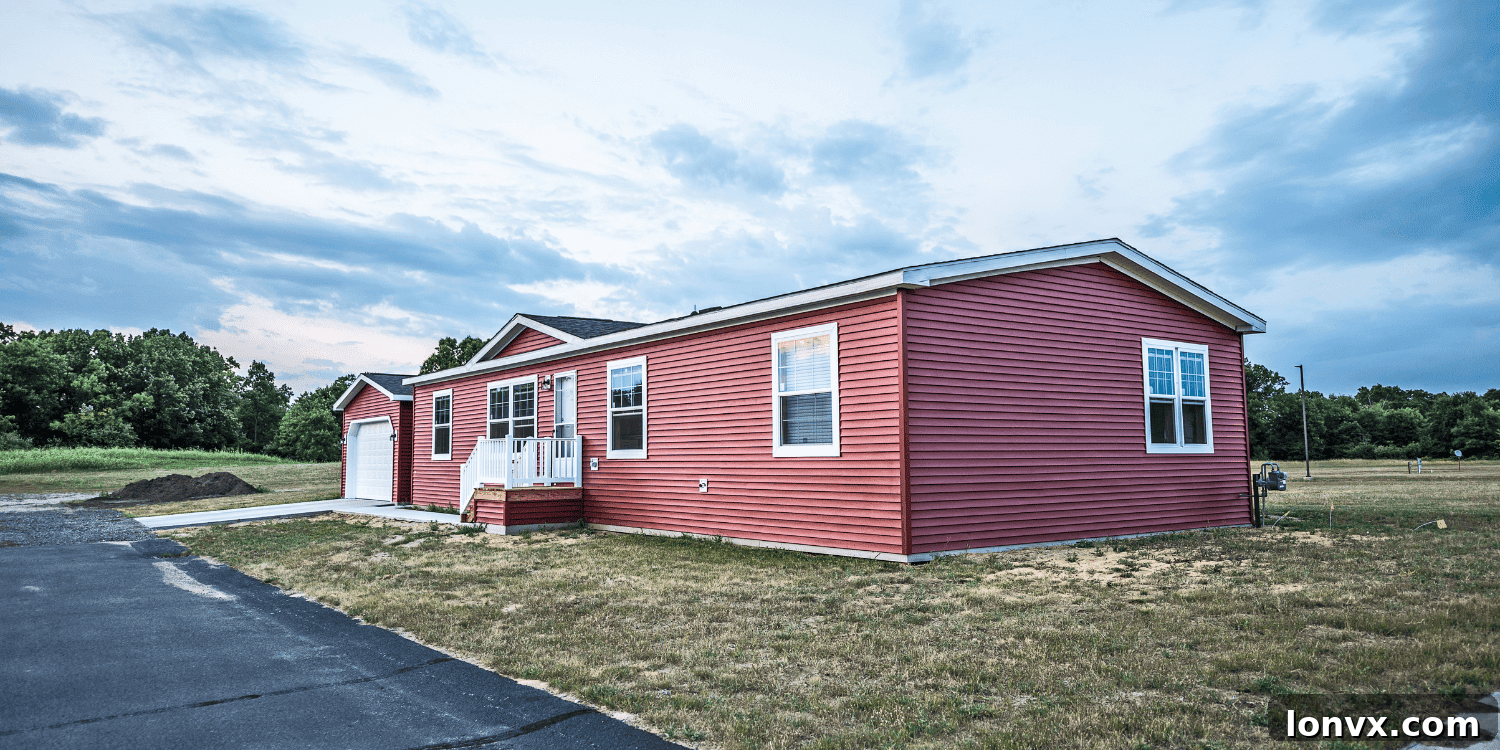
This substantial jump immediately raised eyebrows. The property in question is a picturesque 10-acre rural parcel, boasting desirable riverfront access and featuring a single-wide, two-bedroom mobile home manufactured in 1995. Given the premium often associated with waterfront properties, one might instinctively conclude that the lion’s share of this dramatic valuation increase would be attributed to the valuable land component.
However, that assumption would be incorrect. In a surprising turn, further investigation revealed that the predominant portion of the assessed 2022 value increase was levied directly on the manufactured home itself, not the sought-after riverfront acreage. This unexpected allocation of value sparked a deeper inquiry into the assessment methodology for manufactured homes.
To put this into perspective, a 27-year-old mobile home, which was assessed at $55,400 in 2021, suddenly saw its valuation skyrocket to $116,000 for 2022. This represents an astounding $60,600 increase year-over-year. What makes this even more perplexing is that in 2021, BC Assessment had actually devalued the mobile home by $1,700, even as the land value saw an increase. Such a dramatic reversal and acceleration in value within a single year warrants a thorough explanation and raises questions about the long-standing perceptions of manufactured home values.
The Surprising Rise in Manufactured Home Values: A New Trend
A valuation increase of this magnitude on an older manufactured home in a single year demanded an explanation. Our client, after receiving the advance notice letter, promptly contacted BC Assessment’s appraisers as advised. During their conversation with a BC Assessment Authority representative, our client was informed that their situation was not isolated; they were among a multitude of manufactured home owners across the province who would experience a significant increase in their 2022 dwelling assessment value.
This revelation marked a significant departure from our client’s previous experiences and the widely held conventional wisdom regarding manufactured homes. Having owned several older mobile homes on acreages in BC throughout their lifetime, our client’s consistent experience had always been a gradual, year-over-year depreciation in the value of their manufactured dwellings. This trend held true even after investing in renovations and improvements, which typically yield appreciation in conventional housing.
Historically, a perceived drawback to owning a manufactured home has been its questionable long-term value appreciation, often seen as a depreciating asset akin to a vehicle rather than a appreciating real estate investment. This perception is precisely why many potential homeowners have traditionally been hesitant to consider manufactured homes as a primary investment or long-term housing solution.
Despite these historical perceptions, it’s important to recognize the inherent quality of modern manufactured homes. These dwellings are factory-built to stringent Canadian Standards Association (CSA) standards, ensuring structural integrity and safety. When properly installed with features like rodent-proof insulated skirting, occupied year-round, and subjected to consistent annual maintenance and timely re-roofing, manufactured homes can remain structurally sound and comfortable for many decades.
Nevertheless, even with diligent care and maintenance, the perceived longevity, mortgageability, and equity-building capacity of a manufactured home typically fall short when compared to a conventional stick-built home constructed on a permanent foundation. This disparity has historically shaped how lenders, insurers, and the broader real estate market have valued these types of properties, making the recent assessment increases all the more perplexing.
Navigating the Long-Term Value and Financial Realities of Manufactured Homes
The financial landscape for manufactured homeowners presents unique challenges, particularly as dwellings age. Once a manufactured home reaches approximately 25 years of age, it generally ceases to qualify for an insurable mortgage through institutions like the Canada Mortgage and Housing Corporation (CMHC). This significantly narrows the pool of available lenders. Those willing to provide financing for older manufactured homes typically demand a much larger down payment, often 20 percent or more, with terms heavily contingent on the determined remaining economic life of the dwelling.
The current phenomenon of manufactured homes exceeding 25 years in age drastically increasing in assessed taxation value – with some even surpassing the assessed values of conventionally built homes in the same neighborhood – is an unprecedented development. This trend challenges established financial models and historical market behaviors for this housing segment. It’s a shift we simply haven’t witnessed until the current market conditions.
It’s crucial for all homeowners, and particularly those with manufactured homes, to understand the distinction between their BC Assessment value and a market appraisal value. While BC Assessment utilizes a specific snapshot of jurisdictional market values and comparable property sales to determine your property’s taxation value, this assessment value alone cannot be used as an accurate gauge of your property’s current market value for lending purposes. Lenders and financial institutions base mortgage and equity loan applications exclusively on current market appraisal values, which are derived from independent evaluations reflecting real-time market conditions and the specific characteristics of the property.
In April of the previous year, BC Assessment reported that less than two percent of property owners contested their 2021 assessments. The Authority attributed this low contestation rate to the perceived correctness and fairness of their evaluation processes. However, a deeper analysis might reveal additional contributing factors for this seemingly low rate of appeals.
The Broad Impact on Homeowners and the Unseen Forces at Play
While BC Assessment suggests fairness in their process, the low contestation rate could also be attributed to other powerful motivations. A growing number of homeowners, particularly in a period of booming real estate, might have welcomed a higher valuation. For some, this increase represents a perceived boost in personal wealth, providing an opportunity to leverage their property’s equity for loans, renovations, or other investments. For others, particularly those planning to sell their homes in the near future, an increased valuation could serve as a valuable tool to support a higher asking price in the competitive market.
However, the unprecedented, top-of-cycle demand that fueled significant market price increases through 2021 and into early 2022 has largely dissipated. Despite this cooling trend in the broader market, the lingering effects of these high assessments will continue to disproportionately affect the over 180,000 households living in manufactured homes across British Columbia. Many of these residents are seniors and low-income earners who are already grappling with the crushing pressures of escalating energy costs and food inflation. The impending increase in rural property taxes, driven by these high assessments, could force mobile homeowners to pay substantially higher taxes for many years to come, particularly if an uncontested overvaluation is left unaddressed. This creates a significant affordability crisis for a vulnerable demographic.
Delving Deeper into Reasons for Increases in Assessed Value
Beyond the specifics of individual property types, there’s a broader economic context driving these assessment increases. The most logical and overarching reason for the general increase in 2022 tax assessments is the profound impact of a 40-year inflationary spike. This inflation has dramatically increased the operating costs required to provide fundamental public services that every citizen relies upon. These essential services include hospitals, schools, libraries, policing, and critical road maintenance infrastructure.
Your rural property taxes are not only instrumental in funding these immediate services but also play a crucial role in supporting the Municipal Finance Authority (MFA). The MFA is a provincial agency that provides financing and investment services to local governments and other public bodies in British Columbia. By consolidating borrowing, the MFA ensures that local governments can secure lower interest rates when they need to borrow money for major infrastructure projects or other municipal needs, ultimately benefiting the entire community.
Ironically, while manufactured homeowners will now be burdened with significantly higher property taxes due to increased assessments, many may find themselves in a precarious financial position. Due to long-standing regulatory lending policies that continue to deem manufactured dwellings as “sub-par” or less stable assets compared to conventional homes, these homeowners may be unable to secure refinancing themselves at affordable interest rates. This creates a stark and unfair disparity: they contribute more to the system but are simultaneously hindered by it when seeking personal financial relief, exacerbating their struggle for housing affordability and financial stability.
Future Considerations for Manufactured Home Ownership in BC
Given these evolving market dynamics and assessment shifts, it is imperative for real estate professionals and prospective buyers to approach the purchase of a manufactured home on a lot or acreage with a comprehensive understanding of the associated complexities. Going forward, any client considering such an investment will need to fully grasp that while the dwelling’s value for taxation purposes may experience upward revisions, its market value might, at the same time, depreciate at a much faster rate than a traditional dwelling. This creates a challenging paradox for equity building and long-term investment strategy.
Furthermore, securing financing, refinancing options, and even comprehensive insurance policies for manufactured homes, particularly older models, is likely to become increasingly challenging in the future. Lenders’ stringent criteria and the unique risk profiles associated with these properties demand a heightened level of due diligence from all parties involved. This includes understanding the specific terms, interest rates, and down payment requirements that apply to manufactured home mortgages, which can differ significantly from those for conventional homes.
It is crucial for real estate advisors to proactively share their extensive knowledge and insights to empower clients to make informed and educated decisions. This involves a thorough discussion about the property’s current market standing, its future longevity, and its potential investment value. A prudent investment decision requires a meticulous evaluation where the “pros” unequivocally outweigh the “cons” to justify the expenditure of hard-earned dollars. Factors such as the home’s age, condition, foundation type, land tenure, accessibility to services, and the specific nuances of the local market for manufactured homes must all be carefully weighed against the purchase price and ongoing costs, including the potentially increasing property taxes.