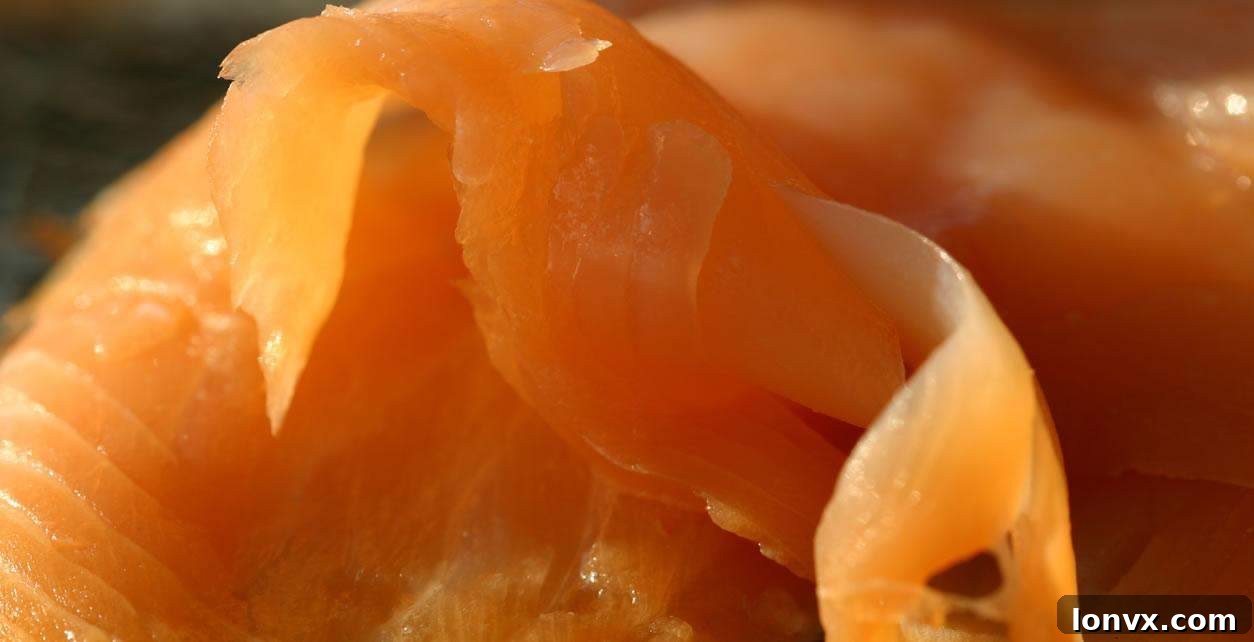
Master the Art of Poaching Salmon: Gourmet Recipes for Whole & Centre Cut Fillets
The culinary world offers countless ways to prepare salmon, but few methods truly celebrate its delicate texture and rich flavor quite like poaching. This guide delves into two distinct yet equally impressive salmon preparations: a magnificent whole oven-poached salmon, perfect for grand gatherings, and an elegant ‘painted’ salmon cooked en papillote, ideal for a refined individual serving or intimate dinner. Whether you’re a seasoned chef or a home cook looking to elevate your repertoire, these recipes promise moist, flavorful, and unforgettable results.
A Culinary Journey: Sharing Food and Friendship
My passion for cooking, particularly for friends, truly blossomed in the early ’80s. I recall a delightful occasion when a dear friend from England, not a cook herself, approached me with an exciting proposition: if she and her husband sourced a whole salmon from the vibrant St. Lawrence Market, would I be willing to transform it into a culinary masterpiece for their party? I was, of course, absolutely thrilled by the request.
That particular event, though the exact reason escapes me now, evolved into an unforgettable celebration. We were a wonderfully diverse group, a tapestry of cultures from around the globe, each contributing their unique flavors and traditions. It was a remarkable food learning experience, as every couple proudly showcased their native cuisines: Jamaican, Barbadian, and other vibrant Caribbean dishes; Croatian delicacies, South African specialties, rich Indian curries, hearty German fare, and classic English treats. This exchange of culinary heritage, shared amidst laughter and camaraderie, truly enriched our palates and our friendships. Beyond the star attraction – the whole poached salmon – I also meticulously prepared my own St. Jacques Coquille on the half shell, a significant undertaking for such a large gathering, but ensuring there was an abundant supply for everyone. Transporting these delicate dishes always presented a unique challenge, but the joy of sharing made every effort worthwhile.
Unveiling the Secrets of Whole Oven Poached Salmon with Winzertanz
Poaching is a gentle cooking method that ensures salmon remains incredibly moist and tender, perfectly suited for a whole fish presentation. This recipe, inspired by European traditions, incorporates Winzertanz – a delightful dry white wine that infuses the salmon with subtle fruity and aromatic notes. The result is a truly show-stopping center-piece, elegant and packed with delicate flavor. This recipe is designed for a sizable salmon, typically weighing around 6-7 pounds, ideal for feeding a generous party.
Essential Ingredients for Poaching Perfection
- Whole Salmon: Approximately 6-7 pounds, head and tail on. Ensure your fishmonger has descaled it for you.
- Broth: Enough mild homemade chicken broth to completely cover the fish (approximately 8-10 cups for a 6-7lb fish). Homemade broth offers unparalleled flavor and avoids excess sodium.
- Winzertanz (or Dry White Wine): 4-6 cups, depending on fish size. A crisp Riesling, Pinot Grigio, or Sauvignon Blanc would be excellent alternatives.
- Aromatics:
- 1 bay leaf
- 2 stalks fresh carrots, roughly chopped
- 2 stalks celery, roughly chopped
- ¼ white Spanish onion, quartered
- 1 sprig fresh dill
- A couple of whole cloves
- Seasoning:
- Salt (to taste, for both fish and poaching liquid)
- Freshly ground peppercorns (to taste)
- A pinch of dried thyme
- 2 lemons, quartered
- A few capers (for added brininess)
Step-by-Step Poaching Method
- Prepare the Salmon: After confirming it’s descaled, rinse the whole salmon thoroughly under very cold running water, both inside and out. Pat it dry with paper towels. Season the fish generously inside and out with salt and a little fresh ground pepper.
- Line the Poaching Pan: Select a poaching pan that is perfectly sized for your fish, allowing it to lay flat. If you don’t have a dedicated fish poacher, a large tinfoil turkey roasting pan can work in a pinch. Line the pan with a large piece of cheesecloth, ensuring plenty of overhang on all sides. This will act as a sling for easy removal of the cooked fish.
- Arrange the Fish and Aromatics: Carefully place the cleaned whole fish onto the cheesecloth in the pan. Pour enough mild homemade chicken broth over the fish to cover it completely. Add the bay leaf, chopped carrots, celery, quartered white Spanish onion, fresh dill sprig, whole cloves, and capers to the liquid.
- Season and Add Wine: Season the poaching liquid with salt, fresh ground peppercorns, and a pinch of thyme. Add the two quartered lemons. Finally, and most importantly, pour in the Winzertanz (or your chosen dry white wine), ensuring the fish remains fully submerged.
- Prepare for the Oven: Place the poaching pan on a foil oven liner pan to catch any potential drips, helping to keep your oven clean. Cover the poaching pan tightly with its lid. If using a roasting pan or if the lid doesn’t seal completely, use heavy-duty aluminum foil, shiny side facing in, to create a tight seal. Poke a small steam vent hole in the foil or lid to prevent excessive pressure buildup.
- Oven Poaching: Preheat your oven to 350-375°F (175-190°C). Once preheated, position the poaching pan midway top to bottom and side to side in the oven. Immediately reduce the oven temperature to 325°F (160°C). This initial higher heat helps bring the liquid up to temperature quickly, then the lower heat allows for gentle, even cooking.
- Monitor Cooking Time: Resist the urge to open the oven door and peek! Maintaining a consistent temperature is key. Allow approximately 7-10 minutes of cooking time per inch of the salmon’s thickest part. The goal is for the salmon to be just cooked through, firm yet still moist and flaky. Overcooking will result in dry fish.
- Rest and Skin: Once cooked, carefully remove the poaching pan from the oven. Using the cheesecloth overhang as handles, gently lift the hot fish out of the liquid and transfer it to a cheesecloth-lined baking sheet with sides. Allow the salmon to rest for a few minutes. As it cools slightly, the skin will become easier to slip off. Carefully remove the skin from the top side of the fish.
Crafting the Elegant Consommé and Garnish
The flavorful poaching liquid, often discarded, is a treasure trove that can be transformed into a delicate fish consommé – a sophisticated accompaniment for your poached salmon.
- Strain the Broth: Once the poaching liquid has cooled slightly, pour it into a large stainless steel pot. Bring it to a soft boil for a few minutes, then carefully strain it through a sieve lined with fresh cheesecloth to remove all solids and aromatics.
- Clarify for Consommé: To achieve a crystal-clear fish consommé, you’ll need to clarify the broth. A traditional method involves using egg whites (or crushed eggshells, as mentioned in the original text, which also works by coagulating impurities). Whisk 2-3 egg whites with a splash of water until frothy, then slowly add them to the strained, cooled broth. Gently bring the mixture to a simmer, stirring occasionally, until the egg whites form a ‘raft’ on the surface, trapping impurities. Skim off this raft and then carefully strain the consommé again through a very fine-mesh sieve lined with several layers of damp cheesecloth. The result will be a beautifully clear, flavorful liquid.
- Infuse and Set Gelatin: To the clarified fish consommé, add finely minced red bell pepper, minced green onion, and just a pinch of crushed garlic for an extra layer of flavor and visual appeal. Next, stir in unflavored gelatin packets according to the product’s suggestions (typically 1-2 packets per 2 cups of liquid, but check specific brand instructions). Ensure the gelatin dissolves completely.
- Presenting the Consommé: Pour the gelatin-infused broth into a loaf pan and refrigerate until fully set. Once firm, cut it into elegant cubes to artfully surround the cooled poached salmon on a decorated serving platter. Alternatively, for a whimsical party touch, pour the gelatin broth into cold shot glasses to act as molds. As the gelatin just begins to set, insert a party Popsicle stick into each for individual, savory jellies. For a truly luxurious variation, consider making broth Popsicle stick molds incorporating chopped lobster claw meat – a special treat indeed! Remember, saved shells from any seafood can be used to make an equally rich and flavorful broth.
Garnishing and Accompaniments
The presentation of your whole poached salmon is as important as its taste. Adorn your culinary masterpiece with:
- Elegant Garnishes: Craft delicate tomato roses and intricate lemon curls. For an additional touch of sophistication, prepare pretty mimosa half-stuffed eggs, their vibrant yellow yolks adding a pop of color.
- Complementary Sides: Serve with my signature multicolored cherry tomato salad for a fresh, bright contrast. A hearty German potato salad and my incredible homemade dill bread will complete this magnificent feast, offering a delightful balance of textures and flavors.
This whole oven-poached salmon is a truly impressive and delicious buffet centerpiece, perfectly suited for any special occasion, from holiday gatherings to sophisticated dinner parties.
The Art of “Painted Salmon”: A Delicate En Papillote Delight
For a lighter, yet equally flavorful salmon experience, the “painted salmon” prepared en papillote (cooked in parchment paper) offers an exquisite alternative. This method locks in moisture and concentrates flavors, resulting in an incredibly tender and aromatic fish. It’s an elegant dish that can be prepared with minimal fuss and offers a beautiful individual presentation.
Selecting and Preparing Your Salmon Centre Cut
- Visit Your Fishmonger: Forge a relationship with a good fishmonger. Ask for a fresh, never-frozen salmon centre cut, specifically from behind the gills, which is often the most succulent part.
- Professional Scaling: Request that your fishmonger expertly scrape the scales for you. They typically use a razor-sharp boning knife, which is far more efficient and safer than trying to descale at home with a less specialized knife. If you must scale yourself, always position the knife to move away from your body for safety.
- Smart Shopping: Never purchase salmon that is pre-packaged in plastic wrap on the grocery store counter. This can be a sign that it has been re-packaged, potentially with an altered “best before” date. Always opt for fresh fish from a reputable counter where you can see and smell the quality.
- Home Care: Once home, immediately refrigerate your salmon in its original paper wrapping. Do not open the package until you are ready to prepare it, maintaining its freshness.
- Final Prep: Gently rinse the salmon under very cold water and pat it thoroughly dry with paper towels. Leave the skin on during cooking, as it helps protect the delicate flesh and adds flavor, but it should be removed before serving.
The “Painting” Process: Infusing Flavors
This stage is where the “painted salmon” earns its name, as a vibrant glaze is applied to infuse the fish with layers of sophisticated flavor.
- Brandy Spritz: Lightly spritz the salmon with Asbach (a German brandy) or your preferred brandy. This adds a subtle warmth and aroma.
- Mustard-Maple Glaze: In a small bowl, mix equal parts of Dijon mustard and pure maple syrup. This creates a delightful sweet and savory glaze. Paint this mixture generously over the salmon.
- Seasoning: Sprinkle the glazed salmon with a pinch of salt and fresh ground pepper.
- Fig Jus Drizzle: Drizzle a little brandy fig jus from your marinating jar over the fish. This adds a rich, fruity, and slightly boozy note that perfectly complements the salmon.
- Aromatics for the Packet: Toss a few capers around the salmon. Lay a whole, paper-thin slice of onion and a slice of lemon directly on top of the salmon skin. Finish with a fresh sprig of dill placed on top.
Grilling to Perfection: The En Papillote Method
Cooking en papillote creates a steamy, aromatic environment that gently cooks the salmon, locking in all its juices and flavors.
- Prepare the Parchment Packet: Take two layers of parchment paper. If the paper isn’t large enough to create a generous packet, overlap two sheets and fold a seam to join them. Place the prepared salmon and its aromatics in the center of the parchment. Bring the edges of the parchment paper together and create a tightly sealed double-roll seam all around, forming a secure pouch. Poke a couple of tiny air holes in the top of the packet using the tip of a sharp knife; this allows a small amount of steam to escape, preventing the packet from bursting.
- Grill Setup (Indirect Heat): Preheat your barbecue grill to very hot. Once heated, turn off all the burners. The goal is to cook the salmon using residual heat, mimicking a gentle oven steam.
- Position for Cooking: Place your en papillote packet on a metal barbecue grate sheet with holes, or use a flat barbecue vegetable grill pan. This ensures even heat distribution and prevents direct contact with the hot grill grates.
- Cook Gently: Close the barbecue lid tight. Guesstimate the cooking time based on the salmon’s thickness, allowing approximately 5 minutes per inch of thickness. The internal steam will cook the fish beautifully.
- Rest and Serve: Remove the packet from the grill and let it rest briefly. Remember, the fish will continue to steam in its sealed package, so avoid overcooking. The salmon should be just done, moist, and flaky. Using a sharp knife, carefully open the packet. Be extremely cautious as it will be full of very hot, aromatic steam.
- Elegant Presentation: Position the open en papillote on a bed of shredded lettuce, surrounded by fresh lemon wedges, allowing guests to admire the beautifully cooked fish and its aromatic contents.
Perfect Pairings and Culinary Tips
To complete this light yet exquisite meal:
- Side Dishes: Serve with my homemade potato salad, crisp fresh asparagus, and an extra squeeze of fresh lemon juice to brighten the flavors.
- Dessert: For a truly memorable finish, offer homemade ice cream drizzled with an Asbach brandy-reduced fig sauce. The warmth of the brandy and the sweetness of the figs provide a perfect counterpoint to the delicate salmon.
Frequently Asked Questions (FAQ) About Salmon Preparation
- How do I know if my salmon is perfectly cooked?
- For both poaching and en papillote methods, salmon is done when it flakes easily with a fork at its thickest part, but still appears slightly translucent in the very center. The internal temperature should reach 125-130°F (52-54°C) for medium-rare, or up to 140°F (60°C) for medium. Avoid overcooking, which makes salmon dry.
- Can I use frozen salmon for these recipes?
- While fresh is always preferred, you can use high-quality frozen salmon for the en papillote method, ensuring it’s completely thawed in the refrigerator overnight before preparation. For the whole poached salmon, fresh is highly recommended due to its size and delicate presentation.
- What are the benefits of cooking salmon en papillote?
- This method is fantastic for several reasons: it locks in moisture, concentrates flavors, requires minimal added fat, and makes for easy cleanup. Plus, opening the parchment packet at the table provides a wonderful aromatic and visual experience.
- What kind of wine is best for poaching salmon?
- A dry white wine is ideal. Options like Riesling (especially dry German or Alsatian), Pinot Grigio, Sauvignon Blanc, or a dry Vermouth work wonderfully. Avoid sweet wines or heavily oaked varieties, as they can overpower the salmon’s delicate flavor.
- How can I store leftover poached or cooked salmon?
- Store leftover salmon in an airtight container in the refrigerator for up to 2-3 days. It’s delicious cold in salads, sandwiches, or flaked into pasta dishes. Reheating should be done gently to avoid drying it out.
Conclusion
These two distinct salmon preparations offer magnificent ways to enjoy this versatile and healthful fish. Whether you choose the grand elegance of a whole oven-poached salmon or the refined simplicity of an en papillote fillet, you’re embracing techniques that celebrate natural flavors and deliver culinary delight. Experiment with these methods, personalize them with your favorite aromatics and wines, and share the joy of exceptional food with your loved ones. Happy cooking!