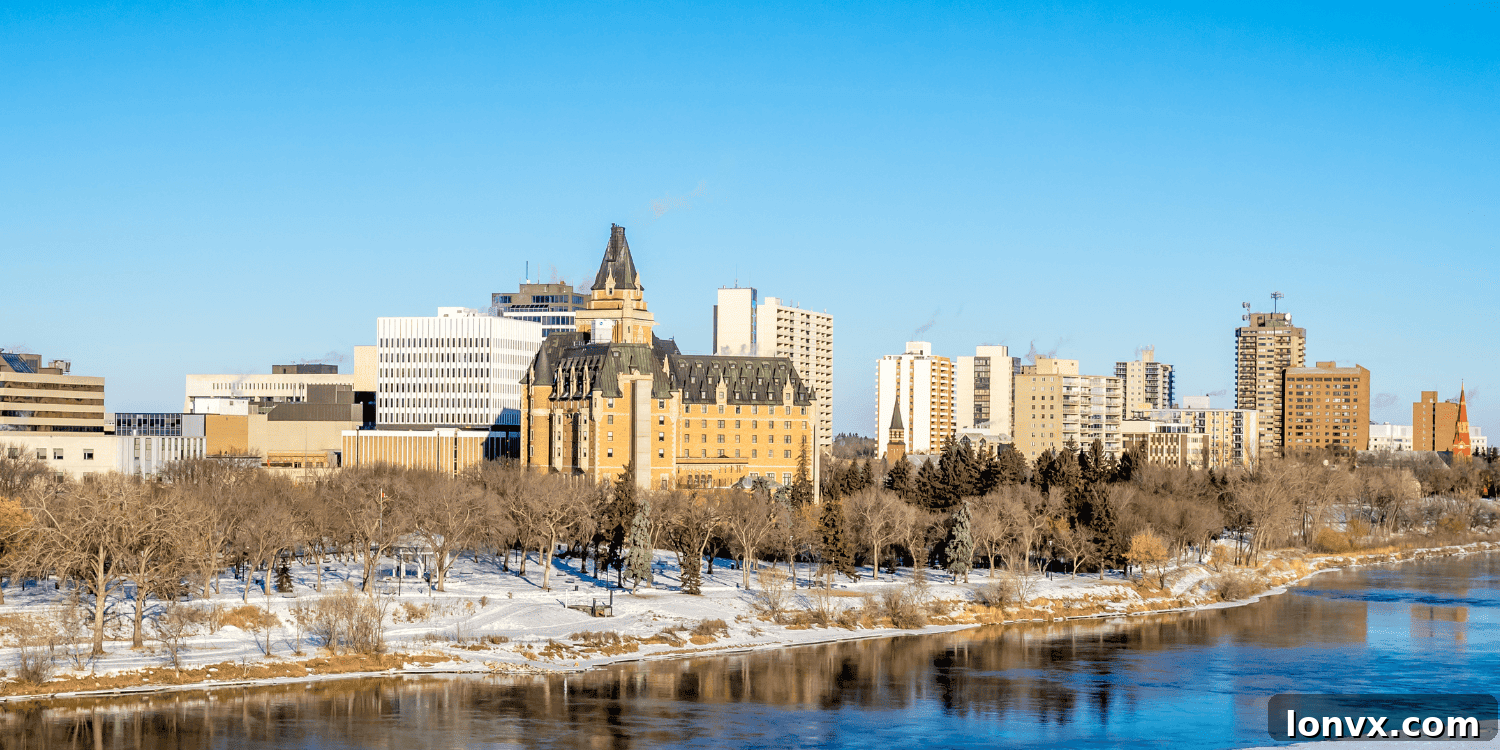
Saskatchewan’s Resilient Real Estate Market: Navigating Inventory Challenges and Price Trends
Despite persistent inventory challenges that continue to define its landscape, the real estate market in Saskatchewan demonstrates remarkable resilience and strength. Latest reports from the Saskatchewan Realtors Association (SRA) confirm that sales activity across the province remains robust, not only surpassing pre-pandemic levels but also consistently performing above long-term, 10-year averages. This unwavering demand underscores a deeply rooted confidence in the province’s economic fundamentals and quality of life, even as buyers and sellers navigate a dynamic environment marked by evolving economic conditions and shifting consumer behaviors.
February saw the SRA record 854 residential sales province-wide. While this figure represents a 19 percent decline compared to the same period last year, it’s crucial to contextualize this dip within the broader market forces at play. A primary factor influencing sales volumes is the ongoing scarcity of available properties, a trend observed across much of Canada. Inventory levels were down six percent year-over-year and a significant 31 percent below the 10-year averages, leading to intense competition in many areas. In numerous regions across Saskatchewan, the ‘months of supply’ metric remained critically low, often under four months, signifying a pronounced seller’s market where demand far outstrips the available housing stock and properties often sell quickly.
Chris Guerette, CEO of the Saskatchewan Realtors Association, has openly addressed these market complexities, providing valuable insights into the current state and future trajectory. Guerette highlighted that higher lending rates, a national trend impacting affordability and borrowing capacity, combined with the entrenched supply challenges, are the primary culprits behind the recent pullback in sales numbers. Her concerns are particularly acute regarding the low inventory levels within the affordable segment of the housing continuum. This critical shortage disproportionately affects first-time homebuyers and those with more modest budgets, exacerbating the challenge of entry into the housing market and potentially widening socio-economic disparities across the province.
Understanding the Market Dynamics: Inventory, Demand, and Supply
The concept of “months of supply” is a critical indicator in real estate, offering insight into how long it would theoretically take to sell all current active listings at the prevailing sales pace if no new properties were added to the market. A healthy, balanced market typically sees between four and six months of supply, indicating a relatively equal footing for both buyers and sellers. When this figure drops significantly below four months, as is the case in many parts of Saskatchewan, it signals a strong seller’s market. In such an environment, buyers often face multiple offers, quick sales, and limited negotiation power, leading to increased pressure, faster decision-making, and sometimes a sense of urgency to secure a property.
The persistent low inventory can be attributed to several interconnected factors. On one hand, robust population growth, fueled by both interprovincial migration and international immigration, along with a steady influx of new residents drawn by Saskatchewan’s economic opportunities and relatively affordable cost of living, continues to fuel demand for housing. On the other hand, new construction hasn’t consistently kept pace with this escalating demand, particularly for certain housing types or in specific price ranges that cater to entry-level buyers. Furthermore, some existing homeowners might be hesitant to list their properties, perhaps due to concerns about finding a suitable replacement home in a tight market, or because they are locked into lower mortgage rates, making a move less financially appealing in the current high-rate environment.
The Impact of Elevated Lending Rates on Homebuyer Affordability
The current landscape of higher lending rates, a direct result of the Bank of Canada’s efforts to curb inflation, presents a significant hurdle for many prospective homebuyers across Saskatchewan. As the central bank has adjusted its key policy rate, variable mortgage rates have risen, and fixed rates have followed suit, albeit with their own unique market dynamics. This directly impacts borrowing capacity, reducing the amount of mortgage individuals and families can qualify for, even if their income remains stable. Consequently, some buyers find themselves priced out of certain segments of the market or forced to adjust their expectations regarding property size, location, or type to align with their reduced affordability. The confluence of increased borrowing costs and severely limited inventory in the affordable housing segment creates a particularly challenging environment for those aspiring to homeownership, pushing some to delay their purchasing plans or explore alternative housing solutions.
Benchmark Price Trends: A Province-Wide Snapshot of Value
Despite the fluctuations in sales volumes and the tight inventory, Saskatchewan’s property values have largely held firm, exhibiting a trend towards stability and modest growth rather than dramatic shifts. February’s provincial benchmark price reached $318,500. This figure, a crucial measure that adjusts for variations in property type, size, and location to provide a more accurate representation of market value compared to simple average prices, was slightly higher than the previous month. It also registered a modest 0.4 percent increase compared to February 2022. This slight year-over-year gain suggests a market that is finding its footing, moving away from the rapid appreciation seen during peak pandemic periods towards more sustainable, balanced conditions that are healthier for long-term market stability.
Price trends, however, are not uniform across the province, reflecting the diverse economic and demographic realities of Saskatchewan’s various regions. While some areas experienced more significant shifts, others saw smaller, more gradual adjustments, indicating a nuanced market. Specifically, Melfort, Prince Albert, Saskatoon, and Yorkton all reported increases in their benchmark prices during February, showcasing localized strength. This localized growth highlights the varying demand-supply dynamics, specific industry growth, and unique community amenities at play within these particular markets. For instance, robust local economies, sustained employment growth, or specific urban development projects can contribute to localized price appreciation, even as the provincial average shows modest movement, painting a picture of a diverse provincial market.
Moving Towards Balanced Conditions: A Sign of Market Maturity
The SRA’s observation that “price adjustments were relatively small as we continue to return to more balanced conditions” is an important insight, suggesting a maturing market. A truly balanced real estate market is one where neither buyers nor sellers hold a distinct advantage, typically characterized by stable prices and a moderate inventory level (usually four to six months of supply). While Saskatchewan is still grappling with persistently low inventory, the tempered pace of price growth suggests that the market is attempting to find a new equilibrium, where price gains are more aligned with economic fundamentals rather than speculative fervor. This move towards balance, albeit slow and gradual, can foster greater long-term stability and predictability, benefiting both current homeowners who see their investments appreciate steadily, and future buyers who seek a more predictable and less volatile investment landscape.
Focus on Key Urban Centers: Regina and Saskatoon Market Highlights
As the two largest metropolitan areas in Saskatchewan, Regina and Saskatoon often serve as bellwethers for the provincial market, providing crucial indicators of overall health and direction. Their individual real estate performances are influenced by a unique blend of local economic drivers, population dynamics, and urban development initiatives, making a deeper dive into each essential for a complete understanding of the province’s housing landscape.
Regina: Steady Growth and Stable Appeal in the Provincial Capital
In February, the city of Regina reported a benchmark price of $310,200, reflecting its consistent market characteristics. Regina’s real estate market is often characterized by its inherent stability, a trait driven by a strong public sector, a diverse base of agricultural and energy-related industries, and a steadily growing technology sector. While experiencing similar inventory challenges as the rest of the province, Regina has maintained a consistent demand, particularly for single-family homes, which remain highly sought after. The slight increase in its benchmark price year-over-year indicates a steady, rather than speculative, market, offering predictable returns for homeowners. Buyers in Regina are often attracted to its family-friendly neighborhoods, extensive community amenities, and relatively affordable entry points compared to larger Canadian cities. The ongoing investment in infrastructure, urban revitalization projects, and a focus on community development further contributes to the city’s long-term appeal, supporting sustainable property value appreciation.
Saskatoon: A Dynamic and Competitive Landscape Driven by Economic Vibrancy
Saskatoon, known for its vibrant and diversified economy fueled by robust potash mining, innovative technology firms, a thriving university sector, and a strong agricultural backbone, recorded a benchmark price of $372,400 in February. This higher benchmark price reflects Saskatoon’s generally higher price point compared to Regina, often attributed to its distinct economic drivers, rapid population growth, and perhaps a different housing mix with a greater proportion of newer developments. The city’s impressive growth trajectory, coupled with its robust job market, continues to attract a diverse demographic, including young professionals, skilled workers, and growing families. The real estate market in Saskatoon tends to be highly competitive, especially in sought-after neighborhoods and during peak seasons, where persistently low inventory levels can lead to brisk sales and potentially more pronounced price movements. The city’s commitment to sustainable development, expanding amenities, and a dynamic cultural scene also plays a crucial role in maintaining strong buyer interest and fostering a desirable living environment.
Looking Ahead: Future Outlook for Saskatchewan Real Estate and Key Considerations
The Saskatchewan real estate market is poised for continued interest and activity, albeit with ongoing navigation of its unique challenges. While higher lending rates will likely continue to temper demand and affordability in the short term, influencing the purchasing power of many potential buyers, the underlying strength of the provincial economy, coupled with a consistent influx of new residents, suggests sustained long-term demand for housing. Addressing the inventory shortage remains paramount for fostering a truly balanced market. This will require collaborative efforts from developers, municipal planners, policymakers, and various stakeholders to strategically increase housing supply across all segments, particularly within the crucial affordable housing continuum, ensuring options for all demographics.
For prospective buyers, understanding the localized nuances of the market—from Regina’s steady growth and consistent demand to Saskatoon’s dynamic and competitive environment—will be key to making informed decisions. Seeking guidance from experienced local real estate professionals who possess in-depth market knowledge can prove invaluable in navigating these complexities. Sellers, on the other hand, continue to benefit from strong demand and limited supply, which can translate into favorable selling conditions, often resulting in quicker sales and competitive offers, especially for well-maintained properties in desirable locations. The Saskatchewan Realtors Association will continue to diligently monitor these evolving trends, providing invaluable data and insights to help both consumers and industry professionals make sound, informed decisions in this ever-evolving market.
Ultimately, Saskatchewan’s real estate narrative is one of enduring resilience. Despite facing headwinds from inventory constraints and elevated interest rates, the fundamental drivers of demand remain robust, pointing towards a stable and gradually appreciating market for the foreseeable future. This enduring strength, underpinned by a solid economy and a growing population, positions Saskatchewan as an attractive prospect for homeowners, first-time buyers, and investors alike, solidifying its place as a key and increasingly significant player in the broader Canadian housing landscape.