Mastering Ontario’s Rental Market: Essential Insights from Real Estate Veteran Kathy Paliwoda
For anyone navigating the intricate world of real estate investment, especially within Ontario’s dynamic rental market, the guidance of a seasoned expert is invaluable. Kathy Paliwoda stands as a beacon of knowledge and experience, having witnessed and shaped the industry since 1978. Long before the popularization of converting basements into income-generating units, Paliwoda was already educating the public, establishing herself as an authority when many of today’s real estate gurus were still in their infancy.
With an impressive background that includes roles as a practicing paralegal, licensed real estate agent, respected educator, and sought-after consultant, Kathy Paliwoda dedicates much of her time to empowering real estate professionals and aspiring landlords. Her mission is to equip them with the critical understanding needed to thrive in an increasingly complex and regulated environment.
The Evolving Landscape of Property Investment in Ontario
Today’s real estate climate in Ontario presents unique challenges and opportunities. Skyrocketing property prices have compelled many homeowners to leverage their assets, often needing to rent out portions of their homes to meet financial obligations. This need becomes even more pressing with the anticipation of escalating interest rates in the years to come. In such an environment, making informed buying and management decisions is paramount, especially as the regulatory landscape continues to evolve rapidly.
Whether you’re a first-time homebuyer considering an income suite, an empty-nester planning for retirement income, or a real estate agent guiding clients, a comprehensive grasp of the law and its financial implications is absolutely essential. The complexities extend far beyond the provincial Residential Tenancies Act. Owners and agents must also be acutely aware of key provisions within human rights legislation, privacy laws, and the Condominium Act, each carrying significant weight and potential repercussions.
With over 1.3 million renter households constituting 29 percent of Ontario’s total households, and a noticeable trend towards condominium investment units, Paliwoda firmly believes in the necessity of disseminating accurate and up-to-date information. Her commitment is to ensure that individuals are not just aware of the rules but understand their practical application and potential pitfalls.
Navigating the Minefield: Kathy Paliwoda’s Educational Initiative
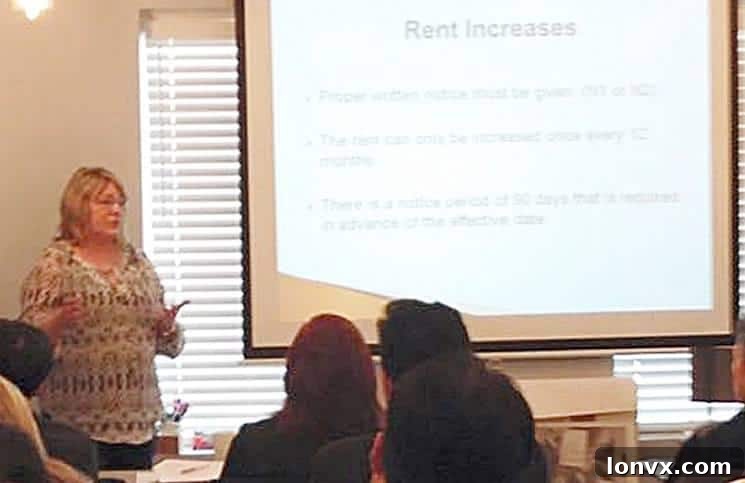
To help individuals confidently navigate this complex terrain, Kathy Paliwoda collaborates with ICIWorld.com, conducting intensive six-hour “Ontario Landlord’s Rights & Obligations” sessions. These comprehensive courses are part of a year-long series of real estate seminars that delve deep into the do’s and don’ts of purchasing, renting, and managing residential rental properties. Her practical, no-nonsense approach is highly valued by attendees seeking clarity in a field often clouded by misinformation.
While the financial benefits of becoming a landlord can be substantial, Paliwoda is quick to highlight the numerous pitfalls and misconceptions that are rarely discussed in conventional real estate training programs or portrayed on television. These unaddressed realities often lead to significant challenges for unprepared landlords.
Having taught residential tenancy law since 1984, Kathy has accumulated a vast repository of “horror stories” from thousands of landlords and real estate agents attending her sessions. A common refrain among attendees is their shock at how little they truly understood before her guidance. This recognition of an ongoing knowledge gap is why many professionals return annually for vital refreshers and legislative updates.
Dispelling Common Landlord Misconceptions
Myth: Landlord-Tenant Laws are Balanced
One of the most pervasive misconceptions, according to Paliwoda, is the belief that landlord-tenant laws in Ontario are equitable. “The truth is,” she explains, “Ontario’s landlord-tenant legislation leans heavily in favour of the tenant.” With each new piece of legislation or amendment, landlords are often faced with additional restrictions and responsibilities, regardless of the practices of previous owners. This imbalance necessitates a proactive and informed approach from all property owners.
Myth: Minor Consequences for Non-Compliance
Paliwoda further emphasizes that fines for non-compliance have become significantly tougher in recent years. “Fines for committing an offence under the Act for an individual landlord are now up to $25,000, and for a corporate landlord, they can reach up to $100,000,” she warns. These substantial penalties underscore the critical importance of staying within legal boundaries and avoiding the “proverbial penalty box.”
Beyond fines, engaging in or appealing a landlord-tenant dispute can be an incredibly expensive and time-consuming ordeal. During the often-protracted resolution process, landlords frequently suffer significant financial losses due to unpaid rent and may be unable to evict tenants in arrears, compounding their financial strain.
Misunderstood Regulations: Deposits, Pets, and Discrimination
Landlords must also internalize that certain common practices are, in fact, illegal or discriminatory. For instance, damage deposits are strictly prohibited in Ontario. Similarly, residential private sector tenants cannot be evicted or denied tenancy solely because they have a pet. Preventing students from renting is also considered discriminatory, highlighting the broad scope of human rights considerations.
However, specific nuances exist. For example, if a landlord is renting out a condominium unit, there can be an exception to the pet rule. This is because the Condominium Act, in certain circumstances, may supersede other legislation regarding pet ownership within a condominium corporation’s declaration and rules, creating a distinct set of considerations for condo landlords.
Smart Investment Strategies: Paliwoda’s Key Acquisition Tip
On the purchasing side, Kathy Paliwoda shares a particularly valuable, albeit little-known, tip for aspiring Ontario landlords. “People consistently ask me what types of investment properties they should be buying,” she recounts. “My advice is to consider purchasing properties with rental units that were built after November 1, 1991, because these units are not subject to the same rent controls in Ontario.”
This distinction is crucial for long-term profitability. An owner of a property built before this date faces statutory rent increase limits, such as the 1.6 percent cap for 2015 mentioned in the original context. However, for properties constructed post-November 1, 1991, landlords retain the freedom to charge rent reflective of the prevailing market conditions, offering significantly greater financial flexibility and potential returns.
Kathy Paliwoda’s Top 10 Indispensable Tips for Landlords
To summarize her decades of wisdom, Kathy Paliwoda offers these essential guidelines for anyone considering or currently managing residential income properties:
- Educate Yourself Before Investing: Never venture into residential income property investment without thoroughly understanding the market, the legal framework, and your responsibilities. Ignorance is not bliss; it’s a financial liability.
- Establish Clearly What You May Be Up Against: Conduct a realistic assessment of potential challenges, including difficult tenants, unexpected repairs, and market downturns. It’s better to walk away from a bad deal early than to incur significant losses later.
- Be Prepared to Follow the Rules or Face Consequences: Ontario’s landlord-tenant laws are complex and strictly enforced. Diligently adhere to all legislation, as non-compliance can lead to substantial fines, legal disputes, and reputational damage.
- Anticipate Potential Financial Risks: Budget for contingencies such as rental income loss due to tenant turnover, extended vacancies, property damage, and legal fees. A robust financial buffer is crucial for sustainability.
- Avoid “Get Rich Schemes and Dreams”: Real estate investment is a long-term strategy that requires diligence and patience, not quick fixes. Steer clear of unrealistic promises and focus on sustainable, ethical practices.
- Get Professional Advice When Needed: Don’t hesitate to consult lawyers, accountants, property managers, or other specialists. Attempting to “wing it” in complex situations can lead to costly mistakes and severe financial repercussions.
- Know Who You Are Renting To: Implement a thorough tenant screening process that includes credit checks, reference checks, and employment verification. Selecting reliable tenants is your first line of defense against potential issues.
- The Difference Between Success and Failure is Property Choice: Strategic purchasing is paramount. Success as a landlord often hinges on the type of property you buy and its location, ensuring it aligns with market demand and your investment goals.
- Don’t Be Misled. Be Prepared to Do Your Own Homework: Never rely solely on information from others. Conduct your own due diligence on properties, potential tenants, and market conditions. Verification is key to informed decision-making.
- Keep Informed. Stay Up-to-Date: The rules governing the rental market are constantly changing. Regularly review legislative updates, attend seminars, and engage with professional networks to ensure your knowledge remains current and compliant.
Becoming a successful landlord in Ontario demands more than just capital; it requires continuous education, diligent adherence to legal frameworks, and a realistic understanding of both the opportunities and the inherent challenges. Kathy Paliwoda’s expertise provides an invaluable roadmap for navigating this journey with confidence and competence.
For a comprehensive list of Kathy Paliwoda’s upcoming seminars and to further enhance your landlord knowledge, click here.