Mastering Gourmet Delights: From Figgy Plum Gnocchi to Pink Pasta & Beyond
Embark on a culinary adventure that transforms everyday ingredients into extraordinary dining experiences. This collection of gourmet recipes, crafted for discerning palates, invites you to explore vibrant flavors and sophisticated techniques. From melt-in-your-mouth figgy plum gnocchi bathed in a rich bagna cauda, to visually stunning pink pasta with the unexpected harmony of pears and crisp bacon, and elegantly simple frenched green beans, each dish is designed to impress. Prepare to elevate your cooking with these detailed guides, ensuring every meal is not just eaten, but savored.
Figgy Plum Gnocchi with Fruity Bagna Cauda Sauce: A Symphony of Flavors
Indulge in the luxurious simplicity of homemade gnocchi, elevated by the unique sweetness of figs and plums, all enrobed in a creamy, fruity bagna cauda sauce. This dish promises a textural delight and a depth of flavor that speaks of gourmet sophistication.
Crafting the Perfect Gnocchi Dough: Light, Fluffy, and Flavorful
The secret to truly tender gnocchi lies in the potatoes and the delicate handling of the dough. Begin with four medium-sized, floury potatoes (avoid waxy varieties, as they lead to a gluey texture). Peel them meticulously and boil in cold, generously salted water until fork-tender. This cold-start method ensures even cooking. Once cooked, drain the potatoes completely and allow them to air dry briefly. This step is crucial for evaporating excess moisture, preventing a heavy dough. While still warm but not hot, rice the potatoes. Ricing them through a ricer is paramount for achieving that coveted light, airy, and melt-in-your-mouth texture that defines exceptional gnocchi. Never mash or process them, as this develops gluten and results in a tough product.
Once the riced potatoes have cooled slightly, gently incorporate two whole eggs, a half cup each of all-purpose flour and hazelnut flour (the hazelnut flour adds a delightful, subtle nuttiness), and a half cup of grated dry cheese. A blend of aged Romano and sharp Parmesan offers a perfect balance of savory notes. Work the dough minimally, just until all ingredients are evenly incorporated. Overworking the dough will activate the gluten, making the gnocchi dense and chewy.
Next, introduce the star fruits. Finely chop two brandied black mission figs that have been naturally macerated in cognac. Gently fold these chopped figs into the dough. For an extra layer of complexity, drizzle just a few drops of the brandy marinating jus from the fig jar into the dough, then knead very briefly to distribute. Follow this by finely chopping one very ripe, fresh Italian plum. If fresh plums are unavailable, frozen plums work wonderfully; as they thaw, they release their natural juices, becoming sticky-sweet and intensifying the flavor. Carefully work the chopped plum into the dough, ensuring an even distribution without overmixing.
Once your dough is perfectly prepared, allow it to rest for a full 15 minutes. This resting period allows the flours to fully hydrate and the gluten to relax, contributing to a more tender gnocchi.
Shaping and Poaching Your Gnocchi: The Art of Delicacy
After the dough has rested, pull off small pieces and, working on a lightly floured surface, gently roll them by hand into long, skinny, sausage-like strips. The goal is consistency in thickness for even cooking. With a sharp knife, cut these dough rolls into generous bite-sized pieces. Have a large pot of salted water at a rolling boil. Carefully drop the gnocchi into the simmering water; do not overcrowd the pot. Poach the gnocchi until they gracefully float to the surface, indicating they are cooked al dente. This typically takes only a minute or two. Remove them promptly with a slotted spoon or spider.
The Luscious Fruity Bagna Cauda Sauce: A Sweet & Savory Embrace
While your gnocchi are poaching, prepare the exquisite bagna cauda sauce. This version deviates from the traditional savory anchovy-based sauce, embracing a fruity, creamy profile. Use fresh, high-quality cream and your favorite blend of rich cheeses (such as Fontina, Gruyère, or a touch of Gorgonzola for depth). Simmer gently until the sauce thickens to a luxurious consistency. To enhance the fruity theme, stir in two firm, chopped (not minced) marinated black mission figs and a fresh, juicy chopped Italian plum. The warmth of the sauce will coax out their sweet aromas.
Just before serving, gently add the freshly poached gnocchi to the warm bagna cauda sauce, tossing to coat each delicate piece thoroughly.
Elegant Plating and Wine Pairing: A Gourmet Presentation
To serve this exquisite dish, create a shallow “puddle” of the vibrant bagna cauda sauce in a flat, deep soup plate with wide rim sides. Carefully arrange several gnocchi in the center. For an artful presentation, park a whole, firm brandy-marinated fig and a half-pitted fresh plum on the rim of the plate, alongside a large, verdant basil leaf. This garnish not only adds visual appeal but also offers an aromatic complement to the dish.
This figgy plum gnocchi is a substantial entree, best enjoyed as the sole main course. If a salad is desired, in true French tradition, serve it after the gnocchi course. Conclude your meal with a cheese and fruit plate accompanying the salad, perfectly rounding off the gastronomic experience. For an impeccable pairing, consider a flute of Royal de Neuville Rosé or your favorite dry champagne. The effervescence and crisp notes of a quality sparkling wine beautifully cut through the richness of the sauce and complement the fruit’s sweetness.
Alternate Serving Suggestions to Customize Your Experience
Alternate 1: Hazelnut Watercress Pesto Drizzle. For those who appreciate an added layer of herbaceous nuttiness, offer a small dish of homemade Hazelnut Watercress Pesto, accompanied by a tiny ladle. A delicate drizzle over the gnocchi introduces a fresh, peppery note that harmonizes wonderfully with the existing flavors. The hazelnut in the pesto echoes the hazelnut flour in the gnocchi, creating a cohesive flavor profile.
Alternate 2: Flambéed Lobster Enhancement. Elevate this dish to extraordinary heights by incorporating succulent lobster. Flambé sautéed fresh lobster, ideally using Asbach brandy for its rich character, or a high-quality cognac. If fresh lobster is unavailable, a large tin of flash-frozen lobster, gently heated and then flambéed, makes a worthy substitute. In a separate skillet, sauté a small piece of finely chopped celery and its leaf, along with a tiny bit of fresh chopped green onion in butter until translucent and fragrant. Stir this aromatic mixture into your prepared bagna cauda sauce. Break up the flambéed lobster pieces and fold them into the lobster-infused bagna cauda. Serve the hazelnut fruit gnocchi nestled in a generous puddle of this luxurious lobster sauce. Just before serving, sprinkle with a little fresh shredded tarragon for a burst of anise-like freshness. For the ultimate touch of decadence, if you have homemade lobster oil, drizzle a little over each serving (do not stir). Enjoy this truly gourmet creation!
St. Michael’s Figgy Plum Treats: A Delightful Seasonal Pastry
Inspired by festive traditions, these figgy plum treats reimagine a classic dough into a delightful pastry. Utilizing a rich Stollen dough recipe, these pastries are prepared up to the point of adding fruits. Instead, a luscious figgy plum mixture is spread onto the dough, which is then folded and baked to perfection, yielding a wonderfully moist and flavorful creation.
The Rich Figgy Filling: Sweet, Spicy, and Irresistible
The heart of these treats is a deeply flavored figgy filling. In a stovetop saucepan, combine two cups of black mission figs, previously marinated in Asbach Uralt brandy for a rich, aromatic depth. Add one cup of homemade plum conserve or your favorite high-quality plum jam. Bring this mixture to a gentle simmer over medium heat, allowing the flavors to meld beautifully. Stir in a little figgy jus from your cognac marinating jar; this intensifies the fig flavor and adds a subtle boozy warmth.
From your pantry jar of candied citrus peel sugar, chop some orange strands very finely and add them to the pot. This provides a bright, zesty counterpoint to the rich fruits. Squeeze in the fresh juice of half a lemon and half a sweet orange. Stir well and let the mixture bubble gently for a few minutes until it thickens into a gooey, spreadable paste. Remove from heat and allow this aromatic paste to cool completely to room temperature. Once cooled, stir in a half cup of chopped candied walnuts, adding a satisfying crunch and nutty flavor. The consistency should be firm enough to spread evenly onto the dough without being runny.
Crafting Figgy Stuffed Cookies: A Treat for Any Occasion
If you prefer making individual figgy stuffed cookies, roll out your favorite pastry dough into two long rectangles. Form the prepared figgy filling into a sausage shape. For ease of handling and shaping, use plastic wrap to roll and firmly shape the log, then refrigerate for at least an hour until firm. This step ensures the log maintains its shape during assembly.
Carefully position the chilled figgy log onto one of the pastry rectangles. Gently pull the sides of the pastry over the figgy log, encasing it completely. Roll the pastry with your fingers to seal the seam and place it seam-side down on your cutting board. Using a sharp knife, cut the pastry-wrapped log into generous pieces, similar in size to gnocchi. Arrange these individual filled pastry pieces on a parchment-lined cookie sheet, ensuring they are not touching. Bake in a medium-hot oven on the middle rack until the pastry is golden brown and cooked through. Since the figgy log filling is already cooked, the goal is simply to bake the pastry. Be careful not to overbake, as this can dry out the delicious, moist figgy filling.
Alternate Filling: For a different yet equally delightful flavor profile, use fresh Medjool dates, chopped fine and mashed together with your plum conserve. This creates a rich, caramel-like filling with a natural sweetness.
Pink Pasta with Pears and Bacon: A Surprise Sauce Sensation
Prepare to be enchanted by a dish that is as visually striking as it is gastronomically delightful: pink pasta infused with beetroot, served with a surprisingly harmonious sauce featuring seared pears, crisp bacon, and a hint of blue cheese. This unconventional combination creates an unforgettable culinary experience.
Creating Vibrant Beetroot Pasta: From Earth to Plate
The key to this vibrant pasta is fresh beetroot. Begin by rough chopping equal weights of cooked beets and “00” pasta-making flour. The “00” flour, finely milled, provides a silky texture. In a Cuisinart machine, combine the chopped beets, flour, and one whole egg. Process until a cohesive, smooth dough forms. Remove the dough, wrap it tightly in plastic wrap, and allow it to rest at room temperature for a minimum of 30 minutes. This resting period allows the gluten to relax, making the dough more pliable and easier to work with.
Once rested, divide the dough and process it through a pasta machine at least three times, gradually thinning it to your desired thickness. The goal is a delicate, thin sheet of pasta. Hang the pasta sheets to dry slightly; this prevents sticking and helps them hold their shape during cooking.
The Unforgettable Pear and Bacon Sauce: Sweet, Savory, and Tangy
While your beautiful pink pasta is air-drying, turn your attention to the extraordinary sauce. In a skillet, fry several slices of high-quality bacon until it reaches a delightful crispness. Remove the bacon and set aside, reserving the flavorful bacon fat in the pan. To the bacon fat, add a knob of unsalted butter. Sear thick slices of fresh Bosc pears in this flavorful fat until they are tender and caramelized. The sweetness of the pears will be beautifully enhanced by the smoky bacon drippings.
Stir in a half cup of your candied salted large walnut pieces; their crunch and sweet-savory profile add another layer of texture and flavor. Next, add two cups of fresh watercress, allowing it to wilt slightly in the warmth of the pan. Incorporate just a tiny bit of oven-roasted garlic purée from your stored refrigerator jar. (A crucial hint: never store roasted garlic cloves in oil at room temperature, as this creates an anaerobic environment where dangerous botulism spores can thrive and multiply. Always store roasted garlic in the refrigerator and consume promptly, or store in vinegar-based solutions if preserving.)
To deepen the sauce’s complexity, stir in a quarter cup of brandy figgy marinating jus and one finely chopped fresh black mission fig. Crumble the crisp bacon over the sauce and gently incorporate it. Finish with a squeeze of fresh lemon juice, which brightens the entire dish and balances the richness. Just before serving, top the warm pasta with small chunks of room-temperature blue cheese; its pungent, creamy notes will melt slightly and create a wonderful contrast.
Cooking and Serving Your Pink Pasta: A Culinary Masterpiece
Bring a large pot of salted water to a rolling boil. Since fresh pasta cooks incredibly quickly, gently drop in your beetroot pasta and cook for just one minute until al dente. There’s no need to drain the pasta meticulously; simply use a large fork to twirl a serving directly from the pot onto a large dinner plate. The small amount of pasta water clinging to the strands will actually enhance the sauce, helping it emulsify and adhere beautifully. Immediately toss the warm pear and bacon sauce over the hot beet pasta. Finish with a generous grinding of fresh peppercorns and a light spritz of high-quality olive oil. Serve immediately to enjoy the peak freshness and warmth.
For those who love pesto with all pasta dishes, consider using our vibrant watercress pesto recipe as an optional accompaniment, offering a fresh, peppery alternative or addition to the sauce.
While it might seem an unconventional choice to some, the fruity, light-bodied tones of a French label George’s Beaujolais make for an exceptionally nice pairing with this dish. Its bright red fruit notes and subtle earthiness complement the pears, figs, and savory bacon without overpowering the delicate pasta.
Remember to allow your Beaujolais to breathe before serving. Pour it into a large, bowl-shaped glass with a thin stem and a wide rim (often referred to as a Chardonnay white wine bowl, but excellent for Beaujolais too, as you want maximum contact with oxygen to enhance the bouquet), not a tapered bowl. Never fill a large bowl wine glass more than half full; ideally, it should only be a third full in such a glass. This allows ample space for swirling and appreciating the wine’s aroma. You can always serve more later. For more insights on selecting the perfect vessel for your wine, here is a great link that explains different types of glasses and their preferred uses.
Mastering Gourmet Gnocchi: Step-by-Step Excellence
Creating exceptional gnocchi at home is a rewarding culinary pursuit. This section delves deeper into the fundamental techniques for crafting gourmet gnocchi, offering tips and tricks to achieve that perfect delicate texture and versatile application.
Baking the Potatoes to Perfection: The Foundation of Flavor
The foundation of superb gnocchi is properly prepared potatoes. Select dry baking potatoes (such as Russets) for their high starch content. Wipe their skins with a little butter before baking. Bake them whole at 400°F (200°C) in a preheated oven. Large potatoes are ideal for this purpose. Baking can take approximately one hour, but begin checking periodically after 45 minutes. The potatoes are done when a knife inserted into the center comes out clean. It’s crucial not to over-bake them, as this can alter the flesh texture, making it dry and less conducive to light gnocchi. Your smartphone timer can be incredibly handy for monitoring baking times, especially when you’re multitasking in the kitchen.
Once baked, cut the potatoes in half lengthwise and carefully scoop out the fluffy flesh into a large bowl. Immediately press the warm potato flesh through a ricer. This is truly the only way to achieve the flour-like, airy consistency necessary for light gnocchi; mashing or food processing will produce a gummy texture. At this stage, you can personalize your gnocchi dough by adding salt, freshly ground pepper, and other delightful ingredients such as cooked and finely chopped spinach, mashed roasted beets for color and sweetness, or a medley of very fresh chopped herbs. A little grated cheese can also be incorporated for added savoriness.
Preparing the Gnocchi Dough: Gentle Handling for Tender Results
For every three large baked potatoes, you will typically need about a half cup of all-purpose flour and one large egg yolk. (Never discard egg whites; save them by freezing them in an ice cube tray, then transferring the frozen cubes to a plastic bag for future use in meringues or omelets). Work the dough gently with your hands, just until all ingredients are barely combined and the mixture forms a cohesive ball. Overworking the dough is the cardinal sin of gnocchi making, as it develops gluten, leading to tough and chewy results. Once formed, divide the dough into several segments. On a lightly floured surface, roll each segment by hand into a thin, uniform sausage shape.
Shaping and Resting for Ideal Texture: Indents for Sauce Adherence
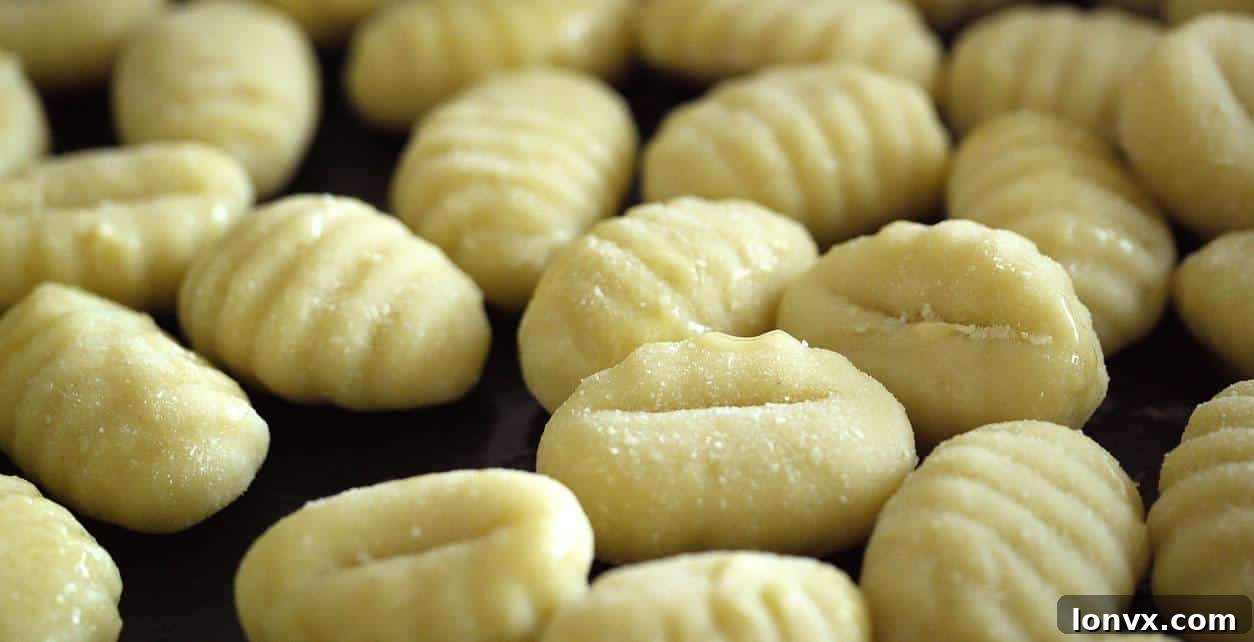
Using a knife, cut the sausage-shaped dough into one-inch pieces. To create those characteristic ridges that perfectly hold your sauce, gently tip each piece with the tines of a fork. Arrange the gnocchi on a lightly floured cookie sheet, ensuring they do not touch each other. Allow the gnocchi to air dry in the refrigerator for 10-15 minutes. This brief drying period helps to firm up the exterior, preventing them from becoming mushy when cooked and ensuring they hold their shape.
Poaching and Finishing Techniques: From Pot to Pan
When ready to cook, use a spider to gently lower the gnocchi into a pot of softly boiling, cold salted water. A critical safety note: never use water directly from the hot water tap, as it can contain sediment or impurities from your hot water boiler tank. The process is similar to making spätzle; the gnocchi will float to the surface quickly, indicating they are cooked. Remove them promptly with the spider, allowing excess water to drain.
In the meantime, melt a knob of unsalted butter in a sauté skillet over medium-high heat. Do not brown the butter unless you specifically desire a nutty (noisette) flavored gnocchi; however, the butter does need to be very hot. Use just enough butter to lightly coat the gnocchi. Transfer the freshly poached gnocchi directly into the hot butter and toss gently to ensure each piece is coated. You might decide to serve the finished gnocchi simply as is, with a generous sprinkle of grated Sartori BellaVitano Raspberry cheese (which adds a sweet, tangy note) and a scattering of chopped fresh basil or parsley.
Alternatively, cooked gnocchi are wonderfully versatile. They can be added to your favorite homemade tomato sauce for a classic comfort meal, a rich rose sauce for a creamy option, or even an indulgent Alfredo sauce. For a truly unique and gourmet gnocchi experience, just when ready to serve, drizzle each low, wide soup plate with a little brandy figgy jus from your black mission fig marinating jar. You can even chop a couple of the marinated figs and sprinkle them over the top. This simple addition elevates the dish to a totally gourmet, totally wonderful masterpiece. For another creamy pasta option, see my versatile rose pasta sauce recipe.
Fresh Frenched Green Beans: An Elegant Side Dish
Elevate the humble green bean into an elegant and flavorful side dish that complements a wide array of entrees. This method focuses on vibrant color, crisp texture, and a delicate sauté finish.
Preparing and Blanching Frenched Green Beans: Crisp and Colorful
While green beans are often cooked starting in cold salted water and brought to a boil until fork-tender, for this particular recipe, we’ll employ a technique that preserves their vibrant green color and crisp texture. Begin by bringing a pot of water to a rolling boil, covered to expedite the process. Once boiling, generously salt the water. Toss in “frenched” green beans. Frenched simply means each green bean has been individually split lengthwise from top to bottom, resulting in delicate, thin strings of beans. This increases their surface area, allowing them to cook very quickly and absorb flavors more readily.
Par-boil the frenched green beans for just a minute or two until they are bright green and barely tender. Using tongs, quickly remove the hot green beans and immediately transfer them into a bowl of ice-cold water (an ice bath). This “shocking” process instantly stops the cooking, locking in their vibrant green color and crisp-tender texture. You’ll literally see the color come to life!
Sautéing Shallots and Finishing Touches: Aromatics and Mint
While the green beans are blanching, in a skillet, sauté finely chopped shallots in hot, sizzling butter. Ensure the butter is hot but not brown, to prevent a burnt taste. Cook the shallots just until they are translucent and fragrant, typically a couple of minutes. Season them with a sprinkle of salt, freshly ground peppercorns, and a generous amount of fresh chopped mint. The mint adds a refreshing, herbaceous lift that pairs beautifully with the beans. Toss the chilled, frenched green beans directly into the sautéed shallots. Quickly mix and heat through, just enough to warm the beans without overcooking them.
Remove the mixture from the skillet and transfer it to a serving bowl or arrange elegantly on a large platter. To finish, drizzle lightly with a bit of our homemade watercress pesto, adding a peppery, herbaceous depth. Top with coarsely chopped candied walnuts or candied whole hazelnuts from your pantry jar for delightful crunch and sweetness. For a final flourish, sprinkle with finely minced citrus rinds from your pantry citrus sugar jar. Then, lightly dust with just a few grains of the citrus sugar itself and a whisper of salt. It’s crucial not to toss or stir after adding these final garnishes, allowing their distinct textures and flavors to remain separate and shine. This fresh, crunchy, and aromatic vegetable side dish is incredibly versatile and can be served with many entrees, from roasted meats to delicate fish. Enjoy!
To serve these frenched green beans as a refreshing salad, simply refrigerate them after preparation until thoroughly chilled. Bring them out to your patio to complement a perfectly barbecued steak or tender, flavorful fish cooked en papillote on the grill. For those who enjoy a little heat, consider sprinkling the finished salad, just before serving, with hot chili flakes, adjusting the amount to your preference.
© “From Lady Ralston’s Kitchen: A Canadian Contessa Cooks” Turning everyday meal making into a Gourmet Experience