The real estate market, by its very nature, is a dynamic and often unpredictable environment. In recent times, we’ve witnessed significant shifts, leading to an increase in listings expiring or being terminated at rates not seen in years. For instance, in vibrant markets like Toronto, freehold properties have faced termination or expiry approximately 39 percent more frequently compared to the same period last year. This trend, while challenging for some, is unfortunately viewed by a segment of real estate agents as a prime “window of opportunity.” These agents, driven by ambition and a desire to secure new business, often see an expired listing as an invitation to aggressively pitch their services, assuming the seller must be highly motivated and ready for a change.
However, this aggressive approach frequently overlooks a critical ethical and legal boundary. The truth is, if a seller explicitly indicated “no” to post-expiry contact — a directive that applies universally to expired, terminated, or cancelled listings — then reaching out is not merely assertive or “pushy”; it constitutes a serious breach of privacy. This crucial instruction is clearly documented within the Multiple Listing Service (MLS) system itself, serving as an unequivocal guide for all agents regarding whether post-expiry contact is permissible. Disregarding this clear directive not only erodes trust but also carries significant repercussions for both the individual agent and the broader real estate profession.
When Professional Boundaries Are Grossly Overstepped
The consequences of ignoring these established boundaries were recently brought to light through a deeply unsettling series of events involving one of our brokerage’s listings. After the property’s initial listing agreement expired, the homeowners were subjected to a barrage of unsolicited contact from various agents. One agent initiated contact by calling their personal cell phone, addressing them by name, a clear indication that private information had been accessed without consent. Others resorted to door-knocking the property, repeatedly, despite the sellers’ clear indication against such contact.
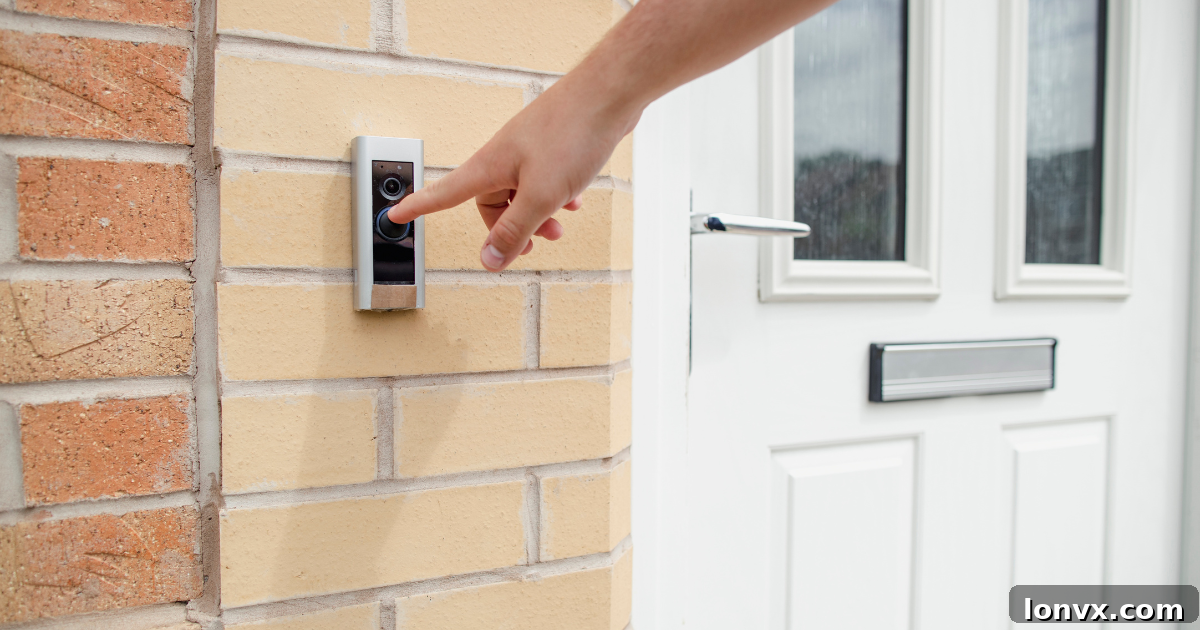
Security camera footage from the seller’s home provided undeniable evidence of this egregious behaviour. It showed two agents conspicuously approaching the property from a nearby park, making a direct beeline for that specific house, and demonstrably avoiding all other doors on the street. This pinpointed approach left no doubt about their sole intention: to solicit business from a recently expired listing. Shockingly, this pair even had the audacity to ask for entry into the property, further invading the sellers’ privacy and sense of security. Adding insult to injury, another agent made a misleading statement to the seller, falsely claiming that relisting the property within two days of expiry was prohibited. This deceptive tactic was clearly designed to undermine the seller’s confidence in their previous agent and sow seeds of doubt, a tactic that is both unethical and unprofessional. Let’s be absolutely clear: this pattern of behaviour is not just inappropriate; it is entirely unacceptable and deeply damaging to the integrity of our profession.
Navigating the Essential Legal and Ethical Frameworks
In Ontario, the framework governing real estate transactions is robust, with the Ontario Real Estate Association’s (OREA) listing agreements incorporating specific, protective clauses for sellers. One such critical clause explicitly asks sellers whether they consent to being contacted by other agents once their existing agreement concludes. Understandably, the vast majority of sellers opt for “no” to this question, seeking a period of respite and privacy after their listing expires. When this answer is unequivocally marked “no,” it is imperative for all real estate professionals to understand that this is not a mere suggestion or a casual preference. It is a legally binding instruction, directly linked to a contractual agreement, and carries significant weight under privacy legislation.
The Office of the Privacy Commissioner of Canada has consistently upheld the principle that contacting sellers after their listing has expired, especially when leveraging private information obtained through privileged MLS access, constitutes a violation of individual privacy rights. A pivotal 2006 bulletin issued by OREA further underscored this stance, highlighting a specific case where the Privacy Commissioner explicitly ruled that using expired listing data to solicit new business without the homeowner’s explicit consent is unequivocally prohibited. The reasoning behind this is fundamental: once a listing agreement has expired, the original purpose for which the seller’s personal information was collected has officially ended. Consequently, any subsequent use of that information to solicit the individual directly breaches privacy legislation, such as the Personal Information Protection and Electronic Documents Act (PIPEDA) in Canada. For a more comprehensive understanding of this critical directive, agents are encouraged to review OREA’s detailed bulletin.
Beyond the undeniable legal ramifications, there’s an equally critical discussion to be had about professional reputation and public trust. Consider the perspective of a seller who has just been relentlessly hounded by agents who were explicitly instructed not to make contact. What actions do you anticipate they will take? It’s highly probable they will take to social media, sharing their negative experience with a wide audience. They will undoubtedly inform their neighbours, friends, and family. Their frustration will become a frequent topic of conversation at dinner parties and social gatherings. The worst outcome, however, is a profound and lasting loss of trust—not just in the individual agents who engaged in the misconduct, but in the entire real estate industry. When agents wilfully disregard fundamental privacy instructions and legal obligations, they inadvertently reinforce every negative stereotype associated with our profession: that we are overly pushy, self-serving, and ruthlessly opportunistic. This collective damage to our reputation is a price too high to pay for a quick, ill-gotten commission.
Ignorance Is Never a Valid Defence
Empathize for a moment with the seller’s experience. Imagine you are in their shoes. Your home has just come off the market, and you are likely in a period of regrouping, strategizing your next steps, or simply taking a much-needed break from the selling process. Suddenly, your personal phone rings, an unknown number flashing on the screen. Moments later, someone is knocking at your door, uninvited. They greet you by name, demonstrating an unsettling familiarity. They know details about your home, clearly indicating they’ve accessed private listing information. This isn’t just a minor annoyance; it is an incredibly invasive and disturbing experience, creating feelings of vulnerability and distrust.
Furthermore, agents must understand that ignorance is simply not a defensible position in these scenarios. The excuse, “I was just door-knocking the neighbourhood generally,” frequently offered by agents caught engaging in such practices, holds no water in the age of advanced home security. When doorbell camera footage clearly shows an agent making a direct route to one specific house, knocking, and then immediately returning to their car without approaching any other properties, no one is buying the feigned innocence. This targeted approach exposes the true intention: to exploit a recently expired listing for personal gain. There is no plausible deniability when sellers are actively documenting everything. Ring cameras, sophisticated security systems, screenshots of unsolicited text messages, archived emails, and direct messages serve as irrefutable evidence. Sellers are increasingly vigilant and empowered, meticulously recording every instance of improper contact.
The misguided idea that “if I don’t get caught, it’s fine” is not a sustainable business strategy; it is, unequivocally, a ticking time bomb waiting to explode. There is no “grey area” when it comes to a seller’s explicit instruction for “no post-expiry contact.” If a seller has marked “no,” and you proceed to call, knock on their door, or message them anyway, you are in direct breach of established rules and privacy legislation. This behaviour carries severe risks: you are jeopardizing your professional reputation, you are breaking federal and provincial privacy laws, and, perhaps most significantly, you are actively harming the collective integrity and public standing of our entire profession. The stakes are far too high to justify such reckless conduct.
Taking Action: What to Do If You Witness Misconduct
Upholding the ethical standards of the real estate profession is a collective responsibility. If you become aware of agents in your community who are flagrantly ignoring these critical rules and engaging in unsolicited post-expiry contact, turning a blind eye is simply not an option. Your first and most effective step should be to speak directly with your broker of record. Brokers of record possess both the authority and the professional obligation to engage directly with other brokers of record to address and rectify the misconduct of their agents. Often, a discreet but firm conversation at the leadership level can effectively correct inappropriate behaviour before it escalates into a more formal and potentially damaging complaint process. This proactive approach can preserve reputations and ensure compliance.
However, if the situation is severe, particularly if there has been a clear and undeniable breach of a seller’s privacy rights, a formal complaint can and should be filed directly with the Office of the Privacy Commissioner of Canada. This body is specifically tasked with investigating and enforcing privacy legislation. Complaints can be submitted easily and conveniently online, providing a straightforward avenue for redress. Sellers, or their appointed agents acting on their behalf, have every right to pursue this formal path if needed, ensuring that their privacy rights are protected and that accountability is enforced. Additionally, local real estate boards and provincial regulatory bodies often have their own disciplinary processes for addressing agent misconduct, offering another layer of oversight and protection for the public.
Protecting Seller Privacy: The Cornerstone of Our Profession’s Future
Ultimately, every single professional within the real estate industry has a crucial part to play in maintaining integrity and public trust. Whether you are directly involved in a transaction, witness poor professional conduct from a colleague, or simply hear disturbing stories from clients and within your network, staying silent is not a viable option. Protecting client privacy is not merely a legal obligation; it is a fundamental pillar upon which public trust in our profession is built. If we, as an industry, permit these essential standards to erode and allow privacy violations to become commonplace, everyone suffers. The long-term consequences far outweigh any short-term gains.
At the end of the day, this vital discussion extends far beyond simply adhering to a set of rules and regulations. It is fundamentally about earning and meticulously maintaining the public’s trust—a trust that is hard-won and easily shattered. It is about safeguarding the reputation and ensuring the sustainable future of our entire profession for generations to come.
Let’s collectively commit to ceasing the pursuit of unethical shortcuts.
Let’s begin the vital work of genuinely raising the bar for professional conduct.