Preventing Costly Water Leaks: A Comprehensive Guide for Homeowners and Real Estate Professionals
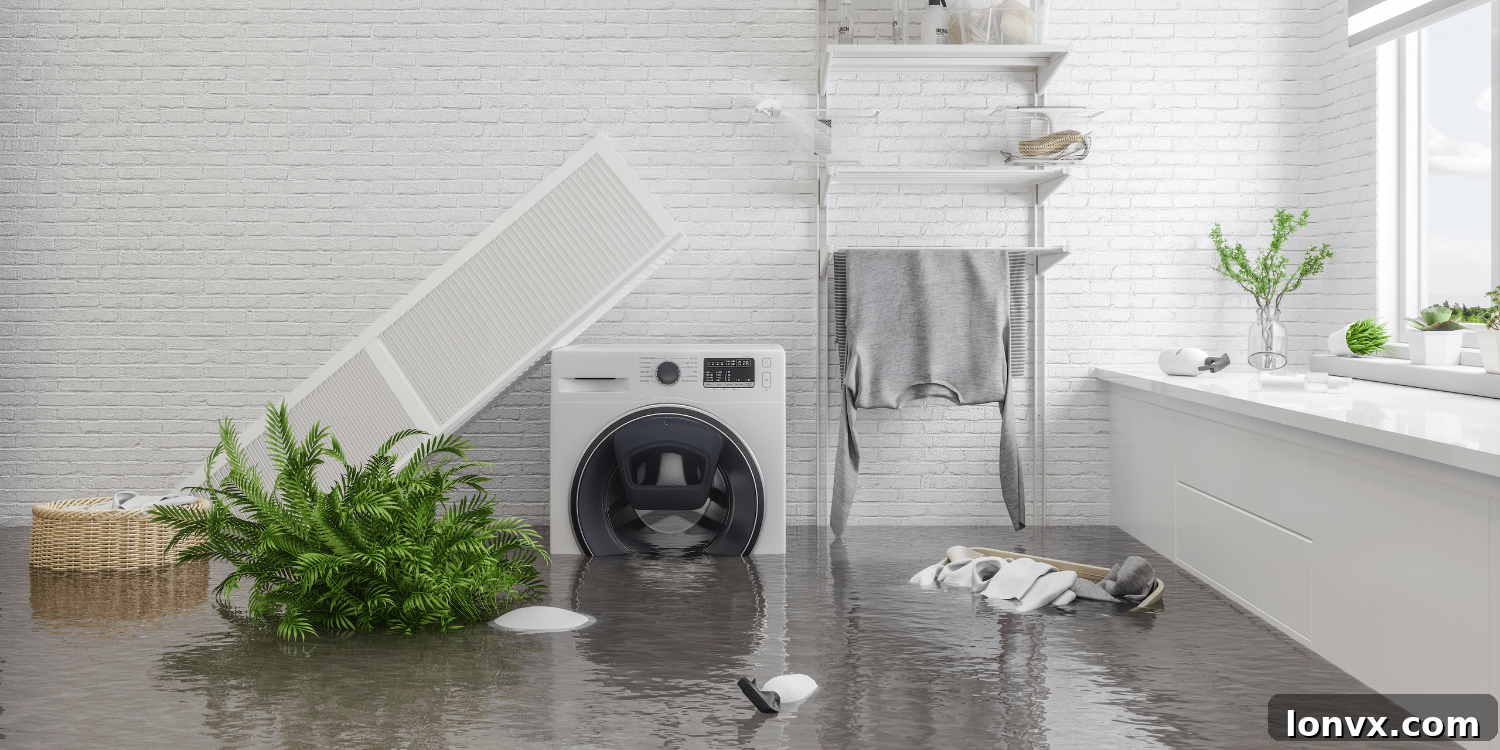
Few things shatter the tranquility of a well-deserved vacation faster than returning home to a flooded basement. This unsettling reality recently became my experience after a trip, where I discovered a burst pipe had been relentlessly gushing water into my basement for weeks. The aftermath was not just a mess, but a stark reminder of the hidden dangers of plumbing failures and the significant financial burden they can impose.
The Stealthy Threat of Water Leaks and Their Financial Fallout
In major urban centers like Toronto, where water usage is meticulously metered, even the smallest leak can quickly inflate your utility bill. Experts warn that seemingly insignificant, often “invisible leaks” can waste substantial amounts of water over time. A catastrophic event, such as a burst pipe running unchecked for mere hours, has the potential to inundate an entire home. While municipalities might eventually send an alert about abnormal consumption, by then, many homeowners find themselves facing exorbitant bills and extensive property damage.
In my personal ordeal, the estimated cost hovers around $6,000. My hope rests on convincing the water utility to grant an adjustment, a task that has proven to be anything but straightforward. Following the city’s stringent guidelines for such matters, I’ve submitted a dossier of documents. This includes confirmation of my age and income, a detailed letter from a licensed plumber verifying the cause and repair, proof that my water meter was functioning flawlessly, and crucial evidence that the leak was beyond my control. To further validate my absence, I even included airline ticket receipts, proving I was out of town when the incident occurred. The process is a gamble, and I sincerely hope the next requirement isn’t my firstborn.
Essential Advice for Real Estate Professionals on Leak Issues
Water leak issues present a unique challenge for real estate agents, especially when dealing with clients whose properties sit vacant due to life changes like divorce, death, or job transfers. In these scenarios, proactive measures are paramount to protect your clients’ investments and avoid unforeseen liabilities. It’s crucial to advise clients on the importance of maintaining plumbing systems, ensuring regular checks, or, ideally, shutting off the water supply when a property is unoccupied.
“Always tell them to shut off the water and place a clear ‘do not use’ note on toilets and faucets,” advises Richard Fleming, broker/owner of Re/Max Mountain View in Calgary. “Many homeowners simply don’t consider this simple, yet effective, precaution.” While turning off the water isn’t ideal for property showings or open houses, the alternative—a crippling water bill or extensive property damage—is far worse. A practical approach is to temporarily restore the water supply for viewings and then shut it off again upon leaving.
Monitoring Water Usage for Early Detection
Homeowners, whether present or absent, should be encouraged to routinely monitor their water consumption. This can be done by reviewing monthly water bills or tracking usage through their utility provider’s online portal. Consistent monitoring can help detect unusual spikes that indicate an unnoticed leak or a continuously running toilet, allowing for early intervention before minor issues escalate into major problems.
Fleming notes that Calgary’s widely publicized water main break in June, while disruptive, had minimal impact on the city’s realtors and their clients, primarily causing only “minor inconvenience” due to temporary water restrictions. However, he vividly recalls a more dire situation: his “worst water leak story ever.” This involved buyers who, against his professional advice, opted out of an independent home inspection. Instead, they relied on a seller-provided inspection report that was a year old. Within months of moving in, heavy rains triggered a severe basement flood. Neighbors later confirmed this was a chronic issue, in fact, the very reason the previous owners sold the house.
“My clients pursued legal action for $40,000—the estimated cost for proper repairs—and ultimately won, but the process dragged on for five agonizing years,” Fleming recounts. His unequivocal advice: “Never use a pre-existing home inspection, and refuse to list with clients who are unwilling to transparently disclose known issues to potential buyers.” This underscores the critical importance of due diligence and ethical conduct in real estate transactions.
Expert Guidance from the Canadian Institute of Plumbing and Heating (CIPH)
The Canadian Institute of Plumbing and Heating offers practical advice for homeowners seeking to troubleshoot and prevent water leaks, beginning with the most obvious yet frequently overlooked step: constant vigilance for drips and damp spots. “This is an extremely pertinent issue,” states Satinder Chera, CEO of CIPH, highlighting that a substantial percentage of insurance claims are directly linked to water damage. “The financial repercussions can be immense, and if left unaddressed, water damage quickly paves the way for hazardous mold growth, posing significant health risks.”
Common Sources and Prevention
In Chera’s experience, the most prevalent culprits behind household water leaks are burst faucets, malfunctioning toilets, and compromised appliance supply lines. These often overlooked components can fail without warning, leading to rapid and extensive water loss. To proactively counter this risk, especially when planning a vacation, Chera advises homeowners to:
- Shut off the Main Water Service Valve: This valve, typically located near your water meter, controls the entire water supply to your home. Turning it off is the most effective way to prevent any internal leaks while you are away.
- Turn Off Your Water Heater: If the main water valve is shut off, it’s also crucial to turn off your water heater. This prevents the unit from continuously heating a static tank of water, which can stress the system and lead to potential issues.
Beyond manual shut-offs, Chera points out the growing array of products designed for advanced leak detection and management. These innovations include automated shutoff valves, which can sense a leak and automatically cut off the water supply, providing an invaluable layer of protection against significant water damage.
Insurance Claims: The Paramountcy of Property Maintenance
Should your client find themselves needing to file an insurance claim for water damage, it’s essential to understand the nuances of policy coverage. Rob de Pruis, a national director with the Insurance Bureau of Canada, clarifies that standard homeowner policies typically cover sudden and unexpected plumbing leaks. However, critical types of water damage, such as sewer backup and flooding caused by heavy rainfall, are generally excluded. For these specific risks, homeowners usually require optional, supplemental coverage, often referred to as “overland water” or “sewer backup” endorsements.
De Pruis emphasizes a fundamental principle in insurance: “If a supply line under a sink has been gradually leaking for years before it finally bursts, that damage is typically not covered.” This highlights that normal wear-and-tear, or damage resulting from a lack of routine maintenance, is generally uninsurable. The overarching message from insurers is unequivocal: “Maintain your property diligently.” Homeowners are expected to perform regular upkeep and address minor issues before they escalate into major claims.
Vacant Property Provisions
Furthermore, an insurance claim might be outright denied if the property owners failed to ensure regular checks on their home during an extended absence. Depending on the specific insurer and policy terms, homeowners are typically required to have a designated person visit the property at least once or twice a week. This provision aims to ensure that any potential issues, including water leaks, are identified and addressed promptly, preventing further damage and mitigating the insurer’s risk. Neglecting this crucial requirement can void coverage, leaving homeowners entirely responsible for the costly repairs.
Beyond the Water Bill: Preventing Secondary Damage
The immediate costs of a water leak extend far beyond a high utility bill or plumbing repairs. Water damage left untreated can lead to a cascade of secondary issues, significantly increasing the overall financial and health burden.
The Threat of Mold Growth
One of the most insidious consequences of water damage is mold. Mold can begin to grow within 24 to 48 hours of water exposure, spreading rapidly and posing serious health risks, particularly for individuals with allergies, asthma, or compromised immune systems. Symptoms can range from respiratory problems and skin irritation to more severe allergic reactions. Preventing mold requires immediate and thorough drying of affected areas. If mold is already present, professional remediation may be necessary to ensure its complete removal and prevent recurrence.
Structural and Electrical Damage
Water can compromise the structural integrity of your home, saturating drywall, warping wooden floors, and damaging insulation. Prolonged exposure can weaken foundations and lead to costly structural repairs. Critically, water and electricity are a dangerous combination. Flooded basements or walls can create electrical hazards, including short circuits and fire risks. Always ensure that power to affected areas is safely shut off before attempting any cleanup or inspection.
My Journey Continues: Hope for an Adjustment
In my specific situation, fortunately, my basement is unfinished and features good drainage, which helped contain the damage and, thankfully, did not necessitate an insurance claim. The challenge now lies squarely with securing an adjustment to my water bill from the City for what was clearly uncontrollable consumption. This is particularly complex given the utility’s current predicament: the recent discovery that a massive number of Toronto’s water meter transmission units have failed, causing widespread havoc with billings across the city.
However, there’s a glimmer of hope for my case. For a bill adjustment to even be considered, water usage during the period in question must be at least three times the home’s usual daily average. I comfortably meet this criterion; my consumption soared to 40 times my normal rate. Moreover, it appears that the water utility might be more inclined to offer leniency in these matters if—how shall I delicately put it—one’s age has reached a “vintage” stage and income levels suggest an absence of platinum credit cards. Relatively speaking, I meet these criteria, a combination I never anticipated finding particularly advantageous. Yet, if it aids in this instance, then so be it. Fingers crossed for a favorable outcome.
Secure Your Home: A Call to Proactive Vigilance
The experience of a burst pipe and the subsequent battle with a utility company is a vivid reminder that a proactive approach to home maintenance is not merely a suggestion but a necessity. Water leaks, whether sudden and catastrophic or slow and insidious, pose significant threats to both your property and your financial well-being. By understanding common causes, implementing preventative measures, embracing smart home technology, and staying informed about insurance policies, homeowners and real estate professionals can significantly mitigate these risks. Protecting your home from water damage is an ongoing commitment, but one that offers invaluable peace of mind and safeguards your most significant investment.
Enjoying this article?
Get the latest articles in your inbox 3x week so you stay up to date on the latest in the Canadian real estate industry