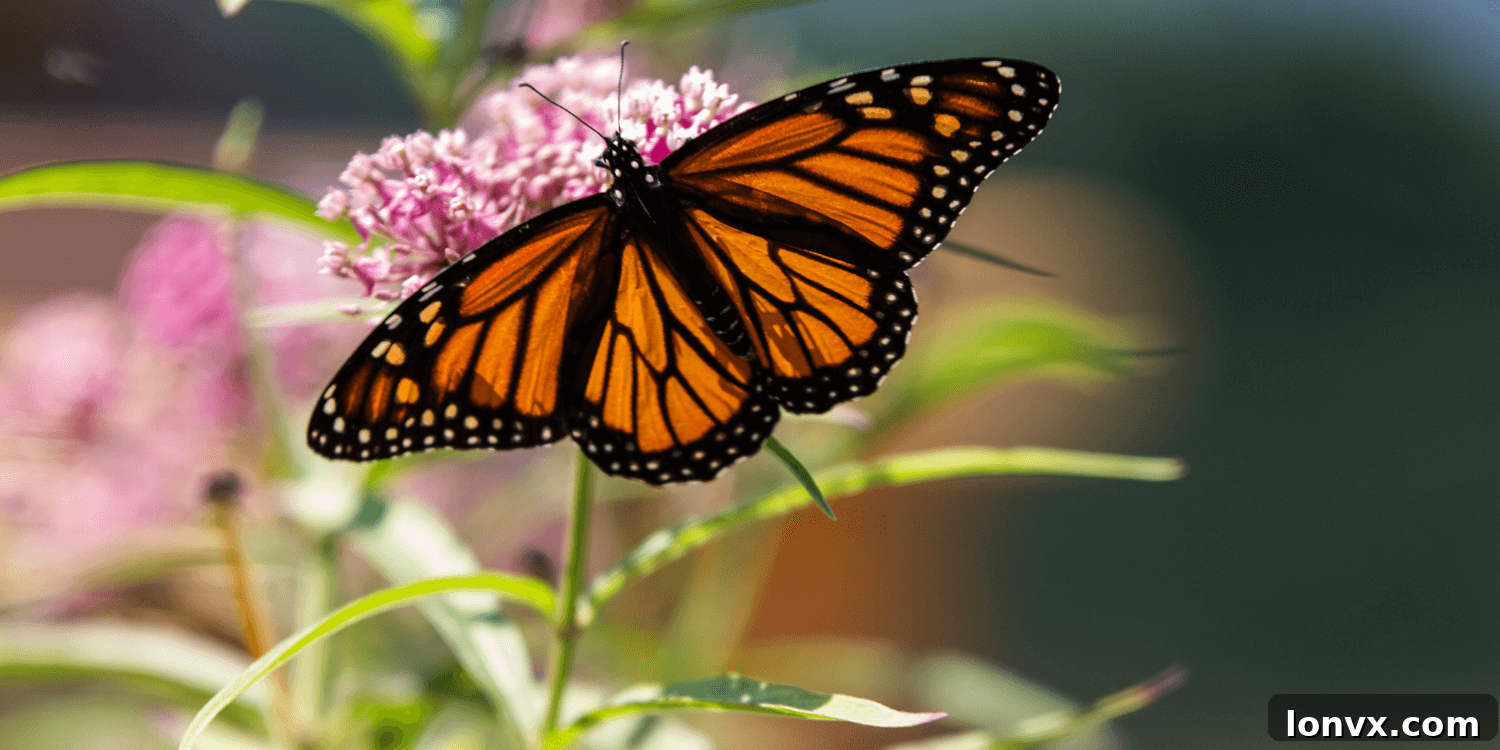
The delicate balance of Canada’s ecosystems faces an unprecedented threat: the pollinator crisis. Vital to agricultural productivity, biodiversity, and the very health of our natural world, pollinator populations are in rapid decline, sounding an urgent alarm across the nation. In response to this critical environmental challenge, the Fly Home Project is spearheading a groundbreaking national initiative, uniting diverse sectors in a collaborative effort to restore and protect these essential species.
This innovative project transcends traditional conservation models, bringing together the dynamic forces of the real estate industry, dedicated conservation groups, and passionate community members. Their shared goal is to actively combat the alarming reduction in pollinator populations, ensuring a vibrant and sustainable future for Canada’s flora and fauna. By fostering cooperation and empowering individuals, the Fly Home Project is not just addressing a crisis; it’s building a movement.
The impact of dwindling pollinator numbers extends far beyond environmental concerns, touching upon economic stability and food security. From the humble honeybee to the majestic Monarch butterfly, these creatures are responsible for the pollination of an estimated one-third of the food we consume. Their absence would lead to devastating consequences for crop yields, native plant reproduction, and the intricate web of life that sustains Canadian landscapes. The urgency of the situation demands immediate, collective action, and the Fly Home Project is designed to deliver precisely that.
Empowering Canadians: A National Free Seed Giveaway
The roots of the Fly Home Project trace back to 2018 when visionary Realtor Alana Russell launched a localized campaign in Ontario’s Waterloo Region. Her initial effort focused on distributing free milkweed seeds – the exclusive host plant for the iconic and endangered Monarch butterfly. This targeted approach quickly garnered significant interest and support, highlighting the community’s readiness to contribute to conservation efforts when provided with accessible tools.
The success of the initial milkweed seed giveaway was undeniable. Last year alone, more than 700 seed packs found their way into the hands of eager gardeners and environmental enthusiasts. This overwhelming positive response served as a powerful catalyst for Russell, inspiring her to envision a much broader reach for the program. Recognizing the widespread desire to help and the urgent national need, she made the pivotal decision to expand the initiative nationwide.
This year, the Fly Home Project’s seed giveaway is proudly open to every Canadian. Anyone across the country who requests seeds can participate in this impactful program. To maximize the benefit to a broader range of pollinators and ecosystems, the seeds distributed this year are Black-Eyed Susan. This resilient and beautiful native plant is known for its ability to support a wide array of pollinators, including various bees, butterflies, and other beneficial insects, making it an excellent choice for a national distribution campaign. By planting these native seeds, Canadians can directly contribute to creating crucial habitats and food sources, transforming their gardens, balconies, and community spaces into vital pollinator havens. This simple act, multiplied across thousands of homes, has the potential to create interconnected corridors of biodiversity, offering lifelines to struggling pollinator populations.
The Significance of Native Plants for Pollinators
The choice of native plants like Black-Eyed Susan and Milkweed is not arbitrary; it’s a scientifically informed decision critical for effective pollinator conservation. Native plants have co-evolved with local pollinator species over millennia, resulting in a perfect symbiotic relationship. They provide the precise nectar, pollen, and host plant requirements that native insects need to thrive. Unlike many ornamental garden plants, native species are often more resistant to local pests and diseases, require less water and maintenance once established, and do not introduce invasive species risks.
For the Monarch butterfly, milkweed is indispensable. It is the only plant on which Monarchs lay their eggs, and its leaves are the sole food source for Monarch caterpillars. Without milkweed, the Monarch lifecycle cannot be completed, directly contributing to their endangered status. Similarly, Black-Eyed Susan offers abundant nectar and pollen, serving as a critical food source for a wide variety of native bees, butterflies, and other beneficial insects. By distributing these specific native seeds, the Fly Home Project ensures that every planting effort translates into maximum ecological benefit, directly supporting the recovery and resilience of Canada’s essential pollinators.
A Referral Network for Nature-Approved Agents: Real Estate with a Conscience

Alana Russell, photo by Mae Villatoro Photography
Beyond the widespread appeal of free seed giveaways, the Fly Home Project introduces an ingenious and impactful dimension: a unique referral network connecting clients with “nature-approved” real estate agents. This innovative model redefines the conventional real estate transaction, embedding environmental responsibility directly into the process of buying or selling a home. Alana Russell, the driving force behind the project, clearly defines a nature-approved agent as someone who deeply values and consistently prioritizes the environment in their professional practice and personal ethos.
The mechanism of this network is both simple and profoundly effective. When homebuyers or sellers are referred to an agent through the Fly Home Network, a meaningful portion of the agent’s commission is not merely collected but intentionally reinvested back into the initiative. This financial contribution directly fuels the Fly Home Project’s ongoing operations, ensuring the continuity and expansion of its crucial conservation programs. It transforms every successful real estate transaction into a tangible win for Canadian ecosystems.
Participants utilizing the network are given a unique choice, empowering them to direct the impact of their transaction. They can opt to have native pollinator plant seeds sent throughout their new or existing neighbourhood, effectively spreading pockets of biodiversity and fostering community-wide engagement. Alternatively, they can choose to have the equivalent value donated to a selected environmental partner agency, extending the project’s reach and impact through established conservation organizations. This dual-option approach allows individuals to align their contribution with their personal preferences, whether it’s direct local action or supporting broader conservation efforts.
Russell articulates an ambitious yet achievable vision for the future of this network: “I hope that it becomes second nature for people looking to find a real estate agent to contact the Fly Home Project. This would bring consistent pockets of pollinator gardens popping up all over North America.” Her aspiration speaks to a transformative shift in consumer behavior, where environmental consciousness becomes an integral part of significant life decisions like home transactions. By seamlessly integrating conservation into commerce, the Fly Home Project offers a powerful model for sustainable business practices and collective environmental stewardship.
How the Nature-Approved Network Benefits Everyone
The Fly Home Project’s referral network offers a multi-layered benefit structure that extends to all stakeholders:
- For Homebuyers and Sellers: It provides a guilt-free way to participate in real estate transactions, knowing that a portion of the commission directly supports vital environmental causes. It connects them with agents who share their values, ensuring a more aligned and ethical service experience.
- For Real Estate Agents: Joining the network offers a distinct competitive advantage. Agents differentiate themselves by showcasing their commitment to environmental responsibility, attracting a growing segment of environmentally conscious clients. It allows them to give back to their communities and the environment through their professional work, enhancing their personal brand and professional legacy.
- For the Environment: Every transaction generates direct financial support for pollinator conservation. Whether through widespread seed distribution or donations to environmental partners, the project creates tangible, positive ecological outcomes. It fosters the creation of new pollinator habitats and raises awareness about the importance of these species.
This innovative model demonstrates how the real estate industry, often seen as solely transactional, can become a powerful engine for positive social and environmental change, proving that profit and purpose can indeed go hand-in-hand.
Building a Legacy: Expanding Partnerships and Future Growth
Alana Russell’s ambition for the Fly Home Project extends far beyond its current successful initiatives. She is steadfast in her commitment to continually expanding partnerships, meticulously building a legacy that will yield profound benefits not only for Canada’s diverse environment but also for the generations to come. This forward-thinking approach is central to the project’s long-term sustainability and its potential for widespread, lasting impact.
The expansion strategy involves forging new alliances with a variety of organizations. This includes deepening relationships with national and local conservation groups, collaborating with other environmentally conscious businesses, engaging community organizations, and even exploring opportunities within educational institutions. Each new partnership strengthens the project’s reach, expertise, and resource base, creating a broader network of support for pollinator conservation efforts across Canada. The goal is to weave the Fly Home Project into the fabric of environmental action, making it a recognized leader and collaborator in sustainable development.
For real estate agents who are inspired by this vision and wish to become an integral part of the Fly Home Project referral network, or for those who simply wish to refer clients to this impactful program, the process is straightforward and accessible. Interested parties can connect directly with the dedicated team through their official website. This digital gateway serves as the primary hub for inquiries, agent applications, and information, streamlining participation and fostering a growing community of environmentally conscious professionals.
A fundamental principle of the Fly Home Project is its commitment to accessibility and inclusion. There is absolutely no cost for agents to join the program or for any individual to utilize the Fly Home Network to find a nature-approved agent. This no-barrier approach ensures that the project remains open to all who wish to contribute to or benefit from its mission. Russell explains that the proceeds generated through the referral network are meticulously managed to support the initiative’s operational business expenses, ensuring its smooth functioning. Crucially, a significant portion of these funds is directly allocated to the seed distribution program and to partner agencies receiving donations, directly fueling the core conservation activities of the project.
A Vision for the Future: Fall Campaign with Milkweed and Beyond
Looking ahead, Russell and the Fly Home Project team are actively exploring exciting new avenues for impact. Among these future plans is the potential for a dedicated fall campaign focused on distributing milkweed seeds. This strategic timing is crucial for the Monarch butterfly, as milkweed planting in the fall can support the following year’s migrating populations, providing essential host plants for new generations of caterpillars. Such a campaign would further reinforce the project’s commitment to specific, high-impact conservation efforts for endangered species like the Monarch.
Reflecting on the journey so far, Alana Russell shares profound satisfaction: “It has been a really positive and rewarding experience that has created a personal and professional legacy.” This sentiment encapsulates the deep personal fulfillment derived from aligning one’s professional life with a meaningful cause. The Fly Home Project is not just a business venture; it’s a testament to the power of individual initiative to spark widespread change, leaving a lasting mark on both the environment and the community.
Russell’s philosophy extends beyond the immediate scope of the project, advocating for a broader paradigm shift in commerce. “I think it’s important that we look to find new, creative, and responsible ways to do business,” she emphasizes. This statement serves as a powerful call to action for businesses across all sectors to rethink their operational models, integrate sustainability, and embrace corporate social responsibility as a core value. The Fly Home Project stands as a shining example of how innovation, collaboration, and a deep commitment to environmental stewardship can forge a path towards a more sustainable and equitable future for all.
By transforming routine transactions into opportunities for ecological benefit, the Fly Home Project is not just saving pollinators; it’s cultivating a new generation of environmentally conscious citizens and businesses. It’s a testament to the idea that every decision, no matter how small, can contribute to a larger, more positive narrative for our planet.