Canada’s Rental Crisis Deepens: Record-Low Vacancy and Soaring Rents in 2023
Canada’s rental market faced an unprecedented surge in demand during 2023, relentlessly outpacing the available supply and pushing the nation into a severe rental crisis. This escalating imbalance has resulted in rapidly diminishing affordability and a historic low in vacancy rates, according to the latest Rental Market Report (RMR) by Canada Mortgage and Housing Corporation (CMHC). The report meticulously details the challenges across major Canadian cities, including but not limited to Vancouver, Toronto, Montreal, Calgary, and Halifax, highlighting a nationwide struggle for renters.
The implications of this crisis are far-reaching, affecting students, young professionals, families, and new immigrants alike. As the cost of living continues to rise and the dream of homeownership becomes increasingly distant for many, the rental market bears the brunt of the pressure. Understanding the multifaceted causes and potential solutions is crucial for policymakers, developers, and the public, as the very fabric of Canadian society is impacted by the availability and affordability of housing.
Record-Low Vacancy Rates: A Dire Indicator of Unmet Demand
The most striking finding from the CMHC report is the staggering decline in Canada’s primary rental market vacancy rate, which hit an alarming new low of 1.5 per cent last year. This figure represents the lowest rate ever recorded since CMHC began tracking data in 1988, underscoring the severity of the supply-demand imbalance. Such a critically low vacancy rate means that for every 100 rental units, only 1.5 are available at any given time, making the search for suitable and affordable housing incredibly competitive, arduous, and often disheartening for prospective tenants. This scarcity creates a landlord’s market, where competition drives up prices and reduces options, leaving many vulnerable.
Kevin Hughes, CMHC’s Deputy Chief Economist, aptly summarizes the situation, stating: “Again in 2023, strong rental demand continued to outpace supply in communities across the country, making it very difficult for renters to find housing they can afford. The vacancy rates and rent increases we are observing are further evidence the current level of rental supply in Canada is vastly insufficient and the need to increase this supply is urgent.” This statement serves as a stark warning and a powerful call to action for all stakeholders involved in Canada’s housing sector. The emotional and financial toll on renters, who spend countless hours searching for housing, often facing bidding wars, exorbitant prices, and precarious living situations, cannot be overstated. It points to a systemic issue that requires immediate and sustained intervention.
Key Drivers of Canada’s Intensifying Rental Market Squeeze
The acute challenges observed in the Canadian rental market are not isolated incidents but rather the result of several interconnected factors that have converged to create a perfect storm. From relentlessly soaring rental costs to persistent supply deficits and formidable obstacles in construction, each element contributes to the current unsustainable environment, pushing rental affordability to its limits across the nation.
Rapid Rent Growth and Worsening Affordability
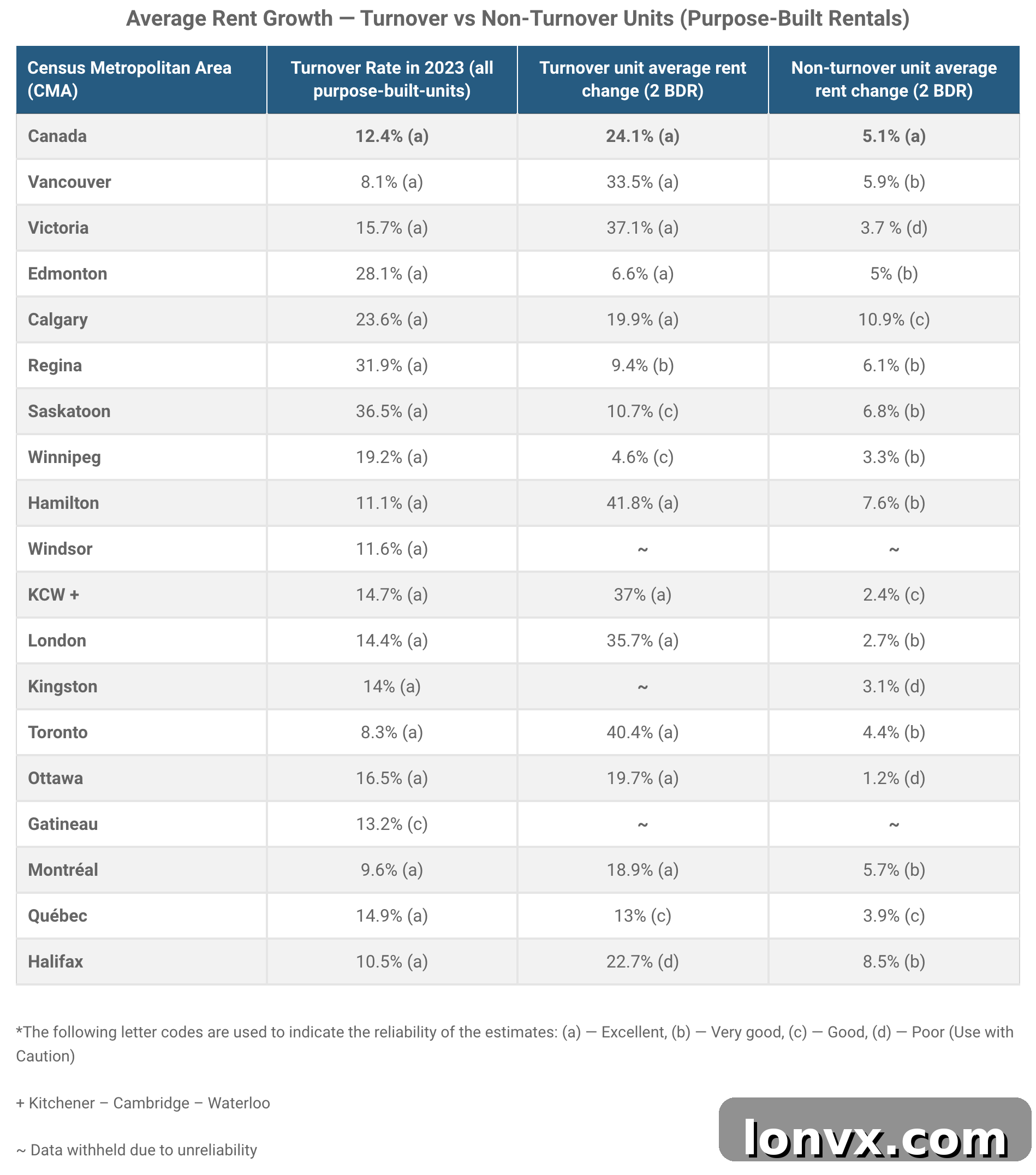
One of the most immediate and painful consequences for renters has been the rapid and unprecedented escalation in rental prices. The average rent for two-bedroom purpose-built rental units surged by a significant 8 per cent last year, a rate well above historical averages and a stark indicator of market pressure. This growth was particularly pronounced in “turnover” units – those becoming available to new tenants. When existing tenants move out, landlords are often able to reset rents at significantly higher rates, reflecting current market demand rather than the more stable, often lower, rents paid by long-term occupants. This phenomenon creates immense challenges for individuals and families entering the rental market or needing to relocate, effectively pricing many out of desirable neighborhoods or even entire cities and forcing them into less suitable or more distant locations.
This upward trend in rent is further exacerbated by the general increase in the cost of living across Canada. With inflation impacting everything from groceries and utilities to transportation, families find their budgets stretched thin, making high rental costs an even heavier burden. For many, finding an affordable two-bedroom apartment, which is often a benchmark for family housing, has become a near-impossible task in major urban centers, pushing household budgets to their breaking point and forcing difficult compromises.
Source: CMHC
The Persistent Supply-Demand Imbalance
At the core of the rental crisis lies a fundamental and widening imbalance between the available supply of rental housing and the overwhelming demand. Despite ongoing efforts to increase rental supply in major Canadian cities, demand pressures continued unabated in 2023, primarily fueled by robust population growth and strong employment expansion. Canada’s welcoming immigration policies, while vital for economic growth and cultural diversity, have significantly contributed to the influx of new residents who initially and predominantly rely on the rental market for housing. This demographic shift, coupled with inter-provincial migration to booming economic hubs, places immense strain on existing housing stock.
Compounding this issue, higher mortgage rates introduced by the Bank of Canada and persistently soaring home prices have effectively locked many potential first-time homebuyers out of the ownership market. These individuals, who might otherwise have transitioned to homeownership, are now forced to remain in or enter the rental market, adding further pressure to an already strained system. This dynamic creates a vicious cycle where a lack of affordable housing in both ownership and rental sectors exacerbates the problem in both, pushing more people into an increasingly competitive and expensive rental pool.
Hurdles in New Rental Construction
While the need for increased supply is undeniable and widely acknowledged, homebuilders and developers face significant and complex obstacles in constructing new rental properties. The costs associated with development have skyrocketed, presenting formidable challenges that often deter new projects. These critical barriers include:
- Escalating Financing Costs: Higher interest rates, a tool used by central banks to combat inflation, make borrowing money for large-scale development projects exponentially more expensive. This directly impacts project feasibility, requiring higher rents or sale prices to achieve profitability, and often leading to delays or cancellations of planned developments.
- Material Costs: Persistent supply chain disruptions, global inflation, and increased demand for construction materials continue to drive up costs. Everything from lumber and steel to concrete and finishing materials has become significantly more expensive, making building new properties a far costlier endeavor than in previous years.
- Labor Shortages: A critical and persistent shortage of skilled tradespeople and construction workers across the country means higher labor costs and inevitable delays in project completion. This scarcity not only adds to the overall expense but also extends timelines, delaying the availability of much-needed housing units to the market.
- Bureaucratic Delays and Red Tape: Lengthy municipal approval processes, complex and often outdated zoning regulations, and administrative bottlenecks significantly prolong project timelines. These delays not only add substantial holding costs for developers but also delay the delivery of new housing units to a market desperately in need.
These combined factors often deter developers from undertaking purpose-built rental projects, which typically have longer payback periods and can offer lower profit margins compared to quicker, often more lucrative, condominium developments. The complexity, financial risk, and extended timelines associated with rental construction are significant systemic barriers that require comprehensive and collaborative solutions across all levels of government.
Tightening Secondary Rental Market
The primary rental market, consisting of purpose-built rental buildings, is not the only segment experiencing intense pressure. The secondary rental market, largely comprising condominium units rented out by their individual owners, also saw significant tightening in 2023. The average vacancy rate for condominiums plummeted to 0.9 per cent across the 17 surveyed areas, a notable drop from 1.6 per cent in the previous year. This indicates that even private landlords renting out their condo units are finding tenants quickly and at higher prices, reflecting the overall scarcity of rental options and the desperate state of demand.
The secondary market often provides a crucial alternative for renters, especially in dense urban centers where purpose-built rentals might be less common or considerably more expensive. Its tightening is a clear signal that the housing supply crisis is pervasive across all rental types, encompassing both dedicated rental complexes and privately owned units. This leaves fewer choices for renters, amplifies competition, and contributes to the overall rise in rental costs, making the search for suitable accommodation an increasingly formidable challenge across the board.
Expert Insights: A Call for Systemic Change in Canada’s Housing Market
Industry leaders and housing experts largely agree that the CMHC report’s findings, while alarming, are unfortunately not surprising. They collectively underscore the urgent need for a comprehensive, multi-faceted, and collaborative approach to address Canada’s housing crisis, recognizing that piecemeal solutions will not suffice.
Karen Yolevski, COO of Royal LePage Real Estate Services Ltd., highlights the long-standing nature of the issue, stating: “Over the last several years, we have seen competition in rental markets across the country tighten and average rents increase significantly.” Yolevski emphasizes a fundamental truth about the Canadian housing ecosystem: “We cannot have a healthy housing market without a healthy rental market.” This perspective underscores the deep interconnectedness of housing affordability across all tenure types – homeownership, primary rental, and secondary rental. She further stresses the importance of recent policies that incentivize the development of purpose-built rentals and initiatives designed to speed up the approval process for new developments. Such policies, which may include financial incentives, progressive zoning reforms, and streamlined regulatory frameworks, are deemed critical to ensuring a steady and adequate pipeline of new rental units, crucial for long-term stability.
Realtor and author Dean Artenosi, co-owner of Coldwell Banker The Real Estate Centre Brokerage, echoes the sentiment about the crucial need for systemic change, particularly focusing on the pervasive bureaucratic hurdles developers face. “We have to encourage a faster approval process for developers to build new or repurpose existing housing. It should not take 10 years to get a building up,” he asserts with frustration. Artenosi passionately argues that “The amount of red tape is dysfunctional as developers who try to come up with housing solutions only do it once — if they stick with it at all — and give up.” His comments point to the frustrating reality faced by many developers who, despite having viable solutions and capital, are bogged down by excessively long, opaque, and complex municipal approval processes, ultimately stifling innovation, deterring investment, and exacerbating the housing supply deficit.
The International Student Visa Cap: A Partial Solution or a Temporary Band-Aid?
In an attempt to mitigate the severe rental housing shortage, the federal government recently announced a significant reduction in the number of international student visas issued over the next two years. The rationale behind this policy is to ease some of the demand pressures on the rental market, particularly in cities with large international student populations like Toronto, Vancouver, and Montreal, where student housing can be particularly strained.
While this measure might offer some marginal, localized relief and potentially slow rent appreciation in specific student-heavy markets in the short term, expert opinions widely suggest it will not fundamentally alter the trajectory of rental prices or solve the deeper, structural issues at play across the national market. Dean Artenosi describes the ban as a “band-aid,” suggesting it’s merely a temporary fix that fails to address the underlying, systemic causes of the crisis, such as the chronic lack of new construction. He maintains that true, sustainable progress lies in facilitating quicker development approvals and increasing overall housing stock.
Karen Yolevski shares a strikingly similar view, stating: “Demand for rental properties continues to far outweigh available supply. While the cap on international student visas may marginally reduce demand for rental housing in some cities, we do not believe it will have a material impact on prices in the long term. International students make up a very small percentage of total rental demand. Canada’s housing supply and affordability crisis can only be solved by dramatically increasing inventory.” This crucial insight underscores that while international students contribute to demand, they are not the sole or even primary drivers of the widespread rental crisis. The fundamental problem remains the chronic undersupply of housing across all segments of the market, which existed long before the recent surge in international student numbers.
Furthermore, the cap on international student visas raises broader questions about its implications for Canada’s economy, its world-renowned higher education sector, and its global standing. Universities, which rely heavily on international student tuition fees, face significant financial adjustments, potentially impacting their ability to offer diverse programs, fund vital research, and maintain their competitive edge. The long-term effects on Canada’s future workforce, as fewer skilled individuals enter the country through established academic pathways, also warrant careful and strategic consideration, as these students often fill critical labor gaps post-graduation.
Towards a Sustainable Rental Market: The Path Forward
Addressing Canada’s pervasive and deepening rental crisis requires a multi-pronged, collaborative, and sustained effort from all levels of government, the private sector, and communities. Relying on single, isolated policies or temporary measures will not suffice to rectify decades of underinvestment, policy shortcomings, and complex systemic barriers.
The primary focus must unequivocally be on dramatically increasing the supply of diverse housing options, particularly purpose-built rental units that cater to a wide range of needs and income levels. This comprehensive strategy involves:
- Streamlining Approval Processes: Municipalities must work diligently to significantly reduce the time it takes to approve new developments, cutting through the notorious bureaucratic red tape that often delays projects for years. This includes modernizing outdated zoning bylaws to allow for greater density and a wider variety of housing types, moving away from exclusionary single-family zoning.
- Financial Incentives for Developers: Governments can play a crucial role by offering targeted financial incentives, such as tax breaks, low-interest loans, or grants, to developers willing to build purpose-built rentals, especially those that include affordable housing components. Reducing or deferring development charges could also make projects more viable and attractive.
- Investment in Critical Infrastructure: Adequate public infrastructure – including transit networks, water and sewage systems, schools, and healthcare facilities – must proactively keep pace with housing development to support growing communities and ensure sustainability.
- Combating Labor Shortages: Strategic investments in trades education and training programs are essential to ensure a robust and skilled workforce capable of building the required volume of housing efficiently and effectively.
- Innovating Housing Solutions: Exploring and adopting modular construction, prefabrication, and other innovative building techniques can help accelerate construction times, reduce on-site waste, and potentially lower overall costs, making housing more attainable.
- Addressing Land Speculation: Implementing policies aimed at curbing excessive land speculation could help stabilize land prices, making development more predictable and ultimately more affordable for developers and renters alike.
- Federal and Provincial Collaboration: A unified, cohesive national housing strategy is critically needed, with federal and provincial governments providing strong leadership, consistent funding, and legislative support to empower municipalities to build faster, smarter, and more efficiently.
Ultimately, solving the rental crisis is not just about constructing more buildings; it’s about strategically planning and creating livable, accessible, and affordable communities where everyone in Canada has a safe, secure, and dignified place to call home. This requires a long-term vision, sustained political will, and an unwavering commitment to overcoming the systemic barriers that have led to the current predicament and are undermining the well-being of countless Canadians.
For a complete and in-depth understanding of the market dynamics, readers are strongly encouraged to review the CMHC’s full Rental Market Report, which provides detailed regional data and further analysis.
Enjoying this article?
Get the latest REM articles in your inbox 3x week so you stay up to date on the latest in the Canadian real estate industry.