The real estate landscape is undergoing a significant transformation, driven by an increasing focus on sustainability and long-term financial benefits. For a growing number of homebuyers, the allure of green features in a property is undeniable, promising not only reduced environmental impact but also substantial savings on utility bills over time. However, this shift towards eco-conscious living often collides with a crucial obstacle: the higher upfront costs associated with many sustainable home upgrades. This creates a fascinating dynamic in the market, where the desire for a greener, more efficient home must be balanced against immediate budgetary considerations.
Industry experts are observing these evolving preferences firsthand. Toronto Realtor Jamie Dempster, a prominent agent with Re/Max Hallmark, notes a strong interest among his clients in a variety of energy-efficient solutions. These include modern heat pump systems, high-performance energy-efficient windows, advanced smart home technology, and robust spray foam insulation. Each of these features plays a pivotal role in significantly lowering a home’s energy consumption and operational costs, thereby contributing to a reduced carbon footprint and fostering a more sustainable lifestyle. The rising demand for such features underscores a broader societal shift towards valuing environmental responsibility alongside financial prudence in homeownership.
Embracing Innovative Green Technologies for Home Efficiency
Among the most sought-after green upgrades, heat pumps stand out as a revolutionary alternative to traditional heating and cooling systems. Dempster highlights a growing trend where homeowners are opting for multiple heat pump units instead of conventional ducted systems paired with gas furnaces. This preference is driven by the superior energy efficiency of heat pumps, which primarily utilize electricity (hydro) rather than natural gas. This not only translates to lower monthly energy bills but also represents a more environmentally friendly choice, aligning with efforts to decarbonize residential energy consumption.
Technological advancements have made modern heat pumps more compact and versatile, suitable for a wider range of home designs and climates. Dempster praises heat pumps as offering “the best value” among green features, noting their relatively inexpensive installation cost compared to the significant long-term savings they deliver. Their dual functionality, providing both heating and cooling, further enhances their appeal, simplifying home climate control and maximizing comfort year-round.
Smart home technology also continues to capture the interest of homebuyers focused on energy management. Smart thermostats, such as the widely popular Nest, exemplify how technology can empower homeowners to optimize their energy usage dynamically. These intelligent devices allow for personalized temperature adjustments based on the homeowner’s daily routine, ensuring that energy isn’t wasted on heating or cooling an empty house. Users can effortlessly lower the air conditioning when they leave for work and then remotely adjust it back to a comfortable temperature just before their return, avoiding the need for constant, energy-intensive temperature maintenance. Beyond manual adjustments, advanced smart thermostats possess the capability to learn household behaviors and automatically adapt temperature settings, leading to even greater efficiency and convenience.
“Smart thermostats have been a game changer,” Dempster states, emphasizing their profound impact on sustainable living. “They really have revolutionized eco-living for people that really want to save not just money but the environment.” This sentiment reflects a broader recognition that technology can bridge the gap between environmental responsibility and everyday convenience, making green living more accessible and rewarding for a wider audience.
Beyond heating and cooling, the energy efficiency of household appliances is another key area of inquiry for Dempster’s clients. Homebuyers are increasingly scrutinizing appliances for the Energy Star label, an international standard for energy-efficient consumer products. This certification assures consumers that an appliance meets strict energy efficiency guidelines set by government agencies, translating into reduced electricity consumption and lower operating costs over the appliance’s lifespan. From refrigerators and washing machines to dishwashers and televisions, Energy Star rated products are becoming a non-negotiable component of a truly green and cost-effective home.
Surging Demand for Sustainable Home Upgrades
The burgeoning demand for green features is not merely anecdotal but is firmly supported by market research. According to the insightful 2025 Canada Mortgage and Housing Corporation (CMHC) Mortgage Consumer Survey, a significant portion of the Canadian population is actively investing in or planning for energy-efficient home improvements. The survey reveals that 28% of mortgage consumers undertook renovations specifically aimed at enhancing their home’s energy efficiency within the past three years. Furthermore, a promising 31% expressed definite future plans for incorporating green upgrades into their homes.
These statistics highlight a clear trend: sustainability is becoming a central criterion in homeownership decisions. The CMHC survey further underscores this by noting that a substantial 61% of respondents reported that energy efficiency played a direct role in their homebuying decisions. This represents a noticeable increase from 57% in the previous year’s 2024 survey, indicating an accelerating shift in consumer priorities. Homebuyers are not just looking for a place to live; they are actively seeking homes that promise lower utility bills, enhanced comfort, and a smaller environmental footprint. This growing awareness is transforming the real estate market, pushing builders and sellers to consider and integrate more green solutions into their offerings to meet evolving consumer expectations. The long-term implications of these trends suggest a future where energy-efficient homes are not just a niche market but a fundamental expectation.
Upfront Costs: A Persistent Barrier to Green Home Adoption
Despite the clear long-term benefits and rising consumer interest, the initial investment required for many green features remains a significant hurdle for prospective homebuyers. Toronto real estate agent Sivage Sivagumaran points out that while the concept of sustainable living is appealing, the price tag often acts as a “deal-breaker” for his clients. In a competitive and often expensive housing market like Canada’s, many buyers, particularly first-time homeowners or investors, prioritize immediate affordability over future savings from costly green installations.
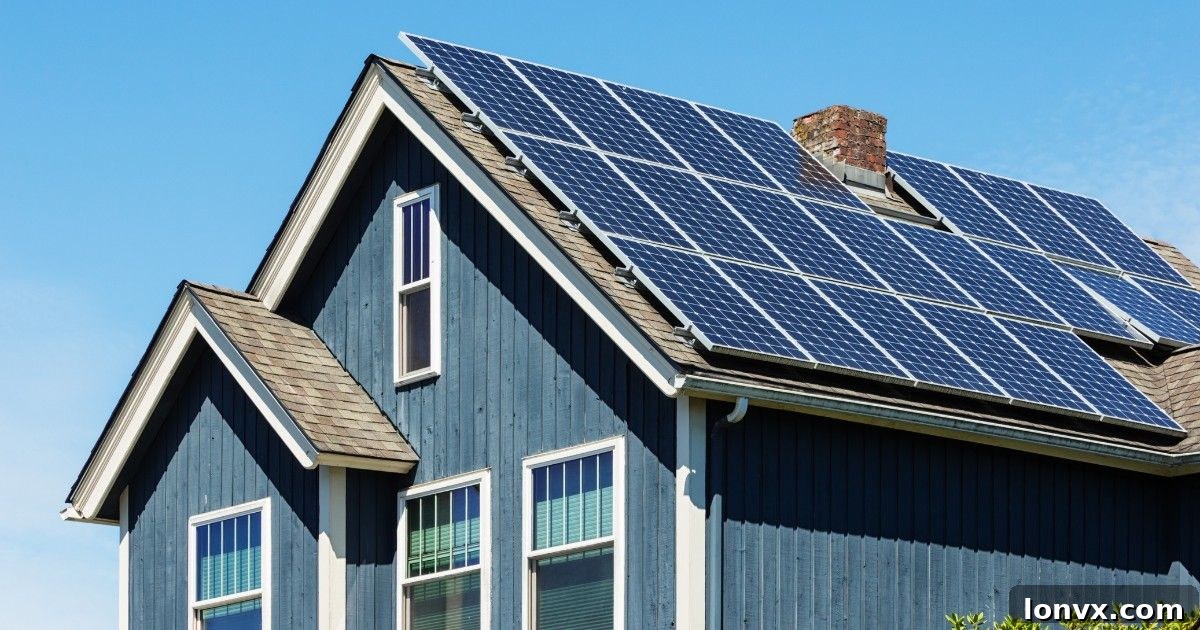
Sivagumaran notes that features like solar panels, while highly effective in generating renewable energy, often fall into the category of “costly green features” that many clients are hesitant to invest in upfront. “If it’s a first-time buyer or investor, they don’t give a damn about the green things,” he candidly states, reflecting the economic realities. “It’s already damn expensive in today’s world (in Canada).” This perspective highlights the challenge of balancing environmental aspirations with the immediate financial pressures faced by many buyers trying to enter or navigate the housing market.
Instead, Sivagumaran’s clients, many of whom he serves as an agent with Re/Max Crossroads, tend to focus on smaller, more affordable green features that offer quicker returns on investment and tangible long-term savings. These include upgrades such as energy-efficient LED lighting and, notably, heat pumps, which have a lower initial cost compared to a full solar array. He estimates that approximately 30% of the homes he shows already incorporate such entry-level green features, demonstrating a baseline adoption of more accessible sustainable solutions.
Furthermore, Sivagumaran observes that specific inquiries about comprehensive green features are relatively uncommon, coming from only about two or three out of every ten clients. These clients are typically not first-time homebuyers but rather more established individuals who are financially well-off and looking to upgrade their existing homes. This suggests that the adoption of more extensive green technologies often correlates with higher disposable income and a greater capacity to invest in long-term property enhancements, underscoring the ongoing need for mechanisms to make these features more accessible across all income brackets. Government incentives, rebates, and financing options could play a crucial role in mitigating these upfront costs and democratizing access to sustainable homeownership.
Managing Costs from the Ground Up: The Future of Green Building
Recognizing that upfront costs can be a deterrent for many potential buyers, builders and developers are actively exploring strategies to integrate green features more affordably. The key, experts suggest, lies in a fundamental shift in approach: designing and constructing homes with energy efficiency as a core principle from the very outset.
Laurna Strikwerda, Director of Project Development and Research at the Canada Green Building Council, emphasizes this integrated design philosophy. She explains that green home features can be implemented far more cost-effectively when they are seamlessly incorporated into the home’s initial design and construction plans, rather than being added as afterthoughts or retrofits. This proactive approach allows for optimized material use, coordinated system integration, and reduced labor costs associated with complex modifications later in the building process.
This conclusion is echoed by a 2024 report from BC Housing, which rigorously examined the economics of sustainable construction. The report’s findings were groundbreaking, demonstrating that energy-efficient housing can, in fact, be built at the same cost or even lower than conventional housing, provided that robust planning and green design principles are applied from the project’s inception. This dispels the common misconception that sustainable building inherently equates to higher expenses, showcasing the potential for cost parity or even savings through intelligent design and efficient construction methodologies.
One particularly promising method highlighted by Strikwerda for achieving cost-effective green homes is prefabricated construction. By manufacturing structural components and even entire modules off-site in a controlled factory environment, builders can mitigate many of the challenges and inefficiencies associated with traditional on-site construction. These advantages include reduced waste, consistent quality control, protection from adverse weather conditions (which can cause delays and material damage), and significantly faster assembly times on the building site. The Canadian government, under Prime Minister Mark Carney, has notably taken a keen interest in prefabricated homes, recognizing their potential as a rapid and efficient solution for constructing affordable and environmentally friendly housing across the country. This strategic focus underscores the national importance of scaling up sustainable building practices to address both housing affordability and climate change goals.
“We actually can incorporate green features in a cost-effective way… with planning and incorporating that into design and construction from the get-go,” Strikwerda affirms, reinforcing the message that thoughtful planning is the cornerstone of accessible green building.
Working with Nature: Holistic and Passive Design
A pioneer in leveraging prefabricated construction for affordable, sustainable homes is CABN, a forward-thinking green home builder. Jonathan Frank, CABN’s Chief Development Officer, elaborates on their efficient approach, explaining that the company can construct homes ranging from compact 540-square-foot units to spacious 2,400-square-foot residences in a matter of weeks using their advanced prefabricated methods. This speed and efficiency directly contribute to cost savings and make high-quality green homes more accessible to a broader market.
Frank passionately advocates for a holistic approach to building green homes, where sustainable features are not merely tacked on but are intricately integrated into the overall architectural design. This means considering how elements like heat pumps, superior insulation, and high-performance windows work in concert to create an optimally efficient living environment. This integrated philosophy contrasts sharply with a piecemeal approach, ensuring that every component contributes synergistically to the home’s energy performance and occupant comfort.
A prime example of this holistic strategy is the concept of passive home design. This innovative approach significantly reduces a home’s energy consumption by intelligently harnessing natural elements rather than relying heavily on active mechanical systems. Key principles include super insulation, airtight construction, high-performance windows, and a heat recovery ventilation system. Critically, passive design also involves strategically positioning windows and orienting the building to maximize natural light and thermal gain in winter, while minimizing unwanted solar heat gain in summer. This careful consideration of solar path and prevailing winds allows homes to remain comfortable year-round with minimal heating or cooling input.
“You can build homes that work with nature, not against it,” Frank asserts, encapsulating the core philosophy of passive design. He adds, “They can be smart without needing to be high tech,” highlighting that true intelligence in home design often comes from understanding and leveraging fundamental environmental principles rather than solely relying on complex electronic systems. This approach not only results in dramatically lower utility bills but also creates healthier, quieter, and more comfortable living spaces, underscoring the multifaceted benefits of designing homes that are inherently intertwined with their natural surroundings.
The Evolving Landscape of Sustainable Homeownership
The dialogue surrounding green features in homebuying is clearly evolving. While the promise of long-term savings and environmental stewardship continues to drive interest, the challenge of upfront costs remains a significant consideration for many. However, the industry is responding with innovative solutions, from advanced technologies like heat pumps and smart thermostats to revolutionary construction methods such as prefabricated building. Coupled with a growing understanding that integrated design from the ground up can make sustainable homes more affordable, the future of eco-friendly housing appears increasingly promising. As consumer awareness grows and builders adopt more holistic approaches, the dream of owning an energy-efficient, environmentally responsible home is steadily becoming a more attainable reality for a wider segment of the population, paving the way for a greener, more sustainable built environment.