Mastering Prospect Engagement: Why Consistent Contact is Key, Not Annoyance
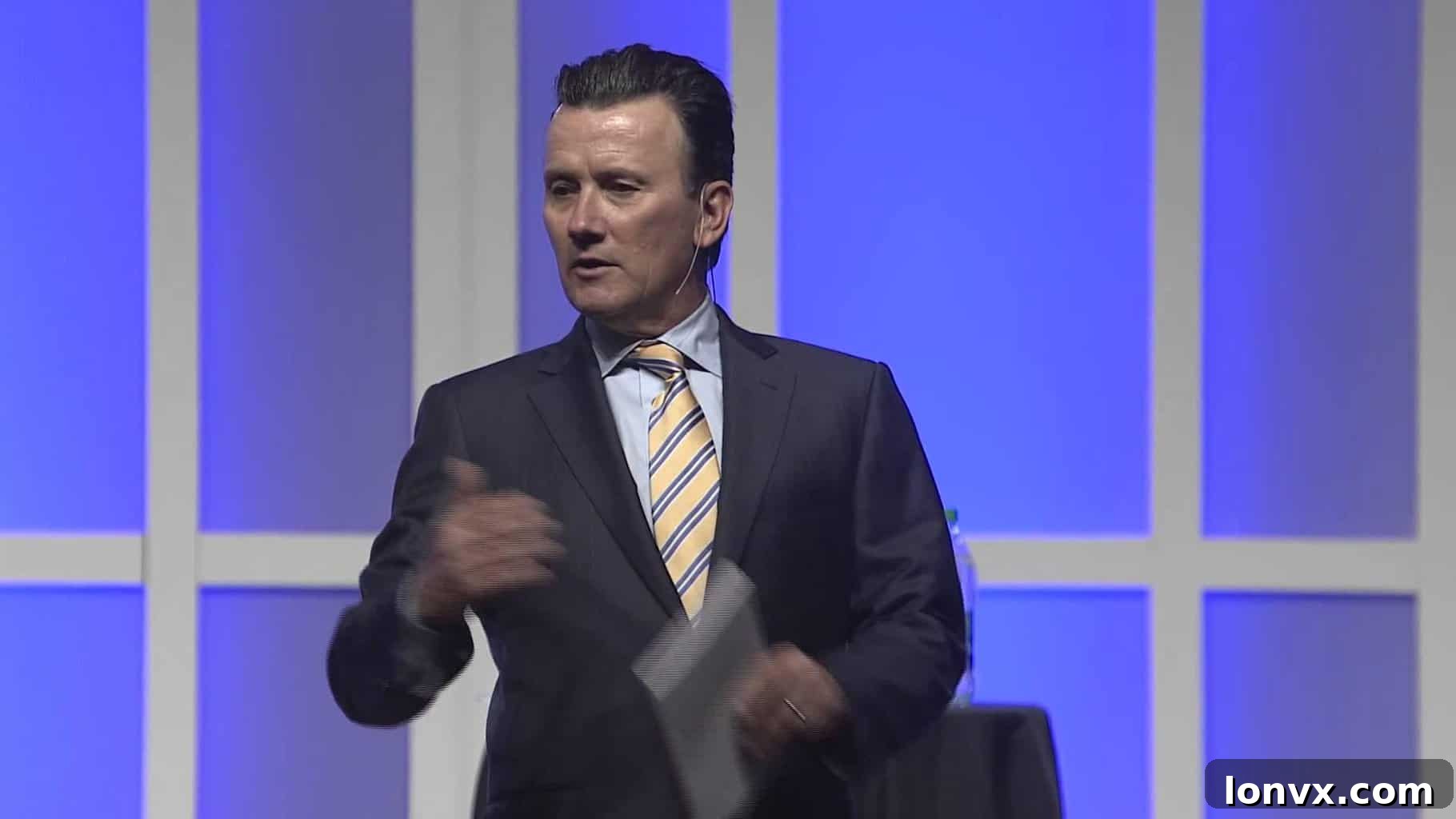
In the dynamic world of sales and marketing, the debate over ideal prospect contact frequency is a perennial one. Industry titans often share insights that challenge conventional wisdom, and one such piece of advice comes from the renowned business strategist, Richard Robbins. He advocates for contacting your prospects in some meaningful way at least three times a month. For many professionals, this raises an immediate and understandable concern: “Doesn’t that mean you are bugging them too much?” Robbins, however, offers a compelling counter-argument, suggesting that this consistent cadence is not just effective, but essential for building strong relationships and securing business.
This article delves into the nuances of Robbins’ philosophy, exploring why a seemingly high contact frequency can actually be a cornerstone of successful lead nurturing and client retention. We’ll unpack the strategies that transform potential annoyance into valuable engagement, ensuring your outreach is always welcomed, not dismissed.
The Common Fear: Are You Being Too Pushy?
The hesitation to engage frequently with prospects stems from a deeply ingrained fear: the fear of being perceived as pushy, desperate, or simply a nuisance. No sales professional wants to alienate potential clients by overwhelming their inboxes or voicemail with constant pitches. This apprehension often leads to infrequent, sporadic contact, which ironically can be less effective than a more structured, consistent approach. When contact is too infrequent, prospects forget about you, your brand, and the value you offer. They might even turn to competitors who are more diligent in their outreach.
Richard Robbins challenges this fear by reframing the purpose of contact. It’s not about incessant selling; it’s about consistent value delivery and relationship building. The distinction lies in the quality and intent behind each interaction. If your communication consistently provides benefit, insight, or a genuine opportunity for connection, it ceases to be “bugging” and transforms into valuable engagement.
Richard Robbins’ Perspective: The Power of Top-of-Mind Awareness
Robbins’ advice is rooted in a fundamental understanding of human psychology and market dynamics. In today’s hyper-competitive landscape, attention is a scarce commodity. Prospects are bombarded with information from countless sources. To cut through the noise, you need to remain consistently visible and relevant. This is where the concept of “top-of-mind awareness” becomes crucial.
Contacting prospects three times a month ensures that your name, your brand, and your unique value proposition stay fresh in their minds. When the time comes for them to make a purchasing decision related to your product or service, you are the first one they think of. This isn’t achieved through a single, impactful interaction, but through a series of thoughtful, well-timed touchpoints that collectively build familiarity and trust. It’s a marathon, not a sprint, and consistency is your pace-setter.
Beyond Just Selling: Building Authentic Relationships
One of the core tenets of Robbins’ approach is that consistent contact should be seen as an investment in relationship building, not just direct selling. Every interaction, whether it’s an email, a social media post, a phone call, or an industry update, is an opportunity to strengthen your bond with the prospect. This long-term perspective shifts the focus from immediate conversion to cultivating trust and demonstrating genuine care for their needs and challenges.
When prospects feel valued and consistently supported by relevant information, they are far more likely to engage when they are ready to buy. This relational approach inherently reduces the perception of being “buggy” because your communications are framed as helpful resources rather than aggressive sales pitches. Over time, these consistent interactions position you not merely as a salesperson, but as a trusted advisor.
Strategies for Effective 3x/Month Prospect Engagement
Successfully implementing a three-times-a-month contact strategy requires careful planning and a commitment to value. It’s not about sending the same generic email repeatedly. Here’s how to make it work:
1. Embrace Multi-Channel Outreach
Varying your communication channels is crucial. Don’t rely solely on email or phone calls. A diversified approach might include:
- Personalized Emails: Sharing valuable content, market insights, or tailored solutions.
- Strategic Phone Calls: Brief check-ins, offering help, or following up on shared resources.
- Social Media Engagement: Liking/commenting on their posts, sharing relevant industry news, direct messages (if appropriate).
- Networking Events/Webinars: Invitations to industry events or educational webinars.
- Handwritten Notes or Small Gifts: For highly valuable prospects, a personal touch can stand out.
By using different channels, you reduce the risk of fatigue on any single platform and increase the chances of catching your prospect’s attention in their preferred communication method.
2. Prioritize Value-Driven Content
Every single touchpoint must offer value. Ask yourself: “Is this genuinely helpful, insightful, or entertaining for my prospect?” Examples of valuable content include:
- Industry trend reports or whitepapers.
- Case studies demonstrating success stories relevant to their challenges.
- Helpful tips or actionable advice related to their business.
- Invitations to exclusive webinars or workshops.
- Curated news articles that might impact their sector.
- Personalized insights based on their company or industry news.
When your communications consistently provide value, prospects begin to anticipate your messages, viewing them as a resource rather than an interruption.
3. Personalization and Segmentation are Non-Negotiable
Generic, mass outreach is the quickest way to be ignored. Invest time in understanding your prospects’ specific needs, challenges, and aspirations. Segment your audience based on industry, role, pain points, or their stage in the buying cycle. This allows for highly personalized messages that resonate deeply.
- Address them by name.
- Reference their company or recent news.
- Tailor content to their specific role or industry challenges.
- Acknowledge previous interactions or expressed interests.
Personalization transforms a mass communication into a conversation, making the prospect feel seen and understood.
4. Strategic Cadence and Planning
A “three times a month” strategy doesn’t mean three sales pitches in a row. Plan your outreach sequence with a mix of different types of interactions:
- Week 1: Value-add content (e.g., industry report email).
- Week 2: Quick check-in/follow-up (e.g., LinkedIn message or brief call).
- Week 3: Educational opportunity/direct value (e.g., webinar invite or case study email).
- Week 4: Review, and plan for the next cycle, potentially a softer, more direct “how can I help?” touch.
This varied approach keeps things fresh and ensures that your prospects receive a balanced diet of information and interaction.
Avoiding the “Spam” Trap: Ethical and Effective Outreach
While consistent contact is powerful, it must be conducted ethically and respectfully. Here are key considerations to avoid falling into the “spam” trap:
- Permission-Based Marketing: Always ensure you have the appropriate consent to contact prospects, especially for email marketing. This builds trust from the outset.
- Clear Opt-Out Options: For email communications, always provide a clear and easy way for recipients to unsubscribe. Respecting their decision is paramount.
- Track Engagement: Utilize CRM systems and analytics to monitor how prospects interact with your communications. Are they opening emails? Clicking links? Responding? This data helps you refine your strategy and identify when to adjust frequency or content.
- Listen and Adapt: Pay attention to subtle cues. If a prospect consistently ignores or deletes your messages, it might be time to scale back or change your approach.
- Quality Over Quantity: Even with a target frequency, the quality of each interaction always trumps the sheer number. One highly valuable message is better than three irrelevant ones.
The Long-Term Benefits of Consistent Engagement
Embracing Richard Robbins’ philosophy of consistent, value-driven prospect contact yields significant long-term benefits:
- Increased Trust and Credibility: Regular, helpful interactions position you as a knowledgeable and reliable resource.
- Higher Conversion Rates: Prospects who are consistently engaged and nurtured are more likely to convert when they are ready to buy.
- Stronger Client Relationships: This proactive approach often translates into deeper, more enduring client relationships post-sale, leading to repeat business and referrals.
- Competitive Advantage: While others hesitate, your consistent presence sets you apart from less proactive competitors.
- Enhanced Brand Loyalty: Over time, your brand becomes synonymous with helpfulness and expertise in the minds of your prospects and clients.
Conclusion: Redefining Engagement for Success
Richard Robbins’ advocacy for contacting prospects three times a month might initially sound excessive, but when understood through the lens of value-driven, personalized, and multi-channel engagement, it reveals itself as a powerful strategy for building lasting relationships and securing consistent business. The fear of “bugging them too much” often overshadows the greater risk of being forgotten. By committing to delivering consistent value, maintaining top-of-mind awareness, and treating each interaction as an opportunity to serve, sales and marketing professionals can transform their outreach from a transactional activity into a cornerstone of genuine connection.
It’s not about the frequency alone, but the deliberate intent and quality behind each touchpoint. Embrace this proactive approach, refine your strategy with personalization and value, and watch as your prospect relationships blossom into successful partnerships.