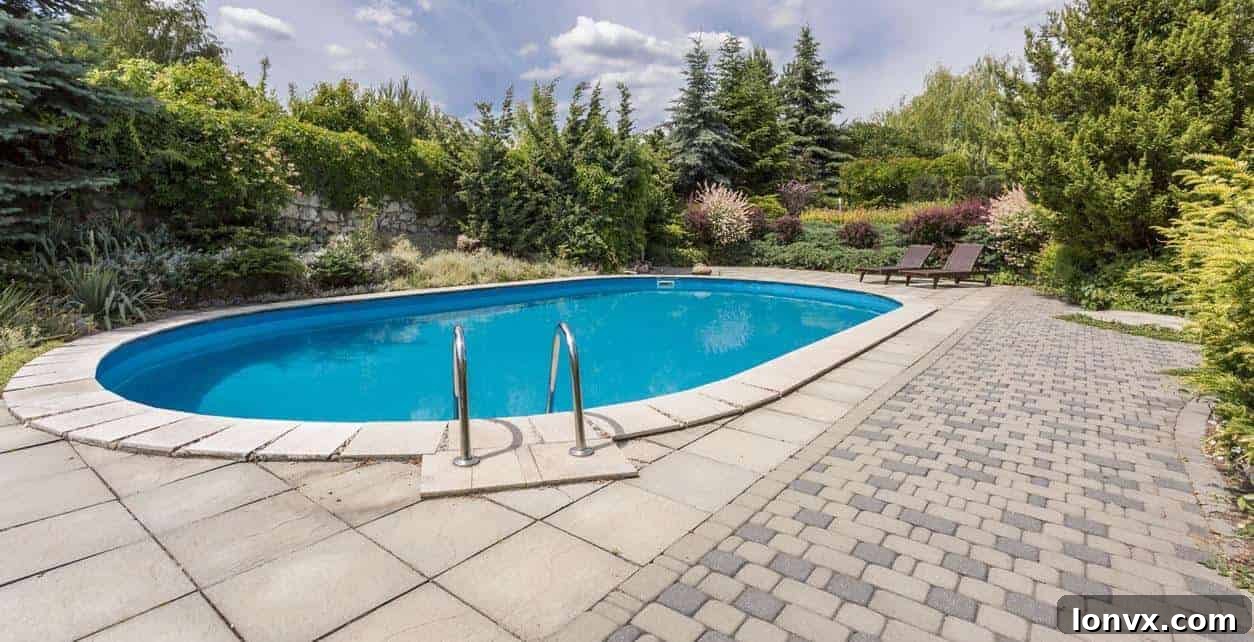
The Ultimate Guide to Installing Your Dream Swimming Pool
Embarking on the journey of installing a swimming pool is an exciting prospect that promises years of enjoyment, relaxation, and enhanced property value. However, it’s also a significant investment that requires careful planning and consideration of numerous factors. From selecting the ideal pool type and construction materials to understanding critical soil conditions, choosing efficient heating and filtration systems, ensuring proper chemical maintenance, designing complementary landscaping, and prioritizing safety, every detail plays a vital role in creating your perfect backyard oasis. This comprehensive guide will walk you through the essential aspects of pool installation, equipping you with the knowledge to make informed decisions and transform your vision into a stunning reality.
Understanding Pool Types: In-Ground vs. Above-Ground
One of the first and most fundamental decisions you’ll face when planning your new swimming pool is whether to opt for an in-ground or an above-ground structure. Each type offers distinct advantages, considerations, and aesthetic appeals, catering to different budgets, space availability, and lifestyle preferences.
In-Ground Swimming Pools
In-ground pools are permanently installed into the ground, offering a seamless integration with your landscape and superior aesthetic appeal. They come in an extensive variety of shapes, sizes, and depths, providing immense customization opportunities. While they typically represent a larger initial investment and longer installation time, their durability, design flexibility, and potential to increase property value often make them the preferred choice for homeowners seeking a luxurious and long-lasting swimming solution.
- Customization: Offers virtually unlimited design possibilities, including freeform shapes, tanning ledges, built-in spas, and cascading waterfalls, allowing for a truly personalized backyard feature.
- Durability: Constructed from robust materials designed for exceptional longevity, capable of withstanding various environmental conditions for decades.
- Aesthetics: Blends harmoniously with backyard landscaping, creating a sophisticated and resort-like atmosphere that enhances the overall appeal of your property.
- Property Value: Can significantly enhance the resale value and marketability of your home, making it a sound long-term investment.
Above-Ground Swimming Pools
Above-ground pools are a more economical and often quicker-to-install alternative to in-ground options. As their name suggests, they sit entirely or partially above the ground, making them a popular choice for families on a tighter budget, those with temporary housing, or individuals seeking a less permanent backyard feature. While they offer less customization and generally have a shorter lifespan than their in-ground counterparts, modern above-ground pools have evolved considerably, offering improved aesthetics and structural integrity, often incorporating decking to create a more integrated look.
- Cost-Effectiveness: Features a lower purchase price and significantly reduced installation costs compared to in-ground pools, making swimming more accessible.
- Installation Speed: Can often be installed in a matter of days or weeks, allowing for quicker enjoyment of your new aquatic feature.
- Flexibility: In some cases, these pools can be disassembled and moved, though this is primarily true for smaller, less permanent installations.
- Maintenance: Generally easier to clean due to their smaller water volume and accessible components, contributing to simpler upkeep routines.
Delving Deeper: In-Ground Pool Construction Materials
Once you’ve decided on an in-ground pool, the next critical choice involves the primary construction material. The material selected will profoundly influence the pool’s durability, maintenance requirements, aesthetic appeal, overall cost, and the speed of installation. The most common options include gunite (or shotcrete), fiberglass, and vinyl liner.
Gunite and Shotcrete Pools (Concrete Pools)
Gunite and shotcrete pools, broadly referred to as “concrete pools,” are celebrated for their unparalleled design flexibility and robust construction. Both gunite and shotcrete are types of pneumatically applied concrete, meaning they are sprayed under high pressure over a framework of steel reinforcing bars (rebar), which creates an incredibly strong and custom-shaped shell. The primary difference lies in how the water is added: shotcrete is pre-mixed with water before application, while water is added to dry gunite at the nozzle. These pools allow for virtually any shape, size, or depth, making them ideal for complex custom designs, zero-entry options, integrated spas, and rock features. After the concrete cures, a waterproof and decorative finish, such as plaster, pebble, or tile, is applied. While offering supreme customization and durability, they typically involve a longer construction period and higher initial investment.
- Pros: Offers unlimited design flexibility to create unique shapes and features, extreme durability ensuring a long lifespan, high customization options for finishes and add-ons, and superior longevity.
- Cons: Requires a longer installation time (several weeks to months), incurs a higher initial cost, the plaster finish demands regular brushing and chemical balancing to prevent algae and staining, and resurfacing may be needed every 10-15 years.
Fiberglass Pools
Fiberglass pools are distinctive in that they are pre-formed shells manufactured off-site and then transported to your property and set into the excavated hole. Made from multiple layers of fiberglass reinforced with resin, these pools boast a smooth, non-porous gel coat finish. This finish is naturally resistant to algae growth, significantly reducing the need for harsh chemicals and making maintenance considerably easier and less time-consuming compared to concrete pools. While customization in shape and size is more limited to available molds, fiberglass pools offer a remarkably quick installation process, often completed in days or a couple of weeks, and boast excellent durability with minimal structural concerns.
- Pros: Features rapid installation (from days to a few weeks), offers low maintenance due to its algae-resistant, non-porous surface, provides a smooth non-abrasive swimming surface, excellent durability, and often results in lower chemical usage over time.
- Cons: Has limited shapes and sizes due to the pre-fabricated nature, generally involves a higher initial cost than vinyl liner pools, potential for “spider cracks” in the gel coat over many years, and major damage can be difficult to repair invisibly.
Vinyl Liner Pools
Vinyl liner pools combine a custom-fabricated vinyl sheet with a structural wall system, typically made of steel, polymer, or concrete panels, which are set into an excavated base. The vinyl liner acts as the waterproof barrier, providing a smooth, flexible surface that comes in a wide array of patterns, textures, and colors, allowing for aesthetic versatility. These pools offer a good balance between customization and cost-effectiveness, allowing for various shapes and depths without the higher price point of gunite or fiberglass. The liner itself is robust but can be susceptible to punctures and typically needs replacement every 8-12 years, depending on care, quality, and exposure to environmental factors.
- Pros: Generally more affordable than gunite or fiberglass pools, offers good design flexibility (more than fiberglass shells), provides a smooth, comfortable surface, and allows for relatively quick installation.
- Cons: Requires liner replacement every decade or so, susceptible to punctures and tears from sharp objects, the liner can fade or wrinkle over time, and the overall structure is generally less robust than concrete or fiberglass shells.
Historically, poured concrete pools were once very popular, but due to their extremely labor-intensive installation process and the advent of more efficient construction methods like gunite and shotcrete, these modern spraying techniques have largely superseded traditional poured concrete as the preferred concrete pool options today. The ability to spray concrete dramatically streamlines the construction timeline and allows for more intricate and complex designs with greater efficiency.
Exploring Above-Ground Pool Options
For those opting for an above-ground swimming pool, the primary structural components typically involve walls made from steel, resin (plastic), or aluminum, all of which are lined with a durable vinyl membrane to hold the water. Each material offers a different balance of cost, longevity, and aesthetic appeal, influencing the pool’s durability and maintenance needs.
Steel Wall Above-Ground Pools
Steel wall pools are a common and robust choice in the above-ground category. They feature galvanized steel panels that form the pool’s circumference, providing significant strength and structural integrity. These panels are specifically treated to resist corrosion and are then lined with a heavy-duty vinyl liner. Steel offers good strength and durability at a competitive price point, making it a popular option for many homeowners seeking a reliable and affordable pool. However, proper care and maintenance are crucial to prevent rust, especially in areas with high humidity, salt exposure, or corrosive elements.
Resin (Plastic) Wall Above-Ground Pools
Resin pools utilize advanced composite materials for their structural components, including wall panels, frames, and top rails. Resin is highly resistant to corrosion, rust, and UV damage, making these pools an excellent choice for coastal areas, regions with harsh weather conditions, or those looking for a long-lasting, low-maintenance option. While generally more expensive than steel pools, resin pools often offer superior longevity and require less maintenance against rust, providing a sleek, modern look that can withstand the elements better over time.
Aluminum Wall Above-Ground Pools
Aluminum walls are lightweight, inherently rust-proof, and highly durable, offering excellent resistance to corrosion, similar to resin, but often at a slightly lower price point. Aluminum pools are known for their ease of installation due to their lighter components, which can simplify the assembly process. However, care must be taken during installation and subsequent use to avoid denting, as aluminum can be more susceptible to impact damage compared to the rigid strength of steel or the flexible resilience of resin.
The Critical Role of Soil Conditions
Before any excavation begins for an in-ground pool, a thorough understanding of the soil conditions on your property is absolutely paramount. The long-term stability and structural integrity of your pool depend heavily on the underlying earth. Neglecting proper soil analysis can lead to significant structural problems, increased construction costs, and lengthy delays down the line, potentially compromising your entire investment.
Ideal Soil Conditions
The most desirable soil for pool installation is undisturbed loam – a balanced mixture of sand, silt, and clay. This type of soil offers good drainage, excellent compaction capabilities, and stable bearing capacity, minimizing the risk of settling or shifting after the pool is installed. When undisturbed, loam provides a strong, reliable, and predictable foundation for any in-ground pool structure, simplifying the excavation and construction process.
Challenges with Expansive Clay, Sandy, or Wet Soils
Conversely, certain soil types present considerable challenges that require specialized mitigation techniques:
- Expansive Clay: This soil type has a high clay content, meaning it readily absorbs water and swells, then shrinks significantly as it dries. This constant expansion and contraction can exert immense, uneven pressure on pool walls and plumbing lines, leading to cracks, structural damage, and even pipe ruptures.
- Sandy Soil: While offering excellent drainage, sandy soil lacks cohesion and density. It can be highly unstable during excavation, prone to caving in, and may require significant shoring (temporary support structures) or specialized backfill techniques, such as engineered granular fill, to ensure the pool walls are adequately supported and prevent future settlement.
- Wet Soil Conditions / High Water Table: High water tables or areas prone to saturation can make excavation extremely difficult and costly due to the constant presence of water. Water pressure can cause empty pool shells to “float” or shift out of position, and specialized dewatering techniques (e.g., French drains, sumps with pumps) and potentially reinforced foundations or hydrostatic valves may be necessary to manage groundwater.
The Role of a Soils Engineer
To accurately assess the soil composition and identify any potential challenges, it is highly recommended and often mandatory to engage a qualified soils engineer. They will perform detailed core samples and laboratory analysis to determine the precise soil type, its bearing capacity, moisture content, and the presence of any problematic conditions. Based on their findings, the engineer can provide crucial recommendations for excavation methods, appropriate drainage solutions, and specific pool wall support installations, such as engineered compacted backfill, pilings, or specialized foundation designs, all of which are critical for ensuring the long-term structural integrity and stability of your swimming pool.
Essential Pool Equipment: Heating, Filtration, and Pumps
Beyond the pool structure itself, the choice of essential equipment—heating, filtration, and pumping systems—is vital for the pool’s functionality, water quality, and operational efficiency. Investing in high-quality, energy-efficient equipment will enhance your swimming experience, extend your swimming season, and minimize long-term operating costs.
Pool Heating Systems
Extending your swimming season and ensuring comfortable water temperatures can be achieved through various heating options, each with distinct advantages:
- Gas Heaters: Offer rapid heating capabilities, ideal for intermittent use or quick temperature boosts. They operate using natural gas or propane but can be more expensive to run over time, especially with frequent use.
- Heat Pumps: Highly energy-efficient, heat pumps draw heat from the ambient air and transfer it directly to the pool water. They are excellent for consistent heating and milder climates, though they take longer to heat than gas heaters and are less effective in very cold temperatures.
- Solar Pool Heaters: The most environmentally friendly and cost-effective heating option in sunny climates. Solar panels absorb the sun’s energy to warm the water. They have zero operating costs after installation but rely entirely on sufficient sunlight and may not be adequate for very cold weather or rapid heating needs.
- Electric Heaters: Direct electric resistance heaters are typically used for smaller spas or plunge pools due to their high operating costs for heating larger swimming pools.
Filtration Systems
A robust filtration system is crucial for removing debris, impurities, and microscopic particles from your pool water, ensuring it remains sparkling clean, clear, and healthy. The three main types of filters offer different levels of filtration and maintenance requirements:
- Sand Filters: The most common and economical option. Water passes through a bed of specialized filter sand, which traps particles as small as 20-40 microns. They require regular backwashing (reversing the water flow) to clean the sand bed.
- Cartridge Filters: Use a cylindrical filter cartridge made of pleated fabric to trap debris. They offer finer filtration than sand filters (typically 10-25 microns) but require manual cleaning (rinsing) of the cartridge and eventual replacement, usually every 1-3 years.
- Diatomaceous Earth (D.E.) Filters: Provide the finest level of filtration, trapping even microscopic particles (as small as 1-5 microns). They use D.E. powder coated onto internal grids and require backwashing and replenishment of D.E. powder after each backwash, making them slightly more involved to maintain.
Pool Pumps
The pump is the heart of your pool’s circulation system, pushing water from the pool, through the filter and heater (if applicable), and back into the pool. Modern pumps are designed for energy efficiency, offering significant long-term savings:
- Single-Speed Pumps: Operate at a constant, high speed. While less expensive initially, they consume more electricity and are noisier to operate.
- Variable-Speed Pumps (VSPs): The gold standard for energy efficiency. VSPs can be programmed to run at different speeds throughout the day, significantly reducing energy consumption (by up to 90% compared to single-speed pumps) and operating noise. They are a higher upfront investment but offer substantial long-term savings on electricity bills and often qualify for energy rebates.
Maintaining Pristine Water: Chemicals and Sanitization
Effective water chemistry is paramount for a safe, healthy, and inviting swimming experience. Proper sanitization and balanced water parameters not only protect swimmers from pathogens but also prevent damage to pool equipment and surfaces, ensuring the longevity of your investment.
Sanitization Methods
- Chlorine: The most widely used sanitizer, highly effective at killing bacteria, viruses, and algae. It is available in liquid, tablet (stabilized), or granular forms, each with specific application methods.
- Saltwater Chlorinators: These systems generate chlorine naturally from salt added to the pool water, providing a softer feel to the water and reducing the need to handle harsh chemical containers directly. They offer consistent sanitization with less noticeable chlorine odor.
- Bromine: Similar to chlorine but often preferred for hot tubs and spas due to its stability at higher temperatures and less irritating qualities for some swimmers.
- Alternative Sanitizers: Systems like ozone generators, UV sterilizers, and mineral purifiers can work in conjunction with reduced chlorine levels to provide enhanced water quality, reduce chemical demand, and offer a more natural swimming experience.
Water Chemistry Balance
Beyond sanitization, maintaining balanced water chemistry involves monitoring and adjusting several key parameters to ensure swimmer comfort and equipment protection:
- pH: Critical for swimmer comfort (preventing eye and skin irritation) and maximizing sanitizer effectiveness (ideal range: 7.4-7.6).
- Alkalinity: Acts as a pH buffer, preventing sudden and drastic fluctuations in pH (ideal range: 80-120 ppm).
- Calcium Hardness: Prevents corrosion of equipment and etching of plaster surfaces in low levels, or scaling in high levels (ideal range: 200-400 ppm).
- Cyanuric Acid (CYA): Also known as stabilizer, it protects chlorine from degradation by the sun’s UV rays, extending its lifespan in outdoor pools (ideal range: 30-50 ppm for outdoor pools).
Regular water testing (at least weekly, or more often during heavy use) and precise adjustment of these levels are essential for maintaining both water clarity and swimmer safety. Many pool stores offer free water testing, and home test kits are readily available.
Designing Your Pool Surroundings: Landscaping and Aesthetics
The area surrounding your pool is just as important as the pool itself in creating a cohesive, functional, and inviting outdoor living space. Thoughtful landscaping and hardscaping can transform your backyard into a true oasis, offering functionality, beauty, privacy, and areas for relaxation and entertainment.
- Decking and Patios: The choice of material for your pool deck is crucial for both aesthetics and safety. Options include concrete pavers, natural stone, wood, or composite decking. Consider slip resistance, heat absorption (lighter colors stay cooler), and compatibility with your home’s exterior design.
- Planting: Strategically chosen plants can add beauty, shade, and privacy around your pool. Opt for low-shedding varieties to minimize debris in the pool, and avoid thorny plants or highly fragrant varieties that attract bees or other insects directly to the swimming area. Drought-tolerant plants are also a smart choice for reducing water consumption.
- Lighting: A well-designed lighting scheme enhances safety for evening swims and creates a magical ambiance for nighttime entertaining. This includes underwater lights, pathway lighting, accent lighting for landscaping features, and task lighting for grilling areas.
- Shade Structures: Pergolas, gazebos, large umbrellas, or retractable awnings offer essential protection from the sun, making your pool area more comfortable during hot days and providing a cool retreat.
- Privacy Features: Fences, privacy screens, strategically planted mature hedging, or decorative walls can create a secluded retreat, allowing you to enjoy your pool without feeling overlooked by neighbors.
- Outdoor Features: Consider incorporating elements like an outdoor kitchen, fire pit, seating areas, or even an outdoor shower to complete the resort-like experience and maximize your outdoor living space.
Prioritizing Safety: Crucial Devices and Practices
Pool safety should be a non-negotiable priority for every pool owner, especially those with young children, pets, or elderly family members. Implementing a multi-layered approach to safety, combining physical barriers with vigilant supervision and clear rules, can significantly reduce the risk of accidents and ensure peace of mind.
- Fencing and Gates: A sturdy, self-latching, self-closing fence that completely encloses the pool area and meets all local building codes is the most critical safety barrier. The fence should be at least 4 feet high and designed to prevent climbing.
- Pool Alarms: Various types of alarms enhance safety. Surface alarms detect disturbances in the water, indicating entry, while gate alarms alert you if a pool gate is opened without authorization. Some advanced systems offer wristband alarms for children.
- Pool Covers: Safety covers (manual or automatic) are designed to support the weight of a child or pet, preventing accidental entry when the pool is not in use. They also offer benefits like heat retention and debris control.
- Drain Covers: Anti-entrapment drain covers are crucial to prevent suction entrapment, a serious hazard, especially in older pools with single main drains. Ensure your pool complies with current safety standards regarding drain covers.
- Safety Equipment: Always keep essential safety equipment readily accessible, including life rings, shepherd’s hooks (long poles with a hook at the end), and a fully stocked first-aid kit near the pool area.
- CPR Knowledge: Ensure that all adults supervising the pool are trained in CPR and basic first aid. These skills can be life-saving in an emergency.
- Supervision: Constant, active adult supervision is irreplaceable, especially for young children. Never leave children unattended, even for a moment, near a pool.
- Pool Rules: Establish and consistently enforce clear pool rules, such as no running on wet surfaces, no diving in shallow areas, always swimming with a buddy, and never swimming alone.
Considering an Existing Pool: What to Look For
If you’re contemplating purchasing a home that already features a swimming pool, it’s crucial to exercise due diligence before finalizing the purchase. An existing pool can be a fantastic amenity, adding enjoyment and value, but it can also come with hidden issues and significant repair costs if not properly inspected. Always have a qualified and experienced pool professional conduct a thorough inspection before taking possession of the property.
A professional pool inspection should cover the following critical areas:
- Structural Integrity: The inspector will meticulously check for cracks, leaks, signs of settling, or delamination in the pool shell (for concrete/fiberglass) or tears/wrinkles in the liner (for vinyl pools), which could indicate costly underlying issues.
- Equipment Functionality: Verification of the condition and proper operation of all vital equipment, including the pump, filter, heater, automatic cleaning systems, and any ancillary features like waterfalls or jet systems.
- Plumbing and Electrical Systems: A thorough inspection of all visible pipes, valves, skimmers, returns, and ensuring that all electrical components (lighting, pumps, heaters) meet current safety standards and are properly grounded and wired.
- Decking and Coping: Assessment of the condition of the surrounding patio, coping stones (the capstone around the pool’s edge), and expansion joints for cracks, shifting, or trip hazards.
- Safety Features: Confirmation of the presence and compliance of all safety features, including fences, self-latching gates, alarms, and anti-entrapment drain covers, with local regulations and national safety standards.
- Water Chemistry and Condition: Checking for any long-standing water balance issues, excessive staining, or persistent algae, which might indicate underlying problems with the filtration system, plumbing, or regular maintenance.
Identifying potential problems early can provide valuable leverage to negotiate repairs with the seller, factor the cost of future maintenance into your buying decision, or even reconsider the purchase if the issues are too extensive. This proactive approach can save you from unexpected expenses and significant headaches down the line.
Making Your Dream Pool a Reality
Installing a swimming pool is a multifaceted project that demands careful planning, informed decisions, and meticulous attention to detail at every stage. By thoroughly researching your options, understanding the implications of different pool types and construction materials, assessing your property’s unique soil conditions, and prioritizing efficient equipment, proper maintenance, and unwavering safety, you can ensure a successful installation process and a lifetime of enjoyment. Work with reputable, licensed contractors, ask plenty of questions, and don’t hesitate to seek expert advice at every stage of the project. Your dream pool is within reach, and with the right approach, it will become a cherished centerpiece of your home, providing endless fun, relaxation, and lasting memories for years to come.