Neighbor’s Negligence: How a Sump Pump Led to Property Collapse and a Landmark Legal Verdict in Ontario
- In 2016, a homeowner in Prince Edward County discovered contaminated water pooling along their property line, originating from a neighbor’s sump pump. The water contained harmful bacteria, including E. coli. Despite being notified and ordered by the municipality, the neighbor failed to rectify the issue, citing financial constraints and lack of insurance.
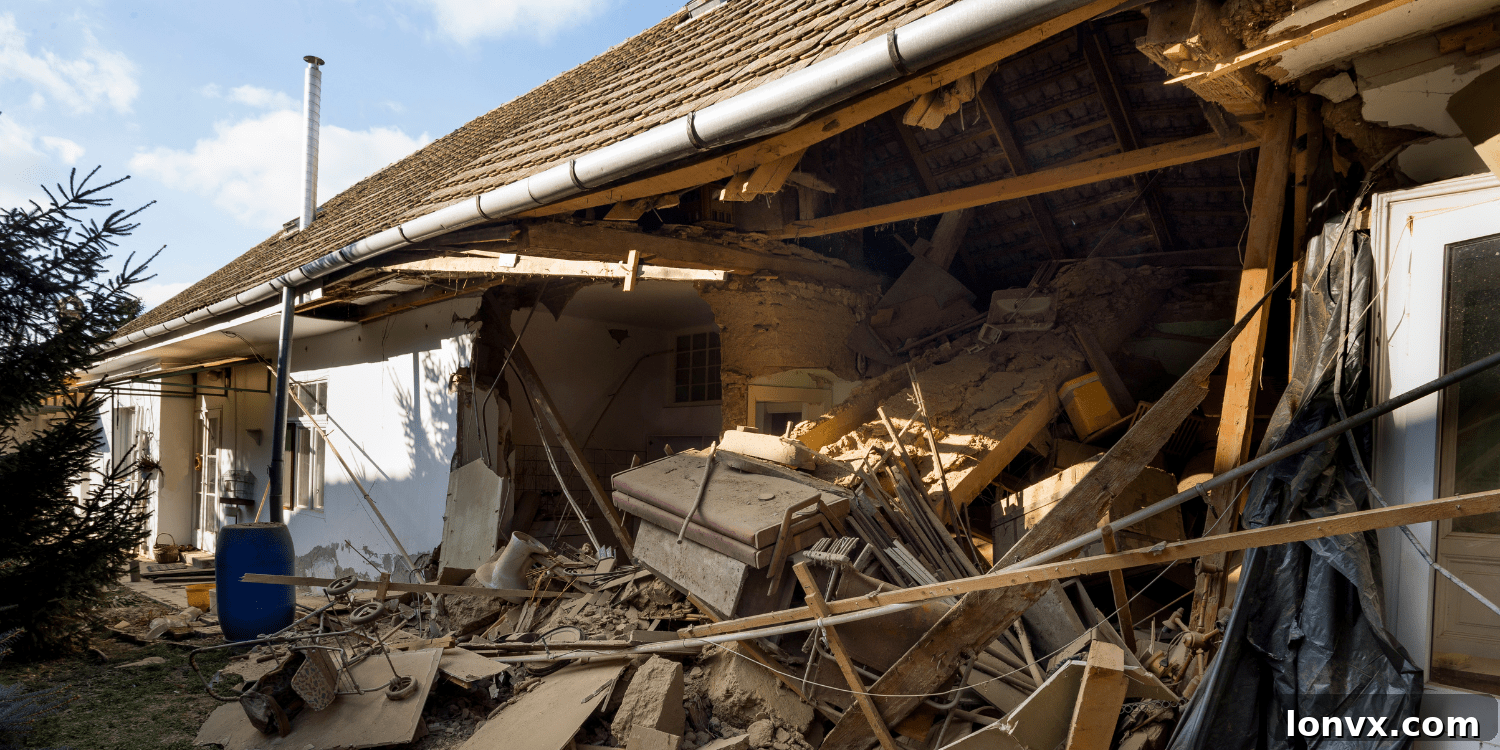
- This neglect culminated in the plaintiff’s home collapsing, rendering it uninhabitable. The subsequent lawsuit, *Warren v. Gluppe*, brought before the Ontario Superior Court of Justice, underscored the severe repercussions of inadequate property maintenance and disregard for neighborly duty.
- The court found the neighbor strictly liable, negligent, and responsible for nuisance. The plaintiff was awarded a substantial $487,211 for home replacement, $18,143.53 for additional expenses, $35,577.99 in pre-judgment interest, and $100,000 in legal costs, setting a crucial precedent for property owners across Ontario.
In the intricate tapestry of property ownership, the relationship between neighbors is often governed by an implied, yet fundamental, duty of care. This duty necessitates that property owners take reasonable steps to prevent their activities or property conditions from causing harm or damage to adjacent properties. When this duty is neglected, even seemingly minor issues can escalate into catastrophic events, leading to significant financial burdens and protracted legal battles. Common sources of property damage stemming from neighboring properties often involve water—whether from poorly managed sump pumps, failing septic systems, or inadequately maintained eavestroughs.
A recent and highly significant case heard by the Ontario Superior Court of Justice, Warren v. Gluppe, serves as a stark reminder of the dire consequences that can arise when a property owner fails to uphold this essential duty. This case highlights the profound impact a neighbor’s inaction can have, transforming a preventable drainage problem into a complete loss of a family home and a substantial legal judgment.
The Devastating Impact of Contaminated Water Encroaching on Property
The saga began in 2016 in the picturesque Prince Edward County, Ontario. The plaintiff observed an alarming issue: persistent water pooling along the boundary of his property. Upon investigation, the source was unequivocally traced back to his neighbor’s sump pump discharge. This wasn’t merely inconvenient pooling; laboratory tests confirmed the water was contaminated with harmful bacteria, including E. coli, posing not only a structural threat but also a significant health hazard to the plaintiff and his family.
Despite repeated attempts by the plaintiff to resolve the matter amicably, and the clear evidence of contamination and potential harm, the neighbor remained unresponsive. Their justifications—claiming financial constraints and a lack of insurance—offered little solace and no practical solution, demonstrating a concerning disregard for the escalating problem. Such excuses, while emotionally understandable, rarely absolve a property owner of their legal responsibilities when their actions or inactions cause damage to others.
Recognizing the severity of the situation, the local municipality intervened, issuing an official order for the neighbor to redirect the sump pump water away from the plaintiff’s property. However, the neighbor’s attempts to comply were, at best, superficial and ultimately ineffective. The makeshift solution failed to address the root cause, and the relentless water continued its destructive path. By the end of 2016, the prolonged saturation of the soil around the plaintiff’s foundation reached a critical point, leading to the unthinkable: his home structurally collapsed, rendering it utterly uninhabitable.
Faced with the complete destruction of his property and the neighbor’s persistent failure to act, the plaintiff had no alternative but to initiate legal proceedings, filing a lawsuit in December 2016. The trial finally commenced in 2023, where expert testimony played a pivotal role. A qualified engineer presented compelling evidence, meticulously detailing how the neighbor’s ongoing failure to adequately reroute the sump pump discharge, coupled with the resultant water saturation, directly caused the plaintiff’s home to collapse. The engineer’s report provided an undeniable causal link, illustrating the direct line from the neighbor’s property issues to the plaintiff’s devastating loss.
Further exacerbating the situation, the investigation revealed additional breaches of property responsibility. It was discovered that the neighbor’s septic system was also in violation of the strict regulations outlined in the Ontario Building Code. Such violations contribute significantly to environmental and structural risks, further compromising the integrity of the surrounding land. Moreover, evidence was presented demonstrating the neighbor’s neglect in properly maintaining their eavestroughs. Clogged or damaged eavestroughs can lead to significant water runoff accumulating around a property’s foundation, increasing the risk of erosion, basement flooding, and, as tragically seen in this case, severe structural damage to adjacent properties.
Understanding the Legal Basis: Neighbor Liable for Multiple Infractions
The Ontario Superior Court of Justice meticulously examined the evidence and applied established legal principles to determine the neighbor’s liability. The court’s decision was multifaceted, finding the neighbor responsible on three distinct, yet interconnected, grounds:
1. Strict Liability (Based on Rylands v. Fletcher)
The principle of strict liability, famously derived from the 19th-century English case of Rylands v. Fletcher, holds that a person who brings on to his land, and collects and keeps there, anything likely to do mischief if it escapes, is prima facie answerable for all the damage which is the natural consequence of its escape. In the context of the Warren v. Gluppe case, the court determined that the neighbor’s sump pump and septic system constituted a “non-natural use” of the land. While a sump pump in itself is common, its faulty operation, leading to the discharge of large volumes of water through defective pipes directly onto an adjacent property, moves beyond ordinary land use. The accumulation and eventual escape of this water, particularly when contaminated, were considered to be an abnormal and inherently risky activity. The failure of these systems, which had nothing to do with “the laws of nature” or unforeseen acts of God, directly caused damage to the plaintiff’s property, establishing a clear claim for strict liability.
2. Negligence (Based on Alfarano v. Regina)
Negligence is a tort that holds individuals accountable for failing to exercise the care that a reasonably prudent person would exercise in similar circumstances. To establish negligence, four key elements must be proven: a duty of care owed, a breach of that duty, causation, and damages. In this case, the court found the neighbor undeniably negligent. The duty of care was inherent in the neighborly relationship—a duty to manage one’s property in a way that doesn’t harm another’s. The neighbor breached this duty by failing to adequately reroute the sump pump water after being notified of the issue, neglecting to maintain their septic system in compliance with the Ontario Building Code, and disregarding the necessary repairs for their eavestroughs. These failures collectively posed foreseeable risks of water damage and structural compromise to the plaintiff’s property. A reasonable person would have taken immediate and effective action to prevent such risks, which the neighbor failed to do, directly leading to the collapse of the plaintiff’s home.
3. Nuisance (Based on Antrim Truck Centre Ltd. v. Ontario)
Nuisance, in property law, refers to an unreasonable and substantial interference with the use and enjoyment of another person’s property. The interference must be more than trivial; it must be significant enough to cause real harm or inconvenience. The neighbor’s actions, or lack thereof, created an undeniable nuisance. The persistent pooling of contaminated water, the structural damage, and ultimately the collapse of the plaintiff’s home represented an egregious, substantial, and unreasonable interference with the plaintiff’s ability to use and enjoy his property. The property was not only rendered uninhabitable but also contaminated, demonstrating a complete denial of the plaintiff’s fundamental property rights due to his neighbor’s continuous and avoidable actions. The court recognized that the neighbor’s conduct went far beyond mere inconvenience, evolving into a total deprivation of the plaintiff’s home and peace of mind.
The Decision: A Resounding Judgment and Critical Precedent
The court’s decision in Warren v. Gluppe delivered a comprehensive judgment in favor of the plaintiff, reflecting the severity of the damage and the prolonged suffering endured. The plaintiff was awarded a total sum designed to compensate him for his losses and the costs incurred due to his neighbor’s negligence:
- $487,211 for the replacement cost of his home: This substantial amount reflects the complete loss of the property and the estimated cost to rebuild a comparable home in the current market. This figure accounts for demolition, construction, and all associated costs of establishing a new residence.
- $18,143.53 for maintenance, repair, travel, and accommodation costs: This category covers the various incidental expenses incurred by the plaintiff from the moment the problem arose until the resolution of the case. This includes costs associated with temporary housing after the collapse, travel to deal with the property issues, initial repair attempts, and other related disbursements that accumulated over the years.
- $35,577.99 in pre-judgment interest: This amount represents the interest accrued on the damages awarded from the date the lawsuit was filed until the date of the judgment. It compensates the plaintiff for the time value of money, acknowledging that he was deprived of these funds for several years while the legal process unfolded.
- $100,000 in legal costs: This award contributes significantly to covering the plaintiff’s legal expenses, which can be substantial in complex litigation spanning several years. It underscores the court’s recognition of the plaintiff’s need to pursue justice and the burden of legal fees.
This landmark ruling sends a clear message to all property owners in Ontario and beyond: the duty of care owed to neighbors is a serious legal obligation with significant financial ramifications for neglect. It emphasizes the importance of proactive property maintenance, responsible management of drainage systems, and adherence to building codes. Furthermore, it highlights that claiming financial hardship or lack of insurance is not a valid defense against liability when direct harm is caused to another’s property.
Preventative Measures and Key Takeaways for Homeowners
The Warren v. Gluppe case serves as a critical educational tool for homeowners. To avoid similar devastating outcomes and potential legal battles, consider the following preventative measures and key takeaways:
- Regular Property Inspections: Periodically inspect your sump pump, septic system, eavestroughs, and downspouts. Ensure they are clean, functioning correctly, and directing water away from your foundation and your neighbor’s property.
- Understand Local Codes: Familiarize yourself with local building codes and municipal bylaws regarding drainage, septic systems, and property maintenance. Compliance is not optional; it’s a legal requirement.
- Proactive Maintenance: Address any drainage issues promptly. Don’t let small problems escalate. Clogged eavestroughs can lead to significant water damage, and a malfunctioning sump pump can cause flooding.
- Open Communication with Neighbors: Foster good neighborly relations. If you notice an issue on your neighbor’s property that could affect yours, or vice versa, communicate openly and try to find a solution together. Document all communications.
- Adequate Insurance: Ensure you have comprehensive homeowner’s insurance that covers various types of property damage, including those caused by water. Understand your policy’s limitations and coverage for liability claims.
- Seek Professional Advice: If faced with a persistent issue that a neighbor is unwilling to resolve, consult with legal professionals or municipal authorities early on. Timely intervention can prevent minor disputes from becoming major lawsuits. An engineer’s assessment, as seen in this case, can be crucial for establishing causation.
- Documentation is Key: Keep detailed records of any issues, communications, photos, videos, and professional assessments. This documentation will be invaluable if a legal dispute arises.
Ultimately, the Warren v. Gluppe case reinforces the principle that property ownership comes with responsibilities extending beyond one’s own property lines. Neglecting these responsibilities can lead to severe consequences, not only for the victim but also for the negligent homeowner who may face substantial financial penalties and legal costs. It underscores the profound importance of diligence, good faith, and adherence to the duty of care in maintaining harmonious and safe communities.