Navigating the Challenges of Kitec Piping: A Comprehensive Homeowner’s Guide
Introduced to the market between 1995 and 2007, Kitec piping was once a popular choice for both new home construction and renovations. This distinctive piping system was utilized to distribute water throughout residential properties, as well as to supply radiant heating systems for homes, heated flooring, and towel racks. Easily identifiable, Kitec pipes are prominently stamped with “Kitec” on their exterior and are constructed with an inner layer of aluminum sandwiched between two layers of plastic (specifically, cross-linked polyethylene, or PEX). While typically orange in color, these pipes could also be found in blue, grey, or white variations.
The Unforeseen Flaws: Why Kitec Piping Became a Problem
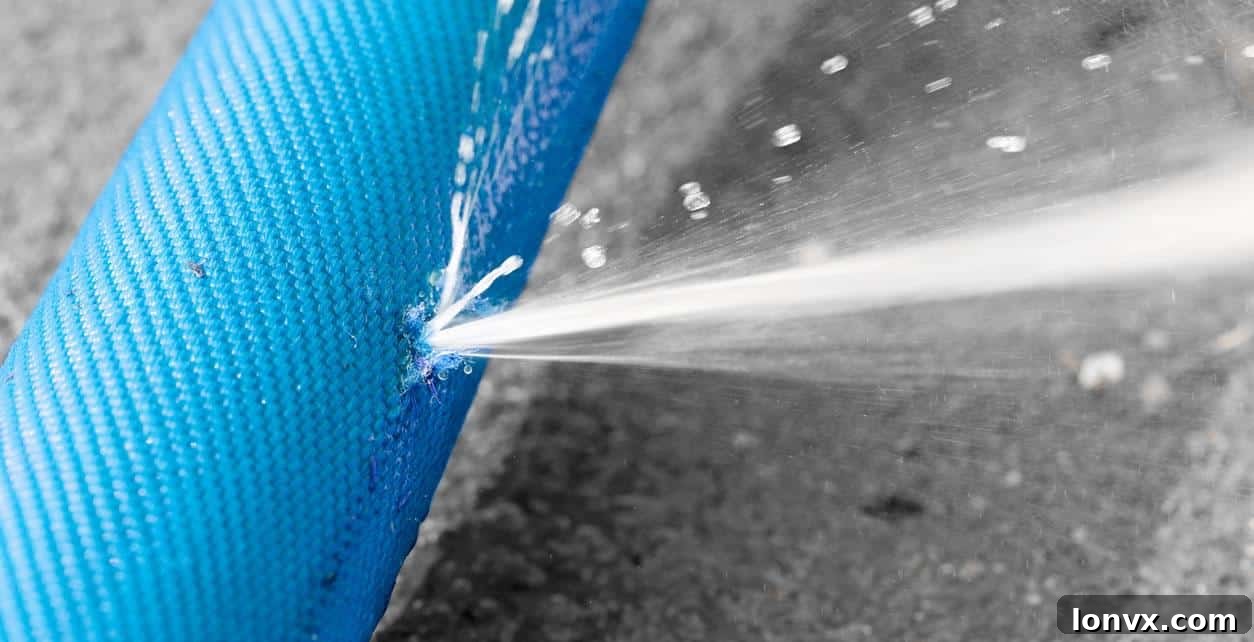
Despite its initial promise, Kitec piping systems soon began to exhibit significant and widespread issues, leading to considerable distress for homeowners. Reports emerged detailing the premature deterioration of fittings and, in some severe cases, the disintegration of the pipes themselves. These failures often resulted in leaks, water damage, and costly repairs, tarnishing Kitec’s reputation and raising serious concerns about its reliability and longevity.
The severity and pervasiveness of these problems ultimately led to a large-scale class-action lawsuit against the manufacturer, IPEX, initiated by affected end-users across the U.S., Ontario, and Quebec. In response to the overwhelming evidence of systemic defects, IPEX agreed to a substantial settlement of $125 million to compensate homeowners for the damages and associated remediation costs.
Please Note: The deadline for submitting claims to the Kitec settlement was January 9, 2020. If you previously submitted a claim or require more information regarding the settlement details, please visit www.kitecsettlement.com.
The Lingering Stigma: How Kitec Affects Property Value and Marketability
The well-publicized issues and subsequent corporate litigation surrounding Kitec piping have created a lasting stigma in the real estate market. Homes containing Kitec pipes often face challenges similar to those experienced by properties with urea formaldehyde foam insulation (UFFI) in the 1970s and 1980s. This stigma continues to impact property values and can complicate sales, making such homes less attractive to potential buyers.
The presence of Kitec extends beyond just a perception problem; it has tangible consequences for homeowners. Many insurance companies, having assessed the increased liability risks associated with potential leaks and water damage, are now reluctant to provide coverage for properties with Kitec. This can leave homeowners in a precarious position, facing exorbitant insurance premiums or even outright denial of coverage. Similarly, financial institutions often require confirmation that a property does not contain Kitec before approving mortgage applications, adding another layer of complexity for buyers and sellers alike.
This market reluctance significantly impacts resale value. Properties with Kitec often sell for less than comparable homes without it, reflecting the anticipated cost of replacement and the inherent risks. Moreover, they may remain on the market for longer periods, as buyers are typically wary of assuming the financial burden and potential hassles associated with defective plumbing.
Kitec in Condominiums: A Shared Burden of Remediation
The challenge of Kitec piping is not limited to single-family homes; it profoundly impacts many condominium buildings that either contained or continue to contain these pipes. In multi-unit dwellings, remediation efforts become considerably more complex and expensive due to the interconnected nature of plumbing systems and shared common elements.
Condominium corporations faced with Kitec contamination are often confronted with massive expenses and significant inconvenience to remove and replace the faulty piping. The financial burden of these large-scale remediation projects frequently necessitates “special assessments” levied against unit owners. These additional charges, often amounting to thousands or even tens of thousands of dollars per unit, can place a substantial financial strain on owners, impacting their personal budgets and the overall attractiveness of the building to prospective buyers.
Furthermore, property managers and condo boards bear a legal and ethical obligation to disclose the presence of Kitec if it is found within common elements or individual units. Failure to disclose can lead to legal action, reputational damage, and further complications. The process of planning, funding, and executing a Kitec replacement project in a condominium can be a logistical nightmare, involving multiple contractors, access to individual units, and strict adherence to building codes and regulations.
Legal Complexities in Condo Remediation: A Case Study
These extensive remediation undertakings can also become fertile ground for costly litigation. A notable Ontario court decision from 2019 (Jermark v. Metropolitan, 2019 ONSC 1810) vividly illustrates the legal quagmires that can arise. In this particular case, the court was asked to adjudicate on the fairness and transparency of a tender process employed by a condominium corporation. The corporation was seeking bids from contractors for a massive Kitec replacement project spanning 209 units across a 10-storey building.
The dispute arose between the condominium corporation and one of the unsuccessful contractors. This contractor had previously worked in the building and believed, based on informal discussions with the condo board, that he would be selected as the sole contractor to replace all heating pipes, including those within individual units. However, the corporation had engaged in a somewhat informal solicitation process, inviting bids from this contractor and at least two others, leading to misunderstandings about the existence of a binding contract and the scope of commitment to the proposed remediation plan. Further complicating matters were objections from some unit owners who specifically did not want the particular contractor to perform work within their private units.
Against this backdrop of ambiguity and disagreement, the court intervened, ordering the condominium corporation to implement a formal and transparent tender process to solicit bids from a broader pool of qualified contractors. Ironically, this formal process ultimately resulted in the exclusion of the initial contractor, despite his prior experience in the building and the condo corporation’s apparent initial preference for his services. The contract for the Kitec remediation was awarded to another company.
The original contractor’s motion for summary judgment, seeking recognition of a contract and damages, was dismissed. While the matter was sent to trial, the condominium corporation incurred significant legal fees simply to have the early-stage motion dismissed. This case starkly underscores the inherent complexities of Kitec remediations in multi-unit dwellings, highlighting how they can involve unforeseen parties, spark contentious disputes, and lead to substantial, unwanted litigation, even before the physical work begins.
Essential Tips for Homeowners: Identifying and Addressing Kitec Piping
If you own, or suspect you might own, a property with Kitec piping, it’s crucial to take proactive steps. Understanding the problem and your options can help mitigate risks and protect your investment.
How to Determine if Your Home Has Kitec Pipes
The first step is identification. If your home was built or extensively renovated between 1995 and 2007 and features radiant heating or a water heating system from that period, it is highly advisable to have a professional inspection. Engage a qualified plumber who specializes in such assessments. They can meticulously inspect your plumbing system to confirm the presence of Kitec and, critically, evaluate the current condition of the pipes and fittings for any signs of deterioration, corrosion, or damage.
Common areas where Kitec piping might be visible include near the hot water tank, boiler manifolds, under sinks, or exposed pipes in utility rooms. Remember, visual inspection alone may not be sufficient; a professional can often identify subtle signs of stress or potential failure that an untrained eye might miss.
Navigating Your Options: Replacement vs. Retention
If your plumber confirms the presence of Kitec in your home, the most prudent course of action is often immediate replacement. However, this decision can be contingent on several factors, including the plumber’s assessment of the extent of any existing damage, the estimated cost of full or partial replacement, and your long-term plans for the property, especially if you intend to sell in the future.
Consider the potential risks of retaining Kitec: ongoing threat of leaks and water damage, difficulty obtaining insurance, and significant impact on resale value. Weigh these against the upfront cost of replacement. Many homeowners find that the peace of mind and protection of their investment make replacement a worthwhile endeavor.
Strategies for Selling a Home with Kitec Piping
If your home contains Kitec and you decide to sell without first replacing it, transparent disclosure is paramount. This information should be clearly provided, either through a Seller Property Information Sheet (SPIS) if you are using one, or as part of your general disclosure obligations to any potential buyer. Hiding the presence of Kitec, even inadvertently, can lead to severe legal repercussions.
While the concept of “buyer beware” (caveat emptor) might be tempting to rely upon, this principle offers little protection to sellers in cases of latent defects like Kitec, especially if there’s an allegation of active concealment or misrepresentation. Providing upfront disclosure is not just an ethical obligation; it is a crucial legal safeguard. It prevents the successful buyer from pursuing legal claims for damages against you should the previously undisclosed Kitec come to light post-closing, particularly if costly repairs or full replacement become necessary. Furthermore, it eliminates any accusation that you fraudulently misrepresented the property’s condition or actively concealed a known defect. Such allegations can lead to costly litigation, and if proven true, you could be liable for substantial damages, including punitive damages, in addition to legal costs.
Even if you choose not to replace the Kitec before listing your home for sale, it is highly advisable to obtain a reliable quote for its replacement from a reputable plumber. This quote can serve as a valuable “bargaining chip” during price negotiations with potential buyers. When the presence of Kitec inevitably arises—either through your disclosure or a buyer’s independent home inspection—having a clear estimate of remediation costs allows you to negotiate proactively, perhaps offering a credit or price adjustment, rather than being caught off guard.
Remember that any prudent potential buyer will almost certainly hire a professional home inspector. These inspectors are highly likely to identify the presence of Kitec pipes. At that point, you’ll be back to square one, needing to account for the cost of replacement in your home’s sale price, but with the added disadvantage of potential mistrust from the buyer, which can complicate negotiations for a favorable deal. Full transparency, coupled with preparedness, is the most effective approach when selling a property with Kitec piping.