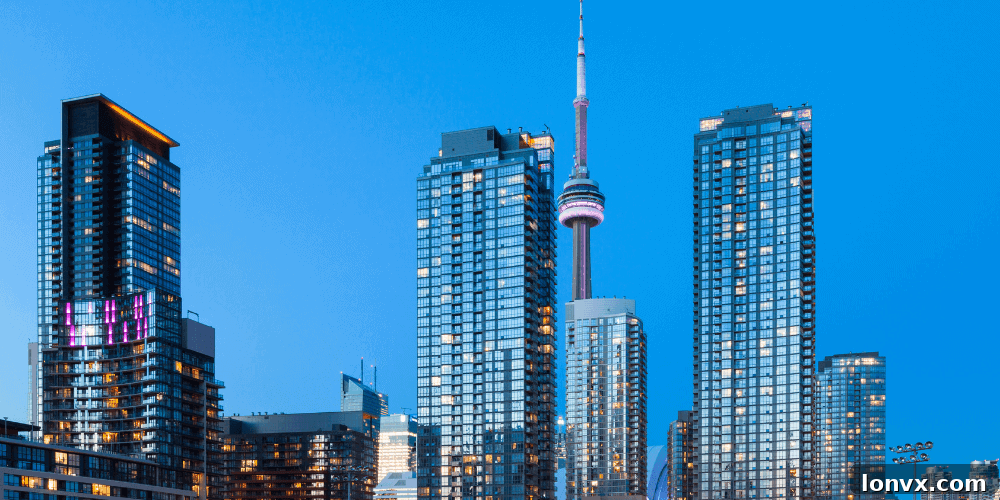
Toronto’s Condo Market Navigates a Turbulent Q3 2022: Sales Dip as Rental Demand Soars
The dynamic real estate landscape of the Greater Toronto Area (GTA) underwent a significant transformation in the third quarter of 2022, presenting a stark dichotomy between the cooling condominium sales market and an intensely competitive rental sector. While soaring interest rates and economic uncertainties dampened the spirits of prospective buyers, pushing condo sales into a notable decline, the rental market witnessed unprecedented demand, fueling double-digit rent increases across the region. This intricate interplay of supply and demand, influenced by macro-economic factors, continues to shape the housing narrative for Canada’s largest metropolitan area.
A Deep Dive into Cooling Condo Sales in the GTA
According to the latest comprehensive data unveiled by the Toronto Regional Real Estate Board (TRREB), the condominium sales segment experienced a considerable downturn during Q3 2022. The numbers paint a clear picture: condo sales across the GTA plummeted by a substantial 46 percent year-over-year. This translates to roughly 4,200 condo transactions reported through the Multiple Listing Service (MLS) system in the third quarter, a stark contrast to the nearly 7,800 units sold during the corresponding period in 2021.
This significant reduction in sales activity can be largely attributed to the ripple effects of rapidly increasing borrowing costs. As the Bank of Canada aggressively raised interest rates in a bid to curb inflation, the cost of mortgages escalated, severely impacting affordability for many potential homeowners. The once-hot market, characterized by bidding wars and swift sales, began to moderate as buyers adopted a more cautious “wait-and-see” approach, or found themselves priced out of the market due to tightened lending conditions.
Beyond the dip in sales, the number of new condo listings also saw a decline, albeit less dramatic. TRREB reported a 16 percent reduction in new listings during Q3, with approximately 10,200 units entering the market. While this decrease in new supply might seem counterintuitive amidst a cooling market, it plays a crucial role in mitigating a sharper fall in prices. Despite the overall slowdown in transactions, the average selling price for condos demonstrated remarkable resilience, experiencing a slight uptick to approximately $720,000 in Q3 2022, up from $690,000 in the same period of 2021. This modest increase suggests that while fewer units are changing hands, the underlying value proposition of GTA condos remains relatively stable, primarily supported by limited inventory.
Jason Mercer, TRREB’s Chief Market Analyst, elaborated on this trend, stating, “The pace of condo price growth has moderated as higher borrowing costs have hampered affordability since the spring. However, the impact has been mitigated to a certain degree by a dip in listings over the same period. A shorter supply of condos will likely provide some support for prices in the months ahead.” Mercer’s analysis underscores the delicate balance within the market: while demand has softened, a constrained supply pipeline acts as a buffer against significant price corrections, suggesting a potential floor for values in the near future.
The Dramatic Slowdown in New Condo Project Sales
Adding another layer to the evolving GTA real estate narrative, the Building Industry and Land Development (BILD) association highlighted a considerable slowdown in the new condo market. This segment, which represents pre-construction and newly built units, experienced an even more dramatic contraction. Data compiled by Altus Group, BILD’s trusted source for market intelligence, revealed a staggering decline in September sales.
In September 2022, a mere 300 new condo units were sold across the GTA. This figure represents an alarming 89 percent decrease year-over-year, illustrating the profound impact of market uncertainties on development and future housing supply. Furthermore, this sales volume was 84 percent below the ten-year average for September, indicating an unprecedented dip in buyer confidence for new developments. The reluctance of buyers to commit to pre-construction projects, often involving lengthy completion times and deposit structures, reflects concerns over future interest rate trajectories and overall economic stability.
This slowdown in new project sales has significant implications for the long-term housing supply in the GTA. Fewer new sales today mean fewer units breaking ground and entering the market in the coming years, exacerbating the region’s persistent housing shortage. Developers may also face challenges in securing financing for new projects if sales remain sluggish, potentially leading to delays or even cancellations of planned developments. The vitality of the new condo market is a crucial indicator of future housing availability, and its current state signals a need for careful monitoring and strategic responses from all stakeholders.
The Unstoppable Surge of the GTA Rental Market
In sharp contrast to the struggles observed in the sales segment, the GTA’s rental market continued its robust performance, demonstrating remarkable strength throughout Q3 2022. As many prospective homebuyers adopted a “wait-and-see” approach due to elevated borrowing costs, an increasing number of individuals turned to the rental market, intensifying competition and driving up rents significantly. This shift underscores a broader trend where homeownership becomes less attainable for many, pushing them into an already constrained rental pool.
TRREB’s data confirms that double-digit rent increases persisted into the third quarter, a testament to the insatiable demand for rental accommodation. Competition for desirable condo rentals reached fever pitch, leading to an environment where negotiated rents spiked considerably. Tenants often found themselves in bidding wars, mirroring the sales market of yesteryear, as landlords capitalized on the scarcity of available units.
While the demand side was undeniably strong, the supply of rental units continued to shrink. Approximately 13,300 condo rental transactions were reported through MLS in the GTA, which represents a 17 percent decrease compared to Q3 2021. More strikingly, the number of rental units listed on the market plummeted by a substantial rate of over 25 percent annually. This dual effect of surging demand and dwindling supply created a perfect storm for rent escalation, placing immense pressure on renters across the region.
A Warning Sign for Policymakers: The Dwindling Rental Stock
The decline in rental listings is a particularly concerning trend, as highlighted by TRREB President Kevin Crigger in a recent press release. Crigger emphasized the critical role investor-owned condos have played in bolstering the region’s rental stock for over a decade. He stated, “However, the decline in rental listings over the past year is a further warning sign to policymakers that the overall lack of housing in the region extends to the rental market as well.”
This statement serves as a crucial reminder that the housing crisis in the GTA is not confined solely to the ownership market; it deeply impacts the rental sector, which often serves as the entry point for newcomers, students, and those unable to afford homeownership. A shrinking pool of available rental units not only drives up costs but also limits housing options and can deter talent and investment from the region. The long-term implications of a sustained decline in rental inventory could be severe, affecting economic competitiveness and social equity. Policymakers are therefore urged to consider comprehensive strategies that address both ownership and rental housing supply shortages, recognizing their interconnectedness and profound societal impact. Measures to encourage new construction, incentivize rental property ownership, and streamline development processes are becoming increasingly critical to avert a deepening crisis.
Understanding the Soaring Rental Prices in Detail
The impact of this supply-demand imbalance is most acutely felt in the escalating rental prices for various unit types. For a one-bedroom condominium apartment, the average rent in Q3 2022 surged by an astonishing 20.4 percent year-over-year, reaching nearly $2,500. This significant jump places a substantial financial burden on single occupants or couples seeking affordable accommodation in the city.
Similarly, two-bedroom condominium apartments saw their average rent climb to close to $3,200 per month, marking a 14.5 percent increase compared to the same period in 2021. These figures underscore the financial strain on families and those requiring more space, demonstrating that the affordability crisis extends across different housing configurations within the rental market. Such steep increases make it challenging for residents to budget, save, and maintain their quality of life, potentially leading to difficult choices regarding living arrangements and locations. The sustained growth in rental costs, far outpacing wage increases for many, highlights a pressing need for interventions that can stabilize and ultimately enhance rental affordability in the GTA.
Conclusion: A Market in Transition
The third quarter of 2022 revealed a Greater Toronto Area real estate market in a significant state of flux. On one hand, the condominium sales market experienced a substantial pullback, largely driven by rising interest rates and affordability concerns, leading to a notable decrease in transactions. While average prices held firm due to limited inventory, the dramatic slowdown in new condo project sales signals potential long-term supply challenges. On the other hand, the rental market demonstrated unparalleled strength, characterized by soaring demand, intense competition, and double-digit rent increases. The decline in rental listings, fueled by an overall housing shortage and potentially by some investors pulling units off the market, serves as a critical warning to policymakers about the escalating rental affordability crisis. As the GTA navigates these turbulent waters, a balanced and strategic approach to increasing housing supply across all segments – from ownership to rentals – will be paramount for fostering a sustainable and equitable housing future for all its residents.