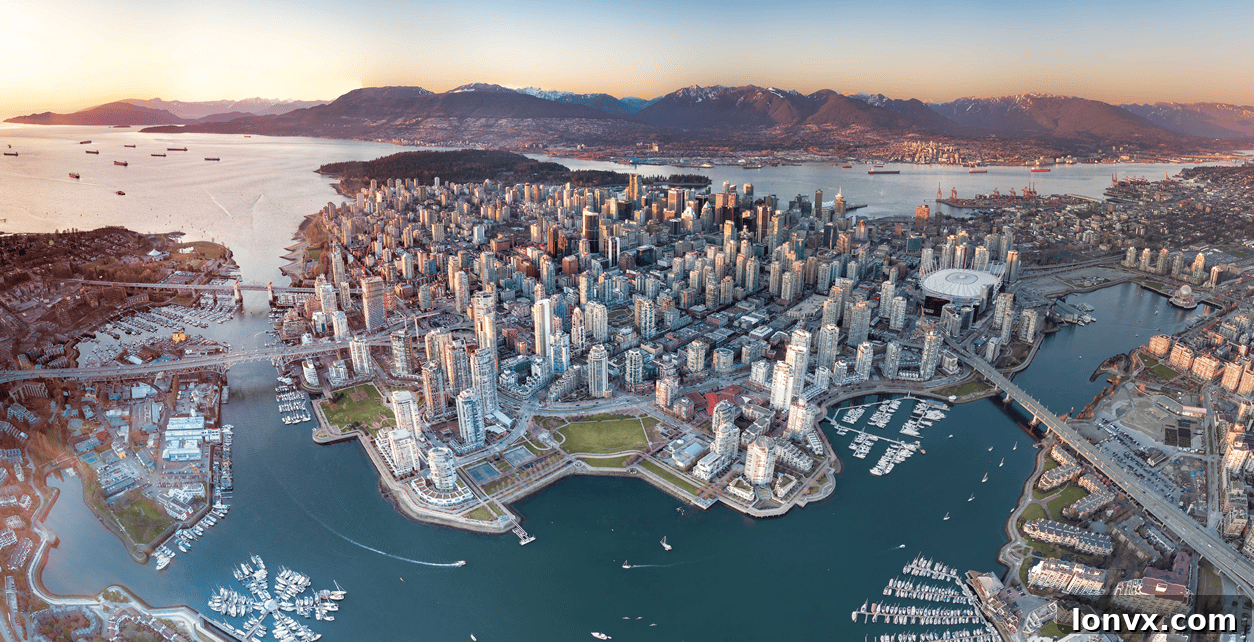
The COVID-19 pandemic has undeniably catalyzed a profound transformation in how Canadians live, work, and, consequently, where they choose to call home. This unprecedented global event has not only reshaped daily routines but also fundamentally altered real estate buying patterns across the nation, especially in major urban centers like Vancouver and their surrounding regions. What we’re witnessing is a significant divergence from pre-pandemic trends, characterized by a renewed emphasis on space, safety, and lifestyle flexibility. Understanding these shifts is crucial for anyone navigating the current Canadian real estate landscape, from first-time buyers to seasoned investors.
A Historical Perspective: The Urban-Suburban Pendulum Swing in Canadian Real Estate
To truly grasp the magnitude of recent changes in the Canadian housing market, it’s essential to look back at the historical ebb and flow of residential migration patterns. For decades leading up to the pandemic, many major North American cities, including Vancouver, were experiencing a sustained pattern that began around 1985. This period saw a significant movement of people from the city’s fringes and low-density suburbs back into the urban core. This trend, often associated with concepts like “new urbanism,” celebrated the convenience, walkability, and vibrant amenities of city living. It was a stark contrast to the post-World War II era.
From roughly 1945 to 1985, Canada, like many Western nations, saw a massive wave of suburbanization. Returning war veterans, often with young families, were incentivized by inexpensive loans and a shortage of housing in urban centers to build homes in newly developing suburban areas. This era spurred the rapid development of regions such as South Vancouver, Burnaby, Richmond, and North Vancouver, establishing the suburban dream as a cornerstone of Canadian homeownership. The core reasons for this initial exodus included greater affordability for growing families and, notably, a desire to escape the poor air quality prevalent in dense cities, which at the time lacked stringent car emissions controls. Before the 1970s, vehicles pumped out significant amounts of pollution, making air quality in dense urban environments considerably poor. As such, moving to less populated areas offered a cleaner, healthier environment.
However, around 1985, this trend began to reverse. As environmental regulations improved air quality in urban centers through the introduction of emissions controls in the 1970s, and heavy industry gradually relocated away from city cores, the appeal of urban living resurfaced. The convenience of being close to work, cultural institutions, and entertainment, coupled with the desire for a less car-dependent lifestyle, fueled a steady migration back to downtown areas. This “new urbanism” movement gained significant momentum, accelerating right up until the world was hit by the COVID-19 pandemic. The allure of walkable communities, diverse dining options, and a vibrant social scene solidified the urban core as the preferred choice for a growing segment of the population.
The Pandemic’s Reversal: A Modern Exodus from Urban Centers
The advent of COVID-19 has triggered a dramatic and almost instantaneous reversal of this decades-long “new urbanism” trend, pushing population movements back towards the suburbs and even more rural areas. While superficially resembling the post-war suburban migration, the underlying motivations this time are distinctly modern, shaped by the realities of remote work and health anxieties, rather than solely affordability or pollution concerns.
The Remote Work Revolution and the Quest for Space
One of the most significant catalysts for this shift is the widespread and often mandatory adoption of remote work. With countless Canadians “cooped up” in their homes for extended periods, often within the confines of smaller urban apartments, the psychological and practical need for adequate space has become paramount. The ability to work comfortably from home, without infringing on essential living areas, is now a primary driver for many households. Imagine the daily grind of working from a one-bedroom apartment versus having a dedicated home office, a larger living area, or even a private backyard. For many, the choice is clear: if they can sell a downtown condo for, say, $700,000 and acquire a single-family home in a more spacious, less dense area like Squamish, the Fraser Valley, or on Bowen Island, they are increasingly making that move. This desire for more square footage is often amplified for those with children or pets, who benefit immensely from larger indoor and outdoor environments.
Heightened Anxiety in High-Density Environments
Beyond the practical need for space, the pandemic has also introduced a pervasive sense of anxiety about high-density living. Shared spaces, such as elevators, common hallways, and crowded public transport, which are integral to urban high-rise living, have become sources of concern regarding virus transmission. The constant proximity to strangers in enclosed spaces has made many people hesitant, leading them to seek residences that offer greater privacy and control over their immediate environment. This translates into a strong preference for housing types with direct access to the outdoors, private entrances, and fewer shared amenities, further accelerating the move out of densely populated urban cores.
Evolving Perceptions of Urban Livability and Safety
Adding to these anxieties are reports of perceived declines in urban livability and safety in some downtown cores during the pandemic. In Vancouver, for instance, concerns have been raised about increased disorder and crime appearing in neighborhoods previously unaffected, attributed by some to shifting social dynamics and policy decisions related to vulnerable populations. Incidents highlighted in news reports, such as mothers and babies being threatened by individuals with needles, or people being robbed at gunpoint or attacked in public spaces, contribute to a pervasive feeling of discomfort, particularly among women and families. This perception, regardless of its full statistical accuracy, is a powerful factor influencing relocation decisions, leading many to feel “uncomfortable with the whole situation” and inspiring a desire for safer, more predictable environments.
Property Price Dynamics and the Rise of “Lifestyle Markets”
The dramatic shift in buying patterns has had a tangible and uneven impact on property prices and sales ratios across various segments of the Canadian real estate market, particularly in British Columbia.
Stable Vancouver Core, Surging Lower-Density Homes
During the pandemic, Vancouver’s property prices have remained remarkably stable across most real estate types, demonstrating the resilience of the market overall. However, the underlying sales dynamics tell a different story. Single-family housing in lower-density areas has seen significant price appreciation, indicative of robust demand driven by the factors mentioned above. In contrast, condominiums, particularly smaller one-bedroom units in the downtown core, have experienced softer demand and, in some cases, downward pressure on prices. This divergence is clearly reflected in sales ratios: high-density properties are generally seeing lower sales ratios, meaning they take longer to sell and often at lower prices, while lower-density properties are boasting higher sales ratios, moving quickly and often above asking price.
The Boom in Peripheral and Lifestyle Destinations
Perhaps one of the most striking developments is the meteoric rise of historically quieter markets. Regions like the Sunshine Coast, Victoria, Nanaimo, the Fraser Valley, and Squamish are currently “on fire,” experiencing unprecedented demand and price surges. These areas offer compelling advantages: significantly more space for less money, coupled with immediate access to natural amenities and a desirable lifestyle. Buyers, now largely untethered from daily commutes to a central office, are making deeply personal, lifestyle-driven moves. A passionate snowboarder or kiteboarder might relocate to Squamish for its mountain access and outdoor sports; a sailing enthusiast to Nanaimo or Victoria for their coastal living and marine activities; or someone desiring a truly rural escape to the Fraser Valley for its agricultural landscapes and community feel. Moreover, recreational properties, such as cabins or cottages with prime access to natural features (e.g., sea access to Indian Arm), have also seen a tremendous surge in popularity, becoming highly sought-after assets for leisure, and increasingly, as potential remote work hubs.
Vancouver West Side’s Unexpected Revival
Interestingly, even within Vancouver itself, the west-side market, which was somewhat subdued pre-COVID-19, has experienced a robust revival. This can be attributed partly to the economic stimulus measures that disproportionately benefited higher-income individuals, but also significantly to the enduring desire for lower-density housing options. The west side, with its tree-lined streets, larger lots, and established neighborhoods, offers many attractive options for those seeking more space and a traditional suburban feel within the city limits. Buyers with sufficient resources are actively pursuing these more spacious and desirable properties.
Looking Ahead: The Post-Vaccine Outlook and Enduring Trends
As vaccination efforts progress globally and the world slowly returns to a semblance of normalcy, the future of the Canadian real estate market, particularly in urban centers, remains a topic of intense speculation and analysis.
Anticipated Urban Rebound
There is a strong consensus among real estate professionals that once widespread vaccination has been achieved and health anxieties subside, downtown Vancouver properties are likely to experience a significant rebound, with prices potentially surging. Many individuals who grew up in or have become accustomed to urban living – valuing walkability, immediate access to world-class restaurants, diverse cultural venues, and waterfront attractions like the Seawall – may realize that the suburban or rural escape was temporary. The intrinsic allure of city life, its convenience, its vibrant social scene, and its array of amenities, is a powerful draw that is expected to reassert itself as confidence returns. Therefore, dense, urban properties are anticipated to perform exceptionally well in the medium to long term as people re-evaluate their long-term living preferences.
The Hybrid Work Model and Commuting Realities
While a universal return to full-time office work may not be the norm, a hybrid model, requiring employees to be physically present at the office occasionally, seems highly probable for many sectors. This means that while some might move further afield, a reasonable commute (e.g., an hour to an hour-and-a-half drive) to the main office will remain a practical consideration for many employers and employees. Many bosses won’t be comfortable with staff moving to entirely different provinces, but if employees can reasonably get to an office as needed, the flexibility to live slightly further out becomes viable. This evolving work structure will continue to shape housing choices, allowing for a balance between urban access and more spacious living.
Deeper Societal Forces Shaping Canadian Housing Demand
Beyond the immediate impact of the pandemic, broader social and demographic shifts continue to profoundly influence housing demand and preferences in Canada, creating a unique market dynamic.
Evolving Household Structures
Historically, just a few generations ago, household structures were predominantly multi-generational. Women often remained in their family homes until marriage, then established a new household with their husband, typically raising several children. This traditional model meant fewer individual households for a given population size, as families were larger and lived together. Today, however, there’s a significant trend towards individuals choosing not to have children, living alone for extended periods, or even for their entire lives. This profound demographic shift dramatically increases the overall demand for housing units, particularly smaller, urban spaces that offer great walkability and amenities, even if the absolute population growth isn’t explosive. What was once primarily family-driven housing demand is now fragmented across a much wider array of household types, intensifying competition for available units and placing sustained upward pressure on prices.
Impact of Unemployment on Real Estate Sales
While the pandemic led to a significant increase in unemployment, this was disproportionately concentrated among lower-income individuals, particularly those working in the service industry. Crucially, these individuals were generally not active participants in the real estate market prior to the pandemic, as homeownership was already out of reach for many. Consequently, Vancouver and its surrounding areas have not seen a significant drop in overall sales volumes, nor has it led to a market crash. The demographic capable of affording and purchasing real estate – typically higher-income earners in less affected sectors – has largely remained employed and financially stable, continuing their buying activities largely uninterrupted.
Aging in Place and the “Sight Unseen” Sale
Another notable trend influencing inventory and market dynamics is older people choosing to remain in their larger homes longer than originally planned. Many are deferring downsizing to condos due to heightened concerns about COVID-19 exposure in shared living environments, prioritizing safety and comfort in their familiar surroundings. For the very elderly who do decide to sell, the pandemic has introduced unique challenges. Many sales are now conducted on a “sight unseen” basis, where potential buyers are unable to physically tour the property due to sellers’ acute health concerns and vulnerability. For instance, a property inhabited by a couple in their early 90s might only be viewed virtually or through carefully vetted agents. Such stipulations, while understandable and necessary for seller safety, undoubtedly complicate and extend the purchase process, adding a layer of difficulty for both buyers and sellers trying to navigate an already complex market.
Conclusion: A Dynamic Market in Flux
The Canadian real estate market, particularly in British Columbia, is navigating an incredibly dynamic period shaped by the lingering effects of the pandemic and deeper, long-term societal shifts. While the immediate aftermath of COVID-19 saw a pronounced flight to the suburbs driven by remote work and health anxieties, the underlying appeal of urban centers is expected to reassert itself post-vaccine. The market continues to reflect a complex interplay of forces: the enduring desire for personal space and outdoor access, lifestyle-driven relocations, evolving household demographics, and a cautious return to normalcy. Navigating this landscape requires adaptability and a keen understanding of both immediate market responses and the powerful, underlying trends that will shape Canadian homeownership for years to come. Whether you’re seeking a quiet suburban retreat or a vibrant urban abode, the market is continually redefining what “home” truly means in the 21st century.