Navigating the Market: Your Essential Guide to Finding and Modifying Accessible Homes
The quest for the perfect home is inherently challenging, but when that home needs to be adaptable for accessibility, the search transforms into a specialized mission. For real estate professionals, identifying properties that can be seamlessly modified to meet diverse mobility needs requires a profound understanding of design, construction, and client-specific requirements. This comprehensive guide explores the intricacies of finding and modifying accessible homes, drawing on expert advice and real-life experiences to empower agents and clients alike.
As Jeffrey Kerr, a prominent broker and accessible housing expert with Re/Max Prime Properties Unique Group in Toronto, highlights, “A modified home is a rare commodity. Most often, agents will be tasked with finding a house that can be renovated to meet an individual’s accessibility needs.” He underscores the steep learning curve involved in this niche market, emphasizing the need for meticulous planning and informed decision-making. Navigating this landscape effectively not only ensures client satisfaction but also future-proofs their living situation, potentially saving significant time, stress, and financial resources.
Understanding the Fundamentals: What Makes a House Modifiable?
The first step in any successful accessible home search is a deep dive into the client’s specific requirements. Accessibility is not a one-size-fits-all concept; it is profoundly personal and evolves over time. Real estate agents must engage in thorough consultations to grasp what accessibility truly means for their clients.
The Indispensable Role of Occupational Therapists
One of the most critical pieces of advice from Kerr is to inquire whether clients are collaborating with an occupational therapist (OT). An OT is a highly trained professional who can conduct a detailed assessment of an individual’s immediate needs, as well as anticipate future requirements over five, ten, or even more years. This forward-thinking approach is paramount in preventing multiple, costly moves or successive renovations. By understanding the long-term trajectory of a client’s mobility, agents can guide them toward a property that can truly serve as a permanent, adaptable sanctuary.
Communicating with Empathy and Precision
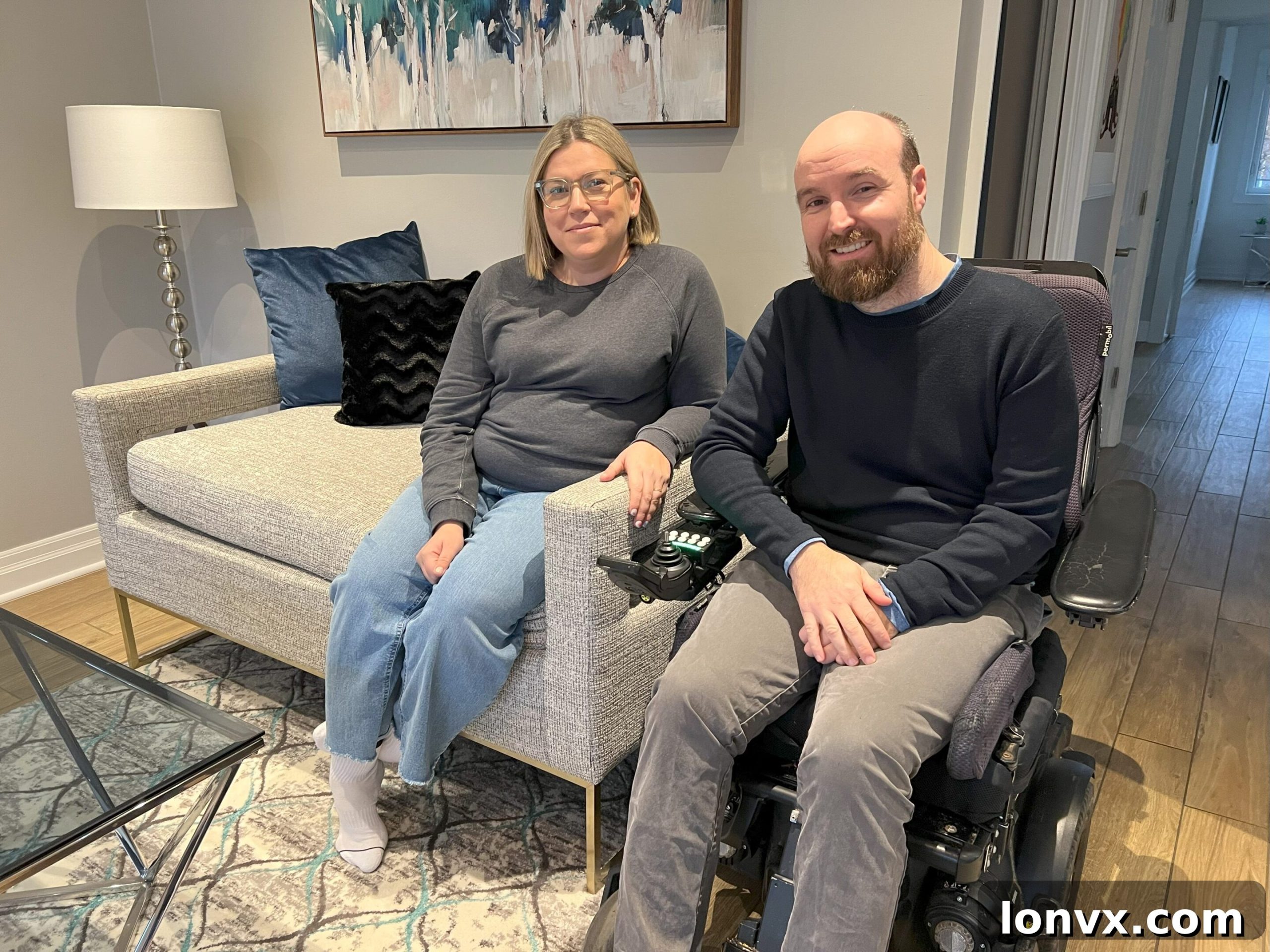
Effective communication goes beyond mere fact-finding; it involves empathy and respect for a client’s personal language. As Courtney, whose husband Mike sustained a spinal injury in 2017, advises, “Don’t be shy about asking questions.” This creates an environment where clients feel comfortable using their own terminology. She shares an insightful example: “Mike doesn’t like it when someone says ‘You’re in a wheelchair’. Instead, he refers to himself as a ‘wheelchair user’.” Agents who adopt this sensitive approach build trust and foster a more productive working relationship. It’s crucial to observe and understand how clients navigate their current spaces, identifying both the successes and the challenges, to pinpoint what truly enhances or hinders their independence.
Beyond Mobility: Budget and Geographic Considerations
While accessibility is central, traditional real estate factors like budget and geography remain vital. Kerr stresses the importance of asking: “Where do they want to live and is it realistic in terms of budget?” The ideal accessible home must also be financially viable and situated in a location that supports the client’s lifestyle, proximity to healthcare, amenities, and social networks. These practical constraints often dictate the scope and feasibility of modifications.
Engaging with Support Networks
It’s important to recognize that in many cases, real estate agents may not be speaking directly with the end-user. Individuals in rehabilitation hospitals, for example, often rely on parents, family members, occupational therapists, or case managers to lead the home search. These intermediaries are crucial links, often working with rehab teams who are instrumental in connecting individuals with appropriate resources. Kerr frequently receives referrals from social workers and staff at rehabilitation centers like Toronto’s Lyndhurst Centre, underscoring the collaborative nature of this specialized real estate niche. For aging parents seeking accessible solutions, it is often an adult child who takes the lead, acting as a crucial advocate and decision-maker.
A Real-Life Journey: Mike and Courtney’s Quest for Accessible Living
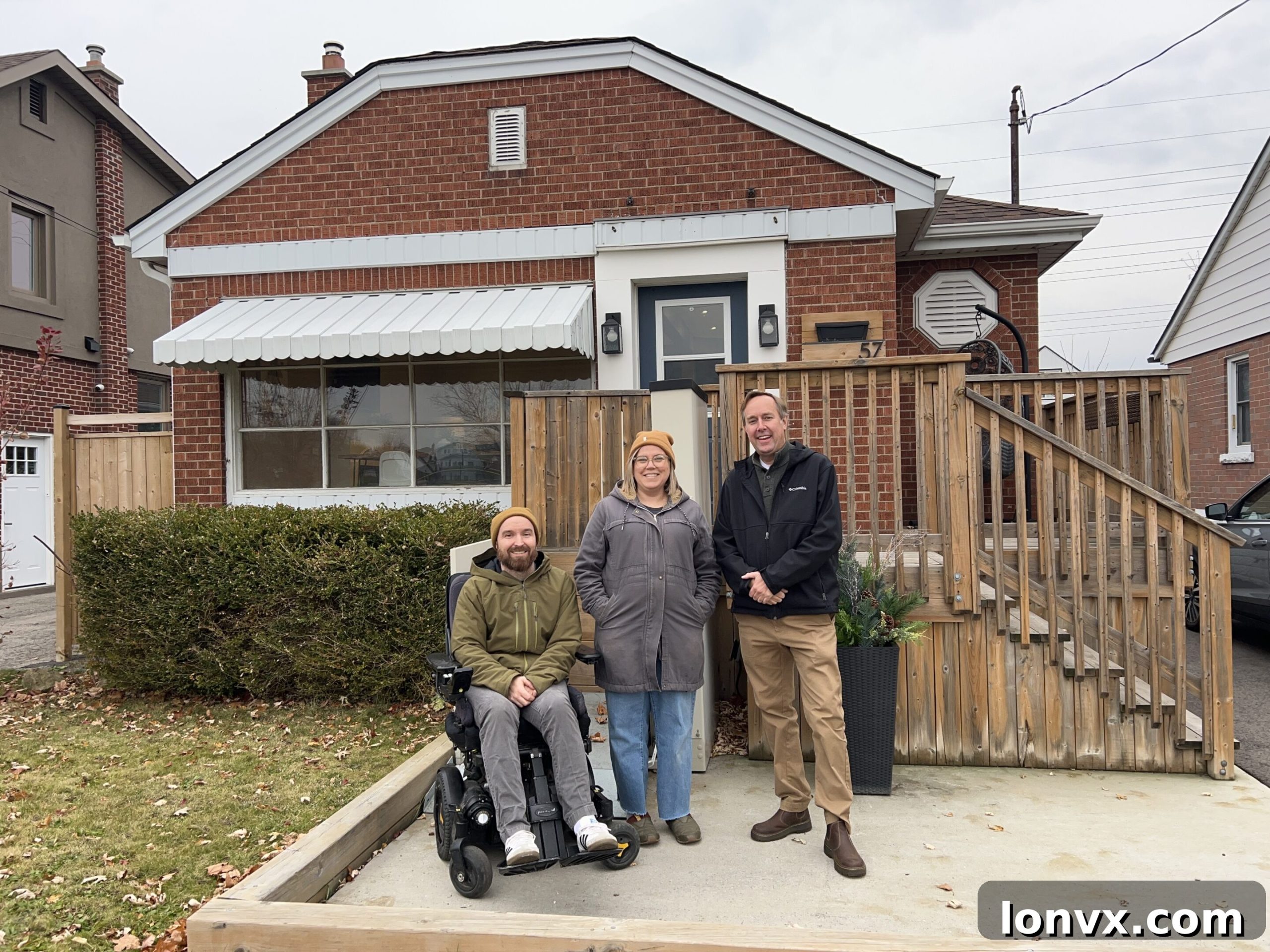
The journey of Mike and Courtney provides a compelling illustration of the complexities and triumphs involved in securing an accessible home. Their path began after encountering Jeffrey Kerr at an accessibility show and reading his insightful book, Barrier Free Real Estate: Achieving Freedom At Home. This initial connection proved pivotal in their long-term housing strategy.
Years after Mike’s injury and a substantial investment of over $300,000 in renovations to their existing home, the couple realized they needed a more fundamental change rather than tackling another renovation. Their family had grown (they have a seven-year-old child), and they desired more space, a second bathroom, and a desire to remain in their beloved community of Hamilton, Ontario.
Courtney recounts their initial reluctance to move after the injury, largely due to their ideal location across from a park with paved paths and two playgrounds that perfectly suited their needs at the time. Despite an addition, they had put off renovating the basement. Through countless hours of research, they developed a clear vision for their next home: bungalows with open layouts, solid foundational “bones,” two exits for safety, and a furnace located to facilitate the future installation of an elevator—a testament to their meticulous planning.
After six years of living in their modified starter home, Mike and Courtney had a precise understanding of what they required in their next property. Courtney would send potential listings to Kerr, confident in his ability to assess a property’s modifiability from a simple listing or a quick walkthrough. She praises Kerr’s invaluable network, noting his connections to “all the right people” – from specialized contractors to elevator installers – essential for executing complex accessibility modifications.
Unpacking Their New Modifiable Home: Potential and Planning
The home Mike and Courtney ultimately purchased, conditional on the sale of their current residence, perfectly exemplifies the concept of modifiability. While it already featured some accessible elements, such as a wooden ramp in the double garage and a few widened doorways, it largely represented a blank canvas for future enhancements. This potential for transformation was key.
“It is modifiable,” Courtney confirms with satisfaction. The house boasts an open-concept living and dining room, providing ample space for maneuverability. Crucially, the hallway is wide enough to accommodate a power wheelchair, a non-negotiable requirement. Even the kitchen layout works, allowing Mike to comfortably reach the dishwasher, sink, and stove from his stronger side. These foundational elements minimized the immediate need for extensive structural changes, allowing them to prioritize other areas.
A significant advantage of their new home is its lower level. Currently unfinished, it offers a “clean slate” for the couple to design a space tailored precisely to their evolving needs. Kerr points out their good fortune in finding a high basement, which, even when fully finished, will maintain a comfortable ceiling height of 7.5 feet – an essential detail for future accessibility lifts or ceiling hoists.
Their renovation plans for the new home include an expanded bathroom featuring a roll-in shower, which offers barrier-free access, and a through-the-floor accessibility lift. This lift will seamlessly connect the main and lower levels, ensuring unrestricted movement throughout the entire residence and greatly enhancing Mike’s independence and convenience.
Key Structural Considerations for a Truly Accessible Home
When evaluating a potential home for modification, specific structural elements are paramount. These are often non-negotiable factors that determine a property’s true potential for accessibility.
Entrance Accessibility: The First Impression
The entrance to a home is the gateway to independence. “Ideally, the entrance will have a ramp or gently rising landscape to the front door,” Kerr emphasizes. The ability for an individual to enter and exit their home safely and independently is a primary concern. Both Kerr and Courtney agree that homes with steps immediately inside the front door are often a “no-go,” as these present significant, often insurmountable, barriers without major structural overhauls.
The Power of Single-Level Living
For many, single-level living represents the gold standard for accessibility. This design ensures that primary rooms—including the master bedroom, bathroom, and main living areas—are all on one floor, eliminating the need for stairs. An added bonus is a double garage with direct, level access into the house. “It’s nice to pull in and transfer under cover to avoid wet wheels,” Kerr notes, highlighting the practical benefits of staying dry and protected from the elements. If a few steps exist between the garage and the house, a short ramp can often be constructed to bridge the gap, making it a more manageable modification than internal staircases.
Multi-Story Homes and Elevator Solutions
While single-level living is ideal, a two-story house can still be viable if it possesses suitable space for an elevator. The optimal scenario involves an elevator that connects all levels—the lower level, main floor, second floor, and garage—providing complete vertical mobility throughout the home. This requires careful planning for shaft space and structural integrity, making it a significant but often worthwhile investment for long-term accessibility.
Beyond the Basics: Additional Elements for Enhanced Accessibility
Achieving comprehensive accessibility often involves considering details beyond the primary structural modifications. These elements contribute significantly to daily comfort, convenience, and overall independence.
Ample Storage for Mobility Equipment
One often-overlooked necessity is sufficient space for storing and parking wheelchairs and other mobility equipment. As Kerr explains, “some people leave their power wheelchairs outside and use a manual chair inside or have backup chairs, so extra storage space is a must.” In condominium settings, this translates to ensuring adequate designated parking spots for devices, ideally located beside an electrical outlet for charging. Planning for multiple pieces of equipment, including manual chairs, power chairs, walkers, or scooters, prevents clutter and maintains clear pathways within the home.
Renovate vs. Relocate: Weighing the Options
Kerr reminds clients that moving is not always the only solution. “Not everybody needs to move if the right modifications can be made. It’s expensive to move and most people like their neighbourhood and prefer to stay.” For many, the emotional attachment to a community, proximity to friends and family, and established routines are powerful incentives to remain in their current homes. In such cases, Kerr advises on what modifications can enable clients to “age in place” or continue living in their familiar surroundings longer. This might involve renovating a main-floor bathroom to include a roll-in shower or designing a creative entrance solution, such as a ramp or platform lift, to overcome exterior steps.
The Indispensable Role of Modification Experts and Due Diligence
While an experienced real estate agent like Jeffrey Kerr can identify modifiable homes, he strongly advocates for bringing in a specialized modification expert. “Now that the market has quieted down, extra conditions can be included. I insist that a modification expert look at the home because modifications cost a lot of money. I want to give [clients] the correct advice,” he states. This expert can provide a detailed assessment of the proposed modifications, evaluate structural feasibility, estimate costs accurately, and identify potential challenges that might not be immediately apparent.
If including a modification expert’s assessment as a condition in an offer isn’t possible, Kerr advises arranging for the expert to view the home as early as possible. He suggests explaining the situation to the listing realtor, who is usually understanding and willing to accommodate the additional viewing time. This proactive approach minimizes risks and ensures that clients are fully informed before making a significant financial commitment.
Mike and Courtney, through their own experience, understood the critical nature of due diligence. They insisted on three key conditions for their new home purchase: approval from a modification expert, the sale of their current home (a reflection of market uncertainties), and a comprehensive home inspection. To strengthen their conditional offer and demonstrate their earnestness, they even wrote a heartfelt letter to the sellers, explaining their unique situation and their deep commitment to buying the property.
Networking with Professionals
For agents just entering this specialized field, building a network of trusted professionals is crucial. Companies specializing in home modifications or residential elevators are excellent sources of information. Kerr suggests asking these companies if they know anyone who focuses specifically on accessible renovations. Additionally, professionals at rehabilitation hospitals are often well-connected and can provide valuable referrals based on their clients’ experiences. Over the years, Kerr has cultivated his own robust network of experts, allowing him to offer comprehensive guidance to his clients.
It’s worth noting that Kerr also offers consulting services, charging an hourly rate. Having navigated the process with the Real Estate Council of Ontario, he is permitted to act as a consultant in addition to his traditional buying and selling activities, further solidifying his expertise in this niche.
The Future of Accessible Housing: Growing Demand and Value
The demand for modified and accessible homes is on a steady upward trajectory. With an aging global population desiring to “age in place,” coupled with the needs of individuals of all ages requiring accessible living solutions, this market segment is experiencing significant growth. This trend not only highlights a societal need but also presents a unique investment opportunity.
As Kerr points out, “As long as the work has been professionally done, there is good value in resale.” A thoughtfully and professionally modified home is not merely a specialized property; it is a valuable asset that caters to a growing demographic, ensuring its appeal and investment potential in the future.
Courtney wholeheartedly recommends Jeffrey Kerr’s book, Barrier Free Real Estate: Achieving Freedom At Home, as an excellent starting point for both real estate agents and clients. It serves as an invaluable resource, offering foundational knowledge and practical insights to navigate the complex yet rewarding journey of finding and creating truly accessible homes.
Enjoying this article?
Get the latest articles in your inbox 3x a week so you stay up to date on the latest in the real estate industry.