
The dynamic and often unpredictable housing market of the Greater Toronto Area (GTA) has long been a focal point for investors, homeowners, and policymakers alike. For a significant portion of the current year, the consensus suggested a tentative, almost fragile recovery was underway. However, this narrative took a sharp turn, unequivocally cracking under pressure in August, revealing underlying vulnerabilities that demand closer scrutiny. This pivotal month marked a significant shift, challenging previous assumptions and setting a new tone for the market’s trajectory.
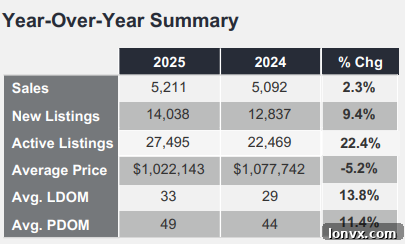
Analyzing the latest figures, sales volume reached 5,211 transactions in August, a slight increase compared to the same period last year. While this might appear positive on the surface, a more granular, seasonally adjusted analysis paints a different picture. It represented the first monthly decline in sales since March, indicating a loss of momentum when accounting for typical seasonal fluctuations. Concurrently, average prices remained firmly under pressure. The benchmark price for a home in the GTA fell to $978,100, extending a concerning nine-month streak without any appreciable gains. This sustained plateau, bordering on decline, suggests a market grappling with fundamental challenges rather than transient adjustments. More surprisingly, perhaps, is the specific mix of housing products experiencing the most significant downturns—a phenomenon that has caught even the most seasoned market observers by surprise, recalibrating their expectations for market resilience.
Detached Homes and Condos Bear the Brunt of Market Correction
One of the most striking revelations from the August data challenges long-held conventional wisdom regarding market resilience. Historically, detached homes within the 416 area code (Toronto proper) were often considered the most stable and coveted segment, expected to weather market downturns better than, for instance, condominiums. Yet, the data demonstrates a stark reversal of this expectation. Detached homes in the 416 have posted one of the steepest declines witnessed in the current cycle, plunging by more than 10 percent year-over-year. This represents the largest decline among freehold properties and within the core Toronto market, signifying a profound shift in buyer sentiment and affordability constraints.
The only segment that experienced an even more significant contraction was condominiums in the 905 area code (the surrounding regions of the GTA), which saw an annual decline of 10.6 percent. These are not minor adjustments or marginal corrections; rather, they signify some of the deepest and most impactful price corrections observed in recent memory for these particular housing types. This downturn in key segments reflects a combination of factors, including elevated interest rates disproportionately impacting mortgage affordability for higher-priced detached homes, and a substantial increase in condo inventory as investors seek to exit or reduce their portfolios amidst rising carrying costs and slowing appreciation.
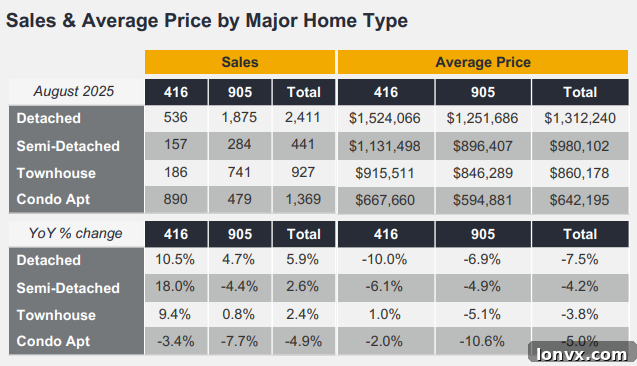
While detached homes and 905 condos led the downturn, other product types were by no means immune to the broader market pressure. Average prices experienced declines across nearly every category, signaling a pervasive weakening across the residential sector. There was one notable exception to this widespread trend: 416 townhouses. This specific segment managed to register a modest increase of approximately one percent. For astute investors and forward-thinking builders, this small but significant uptick offers a potential glimmer of opportunity, hinting at a niche redevelopment angle. The feasibility of creating townhouse-style multiplexes on existing detached lots could become increasingly attractive and financially viable, especially if the current spread between detached and townhouse values continues to widen. However, it is crucial to recognize that this remains a specialized “silver lining” for a particular segment, rather than an indication of a robust or broad-based market recovery. It speaks more to changing urban planning priorities and the demand for more compact, affordable housing options within the city core.
Unprecedented Inventory Surge Redefines Market Dynamics and Buyer Power
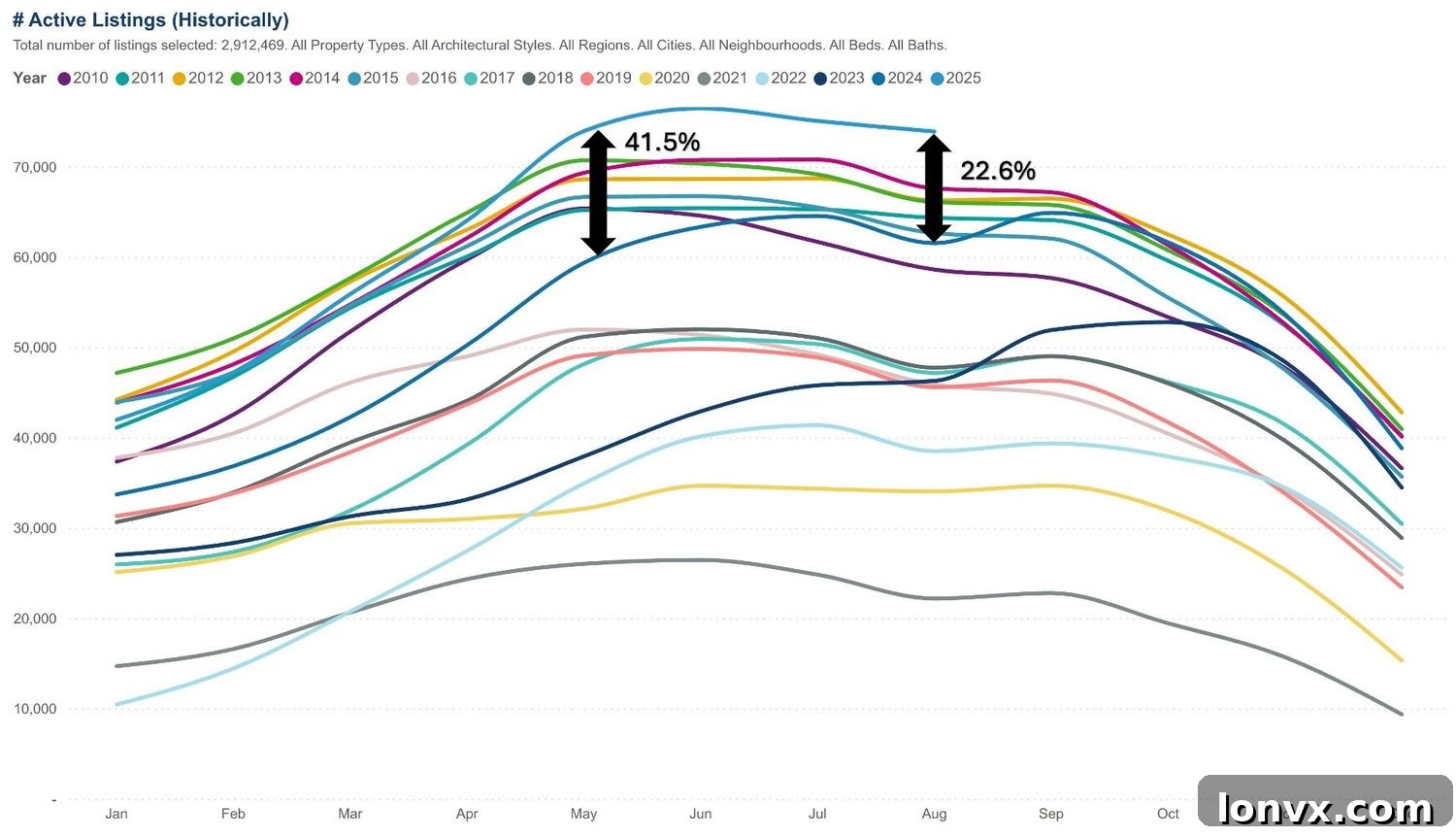
Beyond the headline-grabbing price declines, arguably the most significant development reshaping the Greater Toronto Area housing market is the dramatic surge in active listings—a burgeoning supply that is fundamentally altering the balance of power. Compared to last August, active listings soared by an astonishing 22.4 percent. This represents one of the largest year-over-year increases ever recorded in the GTA, a clear indicator of a significant shift from a seller’s to a buyer’s market. The only comparable spike in recent memory was in May 2025, when active listings surged by an even more pronounced 41.5 percent, illustrating a pattern of increasing inventory not seen in over a decade.
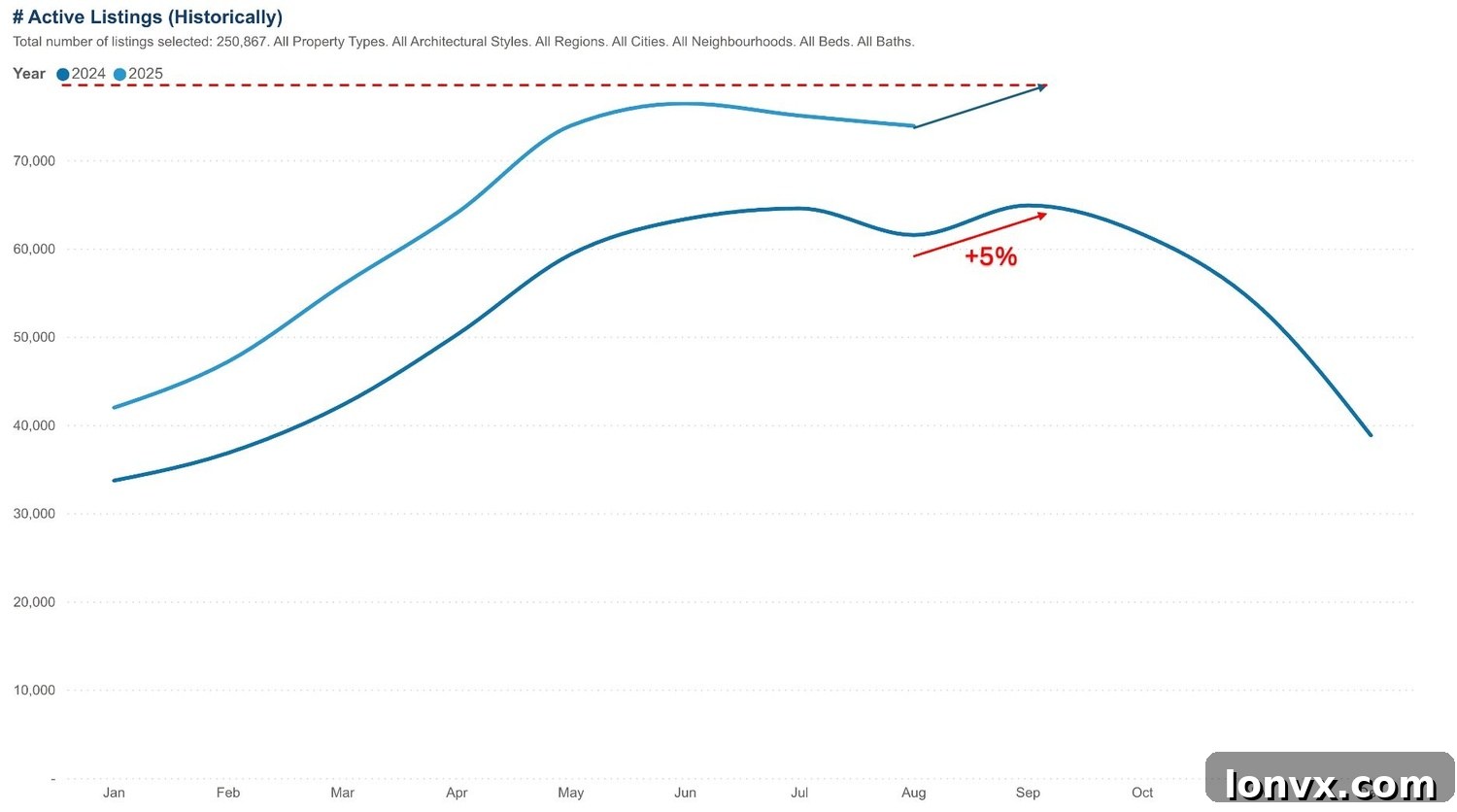
The momentum behind this inventory surge shows no signs of abating. Historically, active listings tend to rise further in September as the fall market kicks into gear. Early tracking and projections suggest that the GTA housing market could be poised to set yet another record for supply in the coming weeks. To put this into perspective, last year saw a five percent increase in inventory from August to September. Considering that 2025 is already experiencing a 20 to 40 percent higher year-over-year inventory level, a comparable gain this September would undeniably push Toronto into uncharted territory for housing supply. This extraordinary influx of available properties creates a stark contrast to the historically tight supply conditions that characterized the market for many years, fundamentally altering the competitive landscape.
This profound imbalance between supply and demand is unequivocally shifting the balance of power in favor of buyers. With a significantly greater number of options available, prospective homeowners are now in a stronger negotiating position, empowered to demand price cuts, more favorable terms, and greater transparency. Conversely, sellers who hold firm to aspirational price points or resist market realities are increasingly finding themselves facing extended wait times and stagnant listings. The average days on market for a property in the GTA has steadily climbed from 29 to 33 days, signifying that properties are now typically taking more than a month to sell, with some languishing for two months or even longer. This extended sales cycle underscores the diminished urgency in the market and reinforces the newfound leverage buyers now possess, transforming the purchasing experience from a frantic bidding war into a more measured negotiation process.
Sales Figures: A Deceptive Picture of Market Health
At first glance, organizations like TRREB (Toronto Regional Real Estate Board) and certain bullish analysts might selectively highlight that overall sales volumes are higher compared to the previous year. While numerically true, this interpretation risks misrepresenting the underlying health and dynamics of the market. A deeper dive into the data reveals a more nuanced, and perhaps concerning, reality: the increase in transactions is largely being driven by falling prices, rather than a resurgence of confidence, improved economic fundamentals, or genuine demand growth. In essence, more people are transacting because they perceive opportunities for bargains, or because sellers are increasingly motivated to sell at lower prices due to rising carrying costs or shifting life circumstances.
For a brief period in July, there was a fleeting glimmer of hope when sales volumes momentarily outpaced new listings, suggesting that demand might finally be catching up to the available supply. However, this fragile equilibrium quickly reversed course in August. New listings surged by 9.4 percent, while sales only managed to creep up by a modest 2.3 percent. This critical divergence—supply growth once again significantly outpacing demand growth—is a classic and undeniable hallmark of deepening buyer’s market conditions. It indicates that despite more transactions occurring, the underlying pressure on prices is likely to persist as the sheer volume of available properties continues to dilute buyer competition and reinforce their negotiating power. This dynamic underscores the importance of looking beyond superficial sales numbers to understand the true trajectory of the GTA housing market.
The Broader Policy Dilemma: Balancing Recovery with Long-Term Affordability
The evolving situation in the GTA housing market places the Bank of Canada in an increasingly precarious position. With signs of economic slowdown and growing pressure, the central bank faces calls to restart rate cuts as early as this fall. While monetary easing could potentially entice sidelined buyers back into the market by reducing borrowing costs, such a move carries significant risks. Without parallel structural improvements in affordability—meaning higher wages that keep pace with housing costs and a more attainable supply of diverse housing options—lower interest rates primarily risk reigniting speculative churn. This could lead to another cycle of inflated prices, exacerbating long-term affordability issues rather than resolving them. Lower rates alone cannot provide a sustainable solution for a market increasingly defined by an abundance of supply that remains largely unaffordable for a significant portion of the population.
In contrast to the short-term impact of interest rate adjustments, TRREB has consistently advocated for substantial infrastructure spending to support sustainable growth within the region. This approach represents a more durable and long-term fix, one that aims to fundamentally align housing development with the economic realities and needs of the population. Investing in infrastructure—such as improved transit networks, accessible services, and job-creating economic hubs—helps to ensure that housing is not only built but is also integrated into communities where people can afford to live, work, and thrive. This holistic strategy prevents the market from oscillating wildly between unsustainable boom and painful bust cycles driven primarily by credit availability, instead fostering a more stable and resilient housing ecosystem that genuinely serves the needs of its residents.
Strategic Implications for Buyers and Builders in a Shifting Market
For prospective homebuyers, today’s Greater Toronto Area market presents a rare and significant window of opportunity characterized by increased leverage. The combination of longer days on market and a swelling inventory of available properties signals the evaporation of the fierce bidding wars that once defined the GTA. These competitive scenarios are now largely replaced by opportunities for genuine negotiation on price and terms. The primary risk for buyers in this environment is not the fear of missing out (FOMO) on a rapidly appreciating asset, but rather the risk of over-reaching or acting too hastily, especially if prices continue their downward slide into the fall season. Prudence, thorough due diligence, and a willingness to negotiate patiently are now paramount strategies. Buyers are encouraged to take their time, compare multiple properties, and leverage professional advice to secure the best possible value.
For developers and builders, the paradigm has fundamentally shifted. The era of operating under the assumption of perpetual scarcity in the GTA housing market is definitively over. Projects conceptualized and premised solely on constrained supply and rapid price appreciation may find themselves underperforming in this new environment. The developers best positioned for long-term success will be those who adapt their strategies to current market demands and evolving demographic needs. This means a strategic pivot towards delivering family-sized units, purpose-built rentals, and mixed-income communities. These types of housing products demonstrate greater resilience to speculative cycles and cater to a broader, more stable demand base, moving away from luxury or purely speculative ventures. Sustainable and community-focused development will be key to navigating this recalibrated market landscape successfully.
The GTA Housing Market: A Mirror of the Broader Economy
The Greater Toronto Area housing market has always served as a sensitive barometer, a direct proxy for the health and trajectory of the broader Canadian economy. Its current pronounced weakness is not an isolated phenomenon; rather, it coincides directly with a discernible slowdown in key economic sectors, notably Ontario’s vital steel and automotive industries. These sectors, foundational to the province’s economic output, have been significantly pressured by various factors, including persistent U.S. tariffs and global supply chain disruptions, impacting production and export volumes. This interconnectedness highlights a crucial point: housing, which for many years acted as the primary locomotive driving economic recovery and growth, cannot be solely relied upon to pull the economy out of its current doldrums this time around. Its fate is deeply intertwined with the performance of other foundational industries.
Ultimately, whether the GTA housing market stabilizes or continues its current path of correction will hinge less on the immediate fluctuations of interest rates and more on fundamental, structural alignment. This critical alignment encompasses several key dimensions: matching housing supply to the actual income levels of residents, balancing inventory levels with genuine, sustainable demand, and ensuring that housing policy is thoughtfully crafted to address the complex realities and evolving needs of the twenty-first-century economy. A truly healthy and stable housing market will be one that reflects a robust and diversified economy, capable of supporting its citizens with affordable and accessible living options, rather than one driven by speculative forces or temporary monetary adjustments.