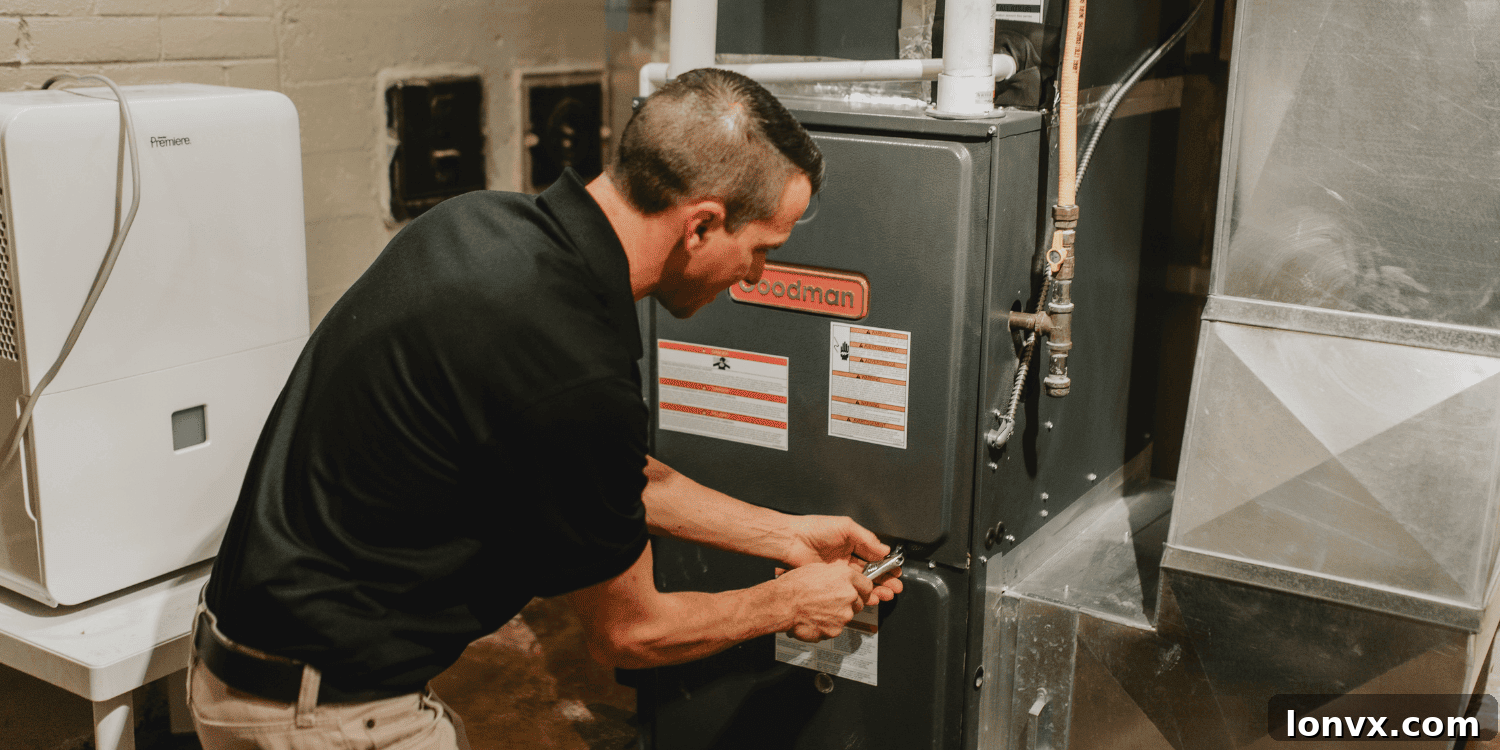
Essential HVAC Troubleshooting: Your Guide to Quick Fixes Before Calling a Pro
Imagine this all too common scenario: It’s the dead of winter, the temperatures outside have plummeted, and your client calls in a panic – their heating system has suddenly stopped working. Worse yet, they have an open house scheduled for tomorrow! The last thing they want is to incur the cost of an emergency service call if the problem is something simple they could have fixed themselves. As a homeowner, a landlord, or a real estate professional, empowering yourself and your clients with basic HVAC troubleshooting knowledge can save time, stress, and significant money.
Heating, ventilation, and air conditioning (HVAC) systems are complex, but many common issues that lead to system malfunctions are surprisingly simple to diagnose and often fix without professional intervention. Knowing these quick checks can provide peace of mind and prevent unnecessary expenses. This comprehensive guide will walk you through five essential troubleshooting steps, plus a crucial safety tip, designed to help determine if your HVAC issue is a quick DIY fix or signals a more serious problem requiring expert help.
Why DIY HVAC Troubleshooting Matters
Before you reach for the phone to call an expensive HVAC technician, understanding a few fundamental checks can offer numerous benefits:
- Cost Savings: Service calls, especially after-hours or emergency visits, can be incredibly costly. A simple reset or adjustment could save you hundreds of dollars.
- Time Efficiency: Waiting for a technician can take hours, or even days, during peak seasons. A quick DIY fix can restore comfort much faster.
- Preventative Maintenance: Regularly performing these checks helps you stay aware of your system’s condition, potentially identifying minor issues before they escalate into major, costly repairs.
- Empowerment: Gaining a basic understanding of your home’s systems gives you greater control and reduces reliance on external help for every small hiccup.
- Peace of Mind: Knowing you’ve exhausted the easy solutions makes the decision to call a professional feel more informed and less panicked.
The Essential HVAC Troubleshooting Checklist: 5 Steps to Restore Comfort
#1. Check the Thermostat Settings and Power
The thermostat is the brain of your HVAC system, dictating when it should heat or cool. It’s often the simplest, yet most overlooked, source of problems.
- Mode and Temperature Settings: Ensure the thermostat is set to the correct mode (Heat, Cool, or Auto) and that the desired temperature is above the current room temperature for heating, or below for cooling. It’s common for settings to be accidentally changed by children, guests, or even a bump.
- Fan Settings: Check if the fan is set to “Auto” (runs only when heating or cooling) or “On” (runs continuously). If it’s set to “On” and you’re not getting conditioned air, this might indicate a different issue. For troubleshooting, try setting it to “On” to see if the fan engages.
- Power Source: Many modern thermostats are battery-powered, while others are hardwired. If your thermostat has a blank screen or is unresponsive, check the batteries first. Replace them with fresh ones, even if they appear to have some charge left. For hardwired units, ensure there isn’t a loose connection or a tripped breaker specific to the thermostat (though less common).
- Programming Schedules: Some programmable thermostats can default to energy-saving settings. Make sure your current schedule isn’t preventing the system from running when you expect it to. Override the schedule if necessary for testing purposes.
A quick verification of these settings can often resolve the problem instantly, saving you from unnecessary calls.
#2. Examine Your Home’s Circuit Breakers
HVAC systems draw a significant amount of electricity, making them susceptible to tripping circuit breakers. An electrical surge, an overloaded circuit, or even a minor malfunction can cause a breaker to trip, cutting power to your unit.
- Locate Your Electrical Panel: This is usually a metal box found in a basement, garage, utility closet, or outdoor wall.
- Identify the HVAC Breaker: Look for labels such as “Furnace,” “AC,” “HVAC,” or “Air Handler.” There might be multiple breakers for different components of the system (e.g., one for the outdoor unit, one for the indoor unit).
- Reset Tripped Breakers: A tripped breaker will typically be in an “off” or middle position. To reset it, firmly push the switch completely to the “off” position first, then flip it back to “on.” Never force a breaker that won’t reset.
- Caution: If a breaker trips repeatedly after being reset, this is a strong indication of a more serious electrical problem or an issue with the HVAC unit itself. Do not continue to reset it; call a qualified electrician or HVAC technician immediately to prevent potential damage or fire hazards.
This simple check restores power to many systems and is a fundamental step in troubleshooting.
#3. Monitor and Change HVAC Air Filters
Clogged air filters are one of the most common causes of HVAC inefficiency and breakdowns. Your system’s ability to circulate air properly is directly tied to the cleanliness of its filters.
- The Role of Filters: Air filters trap dust, dirt, pet dander, pollen, and other airborne particles, preventing them from entering your system and circulating throughout your home.
- Impact of Clogged Filters: When a filter becomes heavily clogged, it restricts airflow. This forces your HVAC system to work harder to push or pull air, leading to:
- Reduced heating or cooling capacity.
- Increased energy consumption and higher utility bills.
- Strain on the system’s fan motor, potentially leading to premature wear and tear.
- Poor indoor air quality.
- In extreme cases, frozen evaporator coils in AC units or overheating furnaces.
- Checking and Changing Filters:
- Locate your filter slot, typically found in the return air duct, furnace, or air handler.
- Pull out the existing filter and inspect it. If it’s discolored, covered in grime, or appears dense with debris, it needs to be replaced.
- Recommendation: Check filters monthly and replace them every 1-3 months, especially during periods of heavy use (hot summers, cold winters), if you have pets, or if someone in the home has allergies.
- Ensure you install the new filter correctly, paying attention to the airflow direction arrow printed on the filter frame.
Regular filter maintenance is a crucial, inexpensive practice that significantly extends the life and efficiency of your HVAC system.
#4. Ensure Interior and Exterior Vents Aren’t Obstructed
Proper airflow is paramount for an HVAC system to distribute conditioned air effectively throughout your home. Blocked vents, both inside and outside, can severely impair performance.
- Interior Supply Vents (Registers): These are the grilles through which heated or cooled air enters your rooms.
- Check for Obstructions: Ensure furniture, curtains, rugs, or other household items are not blocking these vents. Even partially covered vents can significantly reduce airflow to a room.
- Check for Closure: Sometimes vents are accidentally (or intentionally) closed. Make sure the louvers are open. While closing vents in unused rooms might seem like an energy-saving idea, it can actually create pressure imbalances and strain your system, as it’s designed to deliver a specific amount of air.
- Cleanliness: Dust and debris can accumulate on and inside vent grilles. Periodically vacuum or wipe them clean to ensure unrestricted air passage.
- Interior Return Air Vents: These larger grilles pull room air back into the HVAC system for conditioning.
- Keep Clear: These are just as important as supply vents. Ensure they are free from any obstructions like furniture, boxes, or pet beds. Blocked return vents choke the system, similar to a clogged filter.
- Exterior Unit (Condenser) Vents: For central air conditioning, the outdoor unit (condenser) needs clear space around it to dissipate heat.
- Clear Debris: Remove any leaves, grass clippings, dirt, or other foreign objects that might be trapped in the fins or around the unit.
- Maintain Clearance: Ensure there’s at least 2 feet of clearance around all sides and above the unit. Trim back shrubs, trees, or tall grass that could impede airflow.
Maintaining clear vents guarantees that your system can breathe freely and distribute air efficiently, preventing hot or cold spots in your home.
#5. Inspect Indoor & Outdoor Power Switches/Exterior Disconnects
Beyond the main circuit breaker, many HVAC systems have dedicated service switches, often located near the units themselves. These are safety features and allow technicians to power down the system for maintenance.
- Indoor Furnace/Air Handler Switch: This is typically a standard light switch found on or near your furnace or air handler unit in the basement, utility closet, or attic. It often looks like a regular light switch but controls power to the HVAC unit. Ensure this switch is in the “on” position. It can sometimes be accidentally flipped off by a homeowner thinking it controls a light.
- Outdoor AC Disconnect Switch: For central air conditioning units, there is usually an external disconnect box mounted on the wall near the outdoor condenser unit. This box contains a switch or pull-out fuse block that cuts power to the unit. Check that this switch is in the “on” position or that the fuse block is properly inserted. These are often enclosed in a weather-resistant box.
These switches are designed for safety and maintenance, but if accidentally turned off, they will completely disable your system. A quick check can confirm they are engaged.
BONUS SAFETY TIP: Clear Outdoor Vents and Exhausts
Especially during winter months, severe weather can pose a significant threat to the safe operation of your heating system.
- Furnace and Water Heater Exhaust Vents: Many high-efficiency furnaces and water heaters vent combustion gases through PVC pipes that exit through an exterior wall. These vents must remain clear of snow, ice, leaves, and other debris.
- The Danger of Blockage: If these exhaust vents become blocked, the furnace’s safety sensors will detect an issue and shut down the unit to prevent dangerous carbon monoxide (CO) from building up and flowing back into your home. This is a critical safety feature designed to protect occupants from this odorless, colorless, and potentially deadly gas.
- Action Required: After a snowstorm or periods of heavy winds, always check and clear any snow or ice buildup around these outdoor vents for your furnace, water tank, and even fireplaces. You may need to dig them out carefully.
- Carbon Monoxide Detectors: As a crucial safety measure, ensure your home has functional carbon monoxide detectors installed on every level, especially near sleeping areas.
Prioritizing the clearance of outdoor vents is not just about restoring heat; it’s about ensuring the safety of everyone in the home.
When It’s Time to Call a Professional
If you’ve diligently performed all the checks above and your HVAC system still isn’t functioning correctly, it’s time to acknowledge that the issue is beyond a simple DIY fix. Calling a certified and experienced HVAC technician becomes not just a convenience, but a necessity to prevent further damage or ensure safety.
Signs that unequivocally indicate the need for professional help include:
- Unusual Noises: Grinding, banging, screeching, or whistling sounds coming from your unit.
- Strange Odors: Burning smells, gas odors, or musty smells that persist.
- Leaks: Water pooling around the indoor or outdoor units.
- No Power After Checks: If breakers continuously trip or there’s still no power after checking all switches and the thermostat.
- Inconsistent Heating/Cooling: Parts of your home are too hot or too cold, even with clear vents.
- System Short-Cycling: The unit turns on and off frequently without reaching the desired temperature.
- Visible Damage: Obvious signs of wear, rust, or damage to components.
The Long-Term Benefits of Regular HVAC Maintenance
While troubleshooting helps with immediate issues, don’t overlook the importance of preventative maintenance. Scheduling annual professional tune-ups for your HVAC system offers long-term advantages:
- Extended Lifespan: Regular maintenance helps catch small problems before they become major, costly repairs, significantly extending the life of your unit.
- Optimized Efficiency: A well-maintained system runs more efficiently, translating to lower energy bills and a reduced carbon footprint.
- Improved Indoor Air Quality: Professional cleaning and checks contribute to healthier air inside your home.
- Warranty Protection: Many manufacturer warranties require proof of annual maintenance to remain valid.
- Enhanced Comfort: A finely tuned system delivers consistent and reliable heating and cooling.
Conclusion: Stay Warm, Stay Cool, and Save Money
Empowering yourself with the knowledge to perform basic HVAC troubleshooting can be incredibly beneficial. From a homeowner trying to stay warm on a cold night to a real estate agent preparing a property for an open house, these simple steps can prevent unnecessary expenses, reduce stress, and restore comfort quickly. Remember, while many issues are easily resolved, knowing when to call a professional is just as important. By taking these proactive steps, you’re not just fixing a problem; you’re investing in the longevity and efficiency of your home’s most vital comfort system.