Canada’s Empty Homes: Unpacking the Rising Vacancy Rates and Their Profound Impact
The Canadian housing landscape often presents a puzzling paradox: a seemingly relentless housing affordability crisis coexisting with a substantial number of vacant properties. A pivotal 2016 report by Point2Homes shed crucial light on this issue, revealing that approximately 1.34 million homes across Canada were either empty or temporarily occupied. This figure, representing a significant portion of the nation’s housing stock, underscores a complex challenge far beyond simple supply and demand dynamics.
Examining the historical data collected by the government provides a clear trend: the vacancy rate has been steadily climbing. In 2001, when official data collection on occupied dwellings began, 7.8 percent of all homes in Canada were reported as vacant. This percentage saw a notable increase to 8.4 percent by 2006, and by 2016, it had reached an alarming 8.7 percent. This upward trajectory over a decade and a half signals a growing issue that demands closer scrutiny and strategic interventions.
The Geographic Spread: Where Are Canada’s Empty Homes?
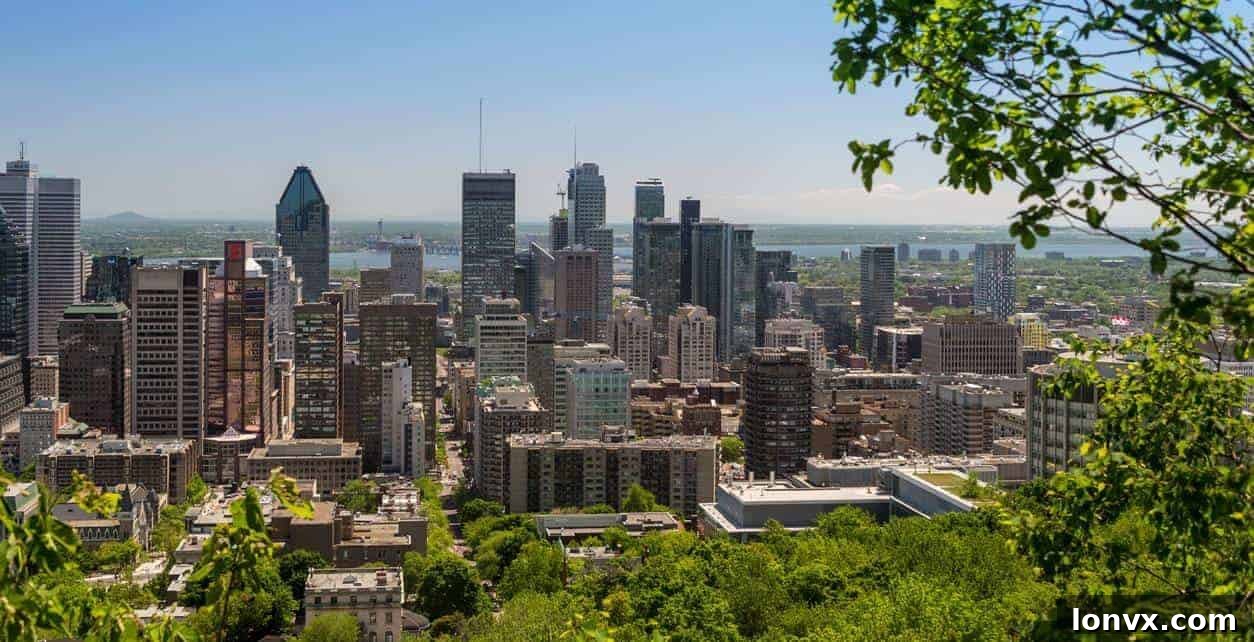
The phenomenon of vacant homes is not evenly distributed across Canada; rather, it exhibits significant regional concentrations, particularly within major urban centers. The Point2Homes report highlights that metropolitan areas, often at the forefront of the housing affordability crisis, also grapple with a substantial number of unoccupied dwellings. Toronto, Canada’s largest city, registered more than 66,000 empty homes in 2016. Close behind, Montreal accounted for approximately 64,000 vacant properties. Other prominent cities such as Calgary, Ottawa, and Edmonton each reported over 20,000 vacant properties, showcasing a widespread challenge across the country’s economic hubs.
Perhaps most strikingly, Vancouver holds the unfortunate distinction of having the highest share of empty dwellings among Canada’s largest cities. Its 8.2 percent vacancy rate, while numerically lower than the absolute figures for Toronto or Montreal, translates into about 25,000 vacant homes within a much smaller geographic footprint and a highly competitive housing market. This high percentage in Vancouver amplifies concerns about housing availability and affordability in an already strained market.
A Striking Contrast: Canada vs. The United States
To truly grasp the magnitude of Canada’s vacant home issue, a comparison with its southern neighbor, the United States, is invaluable. According to the Federal Reserve Bank, vacancy rates in the U.S. have historically remained significantly lower, never climbing higher than 2.8 percent. In stark contrast, Canada’s empty homes represented a substantial 8.7 percent of its housing market in 2016. This significant disparity compels a deeper examination of the underlying factors at play within the Canadian real estate landscape that contribute to such a high number of unoccupied residences.
Unpacking the “Why”: Root Causes of Vacancy
The question of why so many homes sit empty while housing demand remains high is complex. As report author Andra Hopulele aptly points out, “Canada’s housing problem extends beyond foreign buyers jacking up prices and unaffordability taking over major cities.” While foreign investment has been a contributor to rising prices, the issue of vacancy is driven by a more nuanced set of factors.
Speculation and Short-Term Rentals: Major Culprits in Urban Centers
In high-demand markets like Toronto and Vancouver, two primary drivers behind elevated vacancy rates are real estate speculation and the proliferation of short-term rental platforms. Speculation involves purchasing properties not as primary residences but as investments, often with the intent to hold them for capital appreciation rather than to house permanent residents. These properties may remain vacant for extended periods, waiting for market conditions to become optimal for resale or for developers to begin new projects on the land.
The rise of short-term rental services, such as Airbnb, has also played a significant role. Many properties that would otherwise serve as long-term rental housing are instead converted into transient accommodations for tourists or temporary visitors. This shift effectively removes housing units from the long-term rental market, exacerbating supply shortages for permanent residents and contributing to higher vacancy rates for standard residential purposes. Cities like Vancouver and Toronto have subsequently introduced regulations and taxes aimed at mitigating the impact of both speculation and short-term rentals on their housing stock.
Demographic Shifts and Economic Fluctuations: Impact Beyond Major Metros
While speculation and short-term rentals dominate the narrative in bustling urban centers, other regions of Canada face different challenges. In many other cities across the country, falling population numbers and significant fluctuations in the local economy are the primary drivers behind an increasing number of vacant homes. This is particularly evident in resource-dependent communities or areas experiencing industrial decline, where job opportunities dwindle, leading residents to relocate. As populations shrink, housing demand diminishes, leaving properties empty and sometimes even abandoned.
A Decade of Change: Shifting Vacancy Patterns (2006-2016)
The period between 2006 and 2016 witnessed profound shifts in vacancy rates across Canadian cities, reflecting diverse economic and social changes. Examining these changes offers critical insights into the dynamic nature of local housing markets.
Cities Experiencing Significant Jumps in Empty Homes
Of Canada’s 10 largest cities, Winnipeg experienced the most significant surge in empty homes, with an increase of 42.7 percent. This jump could be attributed to a combination of factors, including increased investor interest in a relatively more affordable market, or perhaps shifting demographic patterns within the city. Montreal followed closely with a 36.3 percent rise, potentially linked to a period of urban revitalization that attracted investment but didn’t always translate into immediate occupancy. Edmonton also saw a substantial increase of 32.5 percent, likely influenced by the boom-and-bust cycles characteristic of Alberta’s energy sector.
Beyond the largest cities, some communities experienced even more dramatic increases. Grande Prairie in Alberta saw an astounding 181.4 percent increase in vacant dwellings. Leduc, also in Alberta, recorded a 172.4 percent jump, and Fort Saskatchewan, another Alberta community, saw a 146.8 percent rise. These remarkable increases in Alberta strongly suggest a correlation with the province’s economic fortunes, particularly the volatility of the oil and gas industry, which can lead to rapid population influxes during boom times followed by outmigration and vacant properties during downturns.
Surprising Declines and Moderation
Interestingly, not all cities followed the upward trend. Vancouver saw its number of empty dwellings increase by a more moderate 9.6 percent between 2006 and 2016, a figure that, while still an increase, is less dramatic than some other major cities given its reputation as a hotspot for speculation. Even more surprising was Toronto’s vacancy rate, which actually decreased by 4.7 percent during the same decade. This decrease in Toronto, despite its massive population growth and high prices, could be attributed to intense demand absorbing available units, or perhaps more effective conversion of temporarily vacant units into occupied housing due to market pressures and policy interventions.
On the other hand, some smaller municipalities experienced significant drops in vacant dwellings. Ajax, Ontario, saw a remarkable decrease of 53.1 percent, Burlington, Ontario, dropped by 52 percent, and Port Moody, British Columbia, experienced a 50.4 percent reduction. These substantial declines could be indicative of improved local economic conditions, increased demand as spillover from nearby major cities, or successful local housing initiatives that encouraged occupancy.
Snapshot of 2016: Highest and Lowest Vacancy Rates
The 2016 data also provided a clear picture of the extremes in vacancy rates across Canada, highlighting communities with strikingly different housing market dynamics.
High Vacancy Hotspots
The highest vacancy rates in 2016 were observed in communities that often serve as seasonal destinations or are highly susceptible to specific economic factors. Kawartha Lakes, Ontario, topped the list with an astonishing 19 percent vacancy rate, likely reflecting its popularity as a cottage country destination where many properties are owned as secondary or recreational homes, remaining vacant for much of the year. Collingwood, Ontario, another popular tourist and recreational area, followed with a 17.7 percent vacancy rate. Wood Buffalo, Alberta, a region heavily reliant on the oil sands industry, recorded a 16.4 percent vacancy rate, indicative of the volatility in its resource-dependent economy causing significant shifts in resident populations.
Communities with Exceptionally Low Vacancy
Conversely, some communities managed to maintain remarkably low vacancy rates, suggesting robust local demand and effective utilization of their housing stock. Sainte-Julie, Quebec, recorded an impressive one percent vacancy rate, indicating a highly stable and well-occupied housing market. Orangeville, Ontario, followed closely with 1.2 percent, and Boucherville, Quebec, registered 1.4 percent. These low rates often characterize family-oriented communities with strong local economies, less speculative investment, and a high proportion of owner-occupied or consistently rented homes.
The Path Forward: Towards More Balanced Conditions
Despite the fluctuations and regional disparities, the Point2Homes report, through the insights of Andra Hopulele, offers a cautiously optimistic outlook for the future of Canada’s housing market. “Although the decade from 2006 to 2016 saw profound changes and fluctuations in vacancy rates at the local level, both current analyses and future market prospects point to more balanced conditions overall,” says Hopulele. This suggests an expectation of a market where supply and demand dynamics might align more closely, leading to greater stability.
The concept of “moderation seems to be the name of the game,” implying that housing stocks are gradually getting in line with population changes and economic conditions across all major regions of the country. This moderation could be driven by a combination of factors: evolving market forces, increased public awareness, and the implementation of various policy measures designed to address housing affordability and vacancy. For instance, several municipalities have introduced or considered vacant home taxes to incentivize owners to either sell or rent out their empty properties, thereby increasing the available housing supply.
Furthermore, stricter regulations on short-term rentals and efforts to streamline the development of new housing units could contribute to a more balanced market. The challenge, however, remains in ensuring that this balance translates into genuine affordability for all Canadians, not just a stabilization of vacancy rates. A comprehensive approach, combining targeted policies, robust data analysis, and proactive urban planning, is essential to transform empty properties into vibrant homes and to build sustainable communities across the nation.
Conclusion: Addressing a National Housing Priority
The issue of vacant homes in Canada is a multifaceted challenge, deeply intertwined with housing affordability, economic development, and community well-being. The Point2Homes report from 2016 clearly illustrates a significant national problem, with 1.34 million empty dwellings and a national vacancy rate of 8.7 percent—a figure substantially higher than in comparable nations like the United States. From the speculative holdings in bustling metropolises to the economically driven vacancies in resource towns, the reasons behind these empty homes are as diverse as Canada itself.
While the report’s concluding remarks suggest a future trending towards more balanced conditions, the ongoing housing crisis underscores the continued urgency of this issue. Addressing Canada’s vacant properties requires more than just an understanding of the numbers; it demands innovative policy solutions, collaborative efforts between different levels of government, and a commitment to ensuring that housing serves primarily as homes for people, rather than purely as speculative assets. By tackling the root causes of vacancy and promoting policies that encourage occupancy, Canada can move closer to achieving a more equitable and sustainable housing market for all its citizens.