Navigating the Storm: Why Climate Risk Disclosure is Crucial for Canada’s Housing Market
Canada’s housing market stands at a critical juncture, increasingly exposed to the escalating threats of natural hazards and climate change. A compelling new research report from the Insurance Bureau of Canada (IBC) has illuminated an urgent necessity: comprehensive and transparent disclosure of natural hazard and climate risks to homeowners and prospective buyers across the nation. This call to action is not merely about awareness; it’s about safeguarding financial investments, protecting communities, and fostering a truly resilient housing sector for the future.
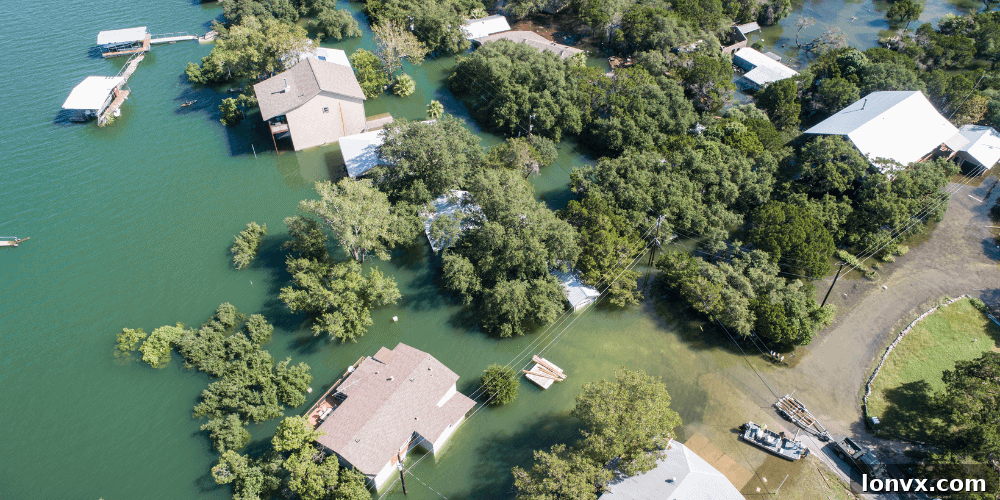
The imperative for such disclosure stems directly from the undeniable trend of increasing frequency and severity of natural disasters. From devastating wildfires sweeping across Western provinces to catastrophic floods inundating Eastern communities and severe storms battering coastlines, the impact of a changing climate is becoming a tangible and costly reality for Canadian homeowners. These events not only cause immense damage and displace families but also exert significant pressure on insurance markets, municipal infrastructure, and the overall economic stability of affected regions.
The Vision of a “House Climate Score” and Real Estate Climate Risk Index
In response to this growing crisis, the IBC’s groundbreaking report advocates for the creation of a universal “house climate score,” or a comprehensive Real Estate Climate Risk Index. Envisioned as a vital tool for empowering consumers and stakeholders alike, this index would function much like a “walk score” or energy efficiency rating, providing a clear, concise, and easily understandable indicator of a property’s susceptibility to catastrophic loss based on a range of known risk factors. This innovative approach aims to integrate climate considerations directly into the property valuation and decision-making process.
Imagine, for a moment, a future where every real estate listing in Canada includes a readily available climate risk score. This score would encapsulate crucial information, such as the property’s proximity to flood plains, its vulnerability to wildfire spread, exposure to extreme weather events like high winds or heavy rainfall, and even historical data on past climate-related incidents in the immediate vicinity. By standardizing this information, the climate score would cut through complexity, allowing potential buyers to make genuinely informed decisions about one of the most significant investments of their lives. It would shift the paradigm from reactive disaster response to proactive risk assessment and mitigation.
The benefits extend far beyond individual homeowners. Mortgage lenders could better assess long-term loan risks, adjusting their portfolios to account for properties in high-risk zones. Insurance providers could refine their underwriting processes, offering more accurate premiums and encouraging risk-reduction measures. Urban planners and municipal governments would gain invaluable data to guide infrastructure development, zoning regulations, and emergency preparedness strategies, ensuring that new developments are resilient and existing communities are protected.
A Collaborative Framework for an Urgent Deadline
Recognizing the multi-faceted nature of this challenge, the IBC took a significant step in the Fall of 2021, convening a broad spectrum of leaders from across the entire housing supply chain. This pivotal gathering brought together experts from the real estate industry, financial institutions, insurance sectors, government bodies, and other relevant stakeholders. Their collective mandate was to collaboratively develop a robust framework for communicating natural hazards and climate risks to homeowners, and crucially, to devise practical tools for integration across the housing finance and insurance sectors.
This collaborative approach underscores the understanding that no single entity can tackle the pervasive and complex issue of climate risk in housing alone. It requires a concerted effort to establish common standards, share data, and build consensus on best practices. The goal is to create a seamless system where information flows transparently, enabling every participant in the housing market, from the initial construction phase to the final sale, to understand and address climate-related vulnerabilities.
The urgency of this initiative was powerfully articulated by Craig Stewart, Vice President of Climate Change and Federal Issues at IBC, in a recent press release. Stewart stated, “Canada must develop a universal climate risk disclosure system by 2025. We simply can’t wait until 2050 to be climate-compatible in the housing sector. Immediate action must be taken to protect homeowners and communities, or catastrophic loss to homes and communities will continue to increase in severity and cost, year after year.” This declaration highlights the critical timeline for intervention, emphasizing that deferring action will only exacerbate the problem, leading to exponentially greater financial and social costs in the future.
Beyond Disclosure: Implementing the “Action Matrix” for Resilience
The IBC’s vision extends beyond mere disclosure to proactive risk management and mitigation. Complementing the proposed climate risk index, the report strongly recommends the development and implementation of an “Action Matrix.” This sophisticated tool would serve as a crucial companion, enabling all housing market stakeholders to move beyond simply identifying risk to actively understanding how to invest in communities to effectively reduce that risk.
The Action Matrix would transform raw risk data into actionable insights. For example, if the climate score identifies a neighborhood as highly susceptible to flooding, the Action Matrix could provide tailored recommendations for mitigation investments. These might include suggestions for municipal infrastructure upgrades such, as improved drainage systems, the construction of protective barriers, or the restoration of natural floodplains. For individual homeowners, it could suggest property-level adaptations, such as elevating foundations, installing backwater valves, or using water-resistant building materials. For developers, it might guide decisions on site selection and building design in new projects.
This matrix would provide a universal, standardized view of a location’s specific risks, allowing for targeted and efficient allocation of resources. It fosters a proactive investment mindset, shifting the focus from post-disaster recovery to pre-emptive resilience building. By outlining clear pathways for investment, the Action Matrix empowers governments, private investors, and communities to collaborate on projects that genuinely enhance safety and sustainability, ultimately protecting property values and ensuring the long-term viability of neighborhoods across Canada.
Challenges and Opportunities on the Path to Climate Resilience
While the benefits of a universal climate risk disclosure system and an Action Matrix are clear, their implementation will undoubtedly present challenges. Data collection, standardization, and integration across diverse platforms will require significant coordination and investment. Public education campaigns will be essential to ensure that homeowners understand and utilize these new tools effectively. Furthermore, establishing a consistent regulatory framework that encourages compliance without stifling innovation will be paramount.
However, these challenges also represent tremendous opportunities. The push for climate risk disclosure can spur innovation in data analytics, risk modeling, and green building technologies. It can foster greater collaboration between public and private sectors, leading to more resilient infrastructure and sustainable urban planning. For Canada, embracing these recommendations positions the nation as a leader in climate adaptation, demonstrating a commitment to safeguarding its citizens and its economy in the face of environmental change.
Ultimately, the recommendations put forth by the Insurance Bureau of Canada are more than just policy suggestions; they represent a vital framework for future-proofing Canada’s housing market. By providing transparent climate risk information and empowering stakeholders with actionable strategies, Canada can move towards a housing sector that is not only robust and competitive but also deeply resilient to the inevitable challenges of a changing climate. The time for immediate action is now, ensuring that homes across Canada remain safe, secure, and valuable for generations to come.