
The Toronto real estate market continues to defy simple explanations, yet one overarching theme persists: an acute shortage of housing inventory. This scarcity isn’t merely a minor inconvenience; it’s the defining characteristic shaping buyer behavior, seller expectations, and overall price trajectories across the Greater Toronto Area (GTA). While sales figures have seen a modest dip, declining just 5.2 percent since April of last year, the more significant story lies in the dramatic reduction of available homes. New listings plummeted by an astonishing 38.3 percent, and active listings dwindled by 20.8 percent over the same period. This stark imbalance between supply and demand has created an exceptionally competitive landscape, driving price increases that surpass typical expectations for a spring market within the Toronto Regional Real Estate Board (TRREB) jurisdiction.
To truly grasp the profound impact of this supply crunch, it’s essential to examine historical data. Analyzing TRREB’s Marketwatch reports, which provide a comprehensive look at market trends, reveals a recurring pattern of low inventory, but rarely at the current intensity. This persistent lack of available homes is not just a statistical anomaly; it directly fuels the dynamics observed today, from rapid sales to fierce bidding wars.
Source: Daniel Foch, TRREB Marketwatch
The Persistent Inventory Challenge in Toronto Real Estate
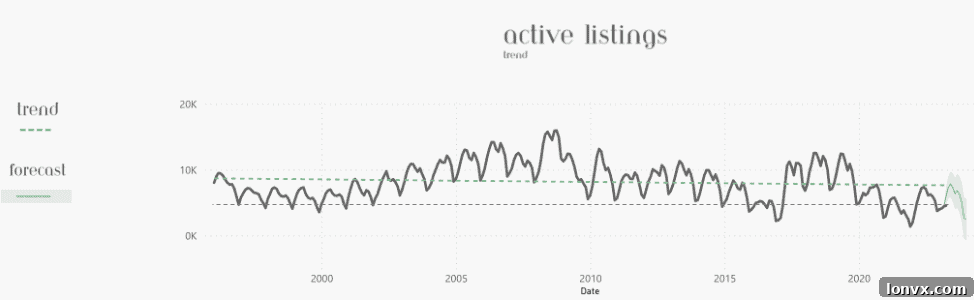
A closer look at the active listings graphic above, particularly the black dotted line representing this month’s listing volume from the TRREB Marketwatch Report, underscores the severity of the current market conditions. Historically, we have only witnessed two other spring markets with active listings this low in the entire Marketwatch data set: 2016 and 2021. Both periods were characterized by intense market activity, aggressive price appreciation, and significant challenges for prospective buyers. Real estate professionals can readily recall the dynamics of those years, and the similarities to the current environment are striking. It’s also critical to note the subsequent increase in supply that typically follows such tight markets, often in response to accelerated price growth, as dramatically illustrated in 2017. However, the question remains whether the market will see a similar influx of listings this time around, or if other macroeconomic factors will suppress a supply rebound.
The question of supply remains the dominant unknown in the Toronto real estate equation. The outcome of the market for the remainder of the year, and indeed into the next, will largely hinge on the resilience of existing homeowners against potential recessionary pressures. Factors such as rising interest rates, inflationary concerns, and the broader economic outlook could influence decisions to list properties. Should homeowners choose to weather any economic downturn rather than sell, the already constrained supply could tighten further, exacerbating current trends. Conversely, a significant shift in economic sentiment or personal circumstances could unlock much-needed inventory, potentially leading to a rebalancing of the market.
Toronto Home Prices Continue to Climb Amidst Scarcity
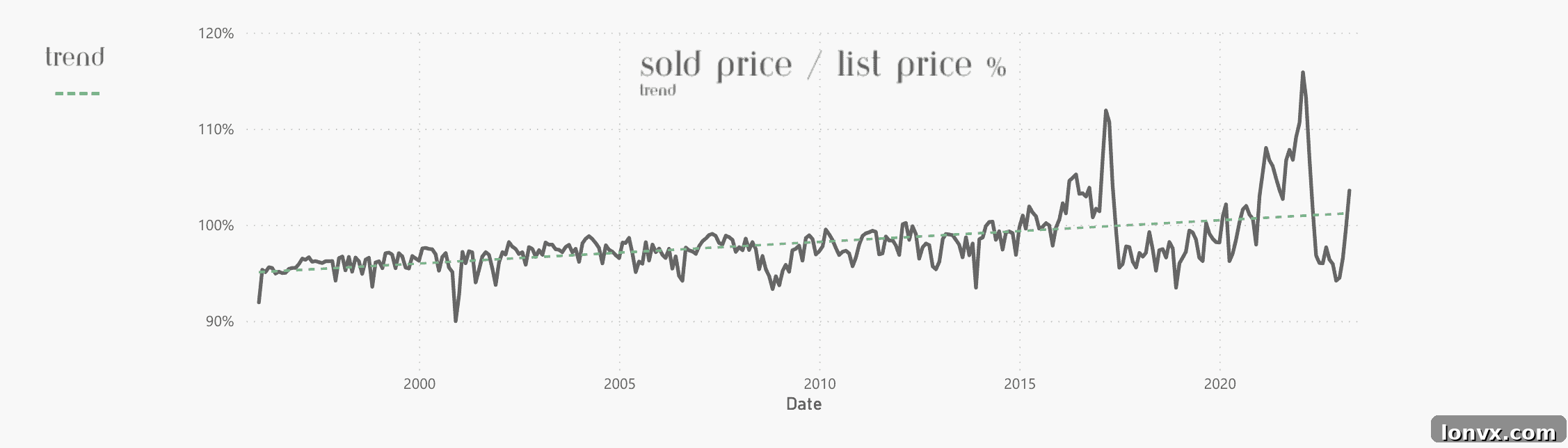
In a market defined by limited inventory, it’s almost inevitable that prices will trend upward. The Toronto real estate market is no exception. The sale-to-list price ratio, a crucial indicator calculated by dividing the final sale price by the original listing price, has been steadily climbing after a prolonged period of stagnation. This ratio now comfortably exceeds 100 percent in a significant majority (73 percent) of regions monitored by the Toronto Regional Real Estate Board. This statistic is more than just a number; it is a clear signal that the market is experiencing profound excess demand, where the number of willing buyers far outstrips the available supply. As a direct consequence, homes are frequently selling for amounts well over their initial asking prices, indicating fierce competition and a palpable sense of urgency among buyers.
Source: Daniel Foch, TRREB Marketwatch
In economic terms, excess demand is a condition where the market demand for a product or service significantly surpasses its available market supply, inevitably leading to an increase in its market price. This fundamental principle of economics is precisely what is unfolding in Toronto’s real estate sector. This state of persistent excess demand has effectively established a strong price floor for Toronto’s housing market throughout 2023, preventing any significant downward corrections despite broader economic uncertainties. However, forecasting whether this sustained excess demand will persist throughout the entirety of the year remains a complex challenge. Many factors, including potential interest rate adjustments by the Bank of Canada, changes in consumer confidence, and shifts in immigration patterns, could influence the delicate balance between supply and demand. The market’s resilience thus far suggests a deep-rooted desire for homeownership in the GTA, but external pressures could still introduce volatility.
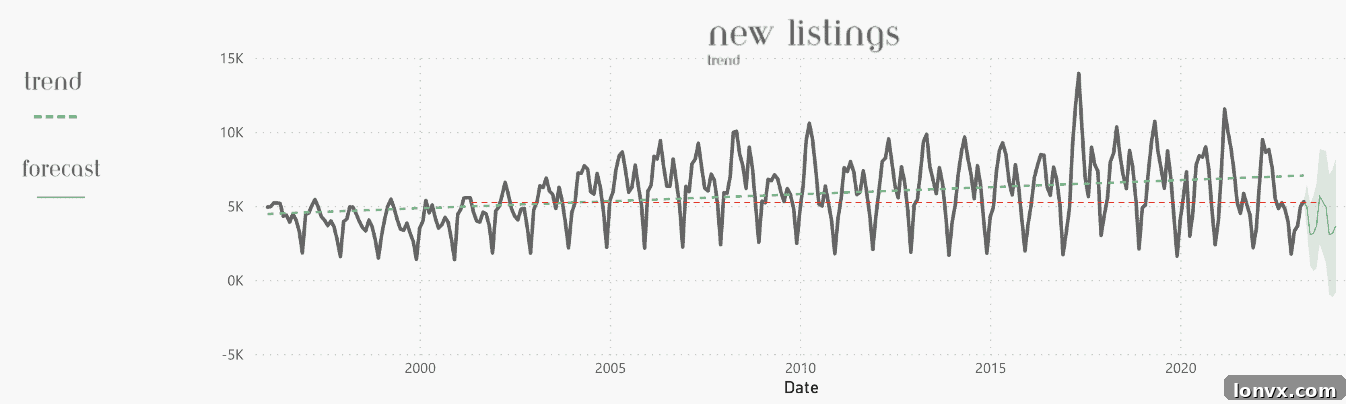
Further emphasizing the unprecedented nature of the current market, consider the volume of new listings. We haven’t seen a spring market with such a scarcity of new listings since 2001. This historical precedent highlights just how unique and challenging the present environment is for buyers. Fewer new listings mean less choice, more competition for each available property, and subsequently, a stronger upward pressure on prices. For sellers, this translates to an advantageous market position, often leading to quicker sales and bids above asking price. For buyers, it necessitates swift decision-making, competitive offers, and often, the willingness to compromise on certain preferences due to limited options.
Source: Daniel Foch, TRREB Marketwatch
Toronto’s Real Estate Market: Heating Up Means Speeding Up
The pace at which homes are selling, often measured by absorption rates, serves as a vital barometer for market health. Absorption rates essentially indicate how long it would take to sell all currently available homes in a given market at the current pace of sales. Over the last few months, the Toronto market exhibited an uncharacteristically slow pace, leading some to believe it was vulnerable. The prevailing thought was that any modest increase in spring-market supply could potentially pull the market out of its state of excess demand and nudge it closer to an equilibrium, where supply and demand are more balanced. However, recent data suggests a significant acceleration in absorption rates, challenging previous assumptions.
With homes now selling much faster, the confidence that a normal, seasonal increase in supply could significantly diminish the market’s underlying strength has waned. To truly reach a state of equilibrium, where the intense competition and upward price pressure are alleviated, the market would likely require a more extreme and sustained surge in supply, particularly in the peak selling months. Historically, analyzing the peaks on both new listings and active listings trends, it’s evident that the market typically experiences its most substantial influx of new supply in May each year. Should this seasonal pattern hold, the next few weeks will be crucial in determining if this surge is sufficient to temper the current momentum.
Looking ahead, the trajectory of Toronto home prices for the remainder of the year will largely be shaped by a confluence of factors: inherent seasonal cyclicality, which dictates predictable ebbs and flows in market activity, and broader macroeconomic forces. Of particular importance are the looming threats of recession and the potential impact of unemployment rates. A significant downturn in the economy or a rise in joblessness could dampen buyer confidence and affordability, potentially leading to a slowdown in price growth or even a reversal. Conversely, continued economic resilience, coupled with strong population growth, could maintain the upward pressure on prices, especially if supply remains constrained.
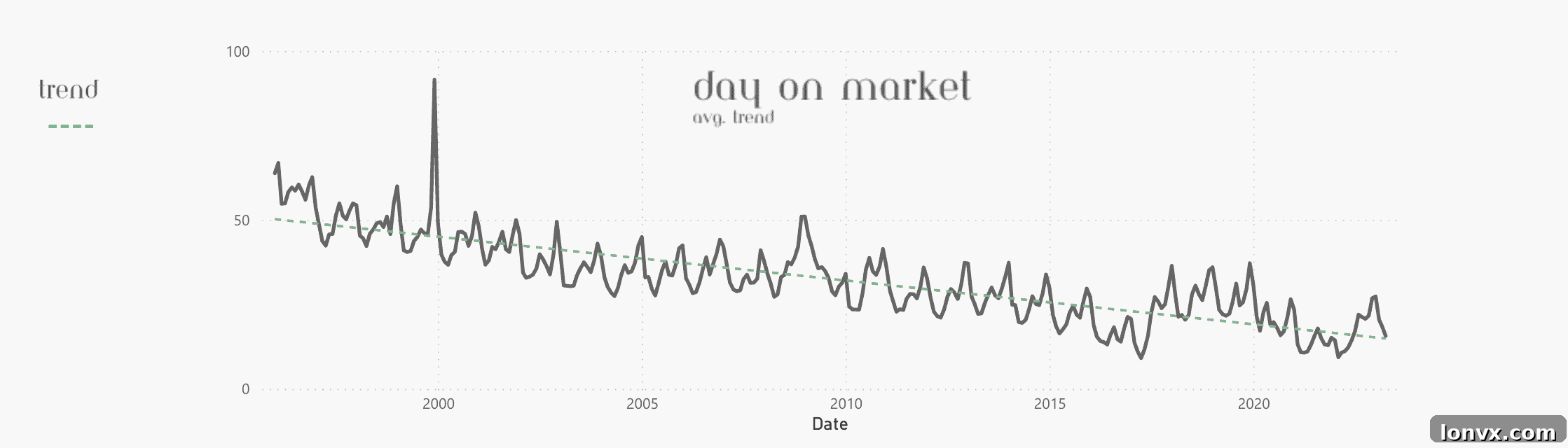
Another key metric, “Days on Market” (DOM), which tracks how long properties remain listed before selling, provides further insight into the market’s velocity. Compared to the exceptionally heated market of Q1 2022, current DOM figures appear significantly worse, showing increases of 54.5 percent to 71.4 percent, depending on the specific metric used. This stark year-over-year comparison might sound alarming, suggesting a cooling market. However, when viewed in the context of the recent months, a more nuanced picture emerges. After an initial jump, days on market are now meaningfully trending downwards again, indicating a recent acceleration in sales activity. This trend suggests that the market is regaining momentum, with properties selling faster than they were just a few months ago, and DOM figures have now reached their long-term trendline, signaling a return to more typical, albeit still competitive, selling times.
Source: Daniel Foch, TRREB Marketwatch
Analyzing Toronto’s Average Home Price: What the Numbers Tell Us
The average price of a residential property in the Greater Toronto Area stood at $1.15 million in April 2023. While this figure represents a 7.8 percent decrease year-over-year compared to the peak market conditions of April 2022, it’s crucial to understand the more recent trajectory. Since the beginning of 2023, GTA house prices have been on a consistent uptrend, recovering ground lost in the latter half of 2022. The average sale price continued its growth in April, albeit at a slightly slower pace than observed in the previous month. This deceleration in price growth is a significant point of interest for market analysts and participants alike.
The slowing of month-over-month price appreciation often signals that the market is likely adhering to its typical seasonal patterns. Historically, the Toronto real estate market tends to see robust activity and price increases in the spring, which then often cool or even reverse as the market transitions into the quieter summer months. Factors like summer holidays, reduced buyer activity, and a potential increase in seasonal listings can contribute to this slowdown. Therefore, the current moderate pace of growth could be an indicator that we will witness a stall, or even a modest reversal, in price growth as we approach and enter the summer market. This seasonal ebb and flow is a natural characteristic of many housing markets and provides a more predictable rhythm for long-term planning.
To gain a deeper understanding of this inherent seasonality and its impact, it is particularly insightful to examine the total dollar volume of the market. This metric, representing the aggregate value of all sales within a given period, provides a comprehensive view of market activity beyond just average prices. Currently, the total dollar volume is just beginning to rise above its long-term trendline, signaling its entry into robust spring market territory. This upward movement in dollar volume, even with a slightly moderated pace of price growth, underscores the continued strength of buyer demand and the volume of transactions occurring. As long as the total dollar volume remains healthy and above its historical averages for this time of year, it suggests that the underlying market fundamentals, driven by population growth and strong demand, are still very much intact, despite the seasonal adjustments.
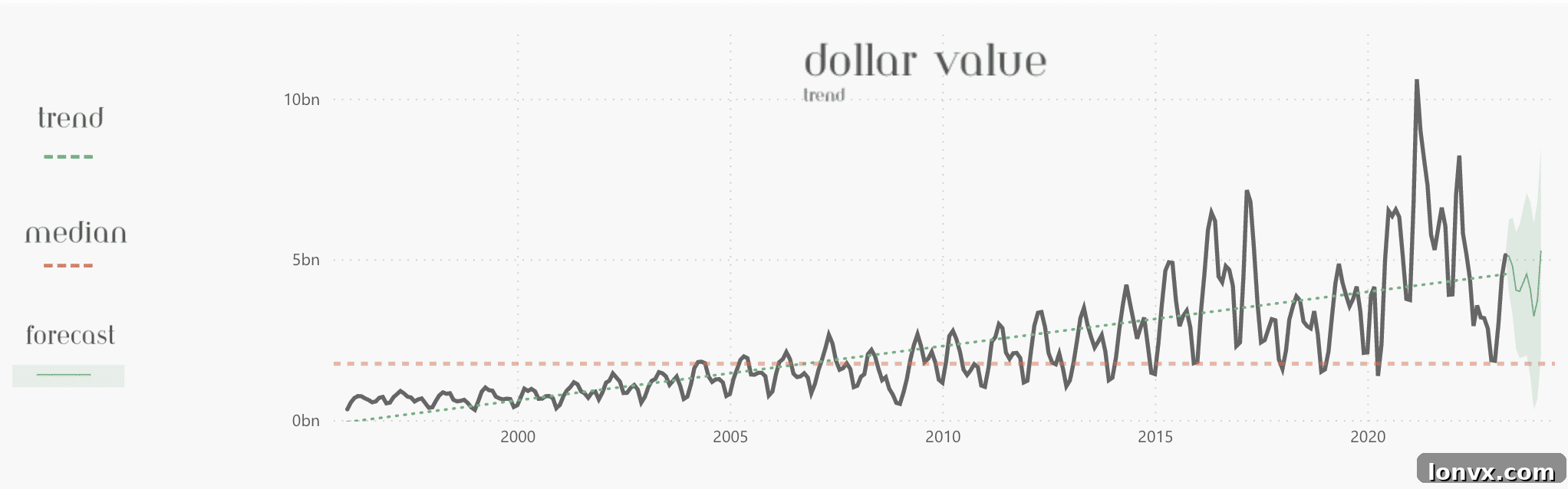
Source: Daniel Foch, TRREB Marketwatch
Future Outlook for Toronto Real Estate
The Toronto real estate market remains a complex interplay of supply, demand, and broader economic forces. The persistent inventory shortage is unequivocally the primary driver of current market conditions, leading to sustained price growth and fierce competition. While the market has shown remarkable resilience in early 2023, the looming presence of macroeconomic factors such as potential recession, interest rate policy, and employment figures will undoubtedly influence its trajectory for the remainder of the year. Seasonal patterns suggest a potential cooling in price growth during the summer, offering a brief respite for some buyers and sellers. However, without a significant and sustained increase in housing supply, the underlying pressure on prices is likely to continue. Both buyers and sellers in the Greater Toronto Area will need to remain agile and well-informed, understanding that market dynamics can shift, even subtly, in response to these multifaceted influences.