Manitoba Celebrates Real Estate Professionals with Inaugural Realtor Week
In a landmark event underscoring the vital contributions of real estate professionals, Manitoba proudly proclaimed its first-ever Realtor Week. This historic declaration, led by Premier Greg Selinger and Finance Minister Greg Dewar, took place amidst an enthusiastic gathering of realtors at the iconic Manitoba Legislative Building. The initiative marks a significant recognition of the real estate sector’s profound impact on the province’s economic prosperity and community development.
A Historic Proclamation at the Heart of Manitoba
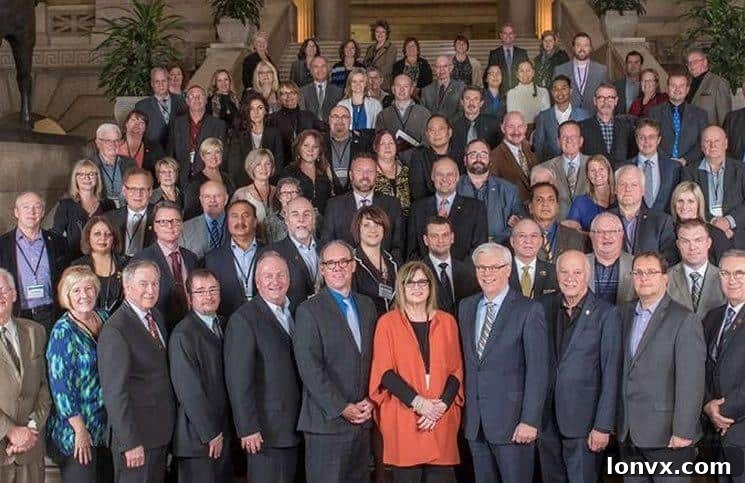
The official proclamation of Realtor Week unfolded on October 27, in a moment of celebration and reflection for the real estate community. A large contingent of dedicated real estate agents convened in the grand rotunda of the Manitoba Legislative Building, a fitting venue where crucial decisions shaping the province are made. This special announcement followed the “Focus 2016: Manitoba Realtor Network Symposium,” a pivotal event designed to foster forward-thinking engagement within the industry.
Finance Minister Greg Dewar formally signed the official proclamation, subsequently reading it aloud to the assembled professionals. His words resonated with the sentiment of the day, emphasizing the multifaceted role of realtors beyond mere transactions. “Realtors are hands-on community builders that contribute to the multi-billion dollar real estate industry in Manitoba by helping to support local and provincial economies through job creation and consumer spending,” Dewar stated, highlighting the extensive ripple effect of their work.
Following his address, Minister Dewar presented the proclamation to Roberta Weiss, who served as the 2015 President of the Manitoba Real Estate Association (MREA). Accepting this significant honor, Weiss echoed the sentiment that no location could be more appropriate for such recognition than the very building where legislative decisions impact every Manitoban.
Focus 2016: Cultivating a Stronger Manitoba Through Real Estate
The proclamation was strategically timed to coincide with “Focus 2016,” the Manitoba Realtor Network Symposium. This full-day, forward-thinking event brought together approximately 200 realtors eager to collaborate with the Manitoba Real Estate Association. The symposium featured a series of engaging sessions and insightful panels, all centered on the overarching goal of “building stronger Manitoba communities through provincial advocacy.” This platform allowed professionals to delve into critical issues, share best practices, and collectively strategize on how the real estate sector can further enhance the province’s social and economic fabric.
The MREA, as detailed in its news release, envisioned Focus 2016 as more than just a networking event. It was conceived as a catalyst for professional growth and a forum for shaping the future direction of real estate in Manitoba. By fostering dialogue around provincial advocacy, the symposium aimed to empower realtors to become even more effective agents of change, ensuring that their collective voice contributes meaningfully to public policy and community planning.
Realtors: The Unsung Heroes of Economic Development
The declaration of Realtor Week serves as a powerful testament to the substantial economic contributions made by real estate professionals. As Minister Dewar articulated, the real estate industry in Manitoba is a multi-billion dollar powerhouse, acting as a crucial driver of both local and provincial economies. This vast economic footprint extends far beyond the direct sale of properties; it encompasses a complex web of interconnected industries and services.
Job Creation: The real estate sector is a significant employer. Beyond the thousands of licensed realtors and brokers, it supports a myriad of jobs in associated fields. This includes roles in construction, renovation, property management, mortgage lending, legal services, home inspection, appraisal, and insurance. Each property transaction often sparks a chain reaction of service engagement, providing stable employment opportunities across various skilled trades and professions.
Consumer Spending: A new home purchase or sale typically triggers a surge in consumer spending. Homeowners invest in renovations, furniture, appliances, landscaping, and various home maintenance services. This injection of capital into local businesses—from hardware stores to interior designers—stimulates retail activity and supports small and medium-sized enterprises, which are the backbone of many Manitoba communities.
Tax Revenue: Property taxes generated from real estate contribute substantially to municipal and provincial coffers. These revenues are essential for funding public services such as schools, hospitals, infrastructure projects, parks, and emergency services. A robust real estate market ensures a stable tax base, allowing governments to invest in critical community improvements and maintain a high quality of life for residents.
Economic Stability: A healthy and active real estate market is often indicative of overall economic stability and growth. It encourages investment, attracts new residents and businesses to the province, and helps to retain existing ones. Realtors play a critical role in facilitating these movements, ensuring that the housing market can adapt to the needs of a dynamic population and evolving economic landscape.
Building Stronger Communities: More Than Just Transactions
Roberta Weiss succinctly captured the essence of Realtor Week, stating, “This week is an opportunity for our profession to reflect upon our community-building contributions. Most importantly, it’s a chance to focus forward on ways we can contribute to building a stronger Manitoba.” This statement emphasizes that the role of realtors transcends economic metrics; it delves into the very fabric of community well-being.
Realtors are intimately familiar with the neighborhoods they serve. They understand the nuances of local schools, amenities, transportation, and community organizations. This ground-level knowledge allows them to connect individuals and families not just with houses, but with homes and communities that genuinely fit their lifestyles and aspirations. By matching people with the right neighborhoods, they contribute to stable, vibrant, and cohesive communities.
Furthermore, many realtors are actively involved in local charities, community initiatives, and volunteer work. They contribute their time, resources, and expertise to improve the areas where they live and work. This includes supporting local food banks, sponsoring youth sports teams, participating in neighborhood revitalization projects, and advocating for local improvements. Their engagement helps to strengthen social bonds and enhance the overall quality of life for residents.
Premier Selinger’s Endorsement: A Better Quality of Life for All Manitobans
The provincial government’s recognition was further solidified by Premier Greg Selinger, who offered heartfelt praise for realtors and the broader real estate industry. As reported by the MREA, the Premier acknowledged their “ongoing community and economic development contributions that support and enable a better quality of life for all Manitobans.”
This endorsement from the province’s highest office highlights the governmental understanding that a thriving real estate sector is not merely about profit; it’s fundamental to provincial well-being. A stable housing market, opportunities for homeownership, and well-developed communities are cornerstones of a high quality of life. Realtors, through their daily efforts, play a direct role in realizing these aspirations for families and individuals across Manitoba, helping them achieve financial security and find a place to call home.
MREA’s Vision and Future Advocacy
The Manitoba Real Estate Association (MREA) is at the forefront of advocating for policies that support a robust and responsible real estate market. Their commitment to “building stronger Manitoba communities through provincial advocacy” is multifaceted. It includes:
- Promoting Homeownership: Advocating for policies that make homeownership accessible and affordable for a wider range of Manitobans.
- Ensuring Consumer Protection: Working to uphold high ethical standards and provide robust protections for buyers and sellers.
- Supporting Sustainable Development: Engaging with stakeholders on smart growth initiatives, infrastructure planning, and responsible land use to create thriving communities.
- Enhancing Professional Standards: Providing ongoing education and training for realtors to ensure they are equipped with the latest knowledge and skills.
- Influencing Policy: Collaborating with government officials on legislative matters that impact the housing market and property rights.
Realtor Week provides an annual platform for the MREA and its members to reaffirm these commitments and to showcase the collective power of the profession in shaping a positive future for Manitoba.
The Enduring Legacy of Realtor Week
The inaugural Realtor Week in Manitoba represents more than just a celebratory acknowledgment; it establishes an enduring legacy. It institutionalizes the recognition of real estate professionals as indispensable partners in the province’s growth and prosperity. This annual event will serve as a regular reminder of the profound responsibilities and positive influences that realtors wield within their communities.
Looking ahead, Realtor Week will continue to be an invaluable opportunity for reflection on past achievements, and more importantly, for forward-thinking discussions on how the industry can evolve to meet future challenges. As Manitoba continues to grow and adapt, the role of real estate professionals in navigating market complexities, fostering sustainable development, and ensuring equitable housing opportunities will remain paramount. It stands as a testament to the belief that strong communities are built on strong foundations, and realtors are integral to laying those foundations, one property and one community at a time.