The Modern Dietary Dilemma: Navigating the Labyrinth of Taste, Health, and Elusive Fiber
After what felt like countless months of pandemic-induced dietary “modifications” – a creative euphemism for dawn-to-dusk bored eating, inventive repurposing of long-ignored pantry items, and an intimate relationship with every conceivable food delivery service – my digestive system has finally staged a full-blown rebellion. It appears that a profound lack of self-control, coupled with a severe deficit of vegetables, has caught up to me. This predicament, however, is not unique to the post-pandemic era; it’s a perpetual struggle between the enticing allure of culinary delights and the stoic, often bland, call of nutritional well-being.
My personal journey toward nutritional enlightenment, or at least digestive peace, has always been fraught with difficult decisions. The choice between something unequivocally “tasty” and something undeniably “bland but healthy” often feels like a cruel trick of nature. Take fiber, for instance. The manifold health benefits of incorporating adequate fiber into one’s diet are widely publicized and medically affirmed. Yet, the very thought of increasing my fiber intake frequently conjures images of a horse with a sweet tooth, wistfully licking at a feedbag filled with rolled oats and wheat shavings. I am that poor, deprived, and entirely unenthused equine.
Part of my long-standing lack of enthusiasm, I’ve come to realize, stems from the rather uninspiring way fiber is often described. Consider this brief, albeit accurate, excerpt from Wikipedia: “Fiber, also spelled fibre, is a class of materials that are continuous filaments or are in discrete elongated pieces, similar to lengths of thread. They can be spun into filaments, string or rope, used as a component of composite materials, or matted into sheets to make products such as paper or felt.”
Yummy! Move over Rocky Road ice cream, I’m suddenly craving a hardy bowlful of Continuous Filament Felt Shavings! And if I’m being particularly adventurous, perhaps some discrete elongated sprinkles on top? The mere description is enough to extinguish any spark of dietary ambition. Compounding this linguistic letdown is the practical reality: it often feels like an eternity to chew through a meal containing even minute traces of what I’ve historically perceived as dry, flavorless, fibrous material. My experience, cultivated over years of dutifully but reluctantly consuming “healthy” foods, has solidified a belief that foods comprised of, or merely containing, fiber are most often as dull as a tinfoil drill bit. However, I am pleased – and frankly, relieved – to report that this deeply ingrained belief of mine has recently, and mercifully, undergone a significant transformation.
Demystifying Dietary Fiber: Beyond the Bland and into the Benefits
Before delving into my personal “aha!” moment, it’s crucial to properly understand what dietary fiber is and why it’s such a vital component of a healthy diet, dispelling the notion that it’s merely industrial-grade “thread” for consumption. Dietary fiber refers to plant-derived food components that the human small intestine cannot digest or absorb. Instead, it passes relatively intact into the large intestine, where it provides numerous health benefits.
What is Dietary Fiber, Really?
Unlike the dry, technical definition, dietary fiber is actually a diverse group of carbohydrates that play a pivotal role in maintaining gut health and overall well-being. It’s broadly categorized into two main types, each offering distinct advantages:
- Soluble Fiber: This type of fiber dissolves in water to form a gel-like substance. It’s found in oats, peas, beans, apples, citrus fruits, carrots, and barley. Soluble fiber is particularly beneficial for lowering blood cholesterol and glucose levels. It also feeds beneficial gut bacteria, contributing to a healthy microbiome, which is increasingly recognized for its widespread impact on immunity, mood, and metabolism.
- Insoluble Fiber: As the name suggests, insoluble fiber does not dissolve in water. It acts as a “bulking agent,” adding volume to stool and promoting the movement of material through your digestive system. This can alleviate constipation and promote regular bowel movements. Good sources include whole-wheat flour, wheat bran, nuts, beans, and vegetables like cauliflower, green beans, and potatoes.
Together, these fibers are the unsung heroes of our digestive system. They are essential for maintaining bowel health, preventing chronic diseases such as heart disease, diabetes, and certain cancers, and aiding in weight management by promoting satiety. Far from being “continuous filaments” to be endured, fiber is a complex and crucial nutrient.
The Quest for Palatable Fiber: A Modern-Day Odyssey
Given the undeniable importance of fiber, my struggle has always been less about its necessity and more about its perceived palatability. My prior attempts to incorporate more fiber often involved forcing down bland bowls of oatmeal or begrudgingly adding flaxseed to everything, never truly enjoying the process. The traditional sources – whole fruits, a rainbow of vegetables, legumes, nuts, and seeds – while undeniably healthy, often felt like a chore compared to the siren song of less virtuous options.
The Unexpected Revelation: When Cereal Boxes Speak
Then, one lazy Saturday morning, amidst the hum of an infomercial and the aroma of stale coffee, I stumbled upon a commercial that ignited a flicker of hope, challenging my long-held prejudices against fiber. It turns out that both Froot Loops and Corn Pops, iconic fixtures of childhood nostalgia and sugary delight, are now heralded as legitimate sources of fiber. For Froot Loops, in particular, the advertisement proudly proclaimed it a notable source of “froot” (spelling intentional, I presume, to differentiate from actual fruit) and, perhaps more remarkably, a potential daily dose of the color purple. My mind, previously set on a dreary path of bran and sprouts, was blown wide open.
Yes, Froot Loops alone brazenly claims to contain two whopping grams of fiber per serving. And if that weren’t compelling enough to win over newfound fiber enthusiasts, the cereal box proudly broadcasts that the product is a “source of seven essential nutrients.” While there isn’t any further explanation regarding the specific nature of these mysterious nutrients, I’m willing to go out on a limb and suggest, with a degree of unwavering optimism, that they simply *must* be nutritional nutrients. What else could they be? The sheer genius of this marketing – transforming a childhood indulgence into a purported health food – speaks volumes about our collective desire for convenience and palatable health solutions.
Farewell, salads! Arrivederci, apples! Hit the road, hay and bran – I’ve found myself a new friend in fiber, a companion that can be cheerfully consumed in a bowl of milk, or, for the truly adventurous, hand-picked and gobbled dry straight out of the box. It is, by all accounts, a remarkably versatile food product. To quote the cereal box catchphrase, it “Makes Fibre Fun!” Indeed, the prospect of making health enjoyable is a powerful one, often leading us down paths we might not otherwise consider.
Navigating the Labyrinth of “Healthy” Choices
Now, I can almost hear the collective gasp, especially from nutritionists and dieticians reading this. A person, they would rightly argue, cannot subsist solely on cereal, regardless of its fiber claims. And they would be absolutely correct. But the Froot Loops revelation, however comically exaggerated, sparked a broader line of inquiry for me: if processed cereals can now masquerade as fiber sources, isn’t it possible that other traditionally “tasty” but less-than-virtuous products might also offer unexpected nutritional benefits? My mind immediately raced to other possibilities.
Beyond the Cereal Aisle: A Broader Perspective
Carrot cake, for instance, sounds awfully healthy, given its primary vegetable ingredient. Perhaps I can discover some decadent bran bon-bons? And what about those ubiquitous Fruit & Nut candy bars – could they, by some miraculous nutritional alchemy, be the ultimate combination of fiber and those elusive “nutritional nutrients”? Perhaps even bears might forage in the wild for them, abandoning their berries for a convenient, wrapper-clad fiber fix?
This humorous speculation, however, highlights a critical challenge for the average consumer: distinguishing between genuinely healthy options and those cleverly marketed to appear so. The food industry is adept at identifying health trends and incorporating just enough of a beneficial ingredient (like fiber) into an otherwise unhealthy product to gain a “health claim” on its packaging. While a fortified cereal might offer *some* fiber, it rarely provides the comprehensive nutritional profile of whole, unprocessed foods. Reading nutrition labels critically, understanding ingredient lists, and recognizing the difference between added fiber and naturally occurring fiber in whole foods becomes paramount.
Making Informed Decisions: The Power of Knowledge
The “seven essential nutrients” claim on a cereal box, without specific details, is a classic example of vague health messaging. Truly beneficial foods don’t need to hide their nutrient content; they flaunt it. Relying on such claims without digging deeper can lead to a diet rich in sugars, unhealthy fats, and artificial ingredients, even while theoretically increasing fiber intake. The lesson here is that a balanced diet isn’t about finding quick fixes in brightly colored boxes but about making mindful, informed choices.
Embracing a Balanced Approach to Digestive Wellness
My journey from “continuous filament felt shavings” to the tempting world of fortified cereals underscores a universal truth: we all seek ways to make healthy eating easier and more enjoyable. While the Froot Loops revelation provided a much-needed laugh and a moment of ironic contemplation, the real solution to digestive wellness and optimal fiber intake lies in a more grounded and holistic approach.
Practical Strategies for Increasing Fiber Intake
For those genuinely looking to increase their fiber intake without resorting to purely processed options, here are some practical and sustainable strategies:
- Start Gradually: Suddenly adding a lot of fiber can lead to bloating and gas. Increase your intake slowly over several weeks to allow your digestive system to adjust.
- Hydrate Abundantly: Fiber works best when it absorbs water, so ensure you’re drinking plenty of fluids throughout the day.
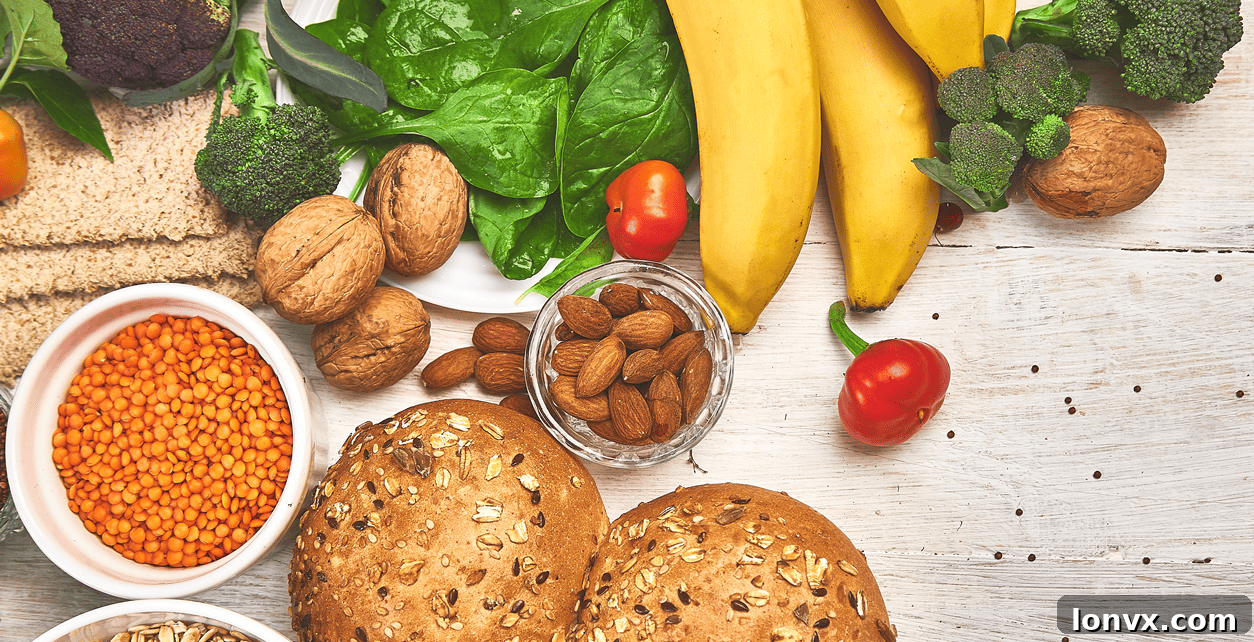
- Prioritize Whole Foods: Focus on fruits, vegetables, whole grains (oats, brown rice, quinoa, whole wheat bread), legumes (beans, lentils, chickpeas), nuts, and seeds. These foods offer not just fiber but a host of other essential vitamins, minerals, and antioxidants.
- Make Smart Swaps: Replace white rice with brown rice, white bread with whole-wheat bread, and sugary snacks with fruit or nuts.
- Get Creative: Add beans or lentils to soups and stews, blend spinach into smoothies, sprinkle chia seeds or flaxseed into yogurt or oatmeal, and snack on raw vegetables with hummus.
Redefining “tasty” and “healthy” is also key. Many fiber-rich foods, when prepared correctly, are incredibly delicious. Roasted vegetables, hearty lentil stews, vibrant fruit salads, and whole-grain breads can be profoundly satisfying and flavorful, proving that healthy eating doesn’t have to be bland or a compromise.
The Long-Term Benefits
Ultimately, a diet rich in real, whole-food fiber contributes to more than just digestive regularity. It supports a thriving gut microbiome, helps manage blood sugar levels, reduces the risk of heart disease, aids in weight management, and can even improve mood and cognitive function. It’s an investment in long-term health, far more valuable than any quick fix offered by a brightly colored box.
So, while my initial “field research” into fiber sources might have been humorously misguided, the journey has brought me to a more sensible and sustainable understanding. I may still occasionally glance wistfully at the cereal aisle, but my digestive system and overall well-being will thank me for embracing the genuinely fiber-rich bounty that nature provides. And yes, I’ll still do some research – but this time, it will be into truly nourishing, fiber-packed foods that are both good for me and genuinely delicious.