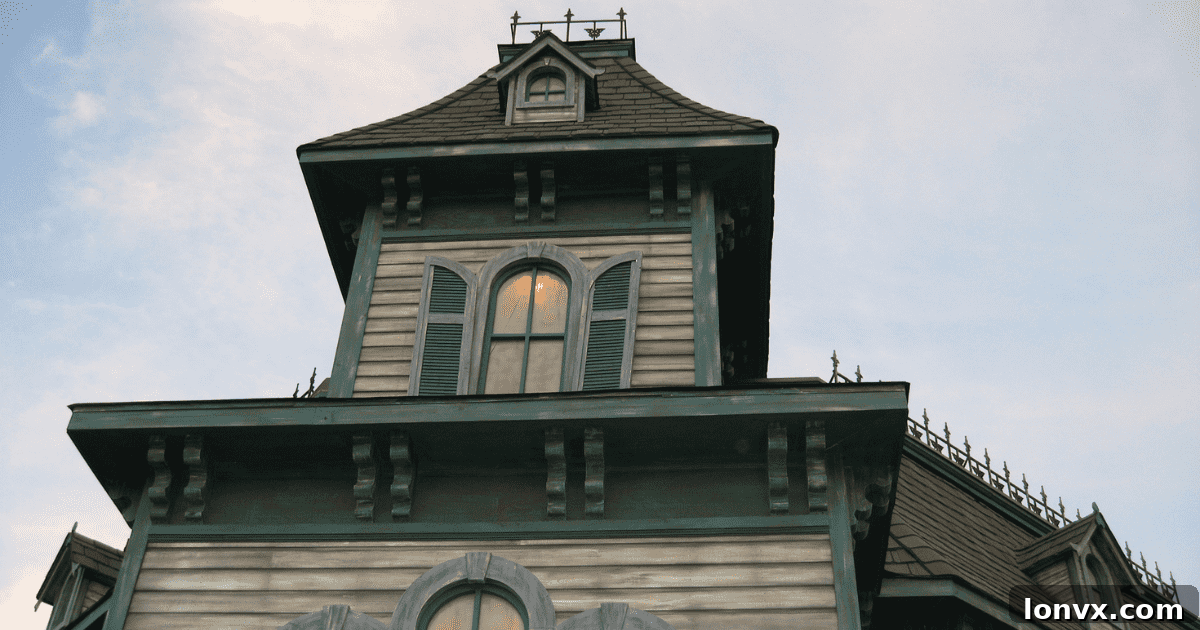
Unveiling the Supernatural Market: Navigating Haunted Houses in Canadian Real Estate
From the historically significant Marr Residence in Saskatoon, which served as a field hospital during the Northwest Resistance and is now famously rumoured to house two resident ghosts, to the enigmatic Custom House in Hamilton, Ontario, where the legend of the “Dark Lady” has persisted for over a century, Canada boasts a surprising number of properties whispered to be haunted. These chilling tales spark curiosity, but for real estate professionals and prospective buyers, they raise a crucial question: What happens when such a property enters the competitive market?
The Unseen Impact: How Stigma Affects Property Perception and Value
The concept of a property feeling “off” can introduce a significant element of stigma, profoundly influencing how potential buyers view and value it. Even without concrete evidence, a persistent rumour or an unsettling feeling can cast a long shadow.
Beyond Rationality: The Unexplained Discomfort
“As a Realtor, I’ve encountered clients who are convinced they’ve felt an unusual energy in a property,” shares Toly Vasilyev, a seasoned Realtor with The Residential Group Realty in Vancouver. “Sometimes, they experience a profound discomfort that they struggle to articulate, and I find that truly fascinating. This inexplicable unease can drastically alter their perception of a home, regardless of whether there’s a tangible, logical reason for it.” Such anecdotes, while captivating, underscore the powerful psychological component at play when dealing with properties rumoured to have a haunted past.
The Price of Stigma: Market Challenges for Unique Properties
Vasilyev acknowledges that properties with an unsettling history often carry a significant stigma, making them a unique challenge in the real estate market. “Stigmatized properties, especially those associated with a haunted history or a tragic past, can be particularly difficult to sell,” he explains. While there exists a distinct niche of buyers who are actively intrigued by such homes and might even seek them out, this group represents a minority. “For the vast majority of buyers, this stigma can severely restrict the pool of interested parties,” Vasilyev adds.
The consequences of this stigma are tangible. Vasilyev notes that these properties frequently remain on the market for extended periods and may ultimately sell at a reduced price. “The stigma, whether rooted in belief or simply cautionary tales, tends to linger in people’s minds, even among those who don’t personally believe in the paranormal,” he states. This perception alone is often enough to deter potential buyers, making the sale of a genuinely unique, albeit reputedly haunted, home a delicate dance between fact, folklore, and market reality.
Navigating the Legal Labyrinth: Disclosure of Stigmatized Properties in Canada
Canada’s real estate landscape offers its own share of paranormal hotbeds. Gastown, one of Vancouver’s oldest neighbourhoods, is a popular draw for tourists, largely due to its numerous reported ghost sightings over the years. Similarly, Toronto’s historic Distillery District has become another prime destination for those fascinated by the supernatural. These areas highlight a broader question: How do provinces like Ontario and British Columbia approach the disclosure of properties with such unusual histories?
Ontario and B.C.: A Shared Approach to Ambiguity
Ray Doaii, founder and principal lawyer at Lexeon Law, who practised in Toronto for years before establishing his firm in Vancouver, sheds light on the legal framework. “In Ontario and B.C., the disclosure requirements for stigmatized properties are fundamentally similar,” Doaii explains. “The primary differences lie in their specific legal frameworks and the nuanced ethical expectations placed upon sellers and agents.”
According to Doaii, a critical aspect of this shared approach is the absence of specific legal mandates compelling the disclosure of certain types of stigmatization. This includes a property’s history involving a crime or a death. While the common perception might be that such details must be revealed, the legal reality is often more ambiguous, placing a greater emphasis on ethical conduct and the concept of “material facts.”
The Buyer’s Burden: Asking the Right Questions
“There is always a foundational legal and ethical obligation for sellers to disclose material facts—information that could reasonably influence a buyer’s decision,” Doaii emphasizes. However, this general principle encounters a specific challenge when it comes to non-physical, stigmatizing factors like a property’s haunted reputation. “While a standard Property Disclosure Statement is utilized for the majority of real estate transactions, these documents typically lack specific questions directly addressing stigmatizations,” he points out. This omission means the onus largely falls on the prospective purchaser to actively inquire about issues that are personally significant to them. It highlights the importance of thorough due diligence and clear communication between buyers, agents, and sellers.
This situation presents a unique dilemma for real estate professionals. Imagine a scenario where a Realtor discovers that a home, which their client has already fallen in love with, is reportedly haunted. How does one deliver such news effectively and ethically after the showing?
The Realtor’s Ethical Compass: Guiding Clients Through the Unknown
For Realtors, navigating the sensitive terrain of a client’s emotional connection to a property and the discovery of a potentially unsettling history requires tact, transparency, and professionalism. The moment a paranormal rumour surfaces, the Realtor’s role shifts from merely facilitating a sale to providing empathetic guidance.
Open Communication: A Foundation of Trust
“First and foremost, I would be completely transparent with my client and immediately inform them of what I’ve learned,” Vasilyev states. “In situations like this, transparency is absolutely paramount. I would carefully explain that while such a detail might not personally bother them, it could undeniably impact the property’s future resale value or how other potential buyers perceive it down the line.” This initial, honest conversation sets a crucial foundation of trust, allowing the client to process the information without feeling blindsided.
Balancing Beliefs and Business: Professional Sensitivity
Vasilyev’s advice to his fellow Realtors underscores the delicate balance required: approach the situation with utmost sensitivity and professionalism. “It’s essential not to dismiss or downplay the information, but equally important not to sensationalize or exaggerate it,” he advises. The goal is to present the facts as objectively as possible, allowing the client to weigh the information without undue pressure or fear-mongering. “Empower your client with all the relevant information,” Vasilyev concludes, “so they can make the most informed and best decision for their unique circumstances.” This approach respects the client’s autonomy and acknowledges the deeply personal nature of a home purchase, especially when supernatural elements are in play.
Deciding on a Dwelling: When Practicality Meets the Paranormal
Regardless of one’s personal beliefs regarding the supernatural, the central question for both Realtors and their clients ultimately boils down to a fundamental query: Do I genuinely want to live in this particular house? This decision isn’t merely about square footage or curb appeal; it delves into personal comfort, peace of mind, and long-term implications.
Practicality vs. Perception: What Truly Matters?
Ray Doaii, the legal expert, offers a pragmatic perspective blended with a touch of humour. “I wouldn’t be overly concerned with ‘ghosts’ or ‘haunted houses’ unless the home is genuinely ancient and possesses a visibly spooky aesthetic,” he chuckles. “But all jokes aside, my primary concern would pivot to the significant events that may have occurred within the home or its immediate neighbourhood, and the personal habits or activities of previous owners that could negatively affect my tranquil use and enjoyment of the property.” This highlights that while the paranormal captures attention, the more tangible, albeit sometimes uncomfortable, aspects of a property’s history can hold greater weight for many buyers.
Toly Vasilyev, on the other hand, admits his comfort level would largely depend on the specific circumstances. “If it’s merely a collection of old rumours or a past event that holds no direct bearing on the current structural integrity or daily living experience of the property, I would likely be comfortable proceeding,” he explains. “However, if the historical narrative genuinely troubled me, or if I found myself struggling to sleep there because of it, I would undoubtedly give the decision much more serious thought.” This personal introspection reflects the diverse ways individuals process and react to such information, underscoring that a “haunted” label affects each buyer differently.
The Ultimate Question: Can You Call It Home?
Ultimately, the desirability of a reputedly “haunted” house—much like any property with a unique particularity, quirk, or even a less-than-ideal feature—rests entirely at the discretion of the individual buyer or seller. What one person finds intriguing and charming, another might find unsettling or off-putting. The market is full of unique properties, and those with a supernatural reputation are simply another subset that requires careful consideration.
“At the end of the day, the fundamental desire is to feel truly comfortable and secure in your own home,” emphasizes Vasilyev. It is only logical, then, that any persistent feeling contrary to this sense of comfort and security could easily become a definitive dealbreaker for many individuals. Whether it’s a creaky floorboard, a noisy neighbour, or the unsettling sensation of a spectral presence, the emotional and psychological connection to one’s living space remains paramount in the decision-making process for any home purchase.