Unlocking Global Opportunities: The Landmark CIPS Leadership Invitational in Canada
The landscape of real estate is rapidly evolving, transcending traditional borders and embracing a truly global marketplace. In a significant first for Canada, the esteemed Certified International Property Specialist (CIPS) Leadership Invitational program was hosted in Winnipeg, Manitoba. This landmark event served as a pivotal platform for top real estate professionals to elevate their expertise, transforming them into adept international property specialists ready to navigate the complexities of global transactions.
Canada’s Debut: Hosting the Prestigious CIPS Leadership Invitational
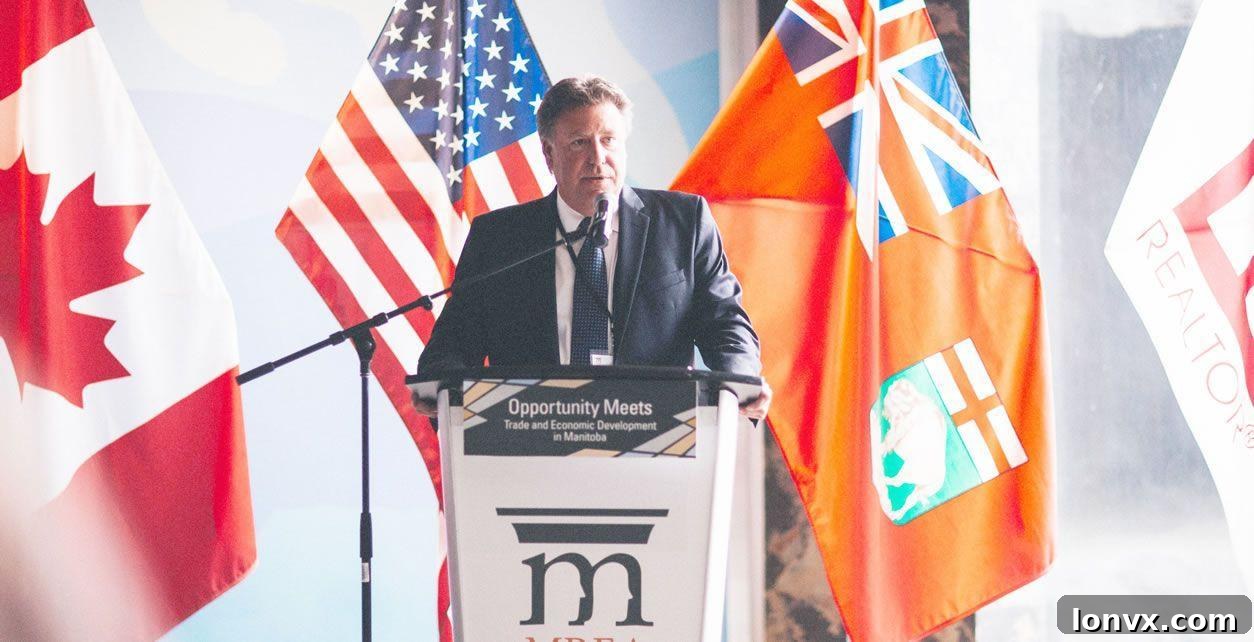
In June 2017, approximately 50 influential real estate leaders from across the United States and Canada converged in Winnipeg for the highly anticipated CIPS Leadership Invitational. This exclusive program, traditionally held biennially in Chicago, marked its Canadian debut, signaling a growing recognition of Canada’s vital role in the international property sphere. The event was not merely a training seminar; it also strategically functioned as an “inbound trade mission” for Manitoba, meticulously showcasing the province’s burgeoning economic landscape and diverse real estate investment opportunities to an influential North American audience.
The success of this inaugural Canadian event was resounding. Chris Pennycook, President of the Manitoba Real Estate Association (MREA), enthusiastically described it as “a huge success.” He further added, “It went off without a hitch, and we couldn’t have been happier with the exposure” that both the province and the MREA garnered. This monumental undertaking was the result of a powerful collaboration between the Manitoba Real Estate Association, the Canadian Real Estate Association (CREA), and the National Association of Realtors (NAR), underscoring a unified vision for advancing cross-border real estate education and partnerships.
Manitoba: A Strategic Gateway for International Investment
The decision to bring the CIPS Leadership Invitational to Winnipeg was a strategic masterstroke, aiming to position Manitoba as an attractive destination for international investment and foster stronger economic ties across North America. The “inbound trade mission” component was meticulously designed to highlight Manitoba’s competitive advantages, from its robust economy and diverse industries to its affordable cost of living and promising real estate market.
Throughout the intensive week, an elite group of real estate industry CEOs and presidents, representing nine U.S. states and six Canadian provinces, immersed themselves in critical aspects of international real estate. They gained invaluable insights into conducting property transactions across various global regions, including Asia/Pacific, Europe, and the Americas. The curriculum also focused on best practices for effectively serving a diverse clientele of home and property buyers from around the world, understanding their unique needs and cultural considerations.
Beyond the classroom, participants were introduced to innovative tools and programs designed to facilitate global transactions, such as Realtor.ca and CREA’s global affiliate program. Furthermore, they explored the vast enterprise opportunities available within Manitoba itself, gaining a firsthand understanding of the province’s potential for business and investment growth. This integrated approach ensured that attendees left not only with enhanced international real estate acumen but also with a comprehensive understanding of Manitoba’s economic vitality.
The program also offered unique cultural and networking experiences. Attendees toured the iconic Canadian Museum for Human Rights, a poignant landmark that offered a glimpse into Canada’s values. A significant networking reception was held at the Journey to Churchill exhibit at the Assiniboine Park Zoo, providing a relaxed yet impactful environment for mingling with key representatives from Manitoba’s real estate, business, economic development, and government sectors. Cliff Cullen, Manitoba’s Minister of Growth, Enterprise and Trade, played a prominent role, addressing attendees at two separate events and providing invaluable insights into Manitoba’s business environment and investment climate.
Mastering the Global Real Estate Landscape: Insights from the CIPS Program
The CIPS course itself was led by Carmela Ma, the esteemed past dean of the NAR CIPS program and president of CJM Associates, a California-based firm renowned for its expertise in real estate investment brokerage, advisory services, and global transactions. Ma’s unparalleled knowledge and teaching prowess left a lasting impression on all participants.
Chris Pennycook, a seasoned real estate professional with 33 years of experience, lauded Ma’s instructional abilities, stating, “She was one of the best instructors I’ve ever come across, if not the best. It was really a great course.” For Pennycook, the program proved to be a profound eye-opener, dramatically expanding his perspective on the intricacies of the international property market. “When you take this course, you realize how much you don’t know about international properties and how things are transacted all over the world,” he reflected.
While foundational real estate principles often hold true globally, the CIPS program meticulously highlights the significant differences that exist in practices, laws, and cultural expectations across various countries. These nuances, often overlooked by domestic-focused agents, can be critical determinants of success or failure in international deals.
Navigating Critical Differences in International Property Deals
The course delved into fascinating examples of these differences. In England, for instance, Pennycook learned that “a deal isn’t a deal until (the buyers) have actually taken possession; they can walk basically at any time. You can put offers in at more than one place but you don’t actually have to close on them unless you want to.” This stands in stark contrast to many North American practices, where accepted offers often create legally binding agreements much earlier in the process.
Beyond legal frameworks, cultural factors play an equally significant role. Pennycook also gained valuable insights into Feng Shui, the ancient Chinese practice of arranging elements to create harmony and balance within a living environment. Understanding such cultural preferences is crucial when working with international buyers, as it can significantly impact property appeal and purchasing decisions. Furthermore, the course explored the varied ways mortgages are structured and sold in different countries, such as the United States, providing a comprehensive understanding of international financing mechanisms.
The practical application of this specialized knowledge is immediate and tangible. Pennycook emphasized that if he had clients relocating from Manitoba to Florida, he would confidently refer them to an agent who possesses the CIPS designation. Such an agent, having completed the rigorous program, would possess a deep understanding of the differing real estate rules and regulations between Canada and the U.S., ensuring a smoother and more successful transaction for the client.
The Vision: Cultivating Cross-Border Relationships and Economic Growth
The ambitious idea to lobby the National Association of Realtors (NAR) to bring the CIPS Leadership Invitational to Manitoba originated with MREA CEO David Salvatore. After attending the invitational in Chicago a few years prior, Salvatore recognized its immense potential to strengthen relationships among Realtors across North America and to serve as a powerful “mini trade mission” in collaboration with the provincial government.
Pennycook echoed this sentiment, articulating a clear strategic objective: “We really feel we want to start doing more cross-border relationships with our major trading partners” and, crucially, “to show off the province.” This initiative represents a forward-thinking approach to economic development, recognizing that fostering international professional networks directly translates into increased business and investment opportunities for Manitoba.
The long-term benefits of hosting such a prestigious event are expected to be substantial. While the immediate impact might not always be quantifiable, Pennycook asserted, “Sometimes when you do something big, like organize the CIPS Leadership Invitational, you wonder why you’re doing it, and we may not realize the benefits of this for two, three, or four years, but it’s going to benefit our province.” This perspective highlights the strategic patience required for nurturing international relationships and economic growth.
Indeed, Manitoba is already experiencing an increasing influx of foreign buyers, many of whom are highly educated and are actively establishing new businesses within the province. While the sheer volume may not yet rival major urban centers like Toronto or Vancouver, Manitoba offers a compelling proposition. “It’s definitely not the numbers of Toronto or Vancouver, but Manitoba is a fantastic alternative,” Pennycook noted. He observed that when individuals compare the high costs of living and doing business in larger Canadian cities with the more accessible opportunities in Manitoba, they often conclude, “it’s just such a great place.” The province boasts an attractive combination of affordability, a strong economy, and a welcoming environment for newcomers and investors.
The success of the CIPS Leadership Invitational in Winnipeg has also paved the way for future collaborations between the MREA and the provincial government. Building on this positive momentum, the two entities are actively planning to organize a similar “mini trade mission” in Minnesota, further expanding Manitoba’s reach and strengthening its North American partnerships. This proactive approach underscores the MREA’s evolving role: “We’re taking the initiative to try and show Manitoba off as Realtors, as opposed to just selling houses,” Pennycook concluded, emphasizing a broader commitment to provincial promotion and economic advocacy.
Conclusion: Manitoba at the Forefront of Global Real Estate
The inaugural CIPS Leadership Invitational in Canada was far more than a professional development course; it was a strategic declaration of Manitoba’s ambition on the global stage. By bringing together North America’s real estate elite, the event not only armed professionals with invaluable international expertise but also shone a bright spotlight on Manitoba’s economic potential, inviting investment and fostering enduring cross-border relationships. As the global real estate market continues to intertwine, programs like CIPS and the visionary efforts of organizations like MREA are crucial in equipping real estate professionals to navigate complex international transactions and in positioning regions like Manitoba as attractive hubs for global talent and capital. This event solidifies Canada, and specifically Manitoba, as a proactive and informed player in the ever-expanding world of international property.