Revitalizing Stale Listings: Expert Strategies for Selling Homes in Today’s Market
The real estate landscape has undeniably shifted. Gone are the days when properties were snapped up within hours of hitting the market, often with multiple offers above asking price. Today, many listings are lingering, becoming what the industry refers to as “stale.” For real estate agents, especially those who entered the profession during the recent boom, this presents a unique challenge. A stale listing doesn’t just sit; it starts to accumulate a negative perception. The longer a home remains unsold, the more potential buyers begin to wonder if something is fundamentally wrong with it, making the sales process even more arduous. This can be a source of immense frustration for both agents and their sellers. However, it’s crucial to remember that every property, regardless of market conditions, can find its buyer with the right approach and a robust, well-executed marketing strategy.
Navigating a cooling market demands adaptability, creativity, and a deep understanding of buyer psychology. This comprehensive guide will equip real estate professionals with actionable strategies to breathe new life into stale listings, ensuring they not only attract attention but also convert into successful sales.
Understanding the Root Cause: Why Are Listings Going Stale?
Before any marketing strategy can be effectively implemented, the primary reason behind a listing’s stagnation must be identified. Without this crucial diagnostic step, marketing efforts become a shot in the dark, leading to wasted time and resources. Agents must transition from merely guessing what might work to becoming the expert who identifies the problem and proposes a targeted solution right from the outset.
The Paramount Factor: Price
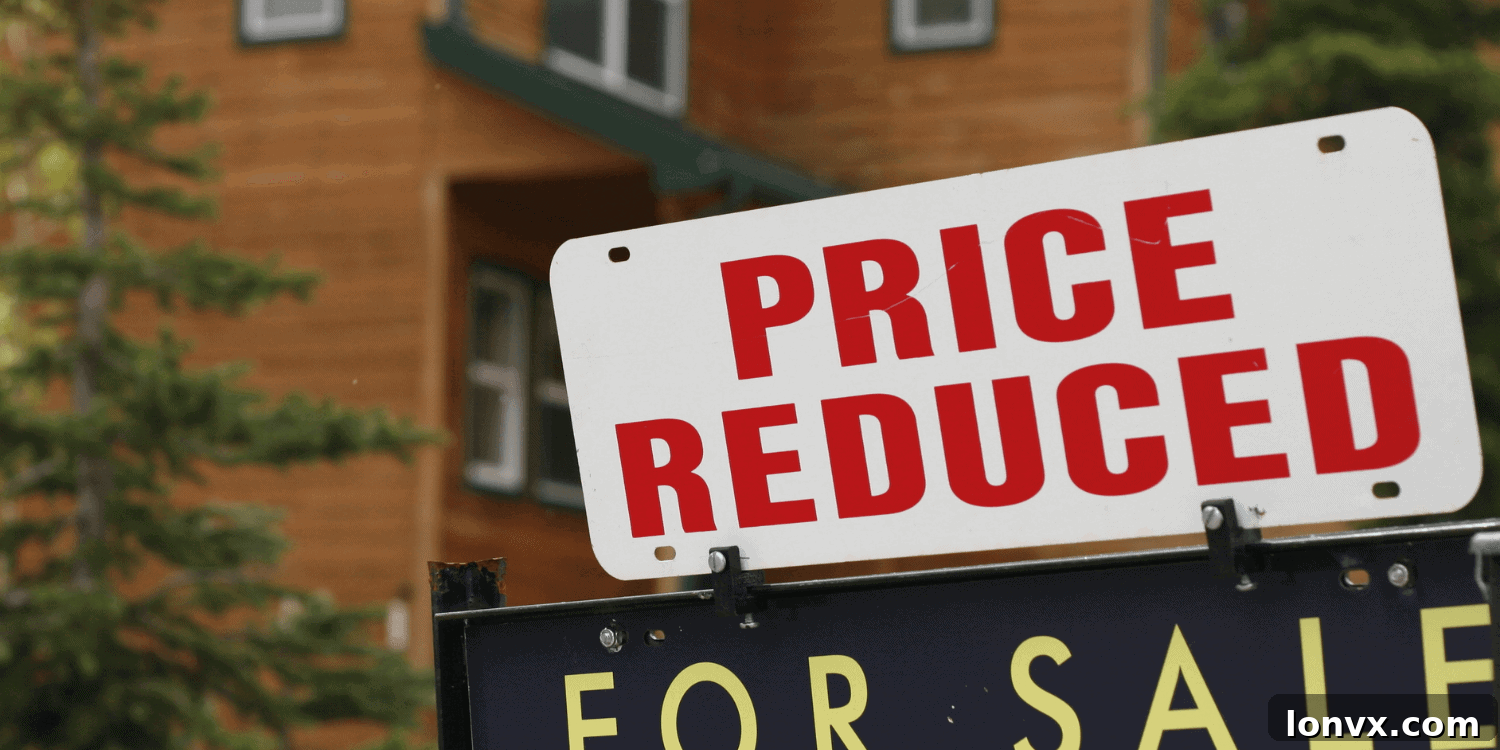
In most cases, the single biggest culprit behind a stale listing is an unrealistic price. No amount of stellar marketing, professional photography, or clever copywriting will convince a buyer to significantly overpay for a property, especially in a market where inventory is rising and competition is increasing. Many sellers, understandably, benchmark their expectations against historical sales data – often looking at what their neighbors achieved 12 to 18 months ago during a significantly different market. Alternatively, they may price based on a personal financial need, hoping to avoid a loss, rather than on current market realities. This disconnect between seller expectations and buyer willingness to pay creates an insurmountable barrier to sale.
While the intricacies of pricing strategy and educating sellers on current market valuations could fill an entire article, it’s essential for agents to emphasize that price is their most powerful marketing tool. A correctly priced home is inherently attractive, generating interest and potentially multiple offers, even in a slower market. For the purpose of this discussion, we will proceed assuming the property is priced competitively and aligned with market value. With pricing optimized, the next critical step is to scrutinize how the property is presented to the world.
Putting Your Best Foot Forward: Property Presentation Excellence
Once the price is right, the focus shifts to presentation. A property needs to captivate buyers from the moment they encounter it, whether online or in person. This involves creating an irresistible first impression that highlights the home’s highest and best use, making it easy for buyers to envision their future within its walls.
-
Professional Staging: Igniting Imagination and Maximizing Appeal
Is the property staged to showcase its full potential? Professional home staging goes beyond simple decluttering; it’s about transforming a space to appeal to the broadest possible buyer demographic. Staging helps define rooms, enhances flow, and creates a sense of warmth and invitation. It removes personal clutter that might distract buyers and allows them to visualize themselves living there. Studies consistently show that staged homes sell faster and often for a higher price. Consider a professional stager who can bring in contemporary furniture, artwork, and accessories that elevate the home’s aesthetic. Even vacant homes benefit immensely from staging, as empty rooms often appear smaller and less inviting.
-
Addressing Minor Repairs: Eliminating Buyer Burden
Are there any minor repairs that need attention? Loose doorknobs, leaky faucets, chipped paint, or worn-out fixtures might seem insignificant to the seller, but to a potential buyer, they represent immediate expenses and headaches. These small imperfections can accumulate in a buyer’s mind, making the property feel like a “burden” rather than a dream home. Proactively addressing these minor fixes – a fresh coat of neutral paint, fixing a squeaky door, updating outdated light fixtures, or tending to landscaping – can significantly improve a home’s perceived value and prevent buyers from mentally discounting their offers. Sometimes, even temporarily taking a property off the market for a few weeks to complete these enhancements and professional staging can work wonders, allowing it to re-enter as a “new” listing with renewed appeal.
-
High-Quality Visuals: The Digital Gateway to Your Listing
In today’s digital age, the quality of your listing photos and videos is paramount. For many buyers, the initial interaction with a property happens online. Poorly lit, blurry photos taken on a smartphone will immediately turn off potential buyers, regardless of how beautiful the home truly is. Invest in professional photography and videography. This means high-resolution images, wide-angle shots that accurately represent space, and strategic lighting. Consider incorporating:
- Professional Photos: Highlight key features and evoke emotion.
- Virtual Tours (3D Tours): Allow buyers to “walk through” the home from anywhere, providing an immersive experience.
- Drone Footage: Showcase the property’s exterior, lot size, neighborhood, and surrounding amenities, especially for larger properties or those with unique outdoor features.
- Video Walkthroughs: A narrated video can tell a story about the home and its lifestyle potential.
These high-quality visuals not only make your listing stand out against competitors but also attract more serious inquiries, as buyers have a clearer understanding of what they’re seeing before an in-person visit.
Mastering Digital Marketing: Expanding Your Reach and Engaging Buyers
Beyond traditional methods, a robust digital marketing strategy is indispensable for reviving stale listings. The internet offers unparalleled reach and precise targeting capabilities, allowing you to connect with potential buyers where they spend most of their time.
-
In-Depth Blog Posts on Your Website: The Content Powerhouse
Don’t just upload a basic description to your MLS listing. Create a dedicated, in-depth blog post about the home on your personal or company website. This is your opportunity to tell the property’s unique story and showcase every conceivable detail. Unlike character-limited MLS entries, your website offers unlimited space to:
- Describe the architectural style and unique features.
- Detail the lifestyle benefits of the neighborhood (schools, parks, local businesses, commute times).
- Highlight recent renovations and upgrades.
- Share anecdotes or historical facts about the home (if applicable).
- Include all professional photos, videos, and even floor plans.
Long-form content, even up to 2,000 words or more, is highly effective for buyers making a significant financial decision like purchasing a home. Furthermore, this unique, rich content is a powerful tool for Search Engine Optimization (SEO). Since you’re the sole source of this specific, detailed information about the listing, your blog post has a strong chance of ranking high on Google for relevant search queries, driving organic traffic directly to your website and listing.
-
Strategic Social Media Campaigns: Organic and Paid
Social media is more than just sharing a link. It requires a multi-faceted approach:
- Organic Engagement: Instead of a single post with a link, create a series of posts and stories highlighting specific, appealing features of the home. Use these features to tell a compelling story. For instance, if the home boasts a cozy breakfast nook, post a beautiful photo of it and paint a vivid picture: “Imagine starting your day here, sipping your morning coffee bathed in natural light.” You’re selling a lifestyle, an experience, not just the physical structure. Utilize Instagram Reels, Facebook Stories, and TikTok for short, engaging video snippets showcasing different rooms or features. Engage with comments and messages promptly.
- Paid Advertising: Leverage targeted social media ads (Facebook, Instagram, LinkedIn, Pinterest) to reach specific demographics. You can target potential buyers based on their interests (e.g., luxury goods, golf, specific types of architecture), income levels, geographic location, and even life events (e.g., recent engagement, growing family). Retargeting ads can also be used to follow up with users who have previously interacted with your listing or visited your website, keeping the property top-of-mind.
-
Email Marketing & Cross-Promotional Opportunities
Your existing database is a goldmine. Send out engaging email newsletters featuring the stale listing, highlighting its renewed appeal and any new incentives. Beyond your own list, explore collaborations with other local businesses and service providers (e.g., mortgage brokers, interior designers, local publications, community associations) who send out newsletters to their own databases. Propose including your listing in their next mailout, offering reciprocal promotion if possible. This expands your reach to new, relevant audiences who might not be in your direct network.
-
Niche Audience Targeting & Media Outreach
Think beyond the general public. Identify niche audiences who would find specific features of the home highly appealing. For example, if a home has an elaborate home gym, reach out to local fitness communities or personal trainers. If it boasts a gourmet kitchen, contact local food bloggers or culinary schools. Share your listing with popular local social media accounts, community publications, and local news outlets. The worst they can say is no. As an illustrative example, a real estate agent once successfully marketed a home with a professional-grade outdoor hockey rink to hockey writers and fans, generating tens of thousands of impressions by simply reaching out to a targeted, passionate community. This type of creative outreach can dramatically increase visibility with minimal cost.
Going Deep, Not Wide: Curated Experiences and Targeted Events
Sometimes, generic open houses simply aren’t enough to move a stale listing. Instead of casting a wide net, consider a “go deep, not wide” approach by hosting targeted events that appeal directly to your most likely buyer demographic.
-
Event Hosting Tailored to Buyer Profiles
You likely have a strong profile of the ideal buyer for the property. Design events specifically for them. For a luxury home with a chef’s kitchen, host an exclusive cooking demonstration with a local celebrity chef. For a family-friendly home with a spacious backyard, organize a family-focused event like a kids’ craft workshop or a pet adoption drive in collaboration with a local shelter. If the property is perfect for entertaining, host a sophisticated wine tasting or an art exhibit showcasing local artists.
-
Professional Development for Agents
Identify other agents in your market who frequently work with buyers fitting your listing’s profile. Instead of a typical agent open house, invite them to a professional development event hosted at the property. This could be a seminar on a relevant industry topic, a networking session, or a mastermind group meeting. Agents get valuable insights or connections, and in turn, they spend focused time in the home, increasing its visibility to their specific buyer pool.
-
Community & Charity Events: Building Goodwill and Generating Buzz
Revisiting the hockey rink example: imagine hosting a small, charity hockey tournament. This not only attracts potential buyers who are passionate about hockey but also generates positive community goodwill and potential media coverage from local newspapers or sports blogs. The goal is to create an experience that resonates deeply with the target audience, drawing them to the property in a memorable and engaging way. This approach doesn’t exclude other potential buyers; you can host multiple events tailored to different buyer segments. These events also serve as excellent opportunities to grow your database and foster positive relationships within the community, leading to future referrals even if the current listing isn’t purchased.
Offering Compelling Incentives: Sweetening the Deal
When a listing faces resistance, sometimes a strategic incentive can be the key to closing the deal. Learn from home builders who constantly offer upgrades, flexible deposit structures, or rent-back guarantees to entice buyers. As an agent, you have similar options to explore with your sellers.
-
Home Warranties: Peace of Mind for Buyers
One powerful incentive is offering a 12-month home warranty covering major systems and appliances through a reputable company. This small investment (often just a few hundred to a couple of thousand dollars) provides significant peace of mind for buyers, especially when purchasing an older home. When buyers are weighing two similar properties, the inclusion of a home warranty can be the decisive factor that tips the scales in your client’s favor, securing an offer.
-
Creative Solutions to Buyer Objections
Actively listen to feedback and objections from potential buyers and their agents. Is the kitchen outdated? Offer a credit for appliance upgrades. Is the landscaping sparse? Offer a credit for professional landscaping. Are interest rates a concern? Explore the possibility of a temporary rate buydown or a contribution to closing costs. Sometimes, something that costs the seller only a few thousand dollars can bridge a psychological gap for the buyer and finalize a million-dollar transaction. Think creatively and be prepared to propose innovative solutions that address buyer concerns directly.
The Proactive Agent: Essential for Success
A stale listing demands immediate and strategic attention. The longer a property sits on the market without an offer, the more likely its eventual sale price will be lower. The market dynamics have shifted, and the era of minimal marketing yielding quick sales has largely receded. Agents must now approach their service to clients with heightened strategy and proactivity.
Crucially, you never want your clients to feel that you are not doing everything in your power to sell their home. Such a perception can irrevocably damage the client relationship and eliminate future referral opportunities. Maintain transparent and frequent communication, present data-driven solutions, and demonstrate your commitment through innovative marketing efforts.
Finally, exercise professional judgment. If a seller’s pricing expectations are consistently unrealistic, and you foresee no willingness on their part to adjust to market realities, it is often wiser to decline the listing rather than take on a property that is highly unlikely to sell. Your reputation and the trust of your future clients depend on your ability to deliver results and provide honest, expert advice.