The Enduring Power of Open Houses: Why Physical Viewings Remain Vital in Digital Real Estate
In the dynamic world of real estate, where digital innovation constantly reshapes how properties are bought and sold, certain traditional methods continue to prove their undeniable value. With over 1,700 open houses scheduled in Metro Vancouver in the coming days, it’s abundantly clear that the open house remains a cornerstone of real estate marketing, particularly in evolving or slower market conditions. While advancements in technology, from immersive 3D tours to sophisticated virtual showings, have revolutionized the industry and equipped both consumers and professionals with unprecedented resources, recent findings from a Royal LePage survey underscore that the physical open house is still a vital component of many realtors’ successful strategies. This article delves into why open houses continue to captivate buyers and real estate professionals alike, exploring their unique advantages, how they integrate with modern digital tools, and what the future holds for this enduring tradition.
The Enduring Appeal of Open Houses in a Digital Age
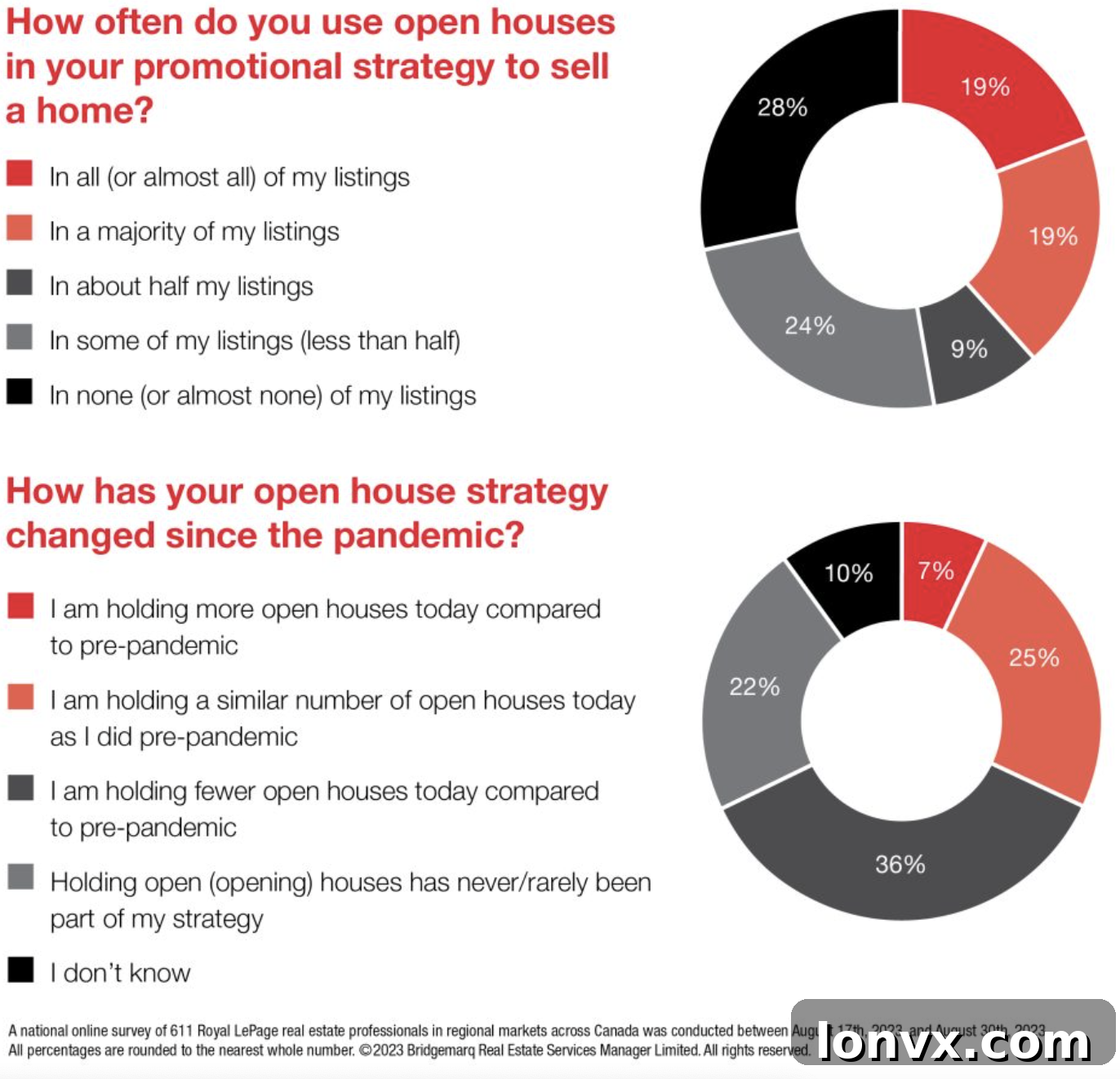
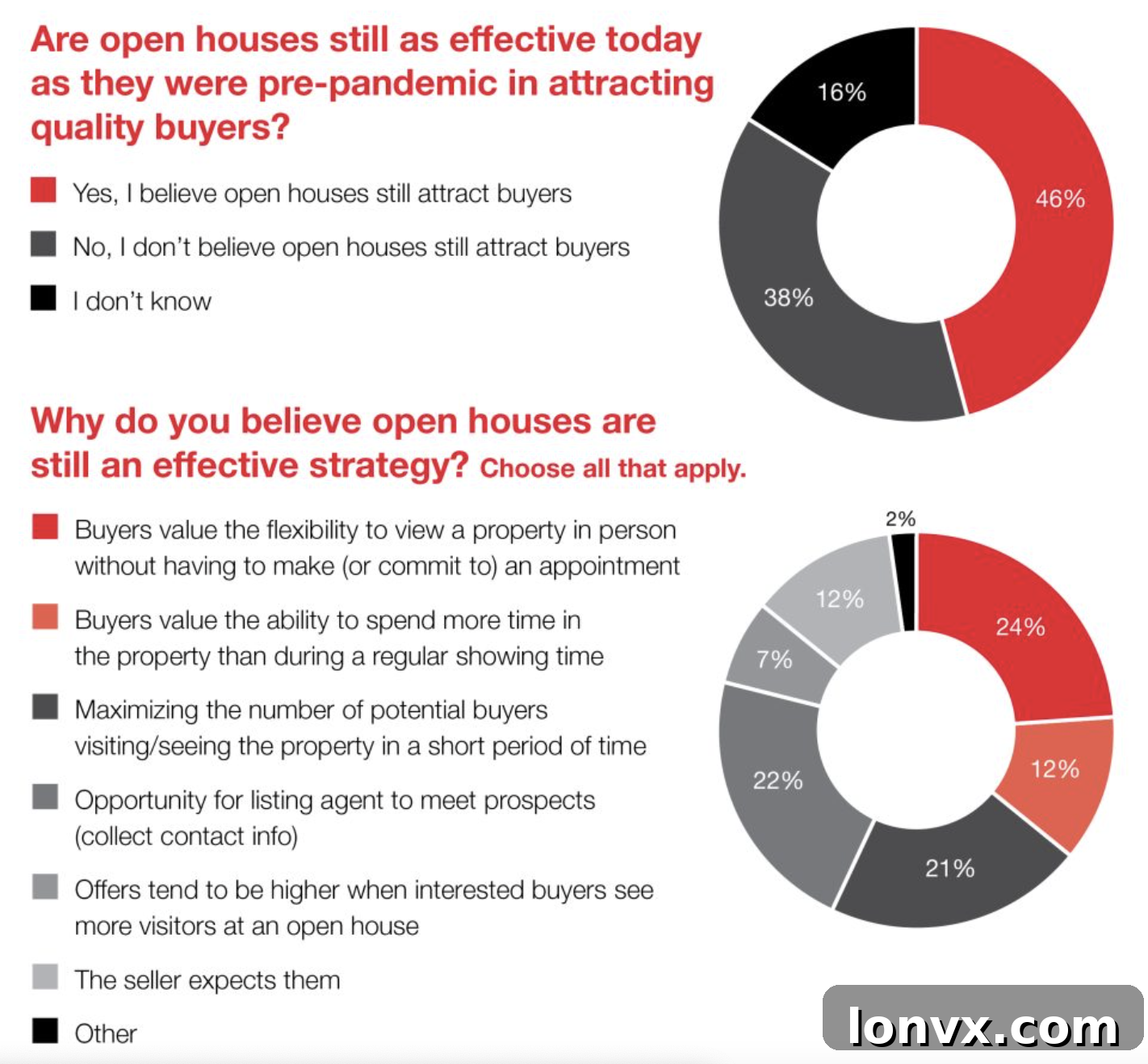
The sheer volume of open houses slated for a major metropolitan area like Metro Vancouver serves as a powerful testament to their enduring appeal. Even as market dynamics shift, and digital platforms offer instant access to property information, the ritual of an open house persists. The Royal LePage survey, which gathered insights from over 600 agents, revealed compelling statistics: approximately 32 percent of respondents reported hosting as many or even more open houses today than they did before the global pandemic. Furthermore, a significant 46 percent of these seasoned professionals believe that open houses are as effective as ever in attracting genuinely interested and qualified buyers, indicating their sustained relevance in a competitive landscape. This sustained commitment points to more than just habit; it reflects a deep understanding of human psychology in the buying process.
Why Buyers Still Prioritize Physical Viewings
Shawn Zigelstein, a respected broker and team leader at Royal LePage Your Community, articulates the irreplaceable value of the in-person experience in an era dominated by screens. “Technology has advanced our industry by leaps and bounds, from 3D furniture renderings to virtual showings. During the pandemic, when in-person interactions were restricted by social distancing guidelines, technology was the only way many of us were able to help our clients,” Zigelstein notes. “However, nothing can truly replace the feeling of physically walking through a home that you dream of buying.” He emphasizes that purchasing a property is profoundly personal, often representing the largest financial investment an individual or family will ever make. Buyers inherently desire the tangible experience of exploring their potential new home firsthand, engaging all their senses to truly envision their future within its walls. Virtual tours, while convenient, often fail to convey the true sense of space, natural light, ambient sounds, or the subtle nuances that define a home’s character. The ability to touch surfaces, peer into closets, assess room dimensions without digital distortion, and get a real feel for the neighborhood from the doorstep provides a level of confidence and emotional connection that digital platforms simply cannot replicate. This direct engagement fosters a deeper understanding and appreciation of the property, moving beyond mere specifications to a holistic, sensory experience critical for such a significant life decision.
Flexibility and Connection: Key Advantages for Buyers and Realtors
Beyond the sensory experience, open houses offer a unique and highly valued advantage: unparalleled flexibility for potential buyers. According to the Royal LePage survey, a quarter (24 percent) of respondents specifically highlighted this flexibility as a primary driver of open houses’ continued effectiveness. Unlike private showings that necessitate scheduled appointments, open houses invite casual exploration, allowing prospective buyers to browse at their leisure, often without the pressure of a one-on-one agent interaction until they’re ready. This relaxed atmosphere encourages more people to visit, broadening the pool of potential buyers.
For listing agents, open houses are a potent tool for lead generation and networking. A considerable 22 percent of surveyed professionals believe these events provide a crucial opportunity to connect with new prospects who might not have otherwise contacted them. By creating a welcoming environment, agents can gather immediate feedback, answer questions on the spot, and build rapport with potential clients, maximizing the number of interested parties viewing the property within a concentrated timeframe. It’s a strategic showcase, not just for the property, but also for the agent’s expertise and local market knowledge, turning casual visitors into serious leads and future clients.
Integrating Digital with Traditional: A Holistic Marketing Approach
While open houses retain their traditional allure, modern real estate marketing is far from a one-size-fits-all approach. Anne Leger, a chartered real estate broker for the Tremblay Leger team at Royal LePage Humania, eloquently stresses the indispensable importance of a comprehensive, holistic marketing strategy. This integrated approach ensures that a property receives maximum exposure and attracts the most qualified buyers, blending the best of both worlds – the tangible and the digital. The seamless integration of professional visuals, robust online presence, and targeted outreach now complements the physical open house, creating a powerful marketing synergy.
The Power of Professional Visuals
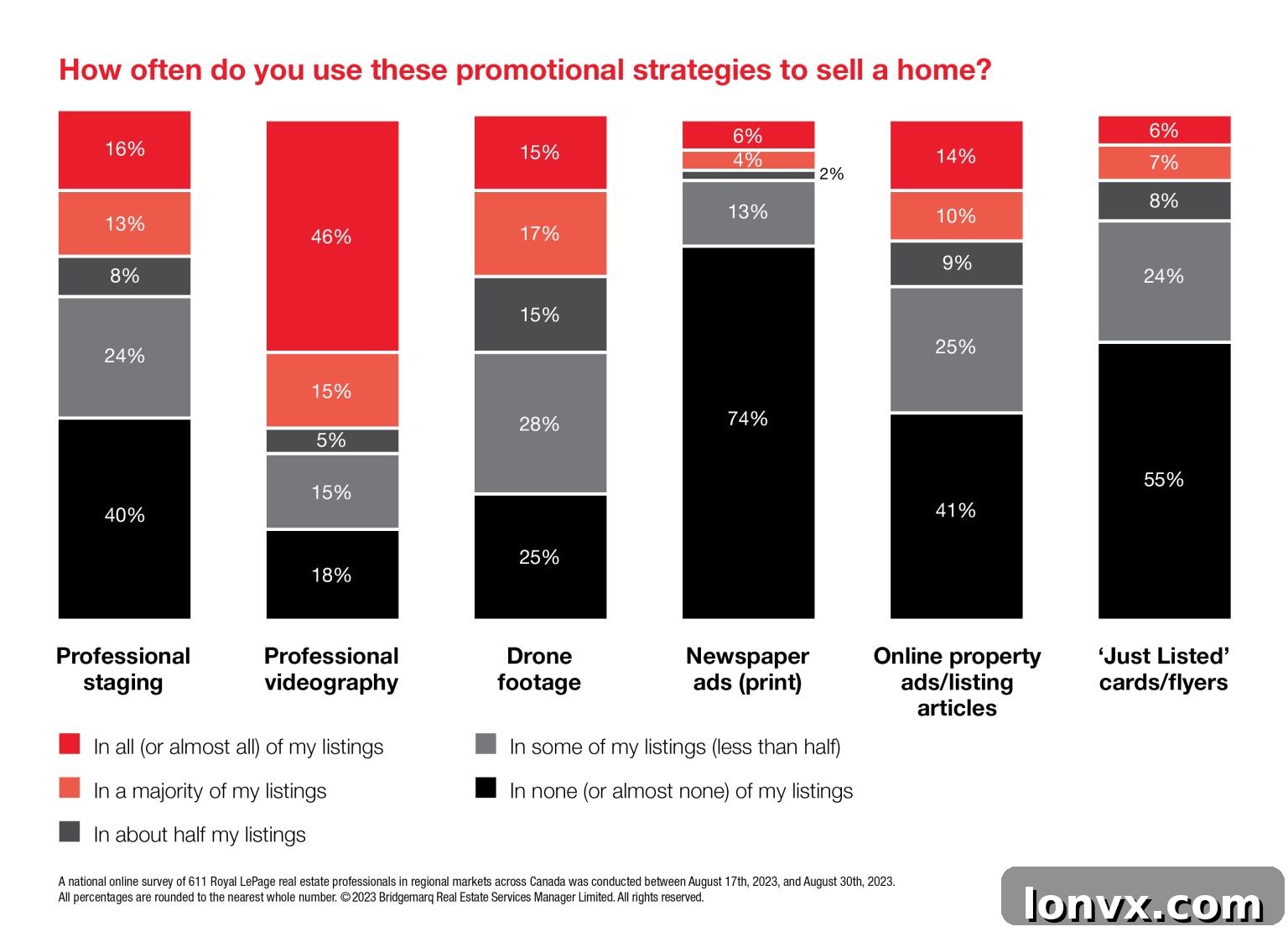
In an increasingly visual world, the quality of a property’s presentation can make or break its appeal. Survey results confirm that realtors are heavily investing in professional visual tools to distinguish their listings. A significant 36 percent of respondents utilize professional staging for at least half of their listings, recognizing that a beautifully presented home creates an aspirational vision for buyers, both online and in person. Professional photography is no longer a luxury but a necessity, capturing the essence and best features of a home to create compelling first impressions on digital platforms. Further enhancing this visual storytelling, a striking 67 percent of agents leverage professional videography, transforming static images into dynamic narratives that walk potential buyers through the property from anywhere in the world. And for that breathtaking aerial perspective, 47 percent employ drone footage, showcasing the property’s layout, its surroundings, and its unique relationship with the neighborhood – invaluable for properties with significant land or unique geographical features. These high-quality visual assets are critical for drawing buyers to an open house, serving as a powerful prelude to the in-person experience.
Social Media and Robust Online Presence
Complementing these visual elements is a robust online and social media strategy. In today’s interconnected world, a property’s digital footprint is paramount. Real estate professionals are adept at harnessing platforms like Facebook, Instagram, and LinkedIn to amplify their listings, targeting specific demographics and geographic areas. This involves not just sharing property photos and videos but also engaging with potential buyers, answering questions, and building a community around the listing. Additionally, a third of the surveyed realtors (approximately 33%) confirmed their regular use of online property ads or detailed listing articles for at least half of their properties. These digital advertisements ensure that listings reach a wider, more engaged audience, often before an open house even takes place, building anticipation and driving foot traffic. A strong online presence also includes optimizing listings for search engines, ensuring that when buyers search for properties in a specific area or with particular features, the listing ranks prominently.
The “Turnkey Property” Trend and Attention to Detail
Anne Leger’s insight that “Attention to detail is always important, but particularly at a time when buyers are looking for turnkey properties” speaks volumes about current market expectations. Today’s buyers, often pressed for time and seeking immediate gratification, are increasingly drawn to properties that require minimal renovation or maintenance upon move-in. A “turnkey” property signifies a home that is ready to live in, immaculately maintained, and aesthetically pleasing. This trend places a greater emphasis on professional staging, minor repairs, and thorough cleaning before a property is listed or an open house is held. Presenting a home in pristine condition instills confidence in purchasers, reassuring them about the quality of their potential investment and making the transition into their new home as effortless as possible. This meticulous preparation, visible in person at an open house, reinforces the professional marketing efforts and validates the buyer’s initial interest sparked by online visuals.
The Evolving Landscape: Where Print Falls Behind
As digital channels continue to dominate, the traditional realm of print advertising in real estate marketing is decisively taking a backseat. The Royal LePage survey sheds light on this significant shift: a remarkable 74 percent of respondents indicated they no longer incorporate newspaper advertisements into their listing strategies. This dramatic decline reflects the limitations of print media in terms of reach, speed, and cost-effectiveness compared to their digital counterparts. Similarly, 55 percent of agents have abandoned the once-ubiquitous “just listed” cards or flyers as promotional tools. In an era where information is consumed instantly via smartphones and tablets, static print ads struggle to compete with dynamic online listings that offer interactive maps, virtual tours, and immediate contact options. The ability to update information in real-time, target specific demographics with precision, and track engagement analytics makes digital advertising a far more efficient and measurable investment for today’s real estate professionals.
Optimizing Your Open House Strategy in Today’s Market
For realtors looking to maximize the impact of their open houses, a strategic approach is key. Preparation is paramount: ensuring the home is decluttered, spotlessly clean, and professionally staged creates an inviting atmosphere. Clear and prominent signage directs traffic, while well-placed brochures with key property details and agent contact information provide tangible takeaways. During the event, agents should focus on engaging visitors, answering questions knowledgeably, and subtly highlighting the home’s best features. Post-open house follow-up is equally crucial, leveraging collected contact information for personalized outreach and valuable feedback. Furthermore, technology can enhance the open house experience: digital sign-in sheets, QR codes linking to virtual tours, or even live-streaming parts of the open house on social media can extend its reach beyond physical attendees. Security considerations, such as securing valuables and monitoring visitor flow, also remain essential for a smooth and successful event. By integrating these best practices, realtors can transform a simple viewing into a powerful sales and networking opportunity.
In conclusion, despite the relentless march of technological innovation in real estate, the open house steadfastly holds its ground as an indispensable element of a successful marketing strategy. It uniquely caters to the deeply personal and emotional nature of buying a home, offering a tangible, sensory experience that digital alternatives, while powerful, cannot fully replicate. The flexibility it provides for buyers and the invaluable lead-generation opportunities it presents for realtors ensure its continued relevance. As the industry evolves, the most effective real estate professionals will be those who expertly blend the time-honored tradition of the open house with the cutting-edge capabilities of digital marketing – professional visuals, robust online presence, and targeted social media campaigns. By embracing this holistic approach, agents can truly empower buyers, streamline the selling process, and achieve optimal results in a perpetually dynamic market.
Get the latest news directly in your inbox
Join industry leaders getting the latest news right in your inbox 3x per week!