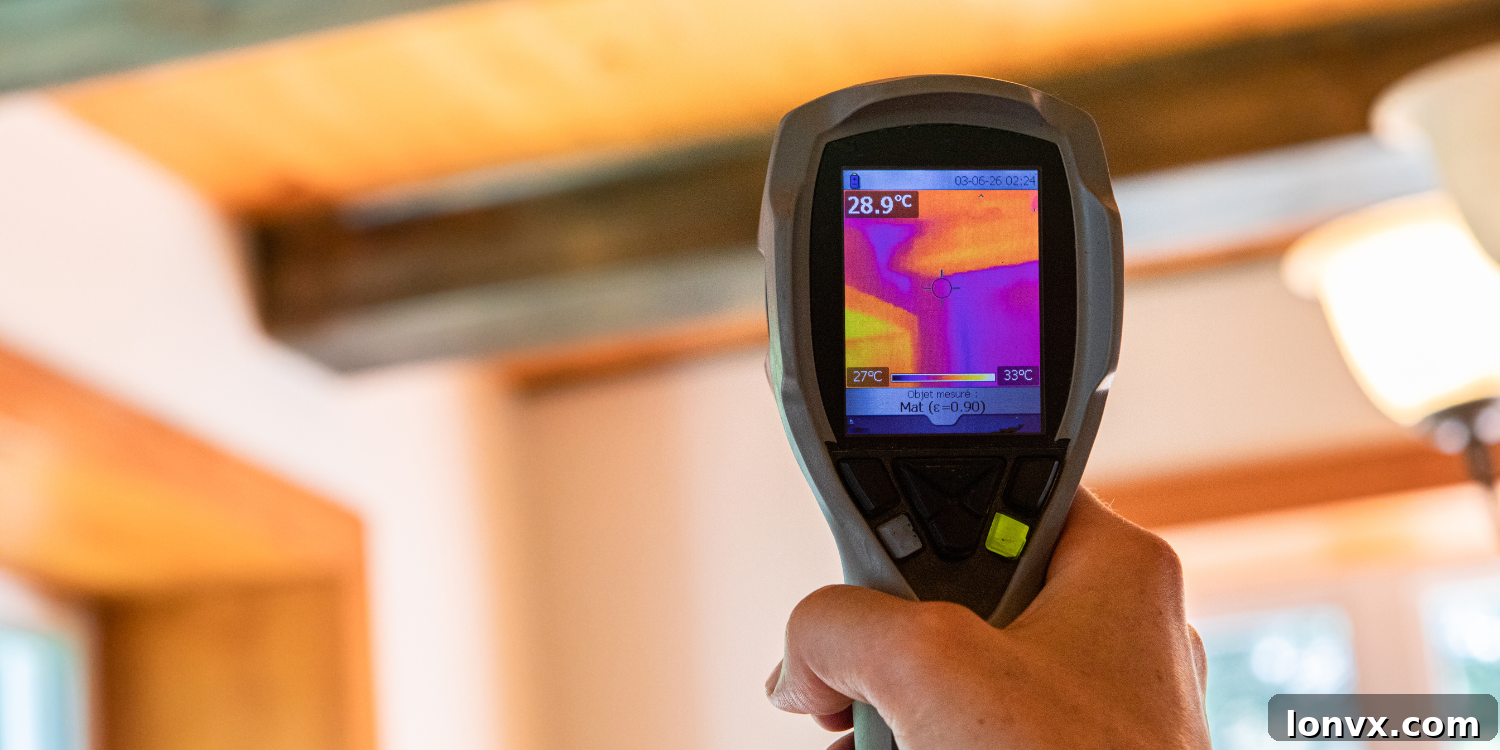
The Vital Importance of Indoor Air Quality: Protecting Your Home and Health
In an increasingly environmentally conscious world, discussions often focus on the quality of the air we breathe outdoors. However, a more intimate and often overlooked aspect of our environment is the air within our homes, offices, and other indoor spaces. Indoor Air Quality (IAQ) significantly impacts our health, comfort, and overall well-being. From the widespread concern over outdoor air quality, exacerbated by events like devastating forest fires that can blanket vast regions in smoke, to the subtle, invisible threats residing within our dwellings, understanding and proactively managing IAQ has become an imperative.
For individuals considering a new property, assessing its IAQ is as critical as scrutinizing its structural integrity or electrical systems. Existing homeowners, too, can reap immense benefits from regular IAQ evaluations, ensuring their living environment remains safe and conducive to health over time. Furthermore, for those looking to sell a property, a current and positive IAQ report can serve as a powerful selling point, demonstrating due diligence and care regarding potential issues such as mold growth and Volatile Organic Compounds (VOCs). This attention to detail isn’t limited to older homes; even newer constructions can suffer from poor air quality due to a multitude of factors.
Why Indoor Air Quality is a Cornerstone of a Healthy Home
Considering the vast amount of time we spend indoors – typically up to 90% of our day – the quality of the air in these enclosed environments holds immense sway over our health. Substandard IAQ is not merely a minor inconvenience; it can precipitate a wide array of health complications, diminish cognitive function, impair productivity, and even subtly erode property value. Modern building practices, often prioritizing energy efficiency through tighter seals and reduced ventilation, can inadvertently trap pollutants inside, leading to concentrations that frequently surpass outdoor levels.
Common Contaminants That Compromise Your Indoor Air
Numerous elements can degrade the air quality within your home. These typically fall into several categories:
- Biological Agents: This category includes allergens like mold, mildew, bacteria, viruses, dust mites, pollen, and pet dander. These can trigger allergic reactions, asthma attacks, and other respiratory ailments.
- Chemical Pollutants: A broad group encompassing Volatile Organic Compounds (VOCs), formaldehyde, pesticides, carbon monoxide (CO), nitrogen oxides (NOx), and other synthetic chemicals released from household products and building materials.
- Particulate Matter (PM): Microscopic solid particles or liquid droplets suspended in the air. Sources range from dust, smoke, soot, and fibers from insulation to outdoor pollution infiltrating indoors. PM2.5 (particles smaller than 2.5 micrometers) are particularly dangerous as they can penetrate deep into the lungs.
- Radon Gas: An invisible, odorless, radioactive gas that occurs naturally in soil and rocks and can seep into homes through cracks in foundations. It is a leading cause of lung cancer in non-smokers.
- Improper Humidity Levels: Both excessively high humidity (which fosters mold and dust mite proliferation) and overly low humidity (which can cause respiratory and skin irritation) can adversely affect IAQ.
Understanding What Indoor Air Quality Testing Entails
Given that many of the most detrimental indoor air contaminants are imperceptible to our senses, professional IAQ testing offers an indispensable means of revealing the true health of your home’s environment. This typically affordable service culminates in a clear, comprehensive summary report, enabling clients to swiftly understand existing conditions and identify specific areas that may necessitate further investigation or remediation.
Key Measurements in a Comprehensive IAQ Assessment:
1. Detection and Quantification of Mold Spores
Mold is a prevalent and serious concern in many residences, frequently flourishing in damp and humid conditions. While some mold colonies are visibly apparent, significant growth can remain concealed behind walls, beneath flooring, or within attics and crawl spaces. Airborne mold spores, which are microscopic, are notorious triggers for allergic responses, asthma exacerbations, and various other respiratory issues. Instead of opting for potentially expensive and often unnecessary invasive lab work for precise mold species identification, a more practical and less costly alternative is a detailed air quality and mold detection survey. This method effectively measures the concentration of mold spores and other particulate matter across different rooms, providing strong indicators of hidden growth and problematic areas without the need for extensive, premature demolition.
2. Analysis of Volatile Organic Compounds (VOCs)
VOCs represent a diverse class of organic chemicals that readily convert into gases at typical room temperatures, releasing them into the surrounding air. It is a well-established fact that indoor concentrations of most VOCs are substantially higher than those found outdoors. IAQ testing accurately quantifies these compounds, pinpointing their potential sources and assessing their levels within your home.
These compounds are often responsible for familiar scents such as the “new car smell” or the distinct aroma of fresh paint. While certain VOCs are relatively benign, many possess considerable health implications, even at low concentrations. For instance, the characteristic musty odor frequently associated with mold is, in fact, caused by Microbial Volatile Organic Compounds (MVOCs), which are metabolic byproducts released by the mold itself.
3. Measurement of Particulate Matter (PM2.5 and PM10)
A crucial component of IAQ testing involves the evaluation of particulate matter – minute solid particles or liquid droplets suspended in the air. This category includes common elements like dust, pollen, pet dander, and microscopic byproducts of combustion processes. Of particular concern are PM2.5 (particles measuring less than 2.5 micrometers in diameter) and PM10 (particles smaller than 10 micrometers). Their microscopic size allows them to be inhaled deep into the respiratory system, where they can cause severe respiratory ailments, cardiovascular problems, and other systemic health issues.
4. Evaluation of Other Critical Contaminants (Tailored to Specific Needs)
- Carbon Monoxide (CO): An insidious, odorless, colorless, and exceedingly toxic gas resulting from incomplete combustion. Common indoor sources include malfunctioning furnaces, gas stoves, water heaters, and vehicle exhaust from attached garages.
- Radon Gas: A naturally occurring radioactive gas that emanates from the earth. It is recognized as the second leading cause of lung cancer, surpassed only by smoking.
- Carbon Dioxide (CO2): While not typically a direct health hazard at common indoor concentrations, elevated CO2 levels often serve as a strong indicator of insufficient ventilation, which in turn can lead to an accumulation of more harmful pollutants.
- Humidity and Temperature: These environmental parameters are vital, as they significantly influence the proliferation of mold and dust mites, and directly impact the comfort and perception of air quality for occupants.
A Closer Look at Volatile Organic Compounds (VOCs) and Their Impact
VOCs are pervasive in our modern indoor environments, continuously off-gassing from an extensive array of common household products and building materials. Their presence frequently goes undetected until occupants begin to experience subtle, or even severe, health symptoms.
Ubiquitous Sources of VOCs Within Your Home:
- Construction Materials and Furnishings: Newly installed carpeting, vinyl flooring, particleboard, plywood, various adhesives, caulks, sealants, paints, varnishes, lacquers, and even some types of insulation are prone to off-gassing VOCs, particularly when new. Formaldehyde is a notorious VOC often found in pressed wood products and certain insulation materials.
- Cleaning and Maintenance Products: A vast number of household cleaners, disinfectants, air fresheners, laundry detergents, and furniture polishes contain various VOCs.
- Personal Care and Hygiene Products: Everyday items such as perfumes, hairsprays, deodorants, nail polish, nail polish removers, and certain cosmetics contribute to the overall indoor VOC burden.
- Hobby and Craft Supplies: Glues, solvents, paints, markers, and other chemicals utilized in arts, crafts, and hobbies are significant, often concentrated, sources of VOC emissions.
- Office and Electronic Equipment: Copying machines, printers, fax machines, and even correction fluids can emit VOCs into the surrounding air during operation and even when idle.
- Combustion Byproducts: The burning of various fuels, including natural gas, wood, kerosene, and the combustion of tobacco products, releases a complex mixture of VOCs, alongside carbon monoxide and particulate matter.
- Dry-Cleaned Garments: Clothing recently returned from dry cleaning establishments can off-gas residual dry cleaning fluids, which are often high in VOCs like perchloroethylene.
The rate and quantity of VOCs released can vary significantly. Emissions are typically highest when products are new or during and immediately following their use. While the emission rate generally diminishes over time as products age or chemicals dissipate, some materials can continue to off-gas at lower levels for extended periods.
The Profound Health Ramifications of VOCs and Subpar IAQ
Exposure to VOCs and generally poor indoor air quality can lead to a broad spectrum of health issues, ranging from mild, transient irritations to severe, chronic debilitating conditions. The precise nature and severity of these health effects are contingent upon several critical factors, including the specific concentration of VOCs, the duration of exposure, and an individual’s unique sensitivity and health status.
Acute (Short-Term) Health Effects of Exposure:
Even relatively low levels of VOCs can rapidly trigger immediate symptoms, particularly in sensitive individuals. These acute responses often include:
- Irritation of the eyes, nose, and throat
- Headaches, ranging from mild to severe migraines
- Feelings of nausea and occasional vomiting
- Dizziness, lightheadedness, and disorientation
- Profound fatigue and difficulties with concentration
- Skin irritation, rashes, or other dermatological responses
- Shortness of breath or the exacerbation of pre-existing asthma symptoms
Chronic (Long-Term) Health Effects of Prolonged Exposure:
Sustained or repeated exposure to elevated levels of certain VOCs can culminate in far more serious and enduring health problems. These chronic conditions may encompass:
- Significant damage to vital organs such as the liver, kidneys, or the central nervous system
- Development of chronic respiratory conditions, including persistent asthma, bronchitis, and other lung diseases
- An increased lifetime risk of developing certain types of cancers (several VOCs, most notably benzene and formaldehyde, are classified as known or suspected human carcinogens)
- Potential reproductive health issues and adverse pregnancy outcomes
- Developmental problems and impaired cognitive function in children, who are particularly vulnerable
Certain demographic groups are disproportionately susceptible to the adverse effects of poor IAQ. This includes young children, the elderly, individuals with pre-existing respiratory conditions (such as asthma, allergies, or Chronic Obstructive Pulmonary Disease – COPD), and those with compromised immune systems. Gaining a clear understanding of your home’s IAQ is therefore a fundamental and proactive measure towards safeguarding the health and vitality of all its occupants.
Actionable Strategies to Significantly Improve Your Home’s Indoor Air Quality
While professional IAQ testing provides an invaluable baseline and diagnostic tool, there are numerous practical and effective measures homeowners can implement to dramatically enhance the air quality they breathe every day.
1. Optimize and Enhance Ventilation
Increasing the regular exchange between indoor and outdoor air is paramount. Make it a habit to open windows and doors frequently, particularly when engaging in activities like using strong cleaning products or during and after cooking. Always utilize exhaust fans in bathrooms to remove moisture and in kitchens to vent cooking fumes. For modern, airtight homes, consider investing in a mechanical ventilation system such as a heat recovery ventilator (HRV) or an energy recovery ventilator (ERV), which provide continuous fresh air without significant heat loss or gain.
2. Rigorous Control of Pollutant Sources
The most impactful strategy is to eliminate or substantially reduce the sources of pollution at their origin. Whenever possible, select low-VOC or no-VOC paints, finishes, and building materials. Opt for natural, unscented cleaning products, or consider making your own with simple ingredients like white vinegar and baking soda. Absolutely avoid smoking indoors and ensure adequate ventilation when operating gas stoves, ovens, or wood-burning fireplaces. Store all chemicals, paints, and solvents in a well-ventilated area, ideally in an outdoor shed or detached garage, to prevent off-gassing into your living spaces. Allow new furniture, particularly items made with pressed wood, and new carpeting to off-gas in a well-ventilated area for a few days before bringing them into occupied rooms.
3. Proactive Humidity Management to Prevent Mold
Maintain indoor humidity levels consistently between 30% and 50% to effectively inhibit the growth of mold and deter dust mites. Employ dehumidifiers in inherently damp areas like basements or in homes located in humid climates. Address any leaks, water intrusions, or water damage immediately; clean and thoroughly dry affected surfaces within 24-48 hours to prevent mold spores from taking root and flourishing. Ensure that your home’s exterior drainage directs water away from the foundation.
4. Consistent Cleaning and Maintenance Regimen
Regular and thorough cleaning is essential to remove accumulated dust, allergens, and other particulate matter. Use a vacuum cleaner equipped with a High-Efficiency Particulate Air (HEPA) filter to capture fine particles effectively, preventing their recirculation. Dust surfaces regularly with a damp cloth, which traps particles instead of scattering them. Frequently wash bedding, curtains, and rugs. Clean or replace HVAC filters monthly or as recommended by the manufacturer, and arrange for your entire heating, ventilation, and air conditioning system to be professionally serviced annually.
5. Strategic Use of Air Purification Systems
While source control and robust ventilation remain the primary strategies, a high-quality air purifier equipped with a HEPA filter and an activated carbon filter can significantly augment these efforts. Such devices effectively remove airborne particles, common allergens, and a range of VOCs. Position air purifiers in rooms where occupants spend the most time, such as bedrooms, living areas, and home offices.
6. Test for Radon Gas
Given that radon is both odorless and colorless, the only reliable method to detect its presence is through testing. Radon test kits are widely available and typically inexpensive. If tests reveal elevated radon levels, professional mitigation systems can be installed to effectively reduce its concentration to safe levels, protecting your family from this serious health hazard.
Conclusion: Breathing Easier, Living Healthier
Indoor air quality stands as a fundamental pillar of a truly healthy home and, by extension, a healthy life. While often unseen and unnoticed, the insidious impact of poor IAQ can be profound, influencing everything from our daily comfort and productivity to our long-term health trajectories. By equipping ourselves with knowledge about common indoor pollutants—ranging from pervasive mold and microscopic particulate matter to the ubiquitous threat of Volatile Organic Compounds—and by actively implementing proactive mitigation strategies, homeowners are empowered to take decisive steps towards cultivating a safer, cleaner, and far more breathable living environment.
Engaging in regular professional IAQ testing not only offers invaluable peace of mind but also provides a clear, actionable roadmap for effectively addressing any specific concerns or identified issues. Empowering yourself with this vital knowledge and committing to decisive action means more than merely improving the air you breathe; it represents a significant, long-term investment in the enduring health, vitality, and well-being of your family for many years to come. Make indoor air quality an absolute priority, and you can breathe easier, knowing you have created a truly healthy and nurturing home environment.