Halifax Leads Canada’s Luxury Real Estate Surge: A Deep Dive into Market Trends and Challenges
Canada’s luxury real estate market is demonstrating remarkable resilience and dynamic shifts, with Halifax, Nova Scotia, rapidly ascending as a pivotal hotbed for high-end properties. A recent mid-year 2023 Canadian Luxury Real Estate Market Report from Engel & Völkers provides comprehensive insights, combining expert local realtor observations with robust market data to paint a picture of sustained demand against a backdrop of tightening inventory.
This in-depth analysis focuses on homes priced over $1 million across Canada’s most sought-after markets, revealing not just transactional data but also underlying socioeconomic forces reshaping the landscape for discerning buyers and sellers alike. The report underscores that despite global economic headwinds, premium real estate segments continue to exhibit robust performance, driven by unique domestic dynamics and evolving buyer priorities.
Halifax Emerges as a Key Player in Canada’s Luxury Sector
Halifax’s journey to becoming a luxury real estate hotspot is particularly noteworthy. The Engel & Völkers report highlights a dramatic increase in the market share of single-family homes exceeding $1 million. In the first half of 2023, these luxury residences accounted for nearly 10% of the market, a significant jump from just 4.6% in 2022. This upward trajectory firmly establishes Halifax as a market to watch, signaling a new era of affluence and demand in the Maritimes.
Donna Harding, License Partner at Engel & Völkers Nova Scotia, attributes this surge to Halifax’s impressive population growth. “Halifax’s population stood at 480,523 as of January, and we are on a trajectory to reach one million people by 2025,” she notes. Crucially, a substantial 74.4% of new residents were aged 15 to 44, representing the largest segment ever recorded for this age group. Many of these newcomers are migrating from more expensive markets such as Ontario, Vancouver, and Alberta, bringing with them substantial home equity. This influx of capital and buyer confidence is directly translating into competitive bidding, with multiple offers becoming common in the $1 million to $3.99 million luxury segment, as well as across the conventional market.
While the overall sales volume in Halifax saw a slight dip, the average sold price for homes above $1 million defied expectations, growing by 3.2% year-over-year. This growth is a testament to the market’s inherent strength, fueled by critically limited inventory and unwavering buyer demand. The city’s blend of coastal charm, a burgeoning economy, and a relatively more accessible luxury price point compared to its larger Canadian counterparts continues to attract a diverse range of high-net-worth individuals seeking both lifestyle and investment opportunities.
Resilience and Growth Across Major Canadian Luxury Markets
Beyond Halifax, Canada’s other prominent luxury markets also showcased remarkable resilience and growth. Anthony Hitt, President and CEO of Engel & Völkers Americas, remarks, “Quality inventory on the market has sold quickly, with homes commanding multiple offers, despite the current climate. Interest rate changes have had negligible effects on premium markets because buyers tend to pay a large portion of home equity upfront. The availability of luxury real estate in Canada continues to shrink, further fueling demand.” This sentiment underscores a common theme: the high-end market often operates with different drivers than the broader housing sector, less susceptible to fluctuations in lending rates.
Montreal’s Enduring Appeal
Montreal, a city renowned for its European charm and cultural richness, has seen its luxury market flourish, particularly in prestigious neighborhoods like Westmount and Outremont. These areas have experienced a notable increase in average home values, surging by almost $1 million over the past decade. This consistent appreciation reflects Montreal’s enduring desirability, attracting a sophisticated clientele who value historic architecture, vibrant urban living, and exclusive community amenities.
Ottawa’s Stable Ascent
Canada’s capital, Ottawa, has also witnessed a steady climb in its luxury housing sector. Homes priced between $1 million and $3.99 million saw a 3% increase in value from January to June 2023. Ottawa’s robust and stable economy, largely driven by government employment and a growing technology sector, provides a solid foundation for its luxury market, appealing to professionals seeking stability and a high quality of life.
Toronto’s Dynamic Landscape
As Canada’s largest financial hub, Toronto’s luxury real estate market remains a powerful force. The average sold prices for homes in the $1 million to $3.99 million range increased by 3.7% compared to the beginning of the year. Despite its already elevated price points, Toronto continues to attract both domestic and international investors, driven by its diverse economy, world-class amenities, and continuous population growth. The city’s status as a global city ensures sustained demand for premium properties.
Vancouver’s Market Nuances
Vancouver’s luxury home market, known for its breathtaking natural beauty and international appeal, displayed a nuanced performance. While homes in the $1 million to $3.99 million range experienced a 5.59% dip from their February 2022 peak, Engel & Völkers interprets this as a sign of a resilient market normalizing after an exceptional surge. Vancouver’s extremely limited buildable land and strong international reputation continue to underpin its high-end property values, making it a compelling market despite short-term adjustments.
Hitt further elaborates on this resilience, stating, “Premium markets are proving their resiliency to market fluctuations, showing steady growth and stability. This is in part due to sellers holding off on listing properties while real estate markets return to typical seasonal patterns.” This suggests a strategic approach by luxury homeowners, preferring to wait for optimal conditions rather than rushing to sell in a fluctuating environment, thus contributing to constrained inventory.
The Evolving Role of Real Estate: Intergenerational Wealth Transfer
A significant trend highlighted in the report is the increasing role of real estate as a generational asset in Canada, mirroring practices long established in European markets. Intergenerational wealth transmission through family properties is rapidly gaining momentum, reshaping market dynamics and access to homeownership. This trend is propelled by several interconnected factors:
- Limited Property Availability: The chronic shortage of housing stock across Canada makes existing properties more valuable as family assets.
- Unaffordable Prices for First-Time Buyers: Skyrocketing home prices have made it nearly impossible for many millennials to enter the market without significant financial assistance.
- Inadequate Inventory for Downsizing Baby Boomers: Paradoxically, while many baby boomers wish to downsize, they struggle to find suitable smaller properties, leading them to retain their existing homes.
This shift signifies a fundamental change in how real estate is viewed—not merely as a commodity but as a cornerstone of family legacy and financial security, passed down to ensure future generations have access to property ownership in an increasingly challenging market.
Baby Boomers and Millennials: A Symbiotic Relationship in Housing
The report delves deeper into the intriguing interplay between baby boomers and millennials within this intergenerational transfer. Despite their desire to downsize, baby boomers frequently encounter challenges in finding appropriate inventory, such as large condos or single-level bungalows, forcing many to remain in their current, often larger, family homes. This reluctance to move contributes directly to the supply crunch in the market.
Conversely, millennials, grappling with unprecedented affordability challenges, are increasingly receiving substantial financial support from their baby boomer parents. This support often extends beyond traditional inheritance, taking the form of significant contributions towards mortgage down payments and monthly payments. This growing phenomenon is driven by a deep-seated belief that real estate represents a stable and profitable investment, offering superior long-term benefits compared to the stock market. For many parents, aiding their children in securing a home is seen as a prudent investment in their future, preventing them from being perpetually tied to the rental market and instead building equity.
Persistent Hurdles: Land and Labor Shortages Impede Affordability
Despite the resilience of the luxury market, home affordability remains a persistent and critical issue across Canada’s major cities. This challenge is multifaceted, stemming from both land and labor supply constraints. A significant contributing factor is the severe shortage of available homes, exacerbated by a lack of buildable land in highly desirable urban centers like Montreal, Toronto, and Vancouver.
Scarcity of Buildable Land
A recent study by the Toronto Metropolitan University’s Centre for Urban Research & Land Development revealed a critical shortage of “shovel-ready” land for ground-related housing in the Greater Golden Horseshoe region. This issue isn’t limited to Toronto; strict zoning regulations, inadequate infrastructure planning, and public resistance to increased density (often referred to as NIMBYism) collectively restrict the supply of new housing across many urban areas, pushing up land values and, consequently, home prices.
Construction Industry Challenges
Adding to the supply-side woes, the construction industry is battling a severe scarcity of skilled labor and tradespeople. An aging workforce, coupled with a lack of new entrants into skilled trades, leads to significant project delays, increased construction costs for developers, and ultimately, higher prices for consumers. This labor shortage creates a bottleneck in the housing supply chain, preventing the market from responding adequately to growing demand and exacerbating the affordability crisis.
Unintended Consequences: Canada’s Foreign Buyer Ban and Global Talent
The report also sheds light on another complex issue with unintended consequences: Canada’s foreign homebuyer ban, formally known as the “Prohibition on the Purchase of Residential Property by Non-Canadians Act.” While the federal government has introduced amendments to allow some work permit holders to purchase homes and vacant land, provincial taxes continue to create significant barriers for high-net-worth individuals. Ontario’s 25% non-resident speculation tax, for instance, remains a formidable obstacle, deterring international professionals from settling permanently.
According to Engel & Völkers, this regulatory environment often forces highly qualified professional athletes and executives to rent rather than buy homes. This situation creates friction for organizations striving to attract top-tier global talent to Canada, potentially undermining the country’s competitiveness on the international stage. The ban, intended to curb speculative foreign investment and improve housing affordability, inadvertently makes Canada less attractive for skilled individuals who seek the stability and benefits of homeownership, raising questions about its long-term efficacy and overall economic impact.
Conclusion: A Complex Yet Resilient Luxury Market
The mid-year 2023 Canadian Luxury Real Estate Market Report from Engel & Völkers paints a nuanced picture of a market defined by both extraordinary growth and persistent challenges. Halifax stands out as a burgeoning luxury destination, fueled by inward migration and strong buyer confidence. Across major cities, premium markets demonstrate remarkable resilience, often decoupled from broader economic headwinds, driven by unique supply-demand dynamics and strategic seller behavior.
However, the report also highlights critical underlying issues: the transformative trend of intergenerational wealth transfer, which increasingly shapes market access; persistent affordability challenges exacerbated by land and labor shortages; and the complex, at times counterproductive, impacts of policies like the foreign buyer ban on attracting global talent. Understanding these intricate layers is crucial for navigating Canada’s luxury real estate landscape, which continues to evolve as a vital component of the nation’s economic and social fabric.
For a comprehensive understanding, read the full 2023 Mid-Year Canadian Luxury Real Estate Market Report.
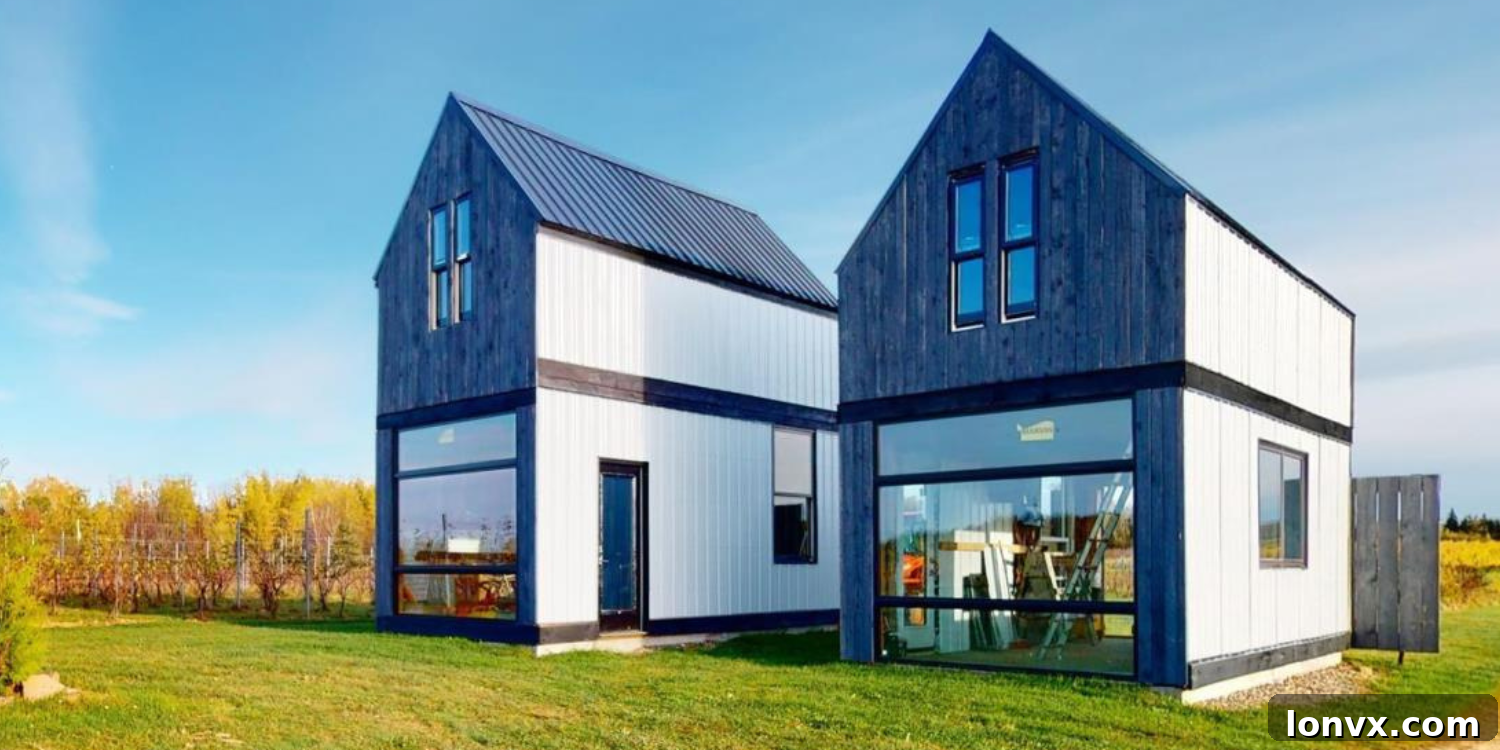
Feature image: 11140 Highway 1, courtesy Engel & Völkers Nova Scotia
Get the latest news directly in your inbox
Join industry leaders getting the latest news right in your inbox 3x per week!