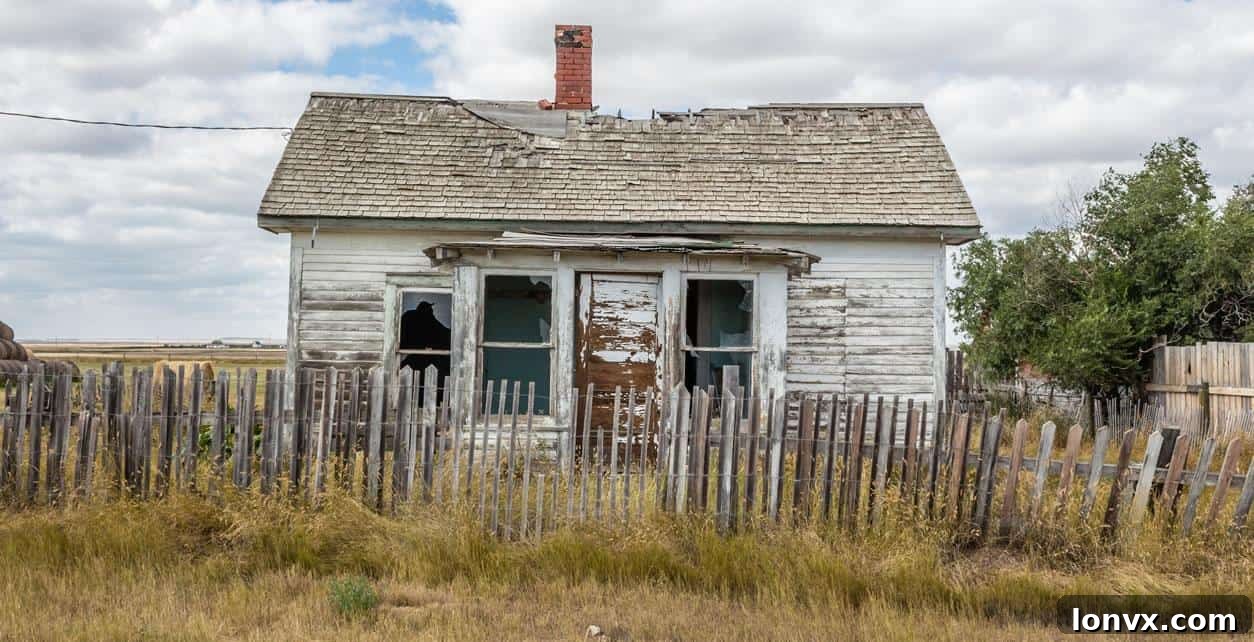
The Art of Intentional Undesirability: A Humorous Guide to Ditching Your Home Sale (Especially During Foreclosure)
In an ideal world, the journey of homeownership is a smooth, upward trajectory, culminating in a peaceful retirement within the walls of your cherished dream home. However, reality often presents unforeseen detours, and sometimes, life throws a curveball that leaves homeowners teetering on the edge of an unfortunate foreclosure sale. For many, this prospect is daunting, a financial and emotional upheaval. But what if, in a moment of sheer desperation or perhaps a highly unconventional strategic maneuver, a homeowner decided to take matters into their own hands and actively deter any potential buyers? This article delves into a satirical, tongue-in-cheek exploration of how one might (hypothetically, of course) transform a property into the most profoundly undesirable piece of real estate on the market, effectively sabotaging a sale.
During my tenure as a real estate agent, I frequently encountered prospective buyers with a keen interest in foreclosure properties. Their hope, almost universally, was to secure a fantastic deal, perhaps acquiring a home for “pennies on the dollar.” What many failed to grasp until they actually toured some of these listings was the often-stark reality: these homes had, shall we say, frequently undergone a significant and spontaneous “devaluation” process. It wasn’t always intentional neglect; sometimes, it seemed almost like a performance art piece designed to scare away even the most bargain-hungry investor. This observation sparked a curious thought: could there be an unwritten, underground syllabus for homeowners determined to make their property utterly repulsive to the market, perhaps as a last-ditch effort to stall or prevent a foreclosure? This fictional “curriculum” offers a playful glimpse into such an audacious strategy.
The Foreclosure Conundrum: When Selling Isn’t An Option
The concept might seem absurd to most. Why would anyone actively sabotage the sale of their own home, especially when facing the pressures of foreclosure? The reasons, though complex and often emotionally charged, could range from a desperate attempt to buy more time, a protest against the process, or even a deep, sentimental attachment to the property that makes letting go unbearable. Whatever the underlying (and often irrational) motivation, the goal is singular: render the home so unappealing that no rational buyer would dare make an offer. While these strategies are presented purely for comedic effect and should never be taken as genuine advice, they offer a creative, albeit dark, look at the extremes one might imagine in such trying circumstances.
Unconventional Strategies for Ultimate Undesirability
Let’s dive into our masterclass of market repellent, a series of lessons designed to turn even the most promising property into a buyer’s worst nightmare. These tactics aim to assault the senses, challenge common decency, and sow seeds of profound doubt and discomfort in the minds of anyone brave enough to step through the front door.
Lesson #1: Crafting the Uninviting Abode – A Sensory Assault
The first impression is paramount, and our goal is to ensure it’s overwhelmingly negative. Begin by transforming every room into a high-security zone mixed with a house of horrors. Install an abundance of dummy surveillance cameras, ensuring they are prominently displayed with aggressively blinking red lights. Pair these with motion-sensitive floodlights, strategically aimed at eye-level to momentarily blind and disorient potential purchasers as they navigate the property. But why stop there? Elevate the psychological discomfort with motion-activated oil paintings. These aren’t just any portraits; they depict angry, stern-faced family members whose eyes eerily follow visitors as they move through the room. To complete the ambiance, integrate hidden speakers that play unsettling, judgmental sounds – think exasperated “harumphing” noises followed by a continuous loop of disapproving “for shame, tsk tsk tsk.” The goal is to make buyers feel as though they are under intense scrutiny and judgment from the moment they arrive.
Lesson #2: Strategic Nuisance Integration – External and Internal Disruptions
If your home isn’t naturally positioned next to a perpetually barking, Costco-sized dog kennel, a bustling freight train coupling yard, or an overgrown field rumored to be frequented by a zombie apocalypse fan club reenacting scenes from The Walking Dead, fear not! Creative integration is key. Consider ways to bring these elements, or their equivalents, directly into the home’s vicinity. Perhaps a strategically placed, perpetually running generator for noise, or a subtle but persistent smoke machine that gives off a faint, industrial odor. For bonus points in the “ultimate devaluer” game, consider introducing elements of genuine peril or extreme creepiness: a kiddie pool filled with rubber crocodiles in the backyard, subtly hidden (but easily discovered) trap doors in unexpected places, and the pièce de résistance – unidentifiable, unsettling odours that permeate the entire structure. These aren’t just bad smells; these are smells that trigger primal fear and disgust, leaving buyers questioning the very history and future of the property.
Lesson #3: The Macabre Dining Room – A Surgical Nightmare
The dining room, traditionally a space for communal meals and joyful gatherings, presents a unique opportunity for extreme reimagining. Remove all conventional furniture and, instead, meticulously set up the space to resemble a working, albeit deeply unsettling, surgeon’s operating room. Crucially, eschew professional, sterile surgical instruments. Instead, artfully arrange a collection of rusty, oversized tree saws, a menacing harpoon, and a wide variety of dull, mud-caked gardening shears on a makeshift operating table. Splatter some theatrical blood (non-toxic, of course, but visually convincing) on the floor and walls to complete the gruesome tableau. The objective is to evoke a sense of horror and deep unease, ensuring that buyers can envision anything but pleasant dinner parties taking place here.
Lesson #4: Human-Centric Scarecrows – A Horror Movie Showcase
Forget birds; our scarecrows are designed to terrorize humans. Strategically distribute a group of progressively more frightening live-action scarecrows throughout the home. These aren’t your typical straw figures; they should be designed with an unnervingly human likeness, drawing inspiration from iconic horror movie characters. Imagine Jigsaw from Saw seated menacingly in the living room, Michael Myers from Halloween lurking silently in a hallway, and perhaps, for an extra layer of psychological disturbance, an eerily lifelike (and slightly distorted) Elsa from Disney’s Frozen staring blankly from a bedroom window. Each figure should be positioned to maximize surprise and discomfort, ensuring that buyers never feel truly alone or safe within the property.
Lesson #5: Abandon All Hope – The Psychological Barrier
Sometimes, a direct, unequivocal message is the most effective deterrent. Affix large, bold posters to the front door and strategically placed interior doors proclaiming, “Abandon hope all ye who enter here.” This classic, foreboding phrase from Dante’s Inferno serves as an immediate psychological barrier, targeting potential purchasers who might already be on the fence. The mere suggestion of impending doom or inescapable despair can be remarkably effective in discouraging even the most resilient buyer, causing them to question the wisdom of proceeding further into such a clearly cursed abode.
Lesson #6: Canine Chaos in the Foyer – A Pet Project Gone Wrong
Transforming the front entry and living room into a semi-permanent, high-traffic dog-walking rental space is a stroke of genius. Advertise widely that pet-walkers can utilize this area, explicitly advising them that there is “no need to pick up after the pets.” The resulting accumulation of canine waste, coupled with the lingering odors and potential for unexpected “surprises” underfoot, will create an intensely unpleasant and unsanitary environment. The visual, olfactory, and tactile assault will send even the most hardened real estate investor running for the hills, ensuring that the property is memorable for all the wrong reasons.
Lesson #7 & #8: The Musical Monuments – An Aural Torture
These two lessons can be combined for maximum impact. Commission two identical, slightly tacky plaques to be prominently posted on the front lawn. The first declares: “National Historical Site – Birthplace Of Celine Dion, Recordings Of My Heart Will Go On MUST Repeat 24 Hours.” The second, equally egregious: “National Historical Site – Birthplace Of Nickelback, Recordings Of Greatest Hit(s) MUST Repeat 24 Hours.” Crucially, ensure the speaker system broadcasting these continuous loops is cheap, crackly, and distorted, exacerbating the auditory torment. The relentless, inescapable sound of these specific, and often divisive, musical artists, coupled with the absurd historical claim, will not only drive away potential buyers but likely annoy the entire neighborhood, making the property infamous.
Lesson #9: Architectural Anarchy – The Upside-Down House
For a truly disorienting and unsettling effect, embark on a project of “architectural anarchy.” Remove all cabinets, light fixtures, crown mouldings, and carpeting. Then, with painstaking effort, reinstall them in reverse, or in deliberately illogical orientations. Cabinets could be upside down, light fixtures pointing at the floor, crown mouldings installed along the baseboards, and carpeting haphazardly laid on the walls. The overall impression should be that the home was either built entirely upside down or has recently undergone a seismic event that rearranged its fundamental elements. This visual confusion and sense of structural instability will ensure that buyers quickly lose their bearings and their interest.
Lesson #10: Manifesting the Supernatural – A Hauntingly Bad Sale
No list of property devaluation tactics would be complete without a full embrace of the supernatural. Provide sufficient, fabricated evidence that the house is unequivocally haunted. This could range from strategically placed “ectoplasm” (slime), unexplained cold spots (portable AC units on low), and eerie whispers (hidden speakers with white noise or muffled voices). Consider timing these ghostly manifestations to coincide perfectly with the newest release in the Ghostbusters movie franchise, leveraging public interest in the paranormal. The goal is to make buyers genuinely believe they are stepping into a realm inhabited by restless spirits, transforming a mere house tour into a terrifying encounter.
Lesson #11: Imminent Structural Collapse – The Sinking Sensation
To seal the deal on ultimate undesirability, add a chilling, pseudo-scientific disclaimer to the back page of the listing sheet. This document should gravely confirm “evidence” that the home was built entirely on loose silt and is expected to sink fully below the property grade within two weeks of an accepted offer. To lend an air of unassailable scientific authority, include a large, stark red arrow pointing dramatically downwards, accompanied by fabricated geological diagrams. The psychological impact of purchasing a home that is guaranteed to disappear into the earth within days is immense, ensuring that even the most daring investor will think twice, or even ten times, before making an offer on such a doomed property.
While these elaborate and utterly absurd strategies are presented purely for comedic effect, they highlight the desperate, sometimes irrational, lengths one might imagine in the face of losing a beloved home to foreclosure. It’s a whimsical journey into the dark corners of real estate desperation, reminding us that sometimes, reality can be stranger, and funnier, than fiction.