Choosing the Right Water Heater: A Comprehensive Guide to Conventional, Tankless, and Solar Systems
Hot water is an indispensable part of modern living, essential for everything from showering and washing dishes to laundry and general sanitation. When it comes to ensuring a reliable supply of hot water in your home, there are three primary types of water heaters to consider: conventional tank-style, tankless (or on-demand), and solar. Each system offers unique advantages and disadvantages, operating on different principles and utilizing various energy sources. Understanding these distinctions is crucial for making an informed decision that aligns with your household’s specific needs, budget, energy efficiency goals, and environmental considerations.
Understanding Conventional Tank-Style Water Heaters
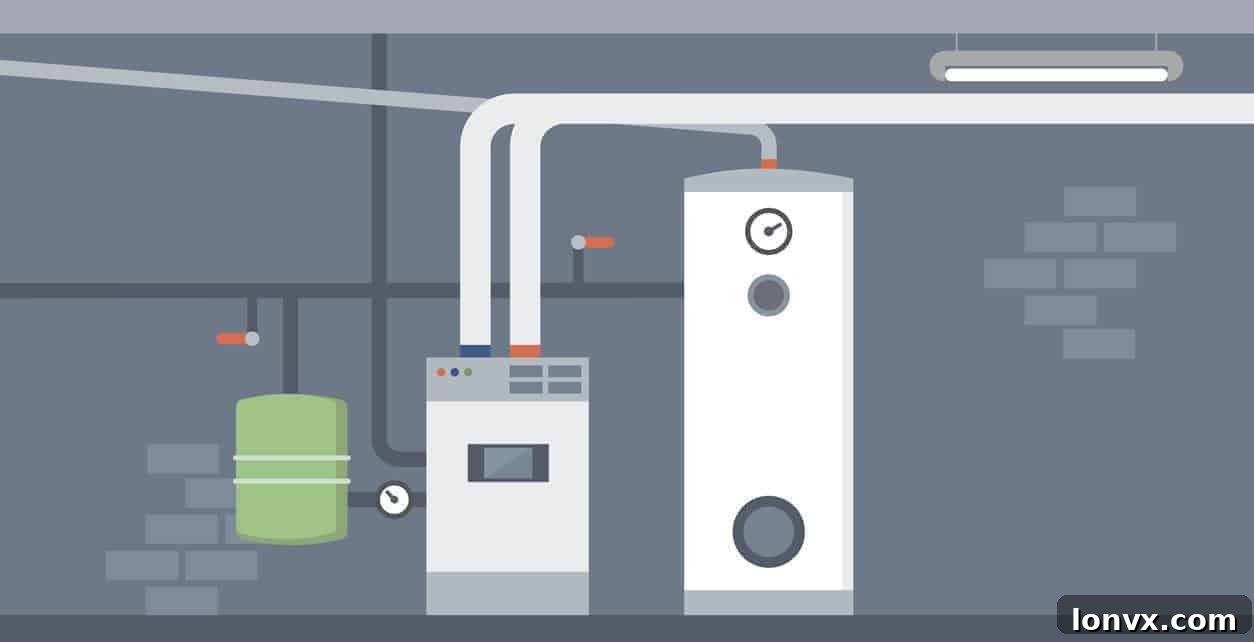
The conventional tank-style water heater is perhaps the most common and recognizable type, a staple in homes for decades. This system works by heating and storing a large volume of water in an insulated tank, ready for use whenever a hot water tap is turned on. Once the stored hot water is depleted, the unit must then reheat a fresh batch, a process known as recovery time.
How Conventional Water Heaters Work
Conventional tank-style water heaters can be powered by a variety of fuel sources, offering flexibility depending on what is available and most cost-effective in your area. Common options include electricity, natural gas, propane, oil, or even wood. The internal workings vary slightly based on the fuel type:
- Fuel-Fired Models (Natural Gas, Propane, Oil, Wood): These units are equipped with a burner located at the bottom of the tank. When the thermostat senses that the water temperature has dropped below the set point, the burner ignites, heating the water from below. The hot exhaust gases typically travel through a flue pipe either positioned in the middle of the tank or around the outside, safely venting to the exterior of the home.
- Electric Models: Electric tank-style water heaters feature one or more electric heating elements submerged directly inside the tank. These elements directly heat the water. Due to the absence of exhaust gas generation and venting, electric tank-style water heaters are generally quite efficient, often achieving 80 percent to 90 percent efficiency in converting electricity into heat.
The tank’s water capacity is a critical factor, directly influencing how much hot water is available at any given time. Common capacities typically range from 150 to 230 liters (approximately 40 to 60 gallons), though larger and smaller tanks are available to suit various household sizes and demands.
Pros of Conventional Water Heaters
- Lower Initial Cost: Tank-style heaters generally have a lower purchase price and simpler installation compared to tankless or solar systems.
- Proven Technology: They are a reliable and well-understood technology with readily available parts and technicians for service.
- High Flow Rates: They can deliver a high volume of hot water instantaneously, which is beneficial for multiple simultaneous uses, until the tank runs out.
- Simple Operation: Their operation is straightforward, making them easy to maintain for homeowners.
Cons of Conventional Water Heaters
- Energy Inefficiency (Standby Heat Loss): The primary drawback is standby heat loss. Since water is constantly heated and stored, heat inevitably escapes through the tank walls, even when no hot water is being used. This leads to wasted energy and higher utility bills.
- Limited Hot Water Supply: Once the tank’s hot water supply is exhausted, you must wait for the tank to reheat, which can take a significant amount of time, especially after heavy usage.
- Size and Space Requirements: These units are large and require a dedicated space for installation, often in a basement, utility closet, or garage.
- Shorter Lifespan: Typically, conventional water heaters last between 10 to 15 years before needing replacement.
- Potential for Leaks: As tanks age, they can corrode and eventually leak, potentially causing water damage.
Efficiency and Energy Consumption
To mitigate standby heat losses, homeowners can improve insulation. For both oil and gas-fired units, insulating the tank itself and the hot water pipes leading from it can significantly reduce off-cycle heat losses. However, it is paramount to consult with a qualified heating contractor before installing insulation on a tank. They can determine the required clearances around burners, exhaust vents, and water pipes to ensure safe operation and prevent fire hazards or carbon monoxide accumulation.
Exploring Tankless Water Heaters (On-Demand Systems)
Tankless water heaters, also known as on-demand water heaters, represent a modern approach to home hot water supply. As their name suggests, they eliminate the need for a storage tank by heating water only when it is needed, directly as it flows through the unit. This innovative design offers significant advantages in energy efficiency and continuous hot water availability.
How Tankless Water Heaters Work
Tankless water heaters can be fueled by electricity, natural gas, propane, or oil, similar to conventional units. However, their operation is fundamentally different. When a hot water tap is turned on anywhere in the home, the tankless unit senses the flow of water. This triggers an internal heating mechanism:
- Fuel-Fired Models: A powerful burner ignites, rapidly heating a series of heat exchangers through which the cold water passes.
- Electric Models: High-power electric heating elements are energized, quickly raising the water temperature.
The water is heated to the desired temperature as it flows through the unit, delivering an essentially endless supply of hot water. These units are significantly smaller than their tank-style counterparts, typically wall-mounted, and take up very little space, making them ideal for homes with limited utility areas.
Pros of Tankless Water Heaters
- Superior Energy Efficiency: One of the most compelling benefits is energy savings. By eliminating standby heat loss, tankless units can reduce energy consumption for hot water by 10 percent to 15 percent, or even more, compared to conventional tanks. They only consume energy when hot water is actively being used.
- Endless Hot Water: As long as the unit is properly sized for your home’s demand, you will never run out of hot water, even during peak usage periods or for extended showers.
- Space-Saving Design: Their compact, wall-mounted design frees up valuable floor space that a large conventional tank would occupy.
- Longer Lifespan: Tankless water heaters typically have a longer lifespan, often lasting 20 years or more with proper maintenance.
- Reduced Risk of Leaks: Without a large tank of stored water, the risk of a catastrophic leak and resulting water damage is significantly minimized.
Cons of Tankless Water Heaters
- Higher Upfront Cost: Tankless units are significantly more expensive to purchase and install than traditional tank-style units. This higher initial investment is often offset by long-term energy savings.
- Complex Installation: Installation can be more complex and costly, particularly for gas models. They often require larger gas lines, a dedicated exhaust vent system, and sometimes an upgraded electrical panel, especially for high-power electric models.
- Flow Rate Limitations: While they offer endless hot water, their capacity is measured by their flow rate (gallons per minute, GPM) at a specific temperature rise. If multiple high-demand appliances (e.g., two showers and a dishwasher) are used simultaneously, the unit might struggle to maintain the desired temperature or adequate flow, especially if undersized. A larger element or burner will supply more hot water, which is much more convenient if two or more appliances require hot water at the same time.
- Maintenance Requirements: Tankless heaters require periodic descaling (flushing with a vinegar solution) to remove mineral buildup, especially in areas with hard water, to maintain efficiency and longevity.
- “Cold Water Sandwich” Effect: Some users report a momentary dip in water temperature when reusing hot water shortly after turning it off, known as the “cold water sandwich” effect, as the unit takes a moment to reheat.
Sizing and Installation Considerations
Proper sizing is paramount for tankless water heaters. This involves calculating your home’s peak hot water demand in GPM and considering the incoming cold water temperature (which varies seasonally and geographically). A professional installer can help you determine the correct size and ensure that your home’s gas, electrical, and venting systems can accommodate the unit.
Harnessing the Sun: Solar Water Heaters
Solar water heaters represent an eco-friendly and highly sustainable option for heating water, utilizing the sun’s abundant energy. Fueled simply by the sun’s energy, solar-style water heaters are typically used to supplement standard fuel-fired or electric water heaters, mainly because it can be difficult to obtain enough energy from the sun to heat water to necessary temperatures on an ongoing basis, particularly during cloudy days or periods of high demand. A conventional backup system is almost always integrated to ensure a consistent supply of hot water.
How Solar Water Heaters Work
Solar water heating systems consist of solar collectors, usually mounted on a roof, which absorb sunlight to heat a fluid. This heated fluid then transfers its thermal energy to the household water via a heat exchanger, typically located in an insulated storage tank. The fundamental principle is to capture solar radiation and convert it into heat.
Types of Solar Water Heaters
Solar water heaters are primarily characterized as either open-loop (direct) or closed-loop (indirect) systems:
Open-Loop (Direct) Systems
An open-loop system circulates household (potable) water directly through the solar panel, where the water is heated directly by the sun. This heated water is then stored in a tank until needed. These systems are simpler and generally more efficient because there’s no intermediate heat transfer. However, they are not suitable for climates where freezing temperatures occur, as the water in the collectors could freeze and damage the system.
Closed-Loop (Indirect) Systems
A closed-loop system uses a heat-transfer fluid (often a mixture of water and antifreeze) to collect heat from the sun in the solar panels. This fluid circulates between the collectors and a heat exchanger within the hot water storage tank. The heat exchanger then transfers the heat from the heat-transfer fluid to the household water. This design provides freeze protection, making closed-loop systems suitable for colder climates, but they are generally more complex and slightly less efficient than direct systems due to the extra heat transfer step.
Pros of Solar Water Heaters
- Significant Energy Savings: Once installed, the “fuel” (sunlight) is free, leading to substantial reductions in your monthly utility bills for hot water.
- Reduced Carbon Footprint: They are environmentally friendly, producing zero emissions during operation and significantly lowering your household’s greenhouse gas emissions.
- Governmental Incentives: Many regions offer tax credits, rebates, or grants for installing solar water heating systems, which can help offset the high initial cost.
- Long Lifespan: Solar water heaters are built to be durable and typically have a long lifespan, often exceeding 20 years.
Cons of Solar Water Heaters
- High Initial Cost: Solar water heating systems have the highest upfront cost among the three types, often requiring a substantial investment for equipment and installation.
- Reliance on Sunlight/Weather: Their performance is directly dependent on sunlight availability. Cloudy days, rain, or shorter winter days can reduce efficiency, necessitating a reliable backup heating system.
- Requires Backup System: Due to variability in solar energy, a conventional backup water heater (electric or gas) is almost always required to ensure a consistent supply of hot water.
- Complex Installation: Installation can be complex, involving roof-mounted collectors, plumbing, and a storage tank, often requiring specialized contractors.
- Roof Space: Adequate, unobstructed roof space with good sun exposure is necessary for collector installation.
Key Factors When Choosing Your Water Heater
Selecting the ideal water heater for your home involves more than just understanding the different types. It requires a careful evaluation of several critical factors that impact both upfront costs and long-term operating expenses, as well as your daily convenience and environmental goals.
Energy Source Availability & Cost
The type of fuel available in your area (natural gas, electricity, propane, oil) and its current and projected costs will heavily influence your decision. Natural gas is often the most cost-effective for heating water, while electricity can be more expensive depending on local rates. Propane and oil are typically used in rural areas where natural gas is not accessible. Solar energy, while free as a fuel, requires a significant initial investment.
Household Size & Hot Water Demand
Consider the number of residents in your home, the number of bathrooms, and your typical hot water usage patterns. A large family with multiple showers running simultaneously will have different needs than a single individual. Conventional tanks are sized by volume, while tankless units are sized by flow rate (GPM). An undersized system will lead to dissatisfaction, while an oversized one can lead to unnecessary costs.
Installation Space & Requirements
Evaluate the physical space available for installation. Conventional tanks are bulky, while tankless units are compact and wall-mounted. Solar systems require roof space for collectors and often a larger indoor storage tank. Additionally, consider the infrastructure requirements: do you have adequate gas lines, electrical capacity, or proper venting for your chosen system?
Budget: Upfront vs. Long-Term Costs
Weigh the initial purchase and installation cost against the long-term operating and maintenance expenses. While tankless and solar systems have higher upfront costs, their energy efficiency can lead to significant savings over their lifespan. Factor in potential government incentives or rebates that might reduce the net cost of more efficient systems.
Efficiency and Environmental Impact
If energy efficiency and reducing your carbon footprint are priorities, tankless and solar options stand out. Look for Energy Star-rated models, which meet strict energy efficiency guidelines. Understanding the Uniform Energy Factor (UEF) rating can help you compare the efficiency of different models, with higher UEF values indicating greater efficiency.
Local Climate Considerations
Your local climate can impact the performance and suitability of certain water heater types. In regions with very cold incoming groundwater, tankless heaters may require higher BTU inputs or suffer reduced flow rates. For solar systems, the amount of consistent sunlight and the risk of freezing temperatures are crucial factors that determine the type of solar system (direct vs. indirect) and its overall effectiveness.
Maintenance Tips for Longevity and Efficiency
Regardless of the type of water heater you choose, regular maintenance is key to ensuring its efficiency, extending its lifespan, and preventing costly breakdowns. While specific tasks vary by system, some general principles apply:
- For Conventional Tanks: Regularly flush the tank to remove sediment buildup, which can reduce efficiency and lead to corrosion. Check the anode rod annually and replace it as needed to prevent tank corrosion. Test the temperature and pressure (T&P) relief valve periodically to ensure it’s functioning correctly.
- For Tankless Heaters: Periodic descaling is crucial, especially in areas with hard water. This involves flushing the unit with a vinegar or mild acid solution to remove mineral deposits from the heat exchanger. Many units have built-in flush kits or service ports for this purpose. Clean the intake screen to prevent debris from entering the unit.
- For Solar Systems: Keep solar collectors clean and free of debris (leaves, dirt, snow) to maximize sunlight absorption. Check fluid levels and pressure in closed-loop systems, and inspect pipes and connections for leaks. Annual professional inspection is highly recommended to ensure optimal performance and address any potential issues with the collectors, storage tank, or backup system.
- General Tips: Insulate exposed hot water pipes to minimize heat loss. Set your thermostat to an appropriate temperature (typically 120°F or 49°C) to prevent scalding and save energy. Consider professional annual inspections for all types of water heaters to ensure safety, efficiency, and identify potential problems before they become major issues.
In conclusion, the decision of which water heater is best for your home boils down to a thoughtful consideration of your family’s hot water demands, available energy sources, budget constraints, long-term energy savings goals, and environmental aspirations. Whether you opt for the familiar reliability of a conventional tank, the innovative efficiency of a tankless system, or the sustainable power of a solar heater, a well-chosen and properly maintained unit will provide comfort and convenience for years to come. Always consult with a qualified plumbing and heating contractor to discuss your specific needs and ensure a safe and efficient installation tailored to your home.