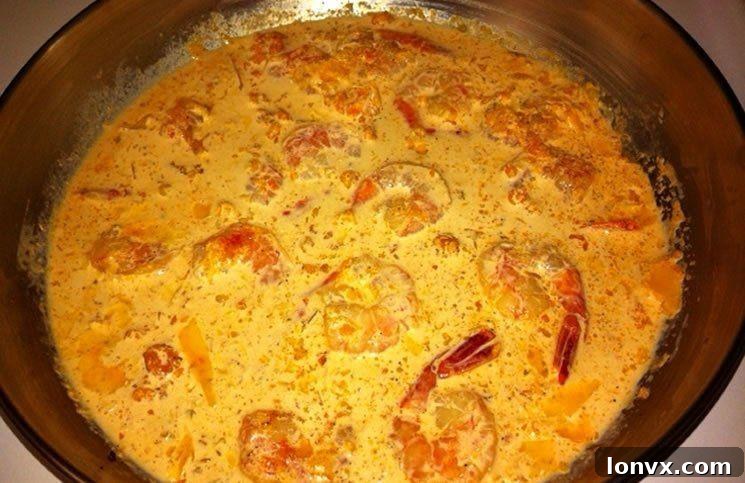
The culinary journey with shrimp often begins with a common dilemma: the fear of overcooking. Many home cooks shy away from preparing this delicate seafood, while others, in their earnest attempts, end up with shrimp that resembles rubber balls rather than succulent morsels. Whether sautéed, grilled, or barbecued, overcooked shrimp and scallops lose their tender texture, becoming unpleasantly chewy. Given that shrimp is rarely an inexpensive ingredient, ensuring it’s prepared perfectly is not just a preference, but a necessity for a truly enjoyable meal. When cooked just right, every bite is a delightful experience, dissolving in your mouth with exquisite flavor.
The cardinal rule for cooking shrimp is simple: do not overcook it. This applies whether you’re starting with raw shrimp or, as in this spectacular recipe, warming already cooked shrimp. It’s crucial to remember that the cooking process doesn’t immediately stop the moment food is removed from the heat source; residual heat continues to cook your dish, a phenomenon known as carryover cooking. This principle is especially vital for delicate items like shrimp, where a matter of seconds can make all the difference between perfection and rubbery disappointment.
For this particular recipe, we’re focusing on elevating already cooked shrimp to gourmet status. The good news is, avoiding overcooking becomes even simpler when your shrimp is pre-cooked. However, a common pitfall to steer clear of from the outset is the microwave. While convenient for some foods, it’s generally ill-suited for reheating shrimp, often leading to an unevenly heated, tough, and dry result.
Our secret weapon for achieving unparalleled flavor and texture in this dish is ghee. Often referred to simply as clarified butter, ghee is a staple in many cuisines, particularly Indian. While most people typically make ghee using salted butter, don’t fret if you only have unsalted (sweet) butter on hand; the preparation process remains identical. Making your own ghee is surprisingly simple, taking mere minutes, and the resulting golden liquid can be used immediately or stored for several days, even without refrigeration. Its remarkable shelf stability and rich, nutty flavor make it an indispensable companion for cooking at home, or even when camping or traveling.
The objective when making ghee is to gently warm the butter to separate the milk solids, not to cook or brown the butter itself. This process involves slowly melting the butter and simmering it, allowing the water content to evaporate and the milk solids to separate and settle at the bottom. Some culinary enthusiasts prefer to strain their ghee through a fine-mesh sieve lined with clean, unused cheesecloth to achieve absolute clarity. However, a simpler and equally effective method is to carefully pour off the liquid ghee, or scoop it out with a large metal serving spoon, leaving the milk solids behind in the pan. Utilizing a stainless steel pan is ideal for this process, as it allows for better observation of the separation. The resulting ghee boasts a significantly higher smoke point than regular butter, meaning it can withstand higher temperatures without burning, making it an absolute gift for searing and sautéing, particularly for delicate proteins like shrimp.
And those delicious milk solids? Don’t even think about discarding them! They are a treasure trove of flavor. These browned, flavorful bits are excellent for topping roasted vegetables, enriching pasta dishes, or adding a savory depth to cream sauces. Their versatility ensures nothing goes to waste in your kitchen.
A brief but important note on cookware: the choice of your skillet can significantly impact the outcome of your dish. A skillet with higher sides is excellent for creating a contained environment where steam can build up, aiding in the cooking or warming of its contents – ideal when you want moisture retention and a gentle heat. Conversely, a skillet with lower sides allows steam to escape more readily, promoting browning and a drier cooking environment, which is often desired for searing. Every kitchen benefits from having a variety of pots and pans in different sizes and shapes, each designed with a specific purpose in mind. While humble tin pans can certainly yield decent results, selecting the appropriate cookware for a particular dish can elevate your cooking from satisfactory to truly exceptional. As your culinary skills evolve, you’ll undoubtedly appreciate the subtle yet impactful differences that such thoughtful choices make.
Preparing Already Cooked, Frozen Shrimp: A Step-by-Step Guide to Perfection
This recipe focuses on transforming pre-cooked, frozen shrimp into a gourmet delight. The process is quick, simple, and yields incredibly flavorful results. Start by placing a moderate amount of ghee in a hot skillet with higher sides – just enough to create a slippery, glistening surface that barely coats the pan. We are aiming for a protective, non-stick layer, not a deep-fry environment. Remember, ghee has an exceptionally high smoke point, similar to good quality cooking oils, which makes it forgiving. However, like any fat, it can burn if neglected. Should the ghee turn dark brown or emit a burnt aroma, it’s best to discard it, carefully wipe out the skillet completely with a paper towel, and begin again with fresh ghee. This small attention to detail ensures the pristine flavor of your dish.
Once the ghee is shimmering and very hot, momentarily lift the skillet from the direct heat source. Immediately add your already cooked, barely thawed, and still cold frozen shrimp. Keeping the tails on is perfectly fine and often preferred for presentation, as well as providing a convenient handle for eating. The initial removal from heat helps prevent the shrimp from shocking and cooking too quickly upon contact with the hot pan.
Gently shake the skillet to ensure all the pre-cooked, thawed shrimp are coated with a thin, even layer of the hot ghee. It’s important for the shrimp to lie in a single layer to ensure even heating. Now, return the hot pan to the still-warm burner. The objective here is to gently heat the shrimp through, not to cook it further, as it’s already done. Keep a close watch on the shrimp for just a few minutes. As it warms, generously sprinkle it with garlic salt and a good quality ground sweet paprika. Don’t be shy with high-quality, fragrant black pepper either; add plenty to enhance the aromatic profile. Give the pan another shake to evenly coat the now warmed shrimp with these delightful seasonings. There’s no need to add additional plain salt at this stage, as most pre-cooked shrimp already contain sufficient salinity.
With the shrimp perfectly warmed and seasoned, swiftly remove it from the skillet using a slotted spoon, allowing any excess ghee to drain away. Now, for a crucial step that builds incredible depth of flavor: deglazing. Pour a generous half cup of your favorite spirits into the very hot skillet. Pernod, with its anice notes, or a crisp dry white wine, or the rich complexity of cognac, are all excellent choices. For an extra special and uniquely herbaceous treat, consider deglazing with Chartreuse monk bitters. Allow the alcohol to come to a gentle simmer and burn off until it is nearly completely vaporized. This process captures all the delicious browned bits (fond) from the bottom of the pan, infusing your sauce with unparalleled flavor. At this point, I often use a piece of folded paper towel to gently sweep up any tiny bits of shell that might have disengaged from the shrimp tails during warming, ensuring a completely smooth, shell-free sauce.
Next, add a full cup of half-and-half cream to the intensely hot skillet. Bring this mixture to a slow, gentle boil, allowing the cream to scald and reduce slightly. This reduction process thickens the cream and concentrates its flavor, creating a luxurious base for your sauce. Stir in a half-teaspoon of robust Dijon mustard, which provides a tangy counterpoint to the richness of the cream and the sweetness of the shrimp. Follow this with two tablespoons of Wildly Delicious Applewood Hickory Smoke barbecue sauce. The smoky, sweet, and tangy notes of this sauce are truly transformative.
If you’ve had the foresight to prepare my spectacular leftover tomato barbecue sauce, this is an absolutely ideal occasion to utilize it. Its homemade goodness will add an extra layer of complexity and freshness to the dish. For those who prefer a slightly milder flavor profile, you might consider adding a touch of sambal tomato sauce to your tomato barbecue sauce. Alternatively, if you have some of my special tomato butter on hand, it can also be used; the sauce will take on a different, perhaps slightly sweeter, character, but it will be equally wonderful and uniquely delicious.
Return the perfectly warmed and seasoned shrimp to the exquisite sauce. Gently stir to ensure every piece is thoroughly coated. Using a rubber spatula will help you scrape every last drop of this incredible sauce into a glass warming dish. Serve this masterpiece immediately while warm, or for a delightful alternative, refrigerate it to serve cold later. The beauty of this dish lies in its versatility regarding serving temperature. Do not, however, reheat the shrimp once it’s in the sauce. If you choose to serve it cold, simply enjoy it chilled or at room temperature. Each serving method offers a distinct yet equally delicious experience. This is a remarkably simple, yet astonishingly flavorful dish that will undoubtedly become a regular fixture in your culinary repertoire.
Regardless of whether you serve it warm or cold, just before eating, delicately sprinkle a chiffonade of fresh basil over the top. The vibrant green and aromatic freshness of the basil provides a beautiful visual contrast and a fragrant lift that perfectly complements the rich flavors of the dish. The creamy sauce leaves a wonderfully sated, unctuous coating in your mouth, a testament to its richness. The harmonious blend of the garlicky salt, the sweet paprika, the generous kick of fragrant pepper, the piquant Dijon mustard, and the smoky barbecue sauce creates a truly amazing and unforgettable combination of flavors that dance on your palate.
Of course, this recipe is incredibly adaptable. You could certainly sauté uncooked, fresh (never frozen) shrimp directly in ghee and then proceed with the same glorious cream sauce. Furthermore, akin to my other cherished recipe for shrimp cooked in their shells, you can also “pot” this ghee shrimp. This involves submerging the cooked shrimp in the solidified ghee cream, which will firm up but remain luxuriously soft. This method creates a delectable, everyday treat that keeps beautifully. If you find yourself with any leftover sauce – a rare occurrence, perhaps! – it is absolutely divine when tossed with your favorite gnocchi or pasta. It also makes a superb accompaniment to any kind of seafood, elevating even the simplest grilled fish.
To complete this culinary experience, a frosted glass of crisp, cool Winzertanz pairs exquisitely, its refreshing notes cutting through the richness. Alternatively, my trusty old standby, a French pink champagne-like, crackling rose Royal de Neuville, offers a sophisticated and celebratory pairing. The effervescence and berry notes beautifully complement the flavors of the shrimp and sauce.
The preparation for this dish takes virtually no time at all, and its serving possibilities are truly endless. You can savor it all by yourself, guilt-free, as an indulgent finger food during a relaxing TV movie night. Simply grab a large napkin to catch any delightful drips and use toasted, crustless ordinary bread triangles to mop up every last drop of the incredible sauce. It’s also wonderfully satisfying served alongside fluffy instant one-minute basmati rice, or with zucchini slivered to resemble spaghetti for a lighter option. For a truly hearty and luxurious meal, try the warmed, pre-cooked, frozen shrimp mixed with large al dente pasta seashells. No matter how you choose to enjoy it, this dish is an incredibly special treat – unbelievably delicious and so wonderfully melt-in-your-mouth rich.
ALTERNATE GOURMET PRESENTATION: Elegant Shrimp Quenelles or Ramekins
For those truly inclined towards culinary creativity and seeking to impress, consider this sophisticated alternate preparation. Begin by gently pulling the tails off the sauced shrimp. Transfer the entire mixture into your kitchen machine or food processor and pulse until you achieve a thick, pourable paste, similar in consistency to a very thick pancake batter. Incorporate whole eggs and a touch more cream as needed to achieve the desired smooth texture. Lightly butter individual ramekins and, into the bottom of each, place a cooked lobster claw, a choice piece of cooked crab claw meat, or even a perfectly sautéed sea scallop. These additions provide a delightful textural contrast and an extra layer of luxury.
Carefully fill each ramekin three-quarters full with the shrimp cream paste. Arrange the filled ramekins in a bain-marie pan (a larger pan filled with hot water) and place them in a medium-heat oven. The gentle heat of the water bath will allow the paste to slowly congeal and set beautifully, preventing it from drying out or curdling. Once set, carefully invert each ramekin onto a beautiful serving plate. Drizzle a little extra ghee over each, or create a tiny, glistening puddle of ghee beside it. For an exquisite final flourish, decorate each plate with a fresh sprig of basil leaves and an elegant lemon curl. To add another dimension of flavor and texture, include a small vine of crunchy, frozen green sweet seedless grapes. This creates a visually stunning and incredibly delicious appetizer or light meal.
You can also shape the ghee cream shrimp mixture into elegant quenelles and poach them very carefully. Remember, every component of this dish is already cooked, so your goal is simply to gently heat it through and set the shape. These delicate quenelles make a perfect seafood accompaniment alongside beautifully seared large sea scallops, especially when paired with homemade gnocchi for a truly unforgettable gourmet experience.
© From Lady Ralston’s Kitchen: A Canadian Contessa Cooks