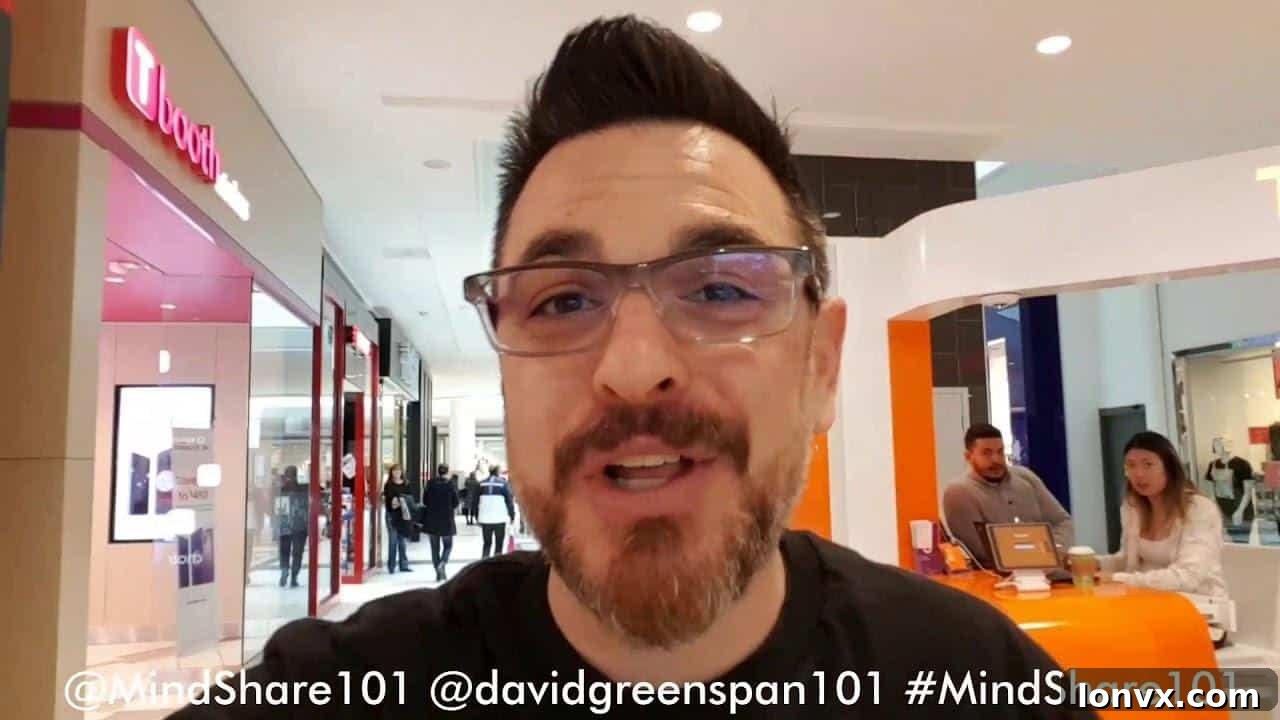
Transform Your Shopping Trip: Unlock Hidden Prospecting Opportunities at the Mall
Many of us dread the thought of a trip to the mall, viewing it as a necessary chore or a chaotic experience. But what if we told you that your next shopping excursion could be transformed into a strategic opportunity for business growth? Forget the traditional, high-pressure sales tactics. We’re talking about a subtle, organic approach to prospecting that leverages the unique environment of a bustling shopping center. By shifting your perspective, you can turn a mundane errand into a productive lead generation activity, uncovering potential clients in the most unexpected places. This article will guide you through three simple, yet highly effective, ways to identify and connect with prospects on your next shopping trip, making your time at the mall not just tolerable, but genuinely valuable for your business.
Why the Mall is a Hidden Goldmine for Prospecting
Before diving into the “how,” let’s explore the “why.” Malls are more than just retail hubs; they are vibrant social ecosystems. They attract a diverse cross-section of the population, from families and teenagers to professionals and retirees, all with varying interests and needs. Unlike a formal networking event, people at the mall are typically relaxed, open, and less guarded. They are in a consumer mindset, browsing, making decisions, and often engaged in casual conversations. This relaxed atmosphere creates fertile ground for natural, non-intrusive interactions that can evolve into valuable business connections.
Consider the sheer foot traffic: hundreds, if not thousands, of potential prospects pass through a mall daily. Each person represents a unique set of needs, desires, and potential challenges that your product or service might address. Furthermore, people often visit malls with specific intentions, whether it’s for a particular purchase, a meal, or simply to pass the time. These intentions can reveal clues about their lifestyle, interests, and even their professional roles. By understanding this dynamic environment, you can approach prospecting not as a hunt, but as an opportunity for genuine engagement and relationship building.
Strategy 1: The Art of Observation and Subtle Engagement
Your first tool for mall prospecting is keen observation. Pay attention to what people are doing, buying, or discussing. This isn’t about staring or being intrusive, but rather about being present and aware of your surroundings. Are they browsing books in a bookstore? What kind of books – business, self-help, fiction? Are they looking at fitness gear, home décor, or electronics? These subtle cues can tell you a lot about their potential interests and pain points that your business might address.
Once you’ve made an observation, the next step is subtle engagement. This often starts with a casual, non-business-related comment or question. For example, if you see someone looking at a productivity planner, you might casually say, “That’s an interesting planner, have you used that brand before?” or “I’ve been looking for a good way to organize my tasks.” If they respond, you’ve opened a door for conversation. The key is to keep it light and genuine. Avoid immediately pitching your product or service. The goal here is to build rapport, find common ground, and see if there’s a natural segue into a professional discussion. Remember, people are more likely to engage with someone who seems interested in *them*, not just their wallet.
Look for opportunities to comment on shared interests. If someone is admiring a specific piece of art in a gallery or discussing a particular movie they just saw, a simple, “I love that artist’s work too!” or “I really enjoyed that movie, what did you think?” can spark a connection. These initial interactions are purely about human connection. Only if the conversation flows naturally and you identify a potential need should you consider a gentle transition towards your professional identity. Even if it doesn’t lead to a direct business opportunity, you’ve practiced your social skills and expanded your network.
Strategy 2: Leveraging Common Spaces and Community
Malls are filled with common spaces designed for relaxation and congregation, making them ideal for indirect prospecting. Think about coffee shops, food courts, lounges, and even communal seating areas. These are places where people pause, reflect, and often engage in conversations with companions or even themselves (while checking their phones). These locations offer excellent opportunities for “passive” networking or subtle, low-pressure interactions.
Consider setting up your laptop in a coffee shop or a quiet lounge area within the mall. While you work, you become part of the environment. You might overhear conversations that spark your interest or notice someone who seems to be struggling with a task that aligns with your expertise. For instance, if you hear someone lamenting about their website or marketing challenges, and you’re a web designer or marketing consultant, this creates a subtle opening. A polite, “Excuse me, I couldn’t help but overhear, you mentioned something about marketing challenges? I work in that field and might be able to offer a quick perspective, no pressure at all,” can be incredibly effective when delivered genuinely.
Another often-overlooked group are the mall employees themselves. Retail staff, restaurant servers, and store managers are experts in customer service and often interact with a vast array of people. If you receive exceptional service from someone, take a moment to commend them and perhaps inquire about their professional aspirations or challenges. Building rapport with mall staff can sometimes open doors to insights about the types of customers who frequent certain stores, or even lead to direct referrals if your business aligns with their interests or the needs of their clientele. Treat them not just as service providers, but as potential network contacts or valuable sources of information. They are, in essence, community connectors within the mall environment.
Strategy 3: Seamless Transition to Professional Connection
Once you’ve established a friendly rapport through observation and engagement in common spaces, the challenge is to transition from a casual chat to a professional connection without appearing overly “salesy.” The key here is subtlety, relevance, and timing. Never force the conversation. If a natural segue appears, seize it. For example, if someone expresses a need that your business fulfills, you might say, “You know, what you just described is exactly what I help people with in my business. I work as a [Your Profession] and focus on [Your Service/Benefit].”
Always be prepared with your business cards, but don’t thrust them upon people. Offer them as a natural extension of a positive conversation. A good way to offer your card is to say, “It’s been a pleasure chatting with you. If you ever need help with [their expressed need] or just want to connect, here’s my card.” Even better, ask for their card first. “I’ve really enjoyed our conversation, I’d love to connect professionally if you’re open to it. Do you have a card?” This puts them in control and makes the exchange feel more reciprocal and less like a sales pitch. If they don’t have a card, politely ask if they’d be open to a quick LinkedIn connection or if you could send them an email.
The goal is to provide value, not just to sell. Perhaps you can offer a piece of advice or suggest a resource relevant to their expressed need. This demonstrates your expertise and generosity, building trust. Remember, the mall is not the place for an hour-long sales pitch. It’s about planting seeds. Get their contact information, make a positive impression, and plan to follow up professionally later. A brief, polite follow-up email or LinkedIn message within 24-48 hours, referencing your pleasant mall encounter, is crucial for nurturing the initial connection.
The Right Mindset: From Chore to Opportunity
To truly succeed in mall prospecting, you need to cultivate the right mindset. This isn’t about stalking people or aggressively cold-calling strangers in a public space. It’s about approaching every interaction with genuine curiosity, a willingness to connect, and an open mind. Think of your mall trip not as a chore, but as an adventure – a sociological study where every person could potentially be a future client, collaborator, or valuable contact.
Embrace the idea of “casual serendipity.” Be genuinely interested in people. Ask open-ended questions that invite conversation. Listen more than you speak. Your primary objective at the mall should be to build rapport and establish trust, not to close a sale on the spot. If you focus on creating meaningful human connections, the business opportunities will naturally follow. Being authentic and approachable is your most powerful asset.
Furthermore, preparation is key. While you’re aiming for organic interactions, having your professional tools ready can make a significant difference. Ensure you have neatly printed business cards within easy reach. Have a concise “elevator pitch” ready, but only deploy it when the conversation naturally leads in that direction. Be aware of your personal presentation – dress appropriately, even if casually, to convey professionalism. Most importantly, carry a positive and confident demeanor. Your attitude will significantly influence how others perceive and respond to you.