Seared Sea Scallops in Duxelles and Pink Champagne Sabayon: An Elegant Culinary Creation
Embark on a culinary journey of refined flavors with this exquisite dish of seared sea scallops, nestled upon a rich duxelles and crowned with a delicate pink champagne sabayon. Perfect for a sophisticated dinner party or a special occasion, this recipe promises an unforgettable gourmet experience that is surprisingly approachable to prepare.
Mastering the Foundation: Duxelles and Sabayon
Begin by preparing your foundational elements. First, create my signature duxelles recipe, a finely chopped mushroom mixture sautéed with shallots and herbs until intensely flavorful. This savory base will provide an earthy counterpoint to the sweetness of the scallops.
Next, turn your attention to the sabayon. While there are various methods, a bain-marie offers the most control for achieving that perfectly light, airy, and stable emulsion. Whisk egg yolks, a touch of sugar, and, in this case, the effervescence of pink champagne over simmering water until it thickens into a luxurious, frothy sauce. The pink champagne infuses the sabayon with a subtle fruity note and a beautiful hue, elevating its elegance.
The Art of Perfectly Seared Scallops
With your duxelles and sabayon ready, it’s time to focus on the star of the dish: the sea scallops. Achieving a flawless sear is crucial for their texture and flavor. Preheat your broiler and position the oven rack on the second-highest setting, preparing for the final delicate touch. In a sturdy stainless-steel sauté pan, heat a generous knob of butter until it’s sizzling hot, just shy of smoking. The pan must be very hot to achieve a beautiful crust.
Carefully place three scallops per person into the hot butter, ensuring not to overcrowd the pan, which would lower the temperature and steam the scallops instead of searing them. Allow them to cook undisturbed for just a minute or two until a magnificent, golden-brown crust forms on the bottom. This is the hallmark of a perfectly seared scallop. Turn each scallop only once. As they cook, sprinkle them with a mere pinch of fresh thyme, allowing its aromatic oils to release into the sizzling butter. The edges of the scallops should turn a stunning, deep golden color, indicative of their sweet caramelization. Remember, scallops cook incredibly quickly; they typically require only minutes per side. The golden rule here is absolute precision: do not, under any circumstances, overcook them, as they will become tough and rubbery, losing their natural tenderness and sweetness.
Deglazing and Harmonious Assembly
Once your scallops are perfectly seared, gently remove them from the pan. While the pan is still hot, deglaze it with a delicate splash of pink champagne. (I personally adore using French Royal de Neuville for its exquisite bubbles and flavor.) This step captures all the flavorful browned bits from the pan, infusing them into the champagne. Pour these aromatic, sizzling pan juices directly into your prepared sabayon, whisking gently to incorporate the rich flavors, adding depth and a further hint of champagne to the creamy sauce.
Now, for the grand assembly. Select large, elegant coquille shells – traditional scallop shells – which will serve as your individual serving vessels. To stabilize these shells on a large, rimmed baking sheet, create a sturdy bed of coarse sea salt. Coarse pickling salt works equally well here, as the salt will not come into contact with the food itself, merely acting as a support structure.
Into each coquille shell, carefully spoon a small, even layer of your rich duxelles. This forms the flavorful foundation. Lightly spritz the duxelles with a touch more pink champagne for an added layer of aroma and moisture, then season with a pinch of salt and freshly ground pepper. For an extra touch of sophistication and a subtle peppery bite, use ground pink peppercorns if available.
Next, spoon several generous tablespoons of the delicate pink champagne sabayon over the duxelles. Finally, artfully position three of your perfectly seared sea scallops in each shell, arranging them aesthetically. Place the entire baking sheet, holding the stabilized coquilles, under your preheated broiler for just a few minutes. This brief exposure to intense heat warms the sabayon, lightly toasts the top, and brings all the elements together. Serve immediately, allowing your guests to savor this masterpiece at its peak freshness and warmth.
An Enchanting Alternate: Cognac-Infused Scallops
For those seeking a different yet equally captivating flavor profile, consider a simple but profound substitution. Replace the pink champagne with a high-quality cognac, such as Asbach Uralt, during the deglazing and sabayon preparation. This imparts a warm, slightly nutty, and more robust aroma that complements the scallops beautifully, creating a distinct and most amazing taste experience.
Should you wish to alter the presentation entirely, explore other “shell-a-brate” recipes designed for a large coquille. This allows for a singular, dramatic presentation, also finished under the piping hot broiler for mere seconds, ensuring a consistently delightful offering.
My Ultimate Shrimp in Garlic Cognac Cream: A Crowd-Pleasing Culinary Secret
Prepare to unveil a recipe that has often been referred to as my “house-selling shrimp dish” – a testament to its irresistible aroma and exquisite taste. This Ultimate Shrimp in Garlic Cognac Cream is an unspeakable treat, surprisingly quick to prepare yet delivering a depth of flavor that rivals the finest restaurant creations. It’s an ideal choice for impressing guests, a special weeknight meal, or even as an elegant addition to a surf and turf feast.
Crafting the Aromatic Garlic Base
The secret to this dish begins with a generous amount of garlic, cooked to perfection. In a sturdy sauté pan, melt a good quantity of unsalted butter until it’s sizzling. Add approximately half a cup of paper-thin slivered garlic slices. Yes, you read that right – a sizeable amount, but essential for the rich garlic essence we’re aiming for. The key is to avoid browning the garlic, which can turn bitter. Immediately turn the heat down to low to medium-low. Gently sauté the garlic until it becomes incredibly tender, almost mashable, but retains its pale, pristine color. This slow, gentle cooking process extracts the sweet, mellow essence of the garlic without any harshness.
Once the garlic reaches this stage, introduce a subtle yet impactful spice blend: a mere pinch (and no more!) of ground cloves, a whisper of nutmeg, a dash of paprika for warmth and color, a little fresh thyme, and finally, a judicious seasoning of salt and pepper. These spices don’t overpower but rather enhance the overall aroma and complexity of the dish.
Perfectly Cooked Shrimp: The Cornerstone of Texture
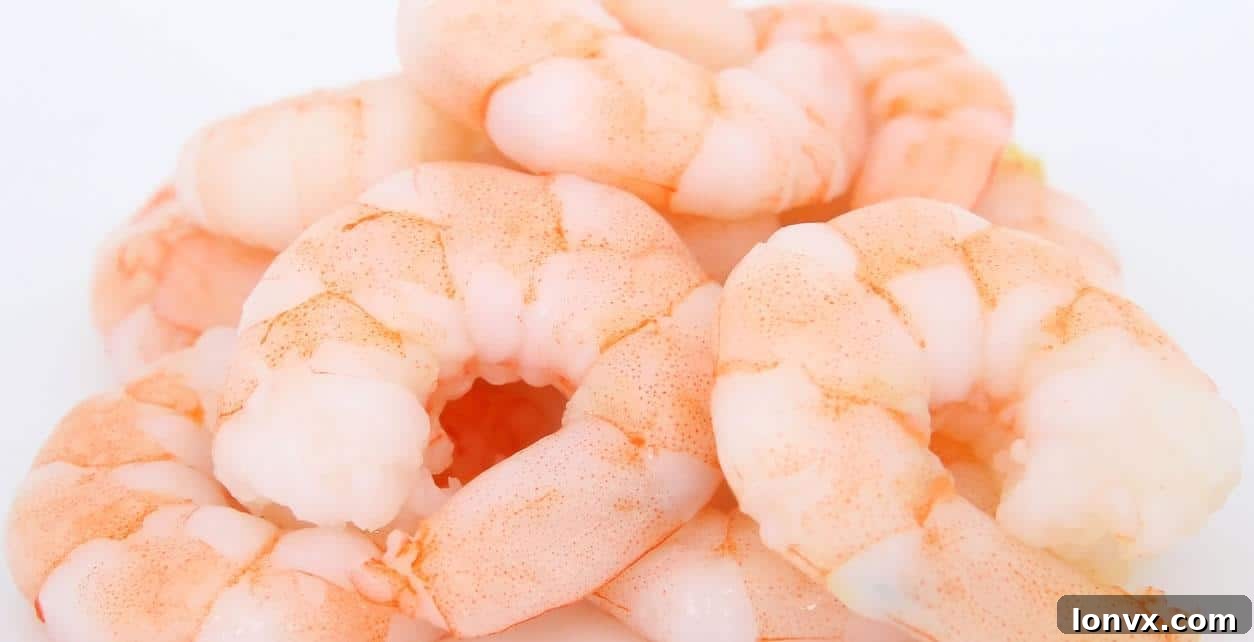
Add a little more unsalted butter to the pan, then carefully place your shrimp, still in their shells, into the pan. I recommend using 27-30 count shrimp for a good size and texture, or simply as many as you desire to serve. Ensure the sauté pan is still very hot, but critical again, not browning, to prevent burning the delicate butter and garlic. Shrimp cook incredibly fast, typically in just a couple of minutes. Watch them closely: the moment the first side turns a beautiful pink and begins to curl, turn each shrimp only once. They are fully cooked when they become opaque throughout. This point is crucial: absolutely do not, under any circumstances, overcook the shrimp. Overcooked shrimp will quickly become rubbery and lose their succulent appeal, transforming this gourmet delight into a textural disappointment.
The Majestic Cognac Deglaze and Cream Reduction
Once the shrimp are perfectly cooked, promptly remove the pan’s contents and set aside. While the pan is still very hot, immediately deglaze it with a generous splash of high-quality Asbach Uralt cognac. The aroma that erupts from the pan at this moment is truly spectacular; it will fill your kitchen with the most amazing, intoxicating perfume, promising the deliciousness to come. Scrape up any browned bits from the bottom of the pan to incorporate all those rich flavors into the developing sauce.
Now, pour a cup of half-and-half cream (or more, if you’ve increased your shrimp quantity) into the very hot pan. Allow the cream to scald and reduce, simmering gently. As it thickens, the cream will beautifully absorb the wonderful color and fragrance of the cognac, transforming into a rich, velvety, and incredibly aromatic sauce.
Return the cooked shrimp to the sauté pan and gently tumble them in the magnificent sauce, ensuring each piece is thoroughly coated. The shrimp, glistening with the cognac-infused cream, are now ready.
Using a rubber spatula, carefully wipe all the sauce and lightly coated shrimp completely from the pan into a perfectly sized serving bowl. This ensures every drop of that incredible sauce is captured and enjoyed.
This versatile dish can be served immediately, allowing your guests to experience its warmth and fresh aromas. Alternatively, it is equally delightful served at room temperature, or even cold the next day, as the sauce will continue to congeal and thicken overnight, becoming even more intensely flavored. It’s a truly remarkable dish.
The “House-Selling Shrimp Dish” Anecdote and Versatile Pairings
The lore of this shrimp dish extends beyond its deliciousness; it’s steeped in a personal anecdote about selling my home. Real estate agents often advise sellers to avoid cooking strong-smelling foods like cabbage or fish when their house is on the market, fearing they might offend potential buyers. However, I often disregarded this advice – as I’ve mentioned in numerous online comments over the years. During open house appointments, I would subtly open my windows, allowing the mouth-watering, irresistible vapors of this garlic cognac cream shrimp to waft subtly through the entire area. The results were astounding. After only a couple of appointments, an offer materialized, accompanied by comments echoing sentiments like one recently shared by Sabine from the Kitchener area: “What time is dinner tonight?” This dish truly has the power to captivate!
The total time spent in the kitchen for this remarkable creation is less than half an hour, demonstrating that gourmet doesn’t have to mean time-consuming. And let me assure you, this kind of goodness simply cannot be bought or ordered in. I urge you, try it for yourself! Serve it simply alongside plain instant one-minute basmati buttered rice, and you’ll undoubtedly make your neighbors’ mouths water. Or, elevate your main course by serving the shrimp alongside a perfectly grilled steak for a truly special, unforgettable surf and turf experience. Surprise yourself with how easily you can create something so extraordinary!
A tall, cool glass of Winzertanz pairs wonderfully with this dish, enhancing its rich flavors. Enjoy every exquisite bite!
Maximizing Flavor: Creative Uses for Leftover Sauce
Never, ever toss leftover sauce from this dish! Refrigerated in a glass container, this exquisite sauce will keep beautifully for a couple of days, its flavors deepening. It’s a treasure trove for creating delicious encore meals. Use it to tumble over freshly cooked pasta or rice, adding a luxurious coating to a simple starch. For an even more decadent leftover, incorporate additional seared fresh sea scallops into the sauce-coated pasta or rice – pure mouth-watering goodness.
Alternatively, create a stunning appetizer by spreading a small puddle of the leftover cognac cream sauce on an oversized dinner plate. Strategically position fresh, deep-fried homemade crab cakes upon the sauce, then drizzle just a little more sauce delicately over each crab cake. Crown this creation with elegant shards of fresh Parmesan cheese, thinly peeled using a vegetable peeler or a kase scharfe. Decorate the plate with a vibrant sprig of fresh basil leaves and dress it with lemon quarters, ready to be squeezed for a burst of citrus brightness when desired.
Alternate Inspirations for the Ultimate Shrimp Dish
Toasted Coconut Infusion: If you adore the unique texture and flavor of fresh coconut, lightly brown some crushed or flaked coconut in a single layer. Use just a tiny bit of sizzling unsalted butter in a nearly dry, very hot sauté pan until crispy. Sprinkle this golden, aromatic coconut over the cognac creamed shrimp just before serving. Do not stir it in; allow the crispy texture to remain a delightful surprise with each bite.
Sauce for Other Fish: Another fantastic alternate use for any leftover cognac cream sauce is to elevate your favorite salmon steak. During the last minute of sautéing, roasting, or grilling, add a little of the leftover sauce. This rich, aromatic cream is incredibly versatile and can be used on virtually any type of fish, adding a gourmet touch effortlessly.
As I’ve said countless times in my culinary philosophy, nothing goes to waste in my kitchen. Every leftover is an opportunity for a new, delightful creation!
Note: A reader once shared their brilliant use of leftover shrimp sauce on an oven-roasted Atlantic salmon steak, applied in the last few seconds in the oven. The result was truly delicious!
Elevating the Dining Experience: Presentation and Pairings
At the table, enhance either recipe by offering a delicate tuile or two. Consider preparing a savory Parmesan tuile, with its crisp, cheesy snap, or perhaps a more subtle ground almond tuile. There are countless recipes available for these simple, yet elegant creations that add a sophisticated crunch to any dish.
The presentation itself is an integral part of the experience. Prepare your table by placing a large, folded heavyweight cotton tea towel in the center. This serves as a protective and decorative base upon which you can place a large, pre-heated serving platter (heated with hot water for maximum warmth), or even two, ready to receive the broiler-hot coquilles. In the kitchen, arrange the piping hot coquilles on a bed of coarse salt directly on this large, hot platter. This arrangement transforms the serving platter into a stunning table centerpiece, ensuring the dishes arrive at the table beautifully and piping hot.
Prepare each place setting with a large charger plate, positioned either directly on a cloth-covered tabletop or on an elegant placemat. Top the charger with a plain, oversized serving plate, upon which rests a neatly folded-square cloth napkin, ready to receive a very hot coquille. Alongside, place a seafood fork or a pie fork, specifically chosen for navigating the delicate shell and extracting every morsel. Include a soup spoon at each setting as well, perfect for savoring every last drop of the luxurious sauce and drippings. Finally, place a tuile or two elegantly at the edge of each plate, inviting guests to enjoy this delightful accompaniment.
Pink Champagne Royal Cocktail – My Very Own Creation
To complement these exquisite seafood dishes, I present my very own martini creation: The Pink Champagne Royal Cocktail. This sophisticated libation is designed to perfectly harmonize with your meal, using either the matching Royal de Neuville pink champagne or the Asbach Uralt cognac, depending on which you selected for your chosen recipe.
Crafting Your Signature Cocktail
Begin with a cold metal cocktail shaker. Pour in a half cup of Asbach Uralt cognac, forming the rich base of this elegant drink.
Next, add a half cup of cold sugar syrup, which you can easily make by dissolving equal parts (50:50) sugar and water over medium heat, then allowing it to cool completely. This syrup is not only for cocktails but also wonderful for marinating fresh sliced peaches. From this, add a half cup of the flavorful liquid from sugar-marinated peaches. As an alternative, you could use the brandy-marinating jus from a jar of black mission figs for a deeper, more complex note. Introduce a refreshing squeeze of fresh lemon juice and a delicate pinch of salt to balance the sweetness. Finally, add a full cup of ice cubes to the shaker.
Secure the lid tightly and shake vigorously for a full half minute. This ensures all the ingredients are thoroughly chilled and perfectly blended, creating a harmonious and vibrant flavor profile.
Pour the chilled mixture into elegant, stemmed champagne flutes that have been pre-cooled, filling each approximately three-quarters full. Top off each flute right to the very brim with my favorite bubbly: the sparkling French pink champagne, Royal de Neuville, which adds a beautiful effervescence and a touch of celebratory luxury. For a final, delicate flourish, park a tiny, fresh slice of peach on the rim of each glass. Sip this exquisite, delicate creation slowly and savor the moment. It’s truly a “pink thing” – a celebration of color and flavor!
This cocktail offers a perfect pairing with a slice of wonderful homemade cream genoise cake or an equally delightful slice of fresh peach fruit pastry tart, extending the theme of delicate sweetness and fruit.
Hint: If you don’t own a cocktail shaker, don’t let that deter you! A tightly covered, screw-top large glass mason jar works perfectly well as a substitute.
Beyond the Recipes: Versatile Seafood Entertainer
Any of these recipes, particularly those utilizing the elegant coquilles as a serving vessel, can be beautifully adapted with other seafood. Imagine substituting succulent crab, rich lobster, or a delightful seafood mix of your personal favorites. The foundational duxelles and savory sabayon will continue to shine, complementing whatever seafood you choose to showcase, maintaining the gourmet integrity of the dish.
For a sophisticated entrée course, consider serving delicate crab cakes or wonderful two-bite-sized cakes made from a mixed seafood medley. These can be prepared even the day before and then reheated to sizzling perfection just when ready to serve. Offer them on individual plates, perhaps alongside a savory seafood crème brûlée or an individual seafood panna cotta (elegantly set in a shot glass), each drizzled with a homemade lobster oil for an extra touch of luxury. Provide a beautiful serving bowl that can be passed at the table, filled with an assortment of fresh lemon and lime wedges. Alongside, another small bowl featuring a mix of lemon and lime zest, accompanied by a tiny espresso spoon for individual portions. And yet another bowl showcasing mixed citrus segments, freshly cut from between the fruit membranes – a vibrant and refreshing addition. (A note of caution: if any of your guests are taking certain prescription medications, please be aware that some pharmaceuticals forbid the consumption of grapefruit of any kind. It’s always wise to inquire or offer alternative citrus options.)
And for a truly unique table topper, consider a silver serving bowl filled with homemade candied citrus rind from your pantry’s sugar jar. To prevent direct acidic contact with the silver, place a small glass bowl inside the silver bowl to hold the candied citrus. This allows diners to choose at will how much of each or all they prefer, adding a sweet and tangy finish to their palate.
For a lighter yet equally impressive course, you could fill halved avocado shells (or hollowed-out papaya halves) with a vibrant avocado seafood salad. Serve this creation on a crisp bed of shredded romaine and iceberg lettuce mix, or opt for the gourmet appeal of mesclun greens. Lightly spritz these greens with a dressing of red wine vinegar and extra virgin olive oil, in a 30:70 ratio, as a delightful part of your entrée. For this particular course, a robust Canadian Bloody Caesar makes a wonderfully complementary accompaniment.
This entire culinary experience is a true “shell-a-bration” of a unique kind. Make sure to tell your guests to bring a hearty appetite and be prepared to indulge over several hours of at-table enjoyment. And be sure to forewarn them that dinner will be an all-seafood affair, promising an extraordinary feast they won’t soon forget.
© “From Lady Ralston’s Kitchen: A Canadian Contessa Cooks” Turning everyday meal making into a Gourmet Experience