In today’s hyper-digital world, where transactions often overshadow personal interaction, the ability to forge genuine human connections is more valuable than ever. For real estate professionals, building and nurturing these relationships isn’t just a nicety; it’s the bedrock of a thriving business. As Laurie Gagnier, a seasoned Broker with Re/Max Affiliates Realty Ltd. in Ottawa, wisely notes, “It’s more important than ever to make a human connection and just have fun.”
This philosophy underpins the powerful strategy of client appreciation events. These gatherings offer a unique opportunity for agents – whether just starting their careers or boasting decades of experience – to reconnect with their clients, express gratitude, and strengthen bonds that lead to lasting loyalty and invaluable referrals. Moving beyond transactional relationships, these events cultivate a sense of community and personal investment, making clients feel valued and remembered long after the deal is closed.
Crafting Unforgettable Client Appreciation Experiences
The key to successful client appreciation lies in creating experiences that resonate with a diverse client base while reflecting the agent’s personality. Laurie Gagnier, for instance, has mastered the art of offering varied yet highly engaging annual events designed to appeal to different tastes and seasons.
Seasonal Engagement: From Winter Trivia to Summer Fun
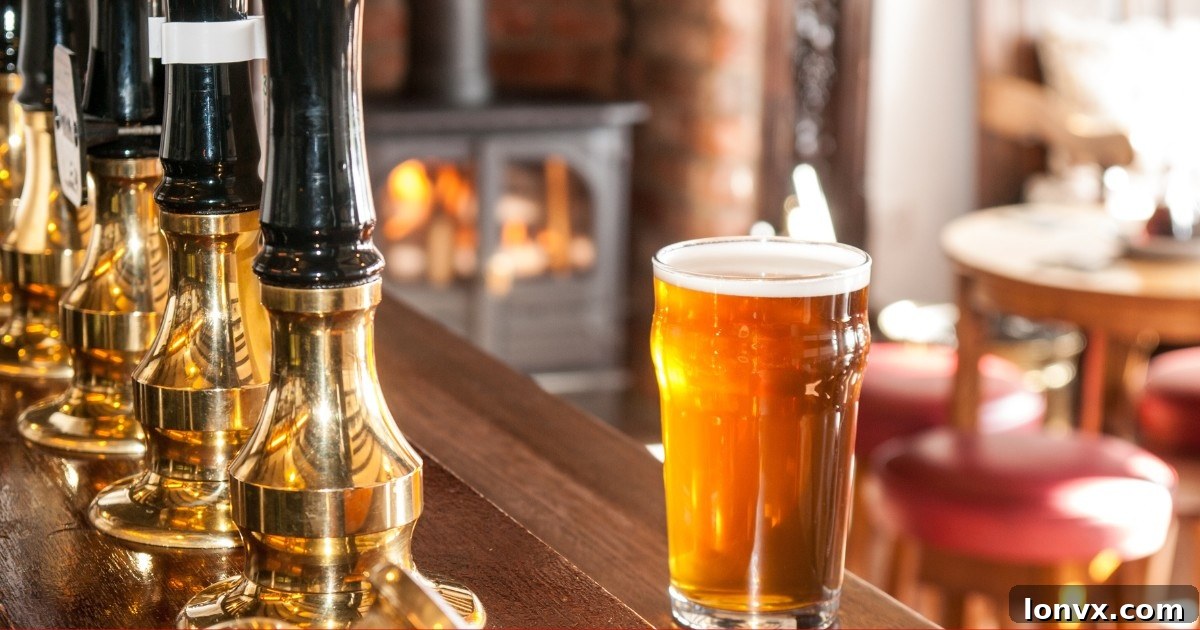
- Winter Trivia Nights: Held in local pubs during their typically slower winter months, these events are a fantastic way to bring people together. Gagnier treats clients to complimentary appetizers and a free drink, fostering a relaxed and social atmosphere. The emphasis is purely on enjoyment, with teams competing for fun swag like baseball caps, and saving coveted gift cards for the final, most exciting rounds. Gagnier encourages clients to bring their own teams, turning the event into an organic networking opportunity and expanding the reach of her influence. These trivia nights consistently draw around 100 attendees, making them her most successful and personally enjoyable client appreciation endeavors.
- Summer Hot Wings Booth: For the warmer months, Gagnier sets up a vibrant hot chicken wings booth at a local summer fair, often coinciding with a craft beer night. This informal setting encourages casual interaction. “People sample a hot wing, then run over to the beer booth,” she recounts, highlighting the lighthearted and interactive nature of the event. It’s a perfect example of integrating client appreciation into community events, maximizing exposure and engagement.
Diverse Event Ideas to Spark Connection
Beyond Gagnier’s successful models, the spectrum of client appreciation events is broad, catering to various interests and budgets. Agents can consider:
- Family-Friendly Gatherings: Think movie nights in the park, holiday cookie decorating workshops, or even a sponsored day at a local amusement park.
- Educational Workshops: Offering value through seminars on home maintenance, financial planning, or local market trends can be highly appreciated.
- Culinary Experiences: Cooking classes, wine or beer tasting events, or even curated charcuterie board workshops provide a sophisticated yet interactive setting.
- Outdoor Activities: Group hikes, cycling tours, or even sponsoring a local sports team’s game can foster camaraderie among clients.
- Charity Events: Partnering with a local charity for a fundraising walk, run, or gala allows clients to contribute to a good cause while connecting with you and each other.
The Tangible and Intangible Return on Investment (ROI)
While the primary goal of client appreciation is to foster connections, these events also yield significant returns, both quantifiable and immeasurable. Laurie Gagnier meticulously tracks the investment and outcomes of her events, providing a clear picture of their value.
Calculating Direct Returns:
- Trivia Nights: Typically costing between $500-$700 per event (including food, drinks, and giveaways), these have directly led to four new clients over two years.
- Movie Nights: With an initial setup cost of $2,000 for equipment (projector, screen) and approximately $500 per movie for rights, these events have generated two new clients in two years.
- “Hot Ones”-Themed Events: A unique spin on a popular concept, featuring hot sauces, chicken wings, and strips, chips, salsa, and free beer for those brave enough to try 10 sauces. At about $500 to organize, this niche event consistently nets one to two clients each time.
“Return on investment is simply having a connection made through these events, buy or sell,” Gagnier asserts. “It only takes one new client to offset the entire four-month cost.” This perspective highlights the long-term value of client relationships, where even a single successful referral can justify a significant investment.
Beyond Direct Sales: The Indirect Benefits
The ROI extends far beyond immediate client acquisitions. Client appreciation events are powerful tools for:
- Fostering Introductions: Events naturally create opportunities for existing clients to introduce their friends, family, and neighbors to their trusted real estate agent, significantly broadening an agent’s network.
- Enhanced Brand Loyalty and Repeat Business: Clients who feel genuinely appreciated are far more likely to return for future real estate needs and to recommend their agent enthusiastically.
- Positive Word-of-Mouth Marketing: In the real estate industry, referrals are gold. These events generate positive conversations and stories that spread organically through communities, building a strong reputation for personalized service.
- Staying Top-of-Mind: Regularly engaging with clients through events ensures that an agent remains a front-of-mind resource. As Gagnier points out, even if clients don’t attend every event, the consistent invitations via calls, emails, or texts serve as valuable touchpoints.
- Community Goodwill: Hosting events, especially those tied to local fairs or charities, enhances an agent’s standing within the community, portraying them as more than just a salesperson but a contributing member.
“While there is a definitive place for more institutional advertising (mailers, flyers, benches, and billboards), we realized our superpowers were in the word-of-mouth style, building a business slowly, one relationship at a time, and with folks that want to have a softer, warmer introduction to asking real estate questions,” Gagnier explains. This underscores the power of authentic, relationship-based marketing over impersonal mass advertising.
Selecting the Perfect Activity: Authenticity is Key
Choosing the right event is paramount to its success. The most critical advice from seasoned agents is to pick an activity you genuinely enjoy and that aligns with your personality.
“Clients see us having a good time and they have a good time,” Gagnier notes, highlighting the infectious nature of authentic enthusiasm. If an agent is uncomfortable or disengaged, that sentiment will inevitably transfer to the guests.
Danny Dawson, a broker with Royal LePage Performance Realty in Ottawa, learned this firsthand. His initial attempt at a pub event for 75 guests proved challenging due to the pressure of constant small talk. Pivoting to professional comedy shows booked at a club proved far more effective. He could greet guests upon arrival but wasn’t burdened with maintaining endless conversations, allowing clients to enjoy the show and each other’s company. These annual events, averaging 100 attendees, provide drinks and popcorn, creating a relaxed and memorable experience.
As Gagnier, with over two decades of experience, observes, event popularity ebbs and flows. This natural fluctuation is a positive, as “people like to try new things.” This provides agents with the flexibility to experiment and evolve their offerings.
Navigating Client Connections in the Post-Pandemic Era
The COVID-19 pandemic significantly altered how businesses connect with clients, posing challenges but also fostering innovation in client engagement strategies. Khalen Meredith, Senior VP Sales at Sotheby’s International Realty Canada in King City, Ont., acknowledges that the industry is still recovering from a “COVID hangover.”
However, this period also prompted a shift towards more intimate and focused connection methods. “We have focused on smaller gatherings or ways of connecting,” Meredith states. This includes one-on-one lunches or small group meetings with clients, even those unknown to each other, which perfectly aligns with Sotheby’s business model as “not volume producers.”
Prior to the pandemic, Meredith successfully hosted events centered around local school choices, inviting both school admissions personnel and clients with school-aged children. This niche approach catered directly to a significant part of their client base in an area known for excellent independent schools. Similarly, inviting clients to events supporting their charity and support efforts proved to be a “win-win,” combining community involvement with client engagement.
A crucial element in any gathering, large or small, is creating an environment where everyone feels comfortable enough to mingle. Gagnier aptly refers to this phenomenon as “six degrees of Kevin Bacon,” where clients discover shared interests and connections, often leading them to seek each other out at future events. This organic networking enhances the community feel and strengthens the bond not just between clients and agent, but among clients themselves.
Learning from Experience: Not Every Event is a “Slam Dunk”
It’s crucial for agents to understand that not every event idea will be a runaway success, and that’s perfectly normal. However, preparation is key, as vendors still need to be paid regardless of turnout. Gagnier candidly shares an example of a movie night in the park that, despite good intentions, “ended up being too late and too buggy, and people stopped coming.” She also notes that sometimes an event can be popular for a few runs before interest naturally wanes.
To mitigate risks and optimize future planning, Gagnier suggests giving any new event idea a one-year trial period to assess its true return on investment and client engagement levels. This allows for data-driven decisions and avoids prematurely abandoning a promising concept or clinging to an underperforming one.
Tips for Adapting and Optimizing Events:
- Personalization over Reinvention: Instead of constantly seeking novel ideas, focus on personalizing the experience. If a client owns a suitable venue, hosting an event there can be a fantastic way to involve them and create a unique atmosphere. “We involve clients in whatever we do,” Gagnier emphasizes.
- Budget Wisely: Create a realistic event budget first, then brainstorm ideas that fit within those parameters. This prevents overspending and ensures financial viability.
- The “Would I Attend?” Test: Before committing to an event, critically ask yourself, “Would I genuinely want to attend this?” If your answer is anything less than enthusiastic, it’s likely your clients will feel the same way. This simple test is a powerful filter for ensuring genuine appeal.
- Cater to Diverse Interests: Recognize that your client base is not monolithic. Some clients might enjoy an outdoor skating event, while others would prefer a charcuterie board class. Offering a variety of event types throughout the year can ensure broader appeal.
- Start Small for First-Timers: For agents contemplating their very first client appreciation event, Gagnier strongly advises against “anything big and flashy.” Starting with smaller, more manageable gatherings allows agents to gain experience, refine their approach, and build confidence without overwhelming financial or logistical pressure.
Embarking on Your Client Appreciation Journey: A Step-by-Step Guide
Taking the first step into hosting client appreciation events can feel daunting, but with a structured approach, it becomes an exciting extension of your marketing efforts.
Getting Started with Micro-Events:
Danny Dawson recommends, “If you see a big idea you like, you can start by holding micro-events and build up.” This scalable approach minimizes risk and allows for learning. For example, instead of a large concert, perhaps host a small, intimate acoustic session for a select group of clients.
Tailoring to Your Audience:
Each year, review the group of clients you’ve serviced. “Do something that suits their lifestyle,” Gagnier advises. She recounts an instance where a doctor client referred her to a network of other doctors. For their specific event, she hired a speaker of particular interest to medical professionals, demonstrating a thoughtful understanding of their world. “It shows you know about them,” she states, highlighting the power of personalized attention.
Community Engagement:
Consider events with an open invitation to the wider community, such as a free movie night. Renting a local movie theatre for a morning or early afternoon screening can be a cost-effective way to generate goodwill and attract new potential clients beyond your immediate sphere. It’s a fantastic strategy for business growth.
Logistical Essentials:
- Venue Selection: Secure an appropriate venue that matches the event type and anticipated attendance.
- Detailed Planning: Outline all aspects of the event, from activities and catering to staffing and setup.
- RSVP Management: Send out invitations with a clear request for RSVPs. This is critical for accurate headcounts, ensuring you have enough provisions without excessive waste, and managing the event space effectively.
Mastering the Art of Pre-Event Communication and Follow-Up
The success of a client appreciation event isn’t solely determined by the day itself, but by the strategic lead-up and thoughtful follow-through. Danny Dawson stresses the importance of the “lead-up” – multiple touchpoints spread over time.
Strategic Communication Timeline:
Dawson suggests initiating communication at least three months before the event. This typically involves:
- “Save the Date”: An initial announcement to block off the date on clients’ calendars.
- Regular Reminders: Subsequent communications, gradually increasing in frequency as the event approaches, providing more details and building anticipation.
These events are a crucial component of Dawson’s marketing budget, specifically aimed at generating referrals. While he acknowledges the challenge of directly attributing referrals to a specific comedy event, the cumulative effect of consistent engagement is undeniable.
Adapting to Challenges:
The pandemic demonstrated the need for adaptability. During COVID, Dawson creatively delivered boxes of cocktail mixing ingredients to clients, allowing them to prepare drinks and enjoy a virtual comedy show from home. This innovative approach ensured continuity of client engagement even when physical gatherings were impossible.
Dawson strategically schedules his annual comedy event every March, positioning himself top-of-mind just ahead of the bustling spring real estate market. This ensures that when clients or their acquaintances consider buying or selling, his name is the first to come to mind.
Beyond Your Own Events: Leveraging Client Invitations
Sometimes, the most valuable client appreciation opportunities arise unexpectedly. Gagnier recounts being invited by a firefighter client to a first responder golf tournament. She seized the chance to set up a tent at a hole, offering food, water, Gatorade, and trail mix. Although only four of her direct clients were in attendance, this provided an invaluable opportunity to meet their friends and colleagues. It’s an exemplary instance of leveraging a client’s event to introduce oneself to a broader network of potential non-clients, reinforcing relationships and expanding reach simultaneously.
In essence, client appreciation events are more than just parties; they are a vital, human-centered marketing strategy that builds trust, fosters community, and drives sustainable growth in the competitive real estate landscape. By investing in these connections, agents are not just selling homes; they are cultivating relationships that last a lifetime.