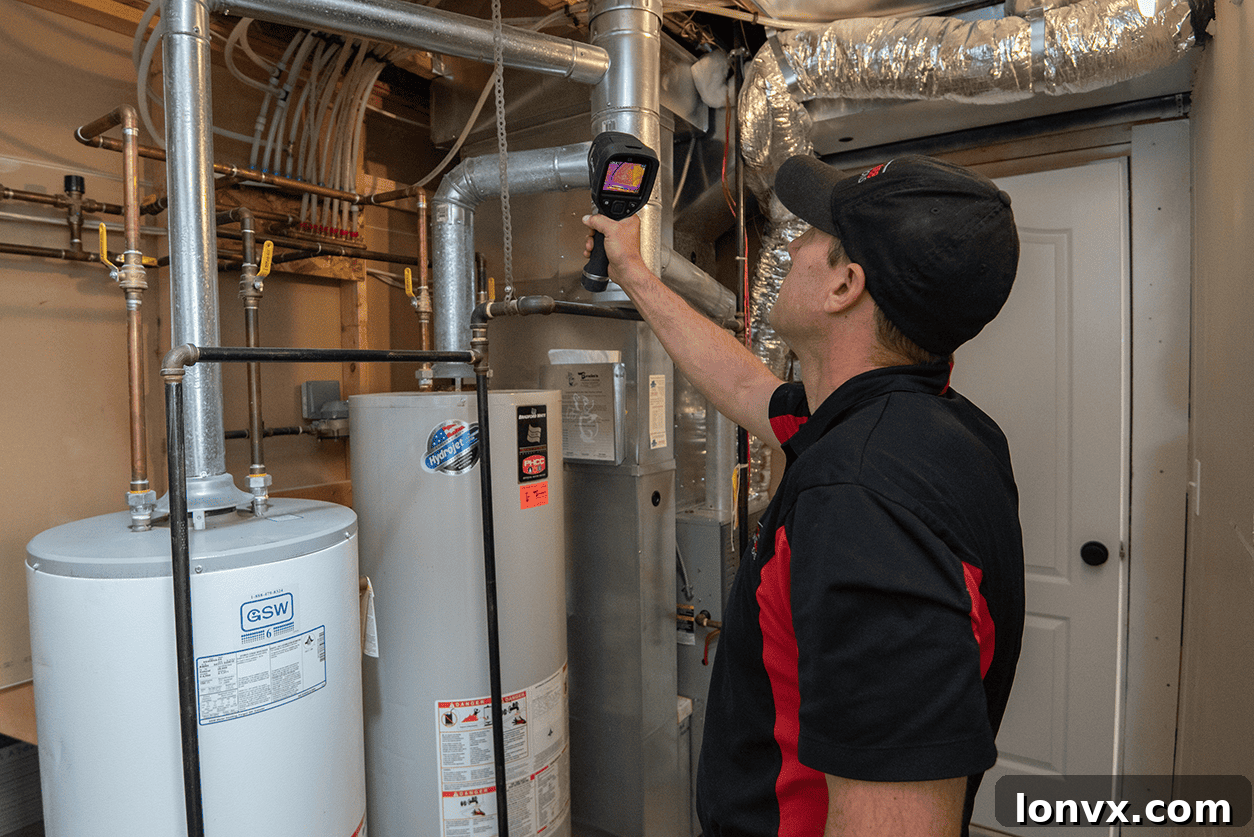
For many, buying a home is the most significant financial decision of their lives. It’s a journey filled with excitement, anticipation, and often, a degree of apprehension. Navigating the complexities of property ownership requires diligence, and an essential step in this process is securing a professional home inspection. A competent home inspector acts as a crucial guide, helping prospective homebuyers understand the intricate inner workings of a property, enabling them to make a truly educated decision before finalizing a purchase. The insights gained from a comprehensive inspection are invaluable, empowering buyers to proceed with confidence or, if necessary, negotiate repairs or reconsider their investment.
Each property possesses its unique characteristics, challenges, and charm. Therefore, it’s paramount to engage a professional home inspector who not only understands the general principles of construction but is also intimately familiar with the specific nuances and potential issues within a given property type or age. Their expertise extends beyond a superficial glance, delving deep into the structural integrity, operational functionality, and safety aspects of the home.
During a thorough home inspection, the professional will meticulously evaluate a wide array of major systems and components. This typically includes the interior structure and finishes, the heating and cooling systems (HVAC), the electrical infrastructure, plumbing networks, the exterior envelope (including siding, windows, and doors), and, critically, the roofing system. Beyond these primary areas, inspectors also examine insulation, ventilation, visible foundation components, and grading around the property. All observations, findings, and recommendations are then meticulously compiled into a comprehensive inspection report. This report is far more than just a checklist; it serves as the property’s definitive “operations manual,” detailing any identified deficiencies, highlighting potential safety concerns, pinpointing critical system shut-off locations, and offering practical maintenance suggestions for the future homeowner. It’s a living document that empowers the buyer with vital information for years to come.
Given the profound impact a home inspection can have on a real estate transaction, both buyers and sellers must exercise due diligence in selecting their inspector. The goal is to ensure they are entrusting this critical task to a professional who offers unparalleled expertise, integrity, and a commitment to clear communication. This guide outlines a step-by-step approach designed to help you make a well-informed choice, ensuring peace of mind during one of life’s most significant investments.
5 Essential Steps to Hiring the Best Home Inspector
Step 1: Conduct Thorough Online Research and Evaluate Reputation
Your journey to finding the ideal home inspector should begin with comprehensive online research. Start by leveraging search engines like Google to locate local inspectors in your area. Pay close attention to the quantity and quality of their Google Reviews. A significant number of reviews, coupled with a high star rating, often indicates a strong track record and client satisfaction. Dive deeper into individual reviews, looking for recurring themes. Do clients praise their thoroughness, communication skills, or professionalism? Conversely, note any consistent complaints or negative feedback.
Beyond reviews, meticulously examine their official websites and social media profiles. A professional website should be informative, easy to navigate, and transparent, showcasing their qualifications, certifications, services offered, and perhaps even sample reports. Look for clear ‘About Us’ sections that detail their experience and philosophy. Social media can offer insights into their engagement with the community, their approach to client education, and even a glimpse into their professional personality. It’s crucial to find an inspector whose personality aligns with your needs – someone who makes buyers and sellers feel entirely comfortable asking questions, regardless of how basic they may seem. An inspector should be patient, articulate, and capable of explaining complex technical issues in an easily understandable manner. Furthermore, prioritize inspectors who offer robust post-inspection services, such as complimentary technical advice for the duration of your property ownership. This commitment to long-term support is a hallmark of a truly client-focused professional, providing invaluable assistance should questions or concerns arise months or even years after the initial inspection.
Step 2: Verify Training, Qualifications, and Adherence to High Standards
The competence of a home inspector hinges significantly on their training and qualifications. It’s a critical step to ensure your chosen professional is exceptionally well-trained. While some jurisdictions in Canada, such as British Columbia and Alberta, mandate home inspector licensing, many provinces do not. This regulatory disparity underscores the heightened importance of due diligence. Therefore, it is essential to seek out an inspector who operates with the same rigorous standards as if licensing were universally required, irrespective of their specific jurisdiction. This commitment translates into a comprehensive and demanding training regimen. Such a regimen typically encompasses extensive technical training, covering all major home systems and potential defects. It should also include significant in-field live inspections, where aspiring inspectors work under the direct supervision of seasoned professionals, gaining practical, hands-on experience. Beyond technical skills, a top-tier training program will also incorporate business operations and, critically, a strong emphasis on ethics. An inspector’s ethical compass ensures impartiality, honesty, and a commitment to serving the client’s best interests above all else. Inquire about their specific training providers, certifications they hold (beyond basic licensing), and their commitment to ongoing continuing education, which is vital for staying abreast of evolving building codes, technologies, and inspection best practices.
Step 3: Ensure Familiarity with Home Type and Specialized Inspection Needs
Different types of homes and specific property features often demand specialized knowledge and inspection protocols. It’s incredibly important to find an inspector who is not only broadly skilled but also intimately familiar with the specific characteristics of the property you intend to purchase. For instance, inspecting a historic century home requires a different understanding of construction techniques and common issues compared to evaluating a newly built suburban house or a modern condominium. Similarly, properties with unique or specialized systems necessitate an inspector with appropriate, additional training.
One prominent example involves properties equipped with wood-burning systems, such as fireplaces or wood stoves. These systems, if improperly installed or maintained, can pose serious fire hazards and carbon monoxide risks. For such properties, it is imperative to seek an inspector who holds a Wood Energy Technical Transfer (WETT) certification. A WETT-certified expert has undergone specialized training to assess the safety, efficiency, and compliance of wood-burning appliances with current codes and standards, offering peace of mind where this specific heating method is present.
Another increasingly vital service, garnering significant attention from health authorities like Health Canada, is radon testing and mitigation. Radon is a colorless, odorless, radioactive gas that can seep into homes from the soil and is a leading cause of lung cancer among non-smokers. There are typically two common types of radon tests: a short-term “presence test” (often 2-7 days) and a more comprehensive 90-day long-term test, which provides a more accurate annual average. Understanding the proper testing protocols and, crucially, knowing the appropriate mitigation strategies to implement if elevated radon levels are detected, is essential. An inspector knowledgeable in radon ensures residents are not unknowingly exposed to this serious health risk. Beyond these, consider properties with private well water or septic systems, or those in areas prone to specific pests; each may require an inspector with additional certifications or specialized experience.
Step 4: Ask Incisive Questions and Verify Professional Affiliations
Engaging in a detailed Q&A session with prospective inspectors is a non-negotiable step in the selection process. While professional training and relevant experience are foundational, it’s equally important to delve into their professional standing and ethical commitments. Always inquire about their membership in professional associations such as InterNACHI (International Association of Certified Home Inspectors), ASHI (American Society of Home Inspectors), or CAHPI (Canadian Association of Home and Property Inspectors). Membership in these reputable organizations is a strong indicator of an inspector’s commitment to excellence, continuous learning, and adherence to a strict code of ethics. These associations typically require members to follow industry-leading Standards of Practice (SOP), which define the scope of a home inspection and establish minimum requirements for what must be inspected and reported. Adherence to these SOPs ensures consistency, thoroughness, and protection for both the client and the inspector. For jurisdictions where licensing is not mandatory, professional association membership provides an added layer of assurance regarding an inspector’s qualifications, training, and accountability.
Furthermore, it is absolutely crucial to confirm that the inspector is fully insured. They should carry both Errors & Omissions (E&O) insurance, which protects against claims of negligence or mistakes made during the inspection, and general liability insurance, which covers property damage or bodily injury. Request proof of insurance to verify their coverage. Asking about their experience level, their typical inspection duration, and how they handle client questions or concerns after the report is delivered will also provide valuable insight into their professionalism and client-focused approach. A reputable inspector will welcome your questions and provide clear, comprehensive answers.
Step 5: Inquire About Value-Added Services and Client Protection Programs
In today’s dynamic real estate market, a truly exceptional home inspector offers more than just the typical pre-offer inspection. The ability to adapt and provide a range of value-added services speaks volumes about an inspector’s dedication, the character of their organization, and their long-term commitment to supporting buyers and sellers. This is especially critical in accelerated markets where the opportunity for a traditional pre-offer inspection might be limited due to competitive bidding or tight deadlines. A forward-thinking inspector understands these evolving needs.
Look for inspectors who offer a diverse portfolio of services. This might include advisory services, where they provide expert consultation on specific property concerns even before a full inspection, helping you make informed decisions during the early stages of your home search. Post-possession inspections are another invaluable offering, allowing you to have the property re-evaluated after you’ve moved in, catching any issues that may have become apparent with habitation or ensuring agreed-upon repairs were completed correctly. For sellers, a pre-listing inspection can be a powerful tool, enabling them to proactively address issues, enhance transparency, and potentially expedite the sales process. Other advanced services like thermal imaging, which can detect hidden moisture or insulation deficiencies, or sewer scope inspections, crucial for older homes, add significant value.
Beyond specialized inspection types, inquire about property warranties and client protection programs. These programs are designed to provide an extra layer of financial security and peace of mind, guarding against unexpected surprises that might manifest after you’ve taken possession of your new home and weren’t evident at the time of the initial inspection. Such warranties might cover roof leaks, structural components, or even major appliance breakdowns for a specified period after closing. The availability of robust client protection programs signifies the immense confidence inspectors have in the accuracy and thoroughness of their work. It demonstrates their unwavering commitment to providing the absolute best information and comprehensive support to both buyers and sellers, reassuring them that their investment is well-protected and their choice in inspector was sound.