
The Greater Toronto Area (GTA) real estate market is currently navigating a pivotal period, exhibiting clear signs of re-energized activity while still maintaining an air of cautious uncertainty. A recent report from the Toronto Regional Real Estate Board (TRREB) highlights a remarkable 40.1 percent year-over-year surge in home sales, a figure that strongly suggests a market in recovery. However, a deeper dive into the data reveals a more complex picture, characterized by varied pricing trajectories, a measured increase in new listings, and a palpable sense of deliberation from both prospective buyers and sellers. These evolving dynamics reflect a market in flux, steadily moving beyond the heightened volatility that has defined recent years—a period heavily influenced by persistent inflation and elevated borrowing costs—and embarking on a gradual path toward more sustained stability.
This nuanced environment suggests that the GTA housing sector is undergoing a significant rebalancing act. After a period where rapid price fluctuations and intense bidding wars were common, the market is now settling into a more predictable rhythm. The cautious engagement observed among participants indicates a shift towards more informed decision-making, driven by a desire for long-term value and stability rather than speculative gains. This transition is not merely statistical; it represents a fundamental change in the psychological landscape of one of North America’s most dynamic real estate markets, setting the stage for what could be a more sustainable and equitable future for homeowners and investors alike.
Sales and Supply Dynamics: Understanding the Broader Context
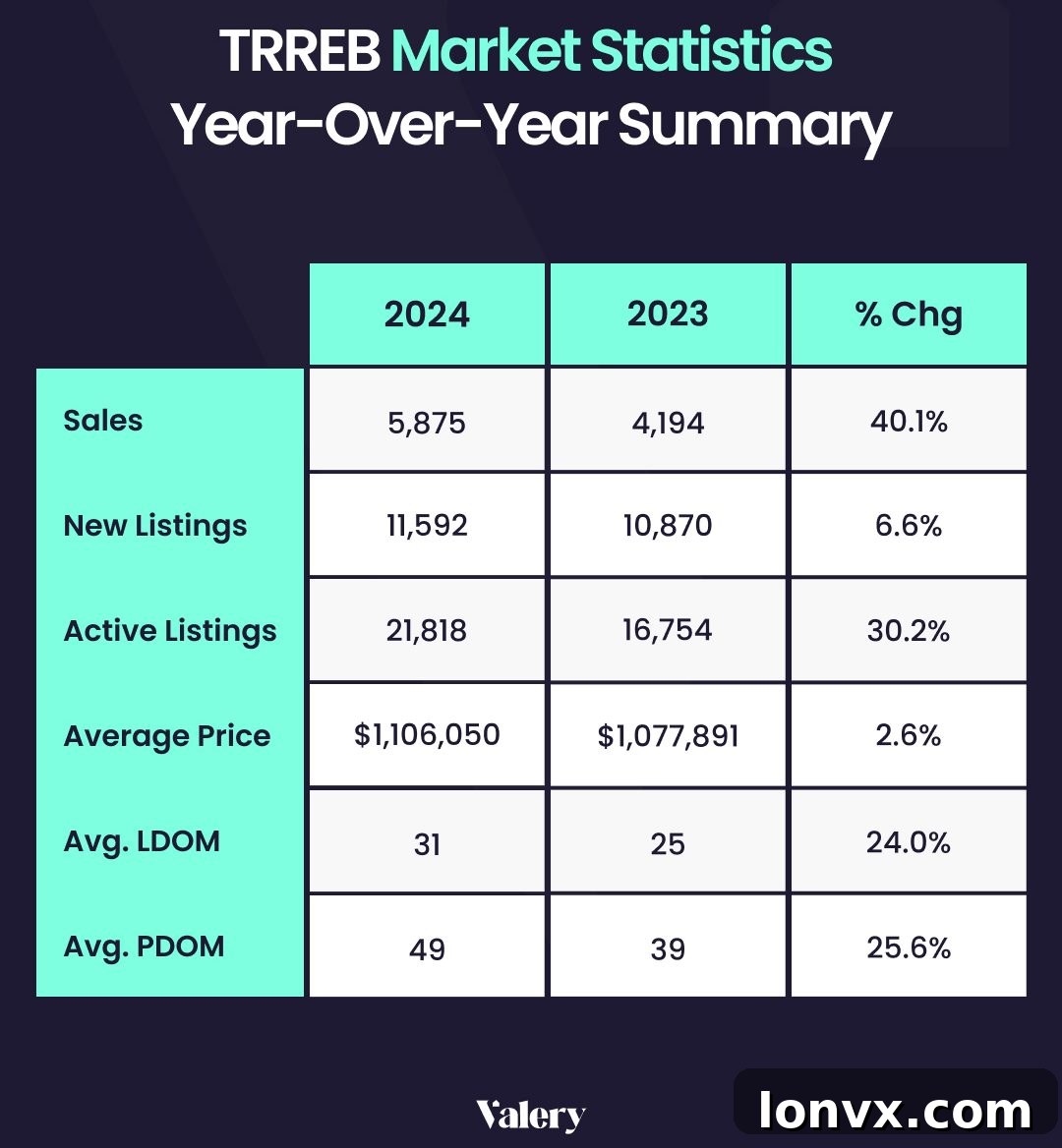
The impressive 40.1 percent year-over-year increase in home sales undoubtedly stands out as a headline figure in the latest TRREB Market Watch report. This robust jump signals a palpable return of buyers to the market, many of whom had adopted a “wait-and-watch” approach over the past year due due to elevated interest rates and pervasive economic uncertainty. This renewed buyer confidence is a promising indicator of shifting sentiment. However, it is crucial to contextualize this growth: November 2023, the baseline for this comparison, was an exceptionally slow month for sales, which naturally amplifies the perceived year-over-year surge. While the growth is real, its dramatic percentage is partly a reflection of the depressed activity in the previous year.
On the supply front, new listings saw a more modest increase of 6.6 percent compared to the previous year. This rate of new inventory introduction is considerably slower than the pace of sales, leading to tighter market conditions where buyers often find themselves competing for a relatively limited selection of properties. This disparity suggests that while demand is picking up, the flow of new homes onto the market hasn’t fully kept pace. In contrast, active listings—the total number of homes available for sale at any given time—surged by 30.2 percent year-over-year. This increase in the overall inventory provides some much-needed relief for prospective buyers, offering more choices and reducing the pressure to make quick decisions. It also indicates a growing flexibility among sellers, who are increasingly adjusting their expectations and pricing strategies in response to evolving market dynamics.
The sales-to-new-listings ratio, currently at 41 percent, serves as a critical indicator of market balance. A ratio between 40-60 percent is generally considered indicative of a balanced market, meaning that while sales activity has significantly improved, the supply of new homes, despite its modest growth, has prevented the market from becoming overly competitive or overheated. This balance benefits both buyers, who now have more options and negotiation leverage, and sellers, who can still achieve favorable outcomes, particularly in specific property segments such as sought-after single-family homes in desirable locations. The equilibrium also suggests that government policies, including those designed to bolster the purchasing power of first-time buyers, are being absorbed into a market that isn’t spiraling out of control, allowing for a more measured impact on affordability and access.
The interplay of these supply and demand factors creates a diverse landscape across the GTA. For instance, while certain areas might experience heightened competition for limited stock, others might see properties linger slightly longer, reflecting localized preferences and price sensitivities. Understanding these nuances is essential for both buyers looking to enter the market strategically and sellers aiming to maximize their property’s value. The current trend suggests a move away from the frantic pace of recent years towards a more sustainable and predictable market cycle, fostering greater confidence among all participants.
Pricing Trends: A Spectrum of Stability with Regional Distinctions
The average home price in the GTA witnessed a 2.6 percent year-over-year increase, settling just above the $1.1-million mark. This measured growth is a welcome development, signaling a return to more sustainable appreciation that aligns closely with general inflation rates. Unlike the aggressive, unsustainable price escalations observed in previous boom periods, this moderate pace supports a healthier housing ecosystem, benefiting both buyers who can plan their investments more reliably and sellers who can expect steady, rather than speculative, value retention. This stability is crucial for fostering long-term confidence in the market and preventing the formation of housing bubbles.
However, beneath this average, pricing dynamics vary significantly across different regions and property types, reflecting the multifaceted nature of the GTA market:
- Detached Homes in the 416 Area Code (Central Toronto): These properties experienced a robust 5.9 percent price increase. This strong performance underscores the enduring demand for single-family homes within Toronto’s core, driven by an inherent scarcity of inventory and a persistent buyer preference for space, privacy, and proximity to urban amenities. These homes often represent a premium investment, insulated by their limited supply and strategic locations.
- Condominiums in the 905 Area Code (Suburban GTA): In contrast, condo prices in the suburban 905 regions saw a notable decline of 7.6 percent. This trend highlights the affordability challenges faced by condo sellers in these areas, often due to an increased supply of units and shifting buyer preferences in a high-interest-rate environment. For buyers, this presents an opportunity to negotiate more favorable deals, potentially accessing homeownership at a lower entry point than in previous years. This segment is particularly sensitive to interest rate changes and new construction volumes.
- Townhouses in the 416 Area Code (Central Toronto): Townhouses in the 416 area experienced a 6.1 percent price decrease. This segment reveals softer demand, possibly due to increased competition from more affordably priced condominium units, especially for buyers prioritizing location over sheer square footage. As interest rates remain a factor, buyers might be opting for smaller, more manageable properties that offer a better value proposition within the core.
These distinct pricing trends illustrate that the GTA housing market is far from monolithic. Affordability, specific location attributes, and the type of property are profoundly influencing buyer decisions and investment strategies. A buyer’s budget, lifestyle needs, and investment horizon will dictate which segment of the market offers the best opportunities. Similarly, sellers must understand these localized nuances to price their properties competitively and attract the right buyers. The era of broad market generalizations has given way to a landscape where hyper-local analysis is paramount for success.
A Deliberate Evolution in Buyer and Seller Behaviour
A significant behavioral shift is evident in the GTA real estate market, underscored by a 24 percent increase in the average days on market compared to the previous year. This extended timeline signifies a more deliberate and measured approach from buyers. No longer driven by the intense pressure of bidding wars and rapidly escalating prices, buyers are now taking their time to thoroughly explore available options, conduct due diligence, and evaluate properties against their specific needs and financial parameters. This reduced sense of urgency can be directly attributed to the stabilization of borrowing costs, which allows for more predictable mortgage payments, and the increased inventory of active listings, which provides a greater breadth of choice and reduces the fear of missing out.
Sellers, too, have demonstrated remarkable adaptability in this evolving environment. In previous hot markets, it was common practice for sellers to strategically re-list properties to generate renewed interest or create a false sense of urgency. Today, many sellers are choosing to keep their homes listed for longer periods, aligning with a more patient and thoughtful market dynamic. This shift indicates a collective recognition that the market is finding a new equilibrium, where transactions are less speculative and more grounded in value. The emphasis has moved from speed to suitability, fostering an environment where negotiations are more thoughtful, transparent, and ultimately, more satisfying for both parties.
This deliberate pace benefits the overall health of the market. Buyers feel less pressured, leading to more informed decisions and potentially reducing instances of buyer’s remorse. For sellers, while the sales process might take longer, it often results in a more stable and predictable outcome, attracting serious buyers who are genuinely invested in finding the right home. The market is maturing, moving away from frantic, emotional decisions towards rational, well-considered transactions. This increased transparency and reduced pressure contribute to a more sustainable housing market, fostering trust and confidence among all participants.
Foundations for a Sustainable Recovery in 2025
The outlook for the Greater Toronto Area housing market in 2025 is characterized by cautious optimism. Several key factors are converging to support a more sustainable and steady recovery. According to TRREB President Jennifer Pearce, the expectation of lower borrowing costs will significantly enhance affordability and buyer confidence, making homeownership more accessible to a broader segment of the population. Furthermore, a consistent and steady supply of active listings will continue to offer buyers greater choice and reduce market intensity. The fact that average prices remain below their historic peaks also offers a psychological advantage, reassuring buyers that they are not entering a market at its absolute highest point and allowing for future appreciation.
This anticipated environment promises to benefit both buyers and sellers, fostering a truly balanced market. Buyers will find themselves with increased negotiation power and more options, while sellers can expect fair pricing and a reliable sales process. The emphasis will shift from speculative gains to long-term value and stability, making the market more predictable and less prone to rapid fluctuations. This sustainable trajectory is vital for ensuring the long-term health of the region’s housing sector.
However, the pace and scale of this recovery will inevitably be shaped by a confluence of external factors. Continued population growth in the GTA, driven by immigration and internal migration, will exert constant upward pressure on demand. Potential policy changes at municipal, provincial, and federal levels—such as adjustments to zoning laws, foreign buyer taxes, or first-time buyer incentives—could significantly influence market dynamics. Moreover, broader economic uncertainty, including inflation trends, interest rate decisions by central banks, and the global geopolitical landscape, all hold the potential to impact borrowing rates and overall housing affordability. These elements underscore the critical need for ongoing market adaptability from all stakeholders, ensuring that the GTA housing market can navigate future challenges and continue its path toward a robust and resilient future.
Ultimately, the vision for 2025 is one of a mature and stable market where growth is measured, affordability is a key consideration, and both buyers and sellers can operate with confidence. This balanced approach is essential for the long-term economic health of the GTA and for ensuring that housing remains accessible and equitable for its diverse population.