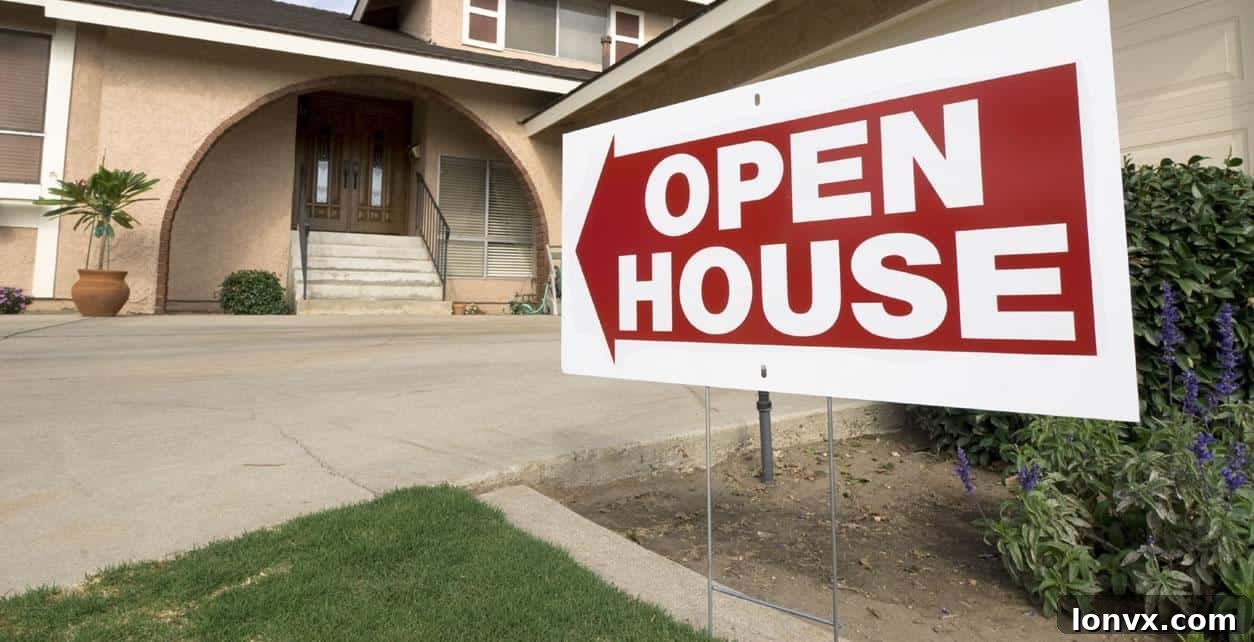
In the dynamic world of real estate, opportunities abound for those willing to seize them. One such opportunity, often debated yet consistently effective when approached correctly, is the open house. Rather than viewing it as a passive necessity, consider the immense potential of hosting an open house as a proactive strategy for business growth and unparalleled networking. For the astute real estate professional, an open house isn’t just about selling a specific property; it’s about making genuine connections, expanding your sphere of influence, and ultimately, building a robust client base. If your primary goal is to foster meaningful relationships and elevate your professional network, then actively engaging with people face-to-face is undeniably crucial. In an industry increasingly reliant on digital interactions, the tangible experience of an open house offers a distinct advantage, providing a fertile ground for converting casual visitors into loyal clients and generating valuable referrals.
How do you approach your open houses? Do you have a well-defined style, a strategic format, or a proven methodology that guides your efforts? Or do you find yourself treating them as haphazard obligations, perhaps sitting patiently (or impatiently) in a vacant living room on a beautiful weekend afternoon, quietly hoping for the clock to tick faster, or even succumbing to a momentary slumber? Are open houses merely a means to justify a potentially large commission, or do you truly leverage them as a legitimate, powerful lead generation tool? The difference in approach often dictates the difference in results, transforming what could be a mundane task into a highly productive engagement.
It’s true that opinions on open houses vary widely within the real estate community. Some agents swear by their effectiveness, celebrating consistent successes, while others dismiss them as a complete waste of their invaluable time. Early in my career, I confess I belonged to the latter camp. I found their inherent passivity unappealing, reminding me of long, uneventful hours spent in new home sales offices. If a seller inquired about hosting an open house, my default response was often that they were inefficient and an unnecessary intrusion into their privacy. My perspective, however, was destined for a significant shift.
Over the years, as I observed the undeniable and growing popularity of open houses, my initial skepticism began to wane. I started to reconsider their value, particularly when comparing them to the often-elusive nature of leads generated through passive newspaper advertisements or anonymous internet inquiries. Unlike disembodied voices on the phone or easily ignored emails, visitors to an open house are physically present, making it much harder for them to simply “hang up” or “delete.” This realization prompted me to give them a serious try, and looking back, I am profoundly glad I did. The direct, human element of an open house offers a distinct advantage that digital interactions often cannot replicate.
The Unrivaled Advantages of Hosting an Open House
Open houses stand out as one of the most direct and effective tangible opportunities to personally meet and greet real people. These individuals share an immediate common interest with you: real estate. You’re operating on your own “turf,” in an environment you control, which creates a comfortable and professional setting. Crucially, people actively come to you. They are presumably in search of a home, and you are positioned as the provider, the facilitator of their aspirations. You have immediate access to the “product” – the property itself – and the unique ability to help transform their homeownership dreams into a tangible reality. This immediate common ground and controlled environment lay a powerful foundation for building rapport.
The array of visitors you might encounter at an open house is diverse. Some may indeed be curious neighbors, simply taking a peek at properties in their area. Others might be “dreaming drifters,” seeking inspiration for decorating ideas or fantasizing about future homeownership. It’s important to recognize that even these visitors hold value. At the very least, you are meeting new people, and as the saying goes, “people know people.” Embrace every interaction as a chance to kindle new connections and significantly expand your professional business sphere. Make it a practice to collect names and contact information – even from those who may not seem like immediate prospects. You never know when these individuals might evolve into future clients or become valuable sources of referrals down the line.
Beyond the curious onlookers, a significant portion of your open house visitors will be active home searchers. While some may already be established with an agent, a surprising number will be “orphans” – buyers navigating the market without dedicated representation. Despite the prevalent modern trend where most buyers initiate their search online, people still value the physical experience of driving around, exploring neighborhoods, and stepping inside properties. Virtual tours and captivating slideshows are undoubtedly excellent tools, but they cannot fully replicate the sensation of “feet on the ground,” the feeling of walking through a space, or understanding its true dimensions and ambiance. Even if a visitor doesn’t fall in love with your specific open house, you are still gifted with a precious, albeit tiny, window of opportunity to connect with them on a personal level. Frankly, in my extensive experience, it’s relatively rare for an agent to sell their *own* listing directly from an open house. However, a great number of guests encountered at open houses ultimately go on to purchase *something*, and that “something” could very well be with your assistance.
Converting Visitors into Prospects: Beyond the Obvious Sale
It’s a common observation that people are often drawn to properties that extend beyond their current financial means, touring homes that are completely outside their affordability range. I frequently encountered numerous individuals who, while interested, were not qualified to purchase the specific luxury listing I was showcasing. When someone appears at the door of your high-end property, perhaps looking less sophisticated or roughly attired, it’s crucial to resist the arrogant (and potentially mistaken) urge to immediately judge them as unworthy. Professionalism dictates treating every visitor with respect and genuine interest. Make a concerted effort to connect with them, engage in conversation, and endeavor to convert them into prospects for another, more affordable property that better suits their budget and needs. A respectful, non-judgmental attitude can make a profound impression and often elicits a favorable response, opening doors to future business.
Conversely, even if a luxurious home is within a visitor’s financial means, there’s a strong possibility they might not find it suitable for their specific tastes or requirements anyway. Then again, they just might. The key, regardless of their immediate interest in the property, is to establish the foundation of a good working relationship. If you successfully connect with them and build rapport, you may very well sell them something more suitable from your portfolio. Just as you would prepare for ad callers by having detailed information on comparable properties readily accessible, you should approach open houses with similar foresight. Be intimately aware of other active, similar listings in the area. This strategic preparedness allows you to immediately present alternative options to your visitors if they don’t like or cannot afford the specific property you are showcasing. This proactive approach demonstrates your market knowledge and your commitment to helping them find their ideal home, solidifying your position as a trusted advisor.
Elevating the Open House Experience: Engaging Strategies
Would you agree that transforming the open house experience into something truly interesting and memorable for your guests is an exceptionally smart idea? Instead of merely acting as a passive gatekeeper while visitors casually wander through the property, seize the opportunity to “spice it up” for them. Your goal should be to create an unforgettable event, one that makes your competitors’ open houses pale in comparison. This is your prime chance to “sell yourself” – to showcase your expertise, your enthusiasm, and your commitment to client service. An engaging open house isn’t just a showing; it’s a demonstration of your brand.
To truly allow your guests to relax, linger, and fully absorb the information, consider incorporating technology. Bring your laptop or tablet and connect it to a flat-screen TV within the home, if available. Use this setup to display a captivating slideshow of assorted comparable listed properties in the area. Alternatively, have your MLS search engine open, ready to pull up other relevant listings. While visitors are physically present in the house, use this opportunity to dynamically show them “your wares” – not just the current listing, but your breadth of knowledge and the full scope of what you can do for them. This is the time to be animated and informative, to “sing and dance” so to speak, illustrating your value proposition in a compelling way.
This interactive approach can significantly heighten engagement. You might capture their interest with a competitor’s listing they had been curious about, or even introduce them to a home they were entirely unaware of. For visitors who are already homeowners, if they are impressed by your respectful, professional demeanor, your expert presentation, and your sophisticated marketing skills, you might just earn their listing when they decide to sell. The longer you are able to keep visitors interested and engaged in a meaningful conversation, the greater the likelihood you will establish the beginnings of a strong, lasting professional connection that extends far beyond the current property. This strategic engagement transforms a simple viewing into a powerful lead-generation and relationship-building event.
Maximizing Your Open House Investment: Beyond the Showing
To truly maximize the return on your open house investment, it’s essential to implement robust lead capture and follow-up strategies. A well-designed sign-in sheet is paramount. Beyond just a name and email, consider including optional fields for phone numbers, whether they are working with an agent, their ideal move-in timeframe, and specific property needs. Emphasize that this information helps you tailor their experience and provide relevant updates. Gentle, conversational questioning during their visit can also help you quickly qualify prospects without making them feel interrogated. Understanding their motivations and timelines allows you to prioritize your follow-up efforts effectively.
The immediate post-open house period is critical. Don’t let valuable leads grow cold. Aim to send personalized follow-up emails or make calls within 24-48 hours. Reference specific details from your conversation to make the interaction memorable and reinforce the connection. For instance, “It was a pleasure meeting you at 123 Main Street today. I recall you mentioned a preference for a large backyard; I’ve found a few other properties that might be a great fit, would you be open to a brief call to discuss?” Integrate these new leads directly into your Customer Relationship Management (CRM) system. This ensures that even non-immediate prospects are entered into a nurturing sequence, receiving relevant market updates, property alerts, and valuable content that keeps you top-of-mind until they are ready to make a move. Long-term nurturing is key to converting future business from today’s casual visitor.
Finally, remember that the success of an open house isn’t solely measured by immediate sales, but by the quality of connections made and the leads generated. After each event, take time to analyze what worked well and what could be improved. Were the signs clear? Was the property well-staged? Did your engagement techniques resonate with visitors? By continuously refining your approach, you transform open houses from a mere marketing activity into a powerful, consistent engine for client acquisition and business growth. They are not just about opening a door; they are about opening opportunities.
In the next column, I’ll continue this vital topic, offering further insights and strategies to help you truly enrich and optimize the open house experience. For those eager to delve deeper immediately, I invite you to explore my book, The Happy Agent, which is widely available wherever print or e-books are sold, including at various real estate board stores.