Cutting Through the Clutter: Crafting a Real Estate Newsletter That Connects
In today’s hyper-connected world, homeowners are bombarded with an overwhelming volume of digital communication. Estimates suggest individuals encounter thousands of messages daily, from social media notifications to endless email promotions. In this relentless digital deluge, merely sending out a newsletter is no longer enough to capture attention, let alone build lasting relationships. The critical question for any real estate professional, then, becomes: How do you ensure your real estate newsletter isn’t just another ignored message, but a valued, anticipated resource?
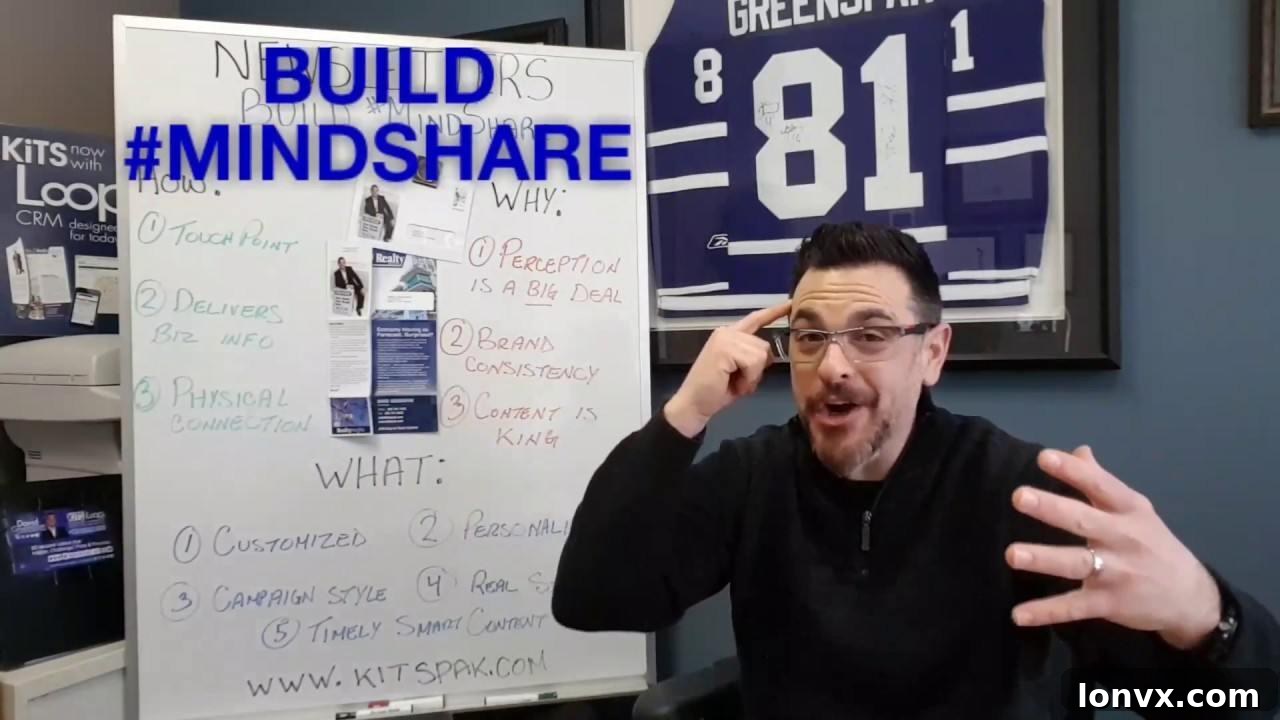
The answer, as insights from industry leaders like David Greenspan consistently emphasize, lies in a strategic approach focused on two pillars: delivering only highly targeted real estate information and meticulously building a genuine connection with your clients. This article will delve into the art and science of creating newsletters that resonate, transform passive readers into engaged prospects, and position you as an indispensable local expert.
The Digital Deluge: Why Your Newsletter Must Be Exceptional
The sheer volume of information vying for our attention has profoundly reshaped consumer behavior. People have become adept at filtering, scanning, and deleting content that doesn’t immediately offer value or relevance. For real estate agents, this presents a significant challenge. A generic newsletter filled with broad market overviews or uninspired property listings is unlikely to survive the split-second decision-making process of a busy homeowner. It’s akin to shouting into a hurricane – your message is simply lost amidst the noise.
To overcome this, your real estate newsletter must earn its place in the inbox. It needs to demonstrate a clear understanding of your audience’s needs, speak directly to their interests, and offer something genuinely useful or insightful. This means moving beyond the traditional sales pitch and embracing a role as an information curator and trusted advisor.
Beyond the Generic: The Power of Targeted Real Estate Information
What exactly constitutes “targeted real estate information,” and why is it so crucial? Targeted content is specific, relevant, and personalized to the recipient’s geographic location, interests, and stage in their homeownership journey. It’s the antithesis of a one-size-fits-all approach.
Consider the difference: a generic newsletter might state, “The housing market is shifting.” A targeted newsletter, however, would say, “Median home prices in the Maplewood Heights neighborhood increased by 3.5% last quarter, with average days on market decreasing to 28, indicating strong buyer demand for well-priced homes in this specific area.” The latter offers actionable, local intelligence that directly impacts a homeowner in Maplewood Heights, making it infinitely more valuable.
Examples of Highly Targeted Content:
- Hyper-Local Market Updates: Provide granular data for specific neighborhoods or even sub-districts. Include details on average sale prices, new listings, pending sales, days on market, and inventory levels.
- Neighborhood Spotlights: Feature local businesses, community events, school district news, park developments, or infrastructure projects that affect specific areas. This positions you as deeply connected to the community.
- Seasonal Homeowner Tips: Offer advice pertinent to the time of year and local climate, such as preparing for winter storms, spring landscaping, or summer maintenance specific to homes in your service area.
- Buyer/Seller Guides by Persona: Tailor content for first-time buyers, empty nesters looking to downsize, luxury home sellers, or real estate investors. Each group has distinct needs and questions.
- Local Legislative Updates: Inform clients about property tax changes, zoning adjustments, or local ordinances that could impact their property value or living situation.
- Community Success Stories: Share brief, anonymized (with permission) stories of local families you’ve helped, showcasing real-life impacts within their shared community.
By focusing on this level of specificity, you demonstrate genuine expertise and an understanding of your clients’ immediate environment. This isn’t just marketing; it’s providing a service that your clients can’t easily find elsewhere, cementing your position as a trusted advisor rather than just a salesperson.
Forging Connections: Building Relationships Through Your Newsletter
Beyond delivering precise data, the ultimate goal of your newsletter should be to foster a deeper connection with your audience. People work with agents they know, like, and trust. Your newsletter is a powerful tool to cultivate these essential elements.
Strategies for Building Connection:
- Showcase Your Personality: While maintaining professionalism, don’t be afraid to let your authentic voice shine through. Share a brief personal anecdote (non-controversial, related to home or community) or a professional philosophy.
- Be Consistent and Reliable: Regular, predictable delivery of high-quality content builds trust. Your readers will learn to expect valuable insights from you at a specific cadence.
- Encourage Interaction: End your newsletters with open-ended questions, invite feedback, or prompt readers to share their thoughts on a local issue. Include a clear, easy way for them to reply or reach out directly.
- Share Your Expertise (Not Just Data): Explain why certain market trends are occurring or what implications they might have. Offer your professional perspective and analysis, demonstrating your thought leadership.
- Highlight Client Successes (Ethically): With client permission, share snippets of positive experiences. “We recently helped the Smith family find their dream home in Willow Creek, navigating multiple offers to secure a fantastic deal!” This builds social proof and warms potential clients.
- Feature Local Personalities or Causes: Interview a local business owner or highlight a community charity event you’re involved with. This further embeds you within the local fabric and showcases your values.
The aim is to make your newsletter feel less like a mass email and more like a personalized communication from a knowledgeable friend who genuinely cares about their well-being and their most significant asset: their home.
Crafting an Irresistible Real Estate Newsletter: Best Practices
Executing a targeted, connection-building newsletter requires more than just good intentions; it demands strategic planning and adherence to best practices.
Key Elements for Newsletter Success:
- Compelling Subject Lines: This is your first and often only chance to grab attention. Use clear, benefit-driven, and intriguing subject lines. Examples: “Your [Neighborhood] Market Update: What Happened Last Month?” or “Thinking of Selling? Avoid These Common Mistakes in [City/Town].” Avoid clickbait; always deliver on the promise.
- Clean and Engaging Design: Visual appeal matters. Use a professional template that is clean, easy to read, and mobile-responsive. Incorporate high-quality images (e.g., local landmarks, attractive property shots, professional headshots). Break up text with headings, subheadings, and bullet points.
- Balanced Content Strategy: Don’t just list properties. Mix market data with helpful homeowner tips, local news, and a touch of personal insight. Strive for an 80/20 rule: 80% valuable information, 20% promotional content (subtle calls to action).
- Clear Call to Action (CTA): Every newsletter should have a clear primary purpose. Do you want them to visit your website? Request a home valuation? Schedule a consultation? Make the CTA prominent and easy to follow. Limit yourself to one main CTA per newsletter to avoid overwhelming the reader.
- Audience Segmentation: This is paramount for targeting. Categorize your contacts (e.g., past clients, current buyers, potential sellers, investors, sphere of influence) and tailor content specific to each segment. A first-time homebuyer needs different information than an experienced investor.
- Optimal Frequency: Find a balance that keeps you top-of-mind without becoming annoying. Bi-weekly or monthly is often ideal for real estate newsletters. Consistency is more important than frequency.
- Measure and Adapt: Utilize email marketing analytics (open rates, click-through rates, bounce rates) to understand what resonates with your audience. A/B test different subject lines or content types. Continuously refine your strategy based on data.
The David Greenspan Approach: A Blueprint for Enduring Success
The principles advocated by industry thought leaders like David Greenspan underscore a fundamental shift in real estate marketing: from transactional to relational. His perspective reinforces that in a world saturated with information, true influence comes from providing unparalleled value and fostering genuine human connections. It’s about demonstrating consistent expertise, reliability, and an authentic commitment to client success long before a transaction even begins.
This approach transforms your newsletter from a mere advertising vehicle into a powerful client retention and trust-building mechanism. It positions you not just as an agent who facilitates transactions, but as a trusted consultant, a neighborhood expert, and a valuable resource for all things home-related.
Conclusion: Your Newsletter as Your Strategic Edge
In a landscape where homeowners are constantly inundated with digital noise, your real estate newsletter holds immense potential to cut through the clutter. By embracing the strategy of delivering only highly targeted, relevant real estate information and prioritizing the cultivation of authentic client connections, you can elevate your communication from ignored spam to eagerly anticipated insight.
Adopt these principles, refine your content, and leverage your newsletter to not just market properties, but to build lasting relationships, establish unwavering trust, and solidify your position as the go-to real estate expert in your community. Your next success story could very well begin in their inbox.