Comprehensive Guide to Home Security Systems and Sensors: Protecting Your Property and Peace of Mind
In an increasingly complex world, the need for robust security solutions has never been more critical. A well-designed security system serves a dual purpose: safeguarding the health and safety of occupants and providing an impenetrable barrier against potential intruders or unforeseen environmental hazards. Modern security systems are far more sophisticated than simple alarms; they are integrated networks of devices designed to detect, deter, and inform. The primary differentiators among the myriad of security systems available today lie in the diverse types of sensors utilized and the method by which the entire system is monitored and managed.
Understanding the various components and their functions is key to selecting a system that perfectly aligns with your specific needs, whether for a residential home, a commercial establishment, or even specialized environments. From basic intrusion detection to advanced environmental monitoring, security technology offers a wide array of options to create a truly secure space. Let’s delve into the world of security sensors and systems, exploring how they work and the vital role they play in modern safety strategies.
The Foundation of Modern Security: What is a Security System?
At its core, a security system is a sophisticated network of electronic devices working in concert to detect unwanted intrusions or environmental emergencies, alert property owners or monitoring centers, and often deter potential threats. Its primary objective is to protect property from theft, vandalism, and damage, and to ensure the personal safety and well-being of those within the premises. Beyond simply triggering an alarm, contemporary systems offer unparalleled peace of mind through constant vigilance and immediate communication capabilities.
Core Components of a Robust Security System
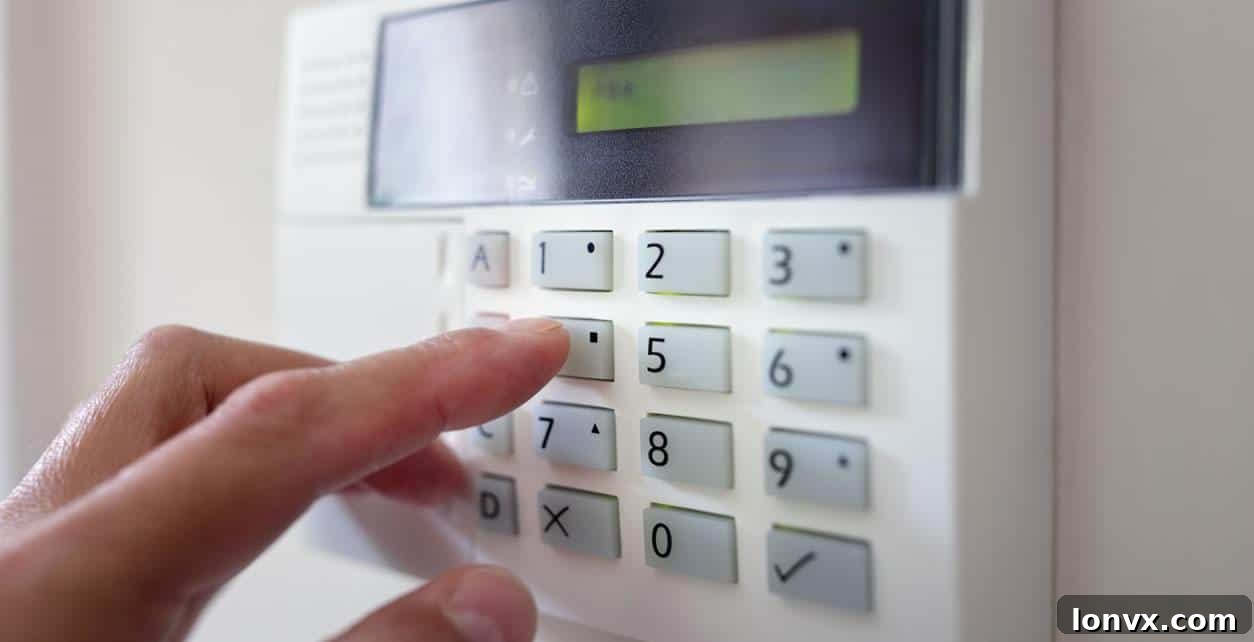
- Control Panel: The brain of the system, it processes data from all sensors, manages system settings, and communicates with monitoring services or directly with the owner.
- Sensors: These are the eyes and ears, detecting specific events like motion, opening doors, broken glass, or changes in environmental conditions.
- Sirens/Alarms: Audible deterrents designed to alert occupants and neighbors, and often to scare off intruders.
- Monitoring Services: Can range from self-monitoring via smartphone apps to professional monitoring centers that dispatch emergency services.
- Communication Devices: Allow the system to send alerts through cellular, Wi-Fi, or landline connections.
Unpacking the Diverse World of Security Sensors
The effectiveness of any security system largely depends on the quality and variety of its sensors. These ingenious devices are engineered to identify specific threats or changes in an environment, acting as the frontline defenders of your property. Here are some of the most common and advanced types of security sensors:
Motion Sensors: Your Invisible Guardians
Motion sensors are perhaps the most widely recognized components of a security system, serving as an excellent first line of defense. These devices detect movement within a specified area, often triggering alarms, security lights, or even cameras. Modern motion sensors utilize various technologies:
- Passive Infrared (PIR) Sensors: These sensors detect changes in infrared energy, which is emitted as heat by living beings. When a warm body moves into the sensor’s field of view, it registers a change in infrared levels and triggers an alert. Advanced PIR sensors are often “pet-immune,” meaning they can differentiate between the heat signatures and movement patterns of small pets (typically up to 30-40 lbs) and larger human intruders, significantly reducing false alarms.
- Microwave Sensors: These emit microwave pulses and measure the reflection. A change in the reflected pattern indicates movement. They are less prone to false alarms from temperature changes but can be triggered by movement outside the monitored area if not properly calibrated.
- Dual-Technology Sensors: Combining PIR and microwave technologies, these sensors offer enhanced accuracy by requiring both technologies to register an event before an alarm is triggered, further minimizing false alerts.
Motion sensors are versatile, suitable for both indoor and outdoor applications, and can be integrated with smart home systems to automate lighting, climate control, and other functions upon detecting presence.
Door and Window Opening Detectors: Securing Your Entry Points
These are arguably the most fundamental and popular type of security sensor, providing crucial alerts if someone attempts to gain unauthorized access through an entry point. They typically consist of two parts:
- Magnetic Contact Sensors: One part is mounted on the door or window frame, and the other on the moving door or window itself. When the door or window is closed, a magnetic field is established between the two parts. If the door or window is opened, the magnetic contact is broken, triggering an immediate alert to occupants and the security system.
- Recessed Sensors: These are discreetly installed within the door or window frame, making them virtually invisible.
Door and window sensors provide instantaneous alerts, warning occupants and monitoring services the moment an entry point is compromised. They are essential for a comprehensive perimeter defense strategy.
Glass Break and Noise Sensors: Detecting Forced Entry
While door and window sensors detect opening, glass break sensors are designed to identify forced entry through shattered windows. These sensors are engineered to listen for the specific frequencies and decibel levels associated with breaking glass:
- Acoustic Glass Break Detectors: These sensors use microphones to “listen” for the distinct sound of breaking glass. Advanced models can differentiate between the sound of a window shattering and other loud noises, reducing false alarms. They are typically placed in a room to cover multiple windows.
- Shock Sensors: Some sensors are attached directly to the windowpane and detect the vibrations caused by an impact or breakage.
These detectors are crucial for protecting vulnerable windows that might not have direct opening sensors, offering an additional layer of security against determined intruders.
Video Surveillance: Eyes on Your Property
Video surveillance systems are indispensable for both deterring crime and providing crucial evidence should an incident occur. They record activities in designated areas, allowing for real-time monitoring and post-event analysis:
- CCTV (Closed-Circuit Television): Traditional analog cameras connected to a DVR (Digital Video Recorder) for local storage.
- IP Cameras (Internet Protocol Cameras): Digital cameras that connect to a network (NVR – Network Video Recorder or cloud storage), offering higher resolution, remote access, and advanced analytics.
- Remote Monitoring: Many modern systems allow users to view live feeds or recorded footage from anywhere in the world via smartphones, tablets, or computers.
- Smart Features: Advanced video surveillance often includes motion detection, facial recognition, object tracking, night vision, and two-way audio, providing comprehensive visual security and actionable intelligence.
Video surveillance offers invaluable visual verification, allowing property owners to see what’s happening at all times and providing critical data for law enforcement.
Environmental Monitoring: Beyond Intruder Detection
Security systems are not just about protecting against burglars; they also play a vital role in safeguarding against environmental hazards that can threaten health and property.
Carbon Monoxide and Smoke Detectors: Protecting Lives
These life-saving devices are often seamlessly integrated into comprehensive security systems. They alert occupants to the presence of dangerous gases or fire, allowing for timely evacuation and emergency response:
- Smoke Detectors: Detect smoke particles, indicating a potential fire. They use either ionization or photoelectric technology.
- Carbon Monoxide (CO) Detectors: CO is an odorless, colorless, and deadly gas. These detectors sense CO levels and alert occupants before the gas reaches dangerous concentrations.
Integration with a central security system means that if an alarm is triggered, not only will an audible warning sound, but emergency services can also be automatically notified, even if no one is home.
Temperature Sensors: Guarding Against Extremes
Temperature sensors protect against property damage caused by extreme temperatures:
- Low Temperature Detection: These sensors can detect dangerously low temperatures (e.g., below 40°F/4°C) which may cause pipes to freeze and burst, leading to significant water damage. They are particularly valuable in unoccupied homes during winter months.
- High Temperature Detection: Conversely, high temperature sensors can indicate an overheating furnace or the early stages of a fire, providing an additional layer of protection beyond smoke detectors.
By providing early warnings, these sensors can prevent costly repairs and significant structural damage.
Water Sensors: Preventing Costly Leaks
Water damage is one of the most common and expensive home insurance claims. Water sensors provide early detection of leaks, helping to mitigate potential damage:
- Leak Detection: These sensors are typically placed in areas prone to leaks, such as near washing machines, water heaters, dishwashers, sump pits, or in basements.
- Flood Detection: Some sensors can also detect rising water levels from foundation leaks or overflowing fixtures.
Upon detecting moisture, the system can send alerts, allowing property owners to take immediate action, potentially saving thousands in repair costs.
Specialized Sensors for Unique Needs
Pressure Mats: Discreet Entry Alerts
Pressure mats are a subtle and often overlooked component of security systems. Installed discreetly under rugs or flooring near entry points, they activate when someone steps on them. This indicates that someone has entered a specific area, often used:
- To confirm an intruder’s presence after an initial perimeter breach.
- As a silent alert for caregivers monitoring an elderly person.
- In retail environments to signal customer entry.
They provide an additional layer of covert detection, especially useful in conjunction with other sensors.
Vibration Sensors: Seismic and Impact Detection
Vibration sensors detect physical vibrations or impacts. While not as common in standard residential setups, they are crucial in specific applications:
- Earthquake-Prone Areas: In regions susceptible to seismic activity, these sensors can provide early warning of an earthquake’s initial sound waves or ground tremors before the more destructive waves arrive, allowing for a few precious seconds to seek cover.
- Structural Integrity Monitoring: They can monitor buildings for unusual vibrations that might indicate structural stress.
- Asset Protection: Used to protect high-value items, safes, or art installations from being tampered with or moved.
These sensors offer specialized protection against specific physical threats that other sensors might miss.
Pool Alarms and Sensors: Safeguarding Water Safety
Pool alarms are specifically designed to enhance safety around swimming pools, particularly for homes with children or pets. They activate if someone falls into the pool, providing critical early warning:
- Surface Wave Detectors: Sense disturbances on the water’s surface.
- Sub-Surface Detectors: Placed under the water, they detect changes in pressure or displacement.
- Gate Alarms: Alert if a pool gate is opened.
These devices are indispensable for preventing drowning accidents and ensuring responsible pool ownership.
Infrared Light Sensors: Advanced Presence Detection
Infrared (IR) sensors, often working in conjunction with other technologies, offer sophisticated presence detection capabilities:
- Passive Infrared (PIR) Sensors: As mentioned before, these detect emitted heat (infrared energy) from a body. If a body enters a room, the localized ambient temperature changes, and the PIR sensor registers this change.
- Active Infrared Sensors: These emit an infrared beam and detect if the beam is broken, often used in perimeter security or to monitor specific access points.
- Doppler Technology: Some advanced sensors combine PIR with Doppler technology. Doppler radar detects movement by sending out radio waves and analyzing the frequency shift of the reflected waves from a moving mass. This combination provides highly accurate and reliable detection, distinguishing between subtle environmental changes and actual intrusion.
These sensors are highly effective in various environments, from standard rooms to large open spaces, providing precise and reliable detection of human presence.
Choosing the Right Security System for You
Selecting the ideal security system involves considering several factors to match your specific needs and budget:
- Property Type and Size: A small apartment will have different requirements than a large multi-story house or a commercial building.
- Threat Assessment: Consider common local crime rates, specific vulnerabilities of your property, and potential environmental risks.
- Budget: Systems range from affordable DIY options to professionally installed and monitored high-end solutions.
- Monitoring Preference: Do you prefer self-monitoring via a smartphone app, or professional 24/7 monitoring that dispatches emergency services?
- Smart Home Integration: Many modern systems integrate seamlessly with other smart home devices (lights, thermostats, locks) for enhanced convenience and automation.
- Scalability: Choose a system that can be expanded with additional sensors or features as your needs evolve.
A thorough assessment of these points will guide you toward a security solution that offers optimal protection and functionality.
The Future of Home Security: Smart and Integrated
The landscape of security systems is continuously evolving, driven by advancements in artificial intelligence (AI), machine learning, and the Internet of Things (IoT). Future systems will be even more intuitive, predictive, and seamlessly integrated into our daily lives. Expect enhanced capabilities such as proactive threat assessment, personalized security profiles, and greater automation through voice control and advanced analytics. The goal is to create truly intelligent environments that not only react to threats but anticipate and prevent them.
Conclusion: Investing in Peace of Mind
In conclusion, a robust security system is an indispensable investment in modern living. By leveraging a diverse array of sensors—from motion detectors and door/window contacts to environmental monitors and advanced video surveillance—these systems provide comprehensive protection against a multitude of threats. They offer not just physical security for your property and assets, but also invaluable peace of mind for you and your loved ones. Understanding the capabilities of various sensors and choosing a system tailored to your unique requirements empowers you to create a secure, comfortable, and intelligent environment. Invest wisely in a security solution that allows you to live and work with confidence, knowing that your safety is expertly managed.