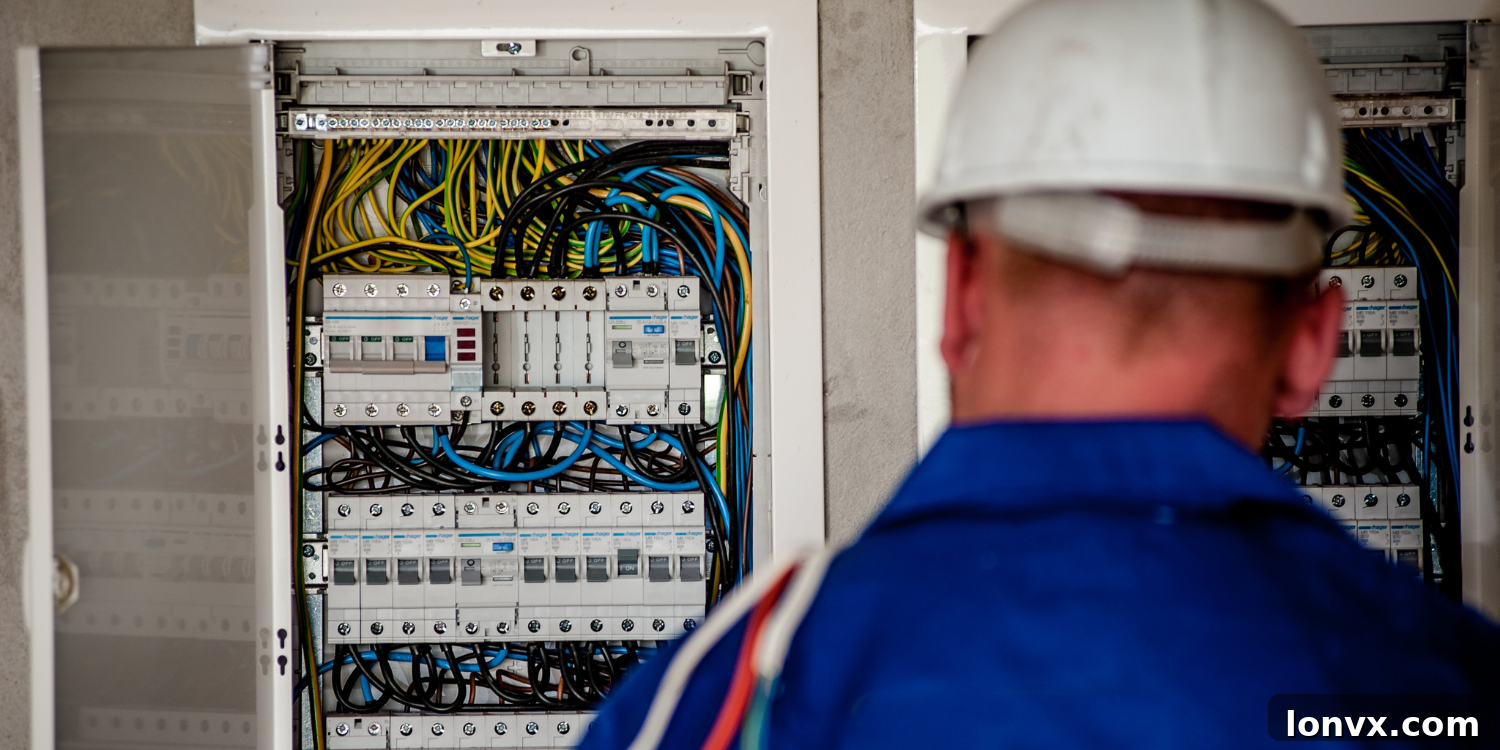
Navigating the complexities of homeownership involves understanding and mitigating various risks, and few are as critical as electrical safety. From minor inconveniences to potentially life-threatening hazards like fires or electric shock, electrical issues demand prompt and professional attention. For realtors, equipping prospective homebuyers with knowledge about common electrical problems isn’t just a professional courtesy; it’s a vital step in fostering confidence and ensuring peace of mind throughout the buying process and beyond. Understanding these challenges can help buyers feel more secure, whether during a property showing or after moving into their new home.
The Indispensable Role of Electrical Experts in Home Safety
The signs of an electrical problem can often be ambiguous, pointing to a multitude of underlying issues. This inherent complexity underscores the critical need for qualified electrical experts. A licensed electrician possesses the specialized knowledge and diagnostic tools to accurately pinpoint the root cause of an electrical anomaly, ensuring that the home and its occupants remain safe and that the electrical system operates efficiently and reliably. Attempting to address electrical problems without the proper expertise can not only exacerbate the issue but also pose significant safety risks.
Beyond simply fixing immediate problems, a trusted electrician serves as an invaluable resource for all homeowners. They can provide comprehensive inspections, offer preventative maintenance advice, and identify potential hazards before they escalate into major crises. For realtors, having a curated list of reputable local electricians on hand can be a thoughtful gesture, making future repairs and maintenance easier for your clients and reinforcing your commitment to their long-term well-being in their new property.
Five Critical Electrical Issues Every Homeowner Should Understand
1. Sparking, Loose, or Discolored Outlets: A Red Flag for Immediate Concern
One of the most alarming electrical issues a homeowner might encounter is a sparking outlet or one that appears loose or discolored. This isn’t just a minor annoyance; it’s a significant indicator of a serious underlying problem that warrants immediate attention. Sparks from an outlet often signal arcing, which occurs when electricity jumps through the air between two conductors. This phenomenon can be caused by faulty or loose wiring connections within the outlet, a worn-out receptacle, or an overloaded circuit. Loose outlets, where plugs don’t fit snugly, can also lead to intermittent connections and arcing. Discoloration, especially scorching or burn marks around the outlet, is an even more direct sign of overheating, indicating potential electrical fire hazards.
The dangers associated with sparking or loose outlets are severe, ranging from electrical fires to electric shock. Appliances plugged into such outlets can also be damaged due to inconsistent power supply. If you notice any of these signs—visible sparks, a buzzing sound coming from the outlet, a burning smell, or a receptacle that feels hot to the touch—it is imperative to unplug any devices immediately and contact a qualified electrician without delay. Ignoring these symptoms puts your home and family at undue risk.
2. Persistent Flickering Lights: More Than Just a Nuisance
While an occasional flicker might be attributed to a dying bulb or one that isn’t screwed in tightly enough, persistent or widespread flickering lights throughout a home often point to more profound electrical issues. After checking and replacing bulbs, if the problem persists, it could indicate several potential causes, each demanding professional evaluation. One common culprit is a loose connection somewhere in the electrical system, either at the light fixture itself, a wall switch, or even within the main service panel. Such loose connections can impede the steady flow of electricity, causing lights to dim and brighten erratically.
Another frequent cause of flickering is an overloaded circuit. Modern homes often have numerous electronic devices, and plugging too many high-wattage appliances into a single circuit can draw more current than it’s designed to handle, leading to voltage drops and flickering lights. Faulty switches, outdated wiring that struggles to meet modern electrical demands, or even issues with the utility company’s power supply can also manifest as flickering. While seemingly minor, consistent flickering should prompt a call to an electrician, as it could be a precursor to more severe problems, including potential fire hazards or damage to sensitive electronics.
3. The Unseen Threat: Rodent Damage to Electrical Wiring
The presence of rodents in a home extends beyond mere nuisance; it poses a significant threat to the electrical system. Rodents, particularly mice and rats, have an insatiable need to chew to keep their incisors trimmed. Unfortunately, electrical wiring, with its appealing texture and hidden locations, often becomes their target. They gnaw through the protective insulation around wires, exposing the conductive copper within. This exposed wiring creates a dangerous situation, as it can lead to short circuits, ground faults, and, most alarmingly, electrical fires. Rodents also have a penchant for nesting in warm, secluded areas, often near junction boxes or within wall cavities where electrical wiring is prevalent, further increasing the risk of damage.
Identifying rodent-related electrical damage can be challenging, as much of it occurs out of sight. However, subtle clues can emerge: unexplained power outages, buzzing sounds from within walls, or a persistent burning smell. Flickering lights, as mentioned earlier, can also be a symptom of rodent-damaged wiring. If rodents are discovered in the home, it’s crucial to inspect accessible areas like attics, crawl spaces, and basements for signs of chewed wires or nesting material. Addressing a rodent infestation promptly and following up with an electrical inspection is vital to prevent catastrophic electrical failures and ensure the safety of the home.
4. The Dangers of Hidden Short Circuits: Silent Threat Behind Walls
Short circuits represent one of the most perilous electrical problems a home can face. A short circuit occurs when an electrical current deviates from its intended path and flows through an unintended, low-resistance path, bypassing a portion of the circuit. This sudden surge of current can generate immense heat almost instantaneously, leading to tripped circuit breakers or blown fuses. While breakers and fuses are designed to protect against short circuits by interrupting the flow of electricity, the momentary surge and heat generated can still cause significant damage and pose a severe fire risk. The insidious nature of short circuits often lies in their hidden causes, lurking behind walls and ceilings.
Common causes of short circuits include damaged wire insulation, which can occur due to age, wear and tear, or rodent activity. Faulty appliance wiring, loose connections within outlets or switches, or even water infiltration coming into contact with live wires can also trigger a short. Signs of a short circuit include a sudden pop or bang, a burning smell, localized smoke, or frequently tripped circuit breakers. If a breaker trips immediately after being reset, it strongly indicates a persistent short circuit that requires immediate professional attention. Never ignore repeated breaker trips, as they are a critical warning sign of an underlying electrical fault that could compromise the entire electrical system and ignite combustible materials.
5. Preventing Overloaded Circuits in Our Electronically-Driven World
In an era where our lives are increasingly dependent on electronic gadgets and high-power appliances, overloaded circuits have become an incredibly common, yet often underestimated, electrical issue. An overloaded circuit occurs when it attempts to draw more electrical current than it is safely designed to handle. Each circuit in a home’s electrical panel has a specific amperage rating (e.g., 15 amps or 20 amps). Plugging in multiple devices, especially those with high wattage demands like hair dryers, microwaves, space heaters, or multiple computers, onto a single circuit can quickly exceed this capacity.
The immediate consequence of an overloaded circuit is typically a tripped circuit breaker, which is a safety mechanism designed to cut power to prevent overheating. While inconvenient, this protects the wiring from excessive heat that could melt insulation and ignite a fire. However, frequent breaker trips are a clear signal that the circuit is regularly overloaded and needs attention. Other signs include dimming lights when appliances turn on, warm or vibrating outlets and switch plates, or a burning smell emanating from outlets or the electrical panel. To mitigate this risk, it’s essential to understand the capacity of your home’s electrical circuits, distribute electrical loads evenly across different circuits, and avoid excessive use of power strips, which can often lead to “octopus wiring” and dangerous overloads. For older homes, or those with significant modern electrical demands, considering an electrical panel upgrade or adding dedicated circuits for high-power appliances can significantly enhance overall electrical safety and efficiency.
The Lifesaving Power of Preventative Electrical Maintenance
The importance of maintaining a home’s electrical system cannot be overstated. This is one key area that an annual home maintenance inspection thoroughly addresses. A professional home inspector will not only look for the five electrical issues discussed above but will also examine the entire electrical infrastructure, from the main service panel to wiring, outlets, and fixtures, to identify any potential problems or code violations. These inspections are an excellent opportunity for homeowners to bring up any issues they may have noticed throughout the year that weren’t immediately remedied, ensuring nothing is overlooked.
Preventative electrical maintenance offers far more than just peace of mind. By identifying and addressing minor issues sooner rather than later, homeowners can often save significant money by avoiding costly emergency repairs, extensive damage, or even catastrophic fires. Regular inspections, coupled with timely repairs and necessary upgrades, are crucial steps in maintaining a secure, efficient, and reliable electrical infrastructure for your home. This proactive approach not only safeguards against power disruptions and potential electrical hazards but also contributes to the longevity of the electrical system and the overall value of the property.
Securing Your Home: A Final Word on Electrical Safety
Understanding and proactively addressing common electrical issues is fundamental to maintaining a safe and functional home. For homebuyers, being aware of these potential hazards empowers them to make informed decisions and prioritize necessary repairs. For realtors, educating clients on these points not only demonstrates professionalism but also builds trust and confidence. By recognizing the warning signs of sparking outlets, flickering lights, rodent damage, short circuits, and overloaded circuits, and by committing to regular professional inspections, homeowners can significantly reduce risks and enhance the safety of their living space. Always remember, when it comes to electrical systems, it is always best to consult with qualified, licensed electricians to diagnose and repair any problems, ensuring your home remains a safe haven for everyone.