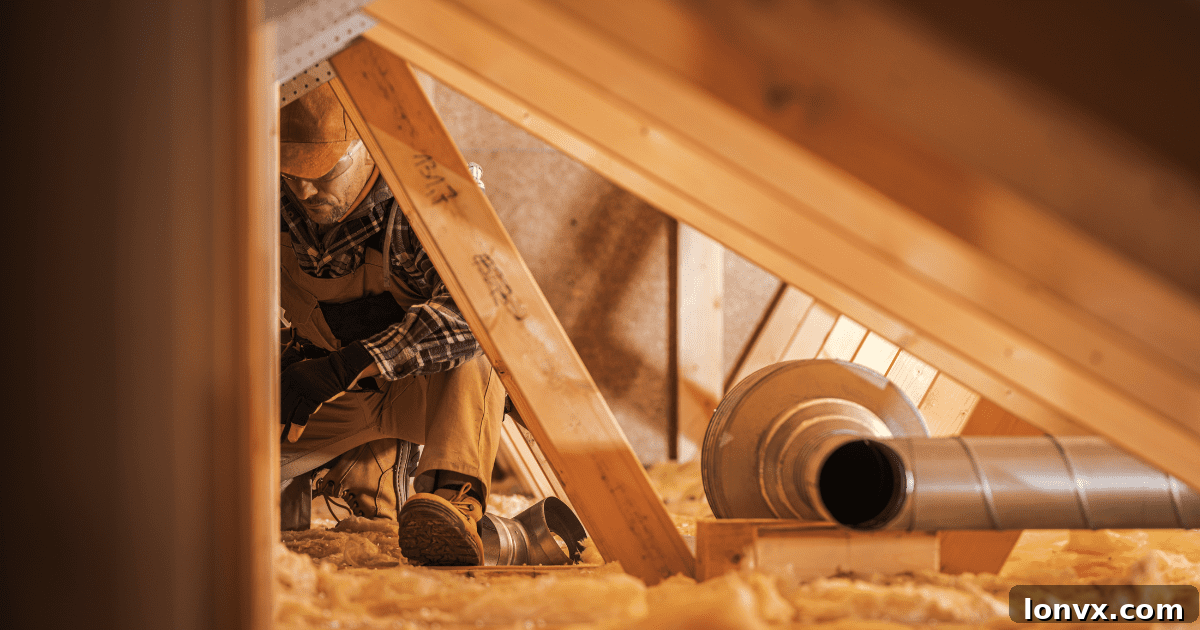
Essential Home Ventilation: Protecting Your Property and Health
Maintaining a healthy, safe, and structurally sound home environment hinges significantly on effective ventilation. Yet, for many homeowners and prospective buyers, critical venting issues often go unnoticed until they escalate into costly problems. Among the most frequently encountered ventilation deficiencies, professional home inspectors consistently identify two major culprits: bathroom fans improperly venting into attics and clothes dryers exhausting air directly inside homes instead of outdoors. Both scenarios introduce significant risks, ranging from severe structural damage and persistent mold growth to serious health concerns and potential fire hazards.
Understanding these common pitfalls and implementing preventative measures is paramount. Proactive steps, such as regular maintenance and professional home inspections, can identify and rectify these issues early, safeguarding your investment and ensuring a safer living space for everyone. This guide delves into the specifics of these two prevalent ventilation problems, offering detailed insights and actionable tips to ensure your property is adequately protected.
The Hidden Dangers: Bathroom Fans Venting into Attics
A bathroom exhaust fan’s primary purpose is to remove warm, moist air and odors from the bathroom, expelling them safely outside the home. However, when these fans are mistakenly vented into the attic space, they transform from a protective appliance into a source of serious peril. Instead of eliminating humidity, the fan introduces an abundance of moisture directly into an enclosed, often unconditioned, attic environment.
Over time, this continuous influx of humid air creates an ideal breeding ground for mold and mildew. These fungi can rapidly proliferate across wooden structural elements, insulation, and even the underside of the roof sheathing. The consequences are far-reaching: mold not only compromises the indoor air quality by releasing spores that can trigger respiratory issues, allergies, and other health problems for occupants, but it also causes irreparable damage to the home’s structure. Wood rot can weaken trusses, rafters, and ceiling joists, potentially compromising the entire structural integrity of the house. Furthermore, insulation soaked with moisture loses its R-value, leading to increased energy consumption as your heating and cooling systems work harder to maintain comfortable indoor temperatures.
Best Practices for Bathroom Fan Ventilation: Ensuring Proper Exhaust
To mitigate these risks and ensure your bathroom fan functions as intended, consider the following critical guidelines for installation and maintenance:
- Ductwork Material is Key: Opt for rigid or semi-rigid metal ducts, such as galvanized steel or aluminum. Flexible ducts, especially those made from thin plastic or foil, are prone to sagging, which creates low spots where condensation can accumulate. They also have corrugated interiors that restrict airflow and easily trap dust and moisture. Rigid ducts provide a smoother, more efficient pathway for air, significantly reducing resistance and the potential for moisture buildup.
- Insulate in Unconditioned Spaces: In colder climates or whenever ducts pass through unconditioned spaces like attics, insulation is non-negotiable. When warm, moist air from the bathroom travels through an uninsulated duct in a cold attic, the temperature differential causes the moisture to condense into water droplets within the ductwork. This condensation can lead to water pooling, dripping back into the fan unit, fostering mold growth within the duct, or even freezing and causing blockages. Proper insulation prevents this damaging condensation.
- Maintain a Downward Slope: Install vent ducts with a slight downward slope towards the exterior vent cap. This gravity-assisted slope ensures that any minimal condensation that might still form will naturally drain outwards, preventing water from flowing back into the fan housing or accumulating in the ductwork.
- Keep it Short and Straight: The efficiency of a bathroom exhaust system is inversely proportional to the length and number of turns in its ductwork. Aim for the shortest and straightest possible path to the outside. Each bend and foot of ducting increases air resistance, reducing the fan’s effectiveness and allowing moisture to linger longer in the system. While building codes may vary, general recommendations suggest a maximum duct run of 20-25 feet, with deductions for each bend (e.g., 5 feet for a 90-degree turn).
- Proper Exterior Vent Caps: The duct must terminate outdoors with an appropriate vent cap. This cap should feature a backdraft damper to prevent cold air, rain, and insects or small pests from entering the ductwork and subsequently the home. Crucially, the vent should exit through the roof or a side wall, never into the soffit. Venting into a soffit can cause expelled moist air to be drawn back into the attic through the soffit vents, defeating the entire purpose of the exhaust system and exacerbating attic moisture problems.
Beyond installation, regular maintenance is vital. Clogged or dirty bathroom fans pose a significant fire risk. Over time, dust, lint, and moisture can accumulate inside the fan motor and housing. This buildup can cause the motor to overheat, potentially igniting the flammable debris. To minimize fire hazards, fans should be cleaned regularly – ideally every few months or annually, depending on usage. If an older fan shows signs of wear, unusual noise, or reduced performance, a professional inspection and potential replacement are warranted. Additionally, while fans are designed to remove moisture, turning them off when not needed and when the home is unoccupied can help prevent undue stress on the motor and reduce the risk of overheating.
The Silent Threat: Clothes Dryers Venting Inside Homes
Clothes dryers are powerful appliances that produce substantial amounts of heat, moisture, and lint with every cycle. Their safe operation relies entirely on venting these byproducts directly outdoors. When a dryer is improperly vented into a crawl space, basement, attic, or any other interior part of the home, it introduces a dangerous cocktail of hazards.
The excessive moisture released into the home promotes rampant mold and mildew growth, not only within the immediate vicinity of the dryer but potentially throughout the structure. This dampness can deteriorate building materials, including foundation elements, and attract pests that thrive in moist environments, such as termites and rodents. More critically, the lint expelled by dryers is highly flammable. When this lint accumulates in enclosed spaces, it becomes a severe fire risk. Dryer fires are a leading cause of residential fires, often resulting from lint buildup in the exhaust system or around the dryer’s heating elements. Beyond fire, the fine particles of lint and fabric softener residue significantly reduce indoor air quality, acting as respiratory irritants and allergens for sensitive individuals. In the case of gas dryers, an improperly sealed or vented system can also lead to a dangerous buildup of carbon monoxide, a colorless, odorless gas that can be fatal.
Ensuring Dryer Vent Safety: A Homeowner’s Guide
Proper dryer vent installation and diligent maintenance are non-negotiable for home safety. Adhere to these essential tips:
- Rigid Metal Ducts are Mandatory: For dryer vents, only rigid or semi-rigid metal ducts should be used. Flexible plastic or foil ducts, commonly found in older installations or DIY projects, are highly dangerous. They are prone to kinking, easily crushed, and their corrugated interior surfaces readily trap lint, restricting airflow. This restriction forces the dryer to work harder, increasing drying times, overheating the appliance, and drastically elevating the risk of a lint fire. Smooth metal ducts minimize lint accumulation and provide the most efficient and safest exhaust path.
- Minimize Length and Bends: Just like bathroom fans, dryer vents should be as short and straight as possible. Long, winding vent routes with multiple turns significantly impede airflow, making the dryer less efficient and much more prone to lint buildup. Consult your dryer’s manual or local building codes for maximum allowable lengths, typically around 25 feet, with specific length deductions for each 90-degree or 45-degree bend. Every foot and every bend contribute to resistance, increasing fire risk.
- The Right Exterior Vent Cap: The exterior vent cap for a dryer should always have a backdraft damper to prevent cold air and pests from entering, but it must NOT have a screen. Screens, while seemingly protective, quickly become clogged with lint, severely blocking airflow and creating an immediate fire hazard. Regularly check the exterior vent cap to ensure it is clear of obstructions and functioning correctly.
- Secure Joints with Foil Tape, Not Screws: All joints between sections of dryer ductwork should be securely fastened with metal foil tape. Avoid using screws, as the sharp points of screws protrude into the duct interior, catching lint and creating dangerous blockages that are difficult to clean. Properly sealed joints prevent air and lint leaks while promoting a smooth flow of exhaust.
- Regular Cleaning is Crucial: The lint trap should be cleaned after every single load of laundry. Beyond that, the entire dryer vent duct system needs annual cleaning by a professional. This annual service removes accumulated lint that poses a significant fire risk and restores optimal dryer performance. Signs that your dryer vent might be clogged include longer drying times, clothes feeling hotter than usual, the dryer itself running excessively hot to the touch, or visible lint accumulation around the vent opening. If your clients are unsure about how to clean their dryer vent or vent cap, they should always consult with their home inspector or a qualified HVAC professional for the best and safest approach.
The Indispensable Role of Professional Home Inspections
For both homebuyers and existing homeowners, the importance of a thorough professional home inspection cannot be overstated. While many issues might be evident to the untrained eye, ventilation problems are often hidden behind walls, in attics, or within crawl spaces. A certified home inspector possesses the expertise and specialized tools to meticulously examine these critical systems, identifying deficiencies that could lead to significant financial burdens, structural damage, or health risks down the line.
An inspector will check the proper routing of bathroom and dryer vents, assess the condition and material of ductwork, look for signs of moisture intrusion, mold growth, or pest activity related to ventilation issues, and verify that all systems comply with current building codes and safety standards. This preventative measure offers invaluable peace of mind, allowing buyers to make informed decisions and enabling homeowners to address potential problems before they escalate. Investing in a professional inspection is not merely an expense; it’s an investment in the long-term safety, health, and value of your home.
Conclusion: Proactive Ventilation for a Safer Home
Proper ventilation is a cornerstone of home safety, health, and longevity. The often-overlooked details of how bathroom fans and clothes dryers exhaust air can have profound impacts on a property’s condition and the well-being of its occupants. By understanding the dangers of improper venting into attics or indoor spaces and by committing to best practices for installation, material selection, and routine maintenance, homeowners can effectively prevent common yet costly issues like mold, structural damage, diminished air quality, and dangerous fire hazards. Prioritizing these ventilation aspects, ideally verified through professional home inspections, ensures a safer, more comfortable, and energy-efficient living environment for years to come.
Enjoying this article?
Get the latest REM articles in your inbox 3x week so you stay up to date on the latest in the Canadian real estate industry