Classic Comfort Food Recipes: A Taste of Nostalgia
Journey back to a time when simple, wholesome ingredients transformed into unforgettable meals. This collection brings you two beloved recipes: the tangy, crispy delight of Fried Green Tomatoes and the soul-warming richness of Split Green Pea Soup with Pork Hocks. These aren’t just recipes; they’re echoes from a past where every dish told a story of comfort, ingenuity, and deliciousness.
The Irresistible Charm of Southern Fried Green Tomatoes
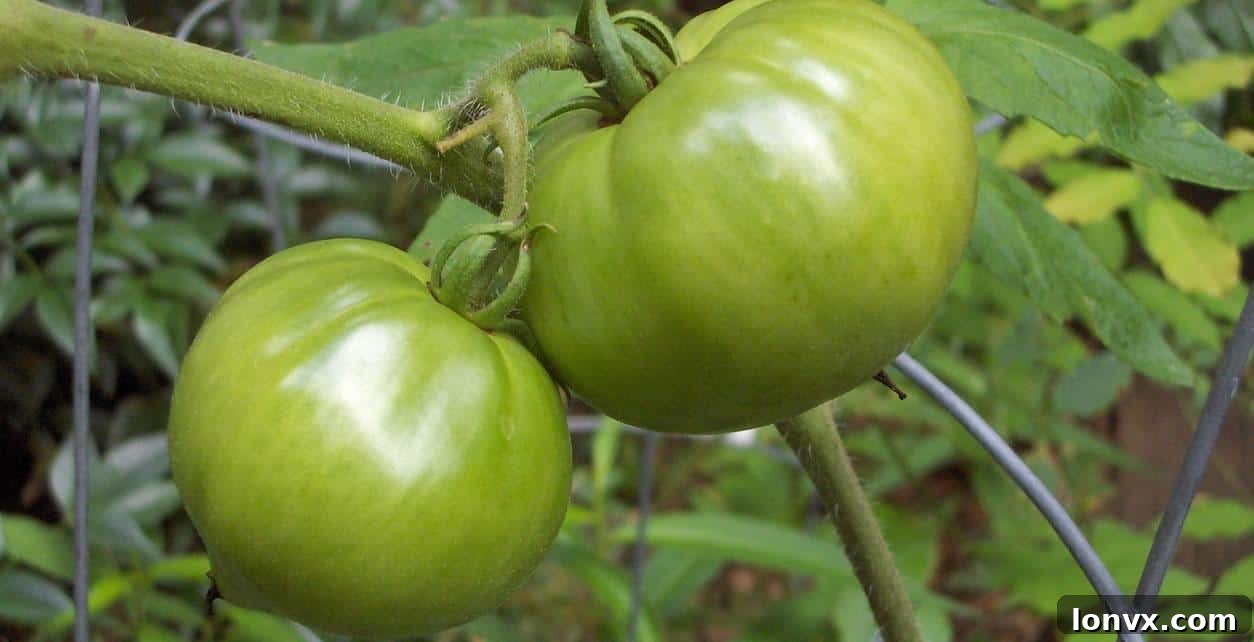
Before they blush a brilliant red, green tomatoes offer a unique culinary canvas. Picked at their firm, unripe stage, these vibrant gems possess a distinct tartness and crisp texture that transforms beautifully when introduced to a hot skillet. This classic recipe, a staple in Southern kitchens and a personal favorite since the late 1970s, turns humble green tomatoes into a crispy, savory sensation that’s simply beyond wonderful.
Selecting and Slicing Your Green Tomatoes
The foundation of perfect fried green tomatoes begins with the right produce. Opt for medium to large green beefsteak tomatoes that are firm to the touch, indicating their desirable unripe state. Their size ensures substantial slices that hold up well during frying. For ideal crispiness and even cooking, aim for slices approximately 1/4 to 1/3 inch thick. A serrated knife is your best friend here, allowing for clean, precise cuts without crushing the tomato. Begin by carefully trimming a small ‘pinch’ from the bottom end to create a stable base, then proceed to slice each tomato with steady, even strokes from top to bottom. Plan for about four slices per serving to ensure everyone gets a generous portion of this delightful appetizer or side dish.
The Art of Salting and Draining
Before the breading process begins, an essential step is salting. This technique serves two crucial purposes: it draws out excess moisture from the tomato slices, preventing a soggy outcome, and it subtly seasons the tomatoes from within. Arrange your carefully sliced green tomatoes in a single layer on a cookie sheet lined with paper towels. Generously sprinkle both sides of each slice with salt. Allow them to rest for several minutes – typically 10 to 15 minutes is sufficient – to allow the salt to work its magic. You’ll notice beads of moisture forming on the surface, which is exactly what you want. Gently blot them dry with additional paper towels before proceeding to the next step.
Mastering the Breading Process
The key to truly crispy fried green tomatoes lies in a robust and flavorful breading. Our method involves a triple-dip technique that creates an incredibly satisfying crust. First, prepare your dredging stations. In one shallow dish, pour buttermilk. In another, combine regular all-purpose flour with a generous amount of freshly ground black pepper and a touch of sweet paprika powder for a hint of color and warmth. Finally, in a third dish, create your ultimate breadcrumb mixture: fresh, coarse breadcrumbs combined with equal parts of finely grated dry Parmesan cheese granules and Romano cheese granules. This cheesy addition adds incredible depth of flavor and an extra layer of crunch.
Working one slice at a time, begin by dipping each green tomato slice thoroughly in the buttermilk, allowing any excess to drip off. Next, dredge it in the seasoned flour, ensuring both sides are fully coated, then gently shake off any excess flour. The flour layer helps the egg wash adhere better. Now, dip the floured slice into an egg wash (beaten eggs with a splash of milk or water), letting excess drip away. Finally, generously coat the slice in your cheesy breadcrumb mixture, pressing lightly to ensure a firm, even coating. Set the breaded slices aside on a clean plate or baking rack as you continue with the remaining tomatoes.
The Perfect Fry: Bacon Fat and Butter
While your tomatoes are salting, prepare your frying fat. For unparalleled flavor, begin by frying several rashers of good quality bacon in a large, heavy-bottomed skillet over medium heat until crispy. Remove the cooked bacon strips with tongs, reserving them for another use (or a quick snack!), but leave the rich bacon fat in the skillet. This rendered fat provides an incredible depth of savory flavor that complements the tartness of the tomatoes beautifully. To this flavorful base, add a couple of tablespoons of unsalted butter and a splash of Mazola corn oil. The butter adds richness and aids in browning, while the corn oil helps raise the smoke point. Increase the heat to medium-high, allowing the fats to become hot but taking care not to let them burn. A good test is to drop a tiny pinch of breadcrumbs into the fat; if it sizzles immediately, you’re ready.
Frying to Golden Perfection
Carefully place each individual breaded green tomato slice into the hot skillet, ensuring not to overcrowd the pan. Work in batches if necessary to maintain consistent oil temperature and prevent steaming. Once the slices are in, resist the urge to shake the pan or move them around; let them develop their golden crust undisturbed. Watch carefully for the edges to turn a beautiful golden-brown. This typically takes about 2-3 minutes per side. Using a thin spatula or an egg turner, gently flip each slice to fry the other side until it, too, is just barely golden and exquisitely crispy. The goal is a tender interior with a perfectly crunchy exterior.
Gourmet Touches and Serving Suggestions
Once fried to perfection, remove the slices from the skillet using an egg turner with holes to allow any excess fat to drip away. Transfer the golden discs to a tray lined with brown paper or paper towels for further draining, helping them stay crisp. Keep the fried green tomato slices warm on an oven-proof serving platter in a low oven while you finish frying the remaining batches.
For an extra special, gourmet flourish, consider drizzling each warm slice with a tiny bit of fig jar cognac marinade juice – the sweet, boozy notes pair wonderfully with the tangy tomatoes. Alternatively, a delicate drizzle of high-quality maple syrup adds a touch of sweet sophistication. For a truly indulgent experience, build a mini sandwich using two slices of fried green tomato with a bit of finely minced, cognac-marinated fig nestled in-between. Garnish your platter with fresh handfuls of curly parsley and elegant lemon curls for a vibrant presentation. If a dipping sauce is desired, whisk together a bit of tangy mustard and maple syrup into homemade mayonnaise for a creamy, sweet-savory accompaniment, served in individual dipping dishes.
Soup’s On! Hearty Split Green Pea Soup with Pork Hocks
When the chill of winter sets in or a long day calls for deep nourishment, nothing quite compares to a steaming bowl of homemade soup. This particular recipe for dried split green pea soup with succulent pork hocks is not just special; it’s a culinary hug that harks back to simpler times. Inspired by wartime ingenuity when pantry staples were paramount, this recipe has been refined over the years to become an incredibly easy, yet profoundly satisfying, meal. It’s the perfect thaw-me-out treat after a brisk ski, skate, or toboggan adventure, or even just a cold, rainy walk with your beloved pup. Versatile enough for breakfast, lunch, or supper, this soup is a true champion of comfort food.
The Magic of Pantry Staples: Dried Split Peas
The beauty of this soup begins with its humble star: dried split green peas. Always keep a few bags of these in your dry goods pantry. They are economical, shelf-stable, and transform into a creamy, flavorful base with minimal effort. While this recipe specifically calls for green split peas, note that dried split yellow peas are also widely available and form the basis of traditional French Canadian split pea soup. The core recipe remains wonderfully adaptable, allowing you to choose your preferred pea variety.
Building the Flavor Base: Sautéed Aromatics
Begin your soup journey by sautéing a medium-large Spanish white onion, finely chopped, in a generous knob of butter in a large, heavy-bottomed pot or Dutch oven. The butter lends a rich, foundational flavor. Once the onion begins to soften and become translucent, add a single bay leaf, a couple of whole cloves, a pinch of dry thyme, and a small piece of garlic. This garlic, rather than being minced, is added whole and will soften and eventually be mashed into the soup, imparting a gentle, mellow garlic essence that enhances other flavors without overpowering them. Season with a good sprinkle of salt and freshly ground black pepper at this stage to build layers of taste from the start.
The Heart of the Soup: Peas and Homemade Broth
Once your aromatics are fragrant and soft, it’s time to add the star ingredient: a whole bag of dried split green peas. If you’re using a very large pot and planning for extra to freeze (which is highly recommended as this soup freezes exceptionally well), consider adding two bags. This soup is robust and always useful to have on hand. Now, for the liquid gold: chicken broth. While store-bought broths in boxes or cans are convenient, they are often excessively briny and overtly salty, potentially compromising the delicate balance of your homemade soup. I cannot recommend using them, even in a pinch, if you seek truly exceptional flavor.
The secret to superior soup lies in homemade chicken stock. It costs virtually nothing beyond a little time and effort. Simply save chicken bones (from a roasted chicken or raw pieces) in your freezer. When you have a good collection, gently boil them with a stick of celery, a carrot, half an onion, and a few sprigs of your favorite herbs (parsley, thyme, bay leaf work wonderfully) for about 15 minutes, or longer if you have the luxury of time. Strain the resulting broth and freeze it in portions. This instant, ready-to-use chicken broth is the base for countless recipes and, served alone, is a comforting elixir for anyone feeling under the weather.
Return to your pot of sautéed onions and peas. Cover them generously with your homemade chicken broth, adding a few extra cups to ensure plenty of liquid for the peas to swell and cook. (While this soup can be made with plain water, it simply won’t achieve the same depth and richness that broth provides).
The Richness of Pork Hocks
Now, introduce the game-changer: pork hocks. Add at least four medium-sized pork hocks to the pot (many recipes suggest two, but more hocks mean more flavor and tender meat). It’s always wise to keep a supply of raw pork hocks in your freezer, ready for when the craving for this hearty pot hits. Once the hocks are submerged in the broth, cover the pot and reduce the heat to very low. This soup demands a gentle simmer, allowing the flavors to meld and the ingredients to break down slowly.
The Gentle Simmer to Perfection
Allow the soup to gently simmer for several hours, stirring occasionally to prevent any bits from sticking and burning at the bottom of the pot. The goal is to cook until the dried split peas are incredibly tender, easily mashable with a fork, and the succulent pork hock meat is literally falling off the bone. This slow cooking process extracts maximum flavor from the hocks and creates a wonderfully creamy, thick consistency for the soup. Once the hocks are tender, carefully remove them from the pot. Discard the heavy skin if you prefer, or for an extra treat, roast it separately until crispy to create delicious crackling.
Serving and Storage Tips
Serve this magnificent split pea soup hot and freshly made. While delicious immediately, the soup truly gets better as it rests in the pot, allowing the flavors to deepen and meld further. For an exquisite final touch, add a tiny dollop of sour cream to each serving and a quick grind of fresh black pepper. The creamy tang of the sour cream perfectly balances the richness of the soup.
This soup pairs wonderfully with fresh, hot buttered toast or buttered crostini for dipping. It’s also the ideal companion to home-baked, fresh buttery biscuits, creating an ultimate comfort food experience. Whether served in an oversized mug for a casual meal or in a deep bowl for a more substantial presentation, dried split green pea soup with pork hocks is a guaranteed winner that will earn a spot on everyone’s ‘best of’ list. You truly haven’t lived until you’ve savored this simple yet profoundly satisfying supper.
While the thick pea soup freezes exceptionally well, retaining its creamy texture and flavor, the cooked pork hocks do not fare as well after freezing and reheating. For this reason, it’s best to keep plenty of raw pork hocks in your freezer for future batches. However, don’t worry too much about leftovers – this soup is so delicious, there rarely are any!
This recipe is a fantastic make-ahead option for busy households. It’s perfect for teenagers to help themselves after school if dinner is delayed, or for active sports kids who always have their own schedules to manage. Keep a hearty pot of this soup handy for convenient, nourishing meals.
When reheating, the soup warms up beautifully in the microwave, but it’s important to remember that the cooked pork hocks do not reheat well in this manner. For the best results, slowly reheat the soup on the stovetop. Be cautious not to burn it, as the soup thickens significantly upon cooling. If it becomes too thick during reheating, simply add a tiny bit of additional chicken stock to achieve your desired consistency.
Recipe adapted from Lady Ralston’s Kitchen: A Canadian Contessa Cooks.