
Canadian Housing Market Stages Robust Comeback: A Deep Dive into April 2023’s Pivotal Rebound
After enduring a challenging year-long slump characterized by rising interest rates, affordability concerns, and a notable market correction, the Canadian housing market is finally showing compelling signs of recovery. April 2023 emerged as a pivotal month, signaling a decisive turnaround that has taken many analysts by surprise. This resurgence marks a significant shift, rekindling optimism among buyers and empowering sellers across the nation.
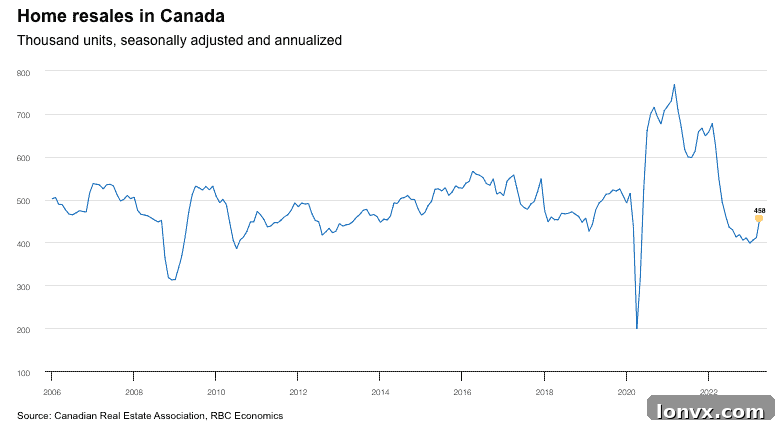
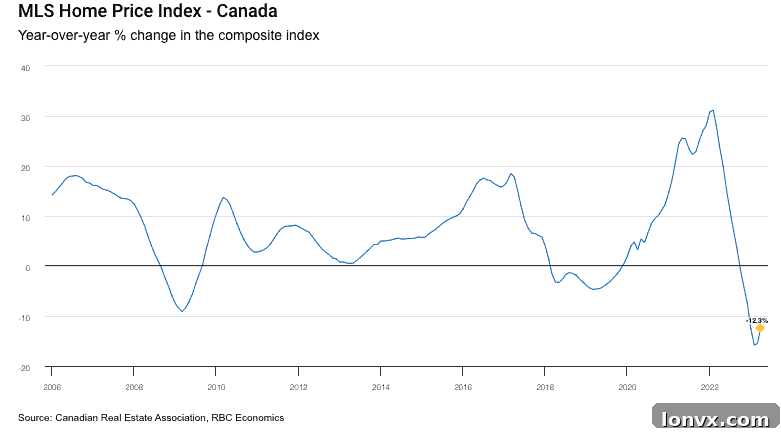
According to an in-depth analysis by Robert Hogue, Assistant Chief Economist at RBC Economics, based on the latest data from the Canadian Real Estate Association (CREA), home resales experienced an extraordinary surge. Nationwide, sales jumped by an impressive 11.3 per cent month-over-month. This represents the strongest monthly advance in nearly three years, underscoring a fundamental shift in market dynamics. The momentum was further solidified by the MLS Home Price Index (HPI), which recorded a 1.6 per cent gain in April. This crucial indicator marked the first instance of consecutive monthly increases since early 2022, confirming that the recovery is gaining traction rather than being an isolated incident. The widespread nature of this recovery is particularly noteworthy, with the vast majority of local markets contributing positively to this robust upswing.
This confluence of increased sales activity, consistent month-over-month price gains, and tightening demand-supply conditions has decisively tipped the scales. The Canadian housing market is transitioning from a buyer’s advantage to a seller’s market, particularly in major urban centers. Sellers are once again finding themselves in a commanding position, benefiting from renewed buyer confidence and reduced inventory levels.
Toronto and Vancouver Lead the Recovery Charge; Other Markets Swiftly Follow Suit
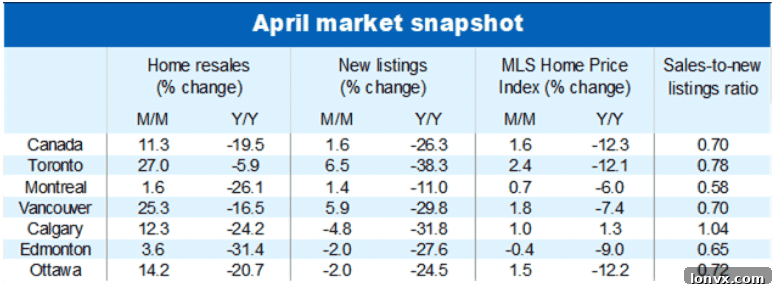
The vitality of the recovery has been most pronounced in Canada’s two largest and most influential real estate markets: Toronto and Vancouver. These metropolitan hubs, often considered bellwethers for the national market, witnessed spectacular jumps in home resales. Toronto recorded an astounding 27 per cent increase, while Vancouver followed closely with a 25 per cent rise. These significant gains have effectively rolled back a substantial portion of the price corrections experienced over the past year, indicating a strong return of buyer interest and investment.
A key catalyst behind this renewed optimism and purchasing activity is the Bank of Canada’s decision to pause its aggressive campaign of interest rate hikes. This halt brought a much-needed sense of stability and predictability to borrowing costs, allowing buyers to re-evaluate their financial positions and re-enter the market with greater confidence. The easing of rate uncertainty has unlocked pent-up demand, setting the stage for a broader and more sustained recovery that is now rippling across other Canadian markets.
Beyond Toronto and Vancouver, numerous other markets are also demonstrating solid month-over-month increases in home resales, highlighting the widespread nature of the rebound. Victoria saw an impressive 13 per cent jump, Calgary rose by 12 per cent, Hamilton surged by 18 per cent, Kitchener-Waterloo increased by 16 per cent, London by 15 per cent, Ottawa by 14 per cent, and Halifax by a remarkable 17 per cent. What makes these advances particularly significant is that they are largely occurring despite further declines in the number of homes listed for sale in most of these regions. This tightening of supply against increasing demand powerfully underscores the robust market dynamics currently at play, creating a competitive environment for buyers and greater leverage for sellers.
Source: CREA, RBC Economics
Property Values Rebound Across the Country, Signalling the End of the Price Correction Era
The tightening of demand-supply conditions in the majority of Canadian housing markets has had a direct and immediate impact on property values, granting sellers significantly increased pricing power. Recognizing this window of opportunity, sellers have been quick to capitalize on the more favorable market environment. This shift marks a definitive end to the period of sustained price corrections that defined much of the previous year, ushering in a new phase of value appreciation.
According to Robert Hogue’s meticulous analysis, the MLS Home Price Index demonstrated upward movement in over three-quarters of local markets across the country in April. This broad-based growth underscores the strength and widespread nature of the rebound. Several regions posted particularly notable monthly gains: Hamilton led with an impressive 5.4 per cent increase, Cambridge followed closely with 5.1 per cent, and Kitchener-Waterloo recorded a robust 3.9 per cent rise. These significant percentage increases translate into substantial dollar values, reflecting a rapid recovery in property equity for homeowners in these areas.
In the highly competitive Toronto market, property values saw a 2.4 per cent increase, adding over $35,000 to the benchmark price in just a single month. Similarly, Vancouver’s benchmark price appreciated by $23,000, or 2.0 per cent, over the past two months, showcasing the resilience and desirability of these top-tier markets. While Montreal experienced a more subdued but still positive rebound, with its MLS HPI appreciating by 0.7 per cent (approximately $3,500), it nonetheless confirmed the overarching trend of recovery even in regions with historically more stable price movements. The diverse rates of appreciation across different cities highlight the localized nature of real estate markets, even within a national trend, but the overall direction is unequivocally upward.
Strong Market Performance Raises Upside Risk to Housing Forecasts
The unexpected vigor and speed of the housing market’s resurgence in April have genuinely surprised many analysts, including the experts at RBC Economics and Robert Hogue. While there was a general expectation that the market would eventually reach its cyclical bottom this spring, the initial projections leaned towards a much slower, more gradual rebound. The prevailing sentiment was that the significant loss of affordability experienced over the preceding year, coupled with higher interest rates, would compel buyers to remain cautious and hesitant for a considerable period.
However, recent data suggests a different narrative. Hogue points out that the sudden surge in demand hints at powerful underlying forces driving the market. Two primary factors are emerging as significant catalysts: soaring immigration levels and a persistently thriving rental market. Canada has been experiencing record levels of immigration, leading to rapid population growth. This influx of new residents creates immediate and substantial demand for housing, both rental and ownership, effectively absorbing available inventory and putting upward pressure on prices.
Simultaneously, the rental market across Canada remains exceptionally tight, characterized by low vacancy rates and rising rental costs. For many individuals and families, the escalating expense of renting, combined with a stable job market, is making homeownership appear increasingly attractive and financially viable, especially with the Bank of Canada’s pause on rate hikes. This dynamic is pushing renters into the homeownership market, further intensifying buyer competition.
Consequently, there is now an increased and significant possibility that property prices will not only sustain the gains observed in April but potentially extend them even further, potentially surpassing initial expert expectations. This robust performance suggests that the underlying structural demand, particularly from demographic shifts and an active rental sector, is proving to be a more dominant force than previously anticipated in overcoming affordability challenges. While the long-term sustainability will depend on continued economic stability and inflation trends, the short-to-medium term outlook appears decidedly bullish, challenging previous conservative forecasts and suggesting a more dynamic recovery path for the Canadian housing market.
For a more detailed analysis and comprehensive insights, you can read April’s Housing Market report from RBC Economics here.